
Technical knowledge · technical report
Choosing grease by NLGI grade and DIN 51825
The NLGI grade is grease consistency measured by cone penetration. How to read KP2K-30 and choose a thickener.
Ung Vuong editorial teamPublished 13 Nov 20266 min read
The NLGI grade classifies grease consistency by worked cone penetration (ASTM D217, at 25 °C, in 0.1 mm). The higher the number, the stiffer the grease.
| NLGI grade | Worked penetration (0.1 mm) | Typical use |
|---|---|---|
| 000 | 445-475 | enclosed gears, centralised systems |
| 00 | 400-430 | centralised systems |
| 0 | 355-385 | centralised systems |
| 1 | 310-340 | fast bearings, low temperature |
| 2 | 265-295 | general bearings (most common) |
| 3 | 220-250 | large bearings, vertical shafts |
Reading a DIN 51825 code
Example KP2K-30: K = rolling-bearing grease; P = extreme-pressure (EP) additives; 2 = NLGI grade; K = upper operating temperature +120 °C; -30 = lower operating temperature -30 °C. Rely on the code only when the TDS states it.
Thickener
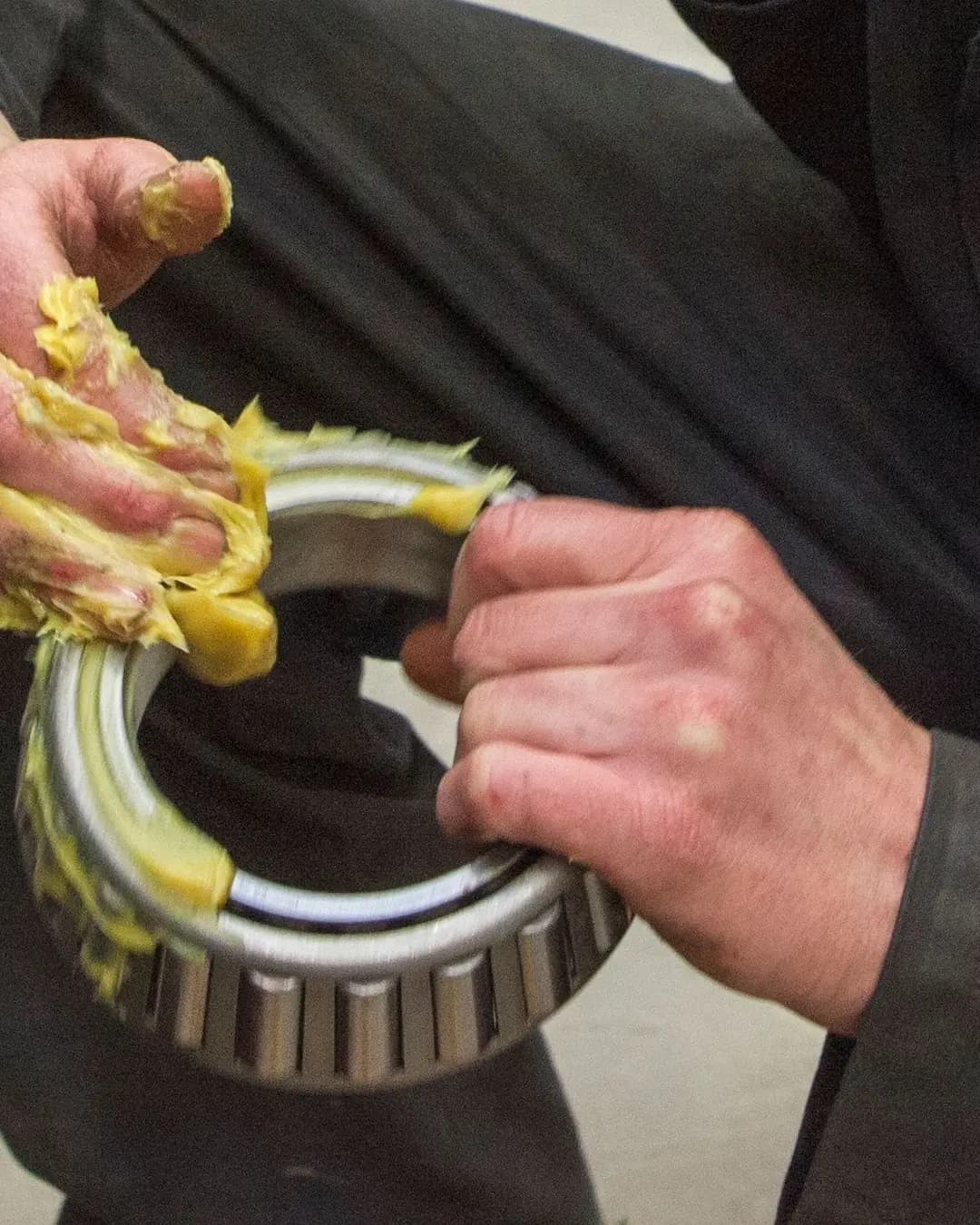
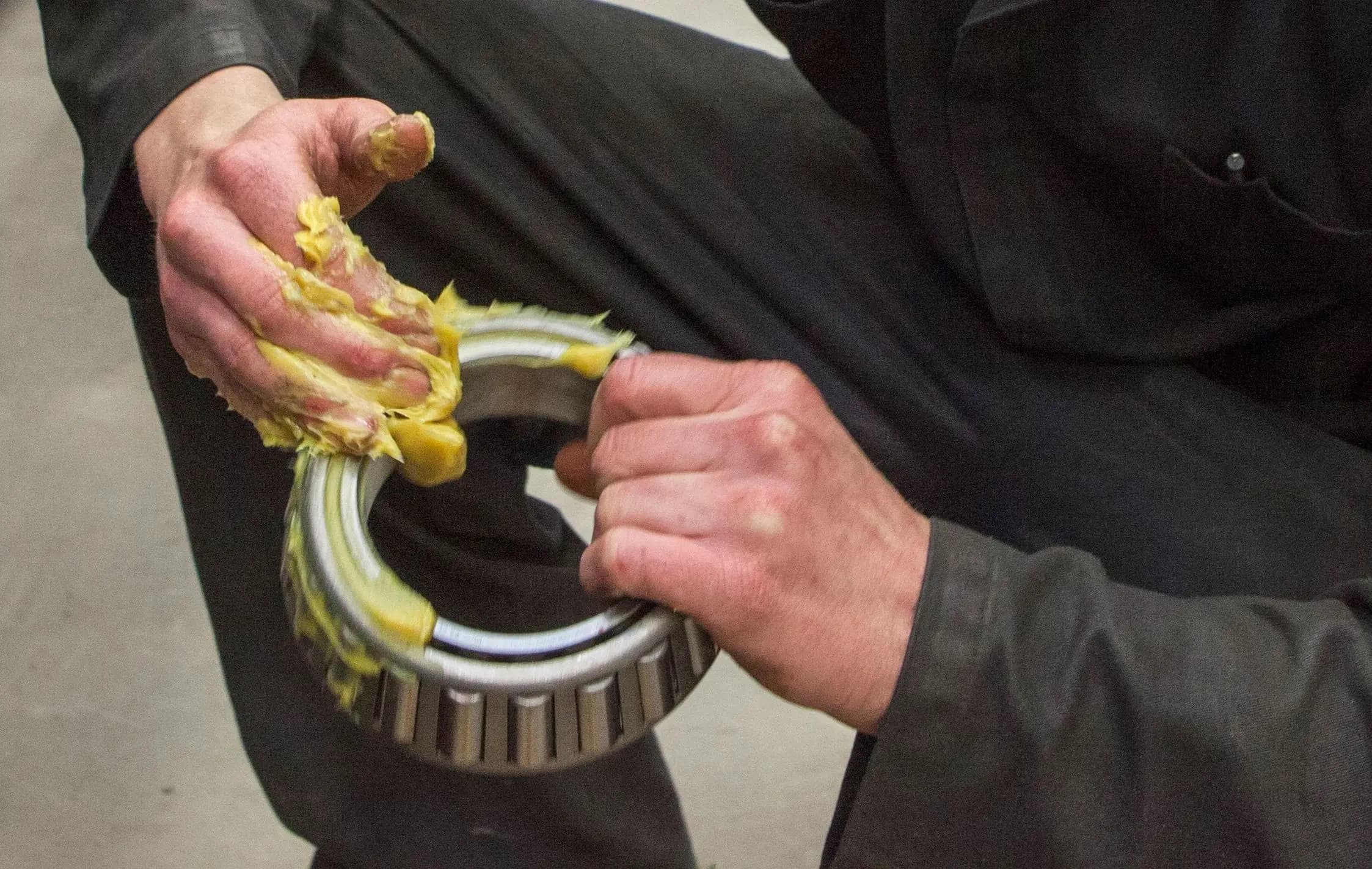
Lithium is general-purpose; lithium complex handles higher temperatures (higher dropping point); calcium sulfonate resists water; polyurea is common in electric-motor bearings. Don't mix greases with different thickeners without a compatibility check. See Greases.
References
- NLGI - Lubricating grease basics (consistency grades)
- ASTM D217 - Standard Test Methods for Cone Penetration of Lubricating Grease
- DIN 51825 - Lubricating greases K - Classification and requirements
- Official TDS of the industrial products on this website (see each product page)
Author
The content team of Ung Vuong Lubricants. Articles are compiled from brands' technical data sheets (TDS) and the SAE, API, ACEA and JASO standards; every article lists its references at the end.
For reference only - always check your vehicle manufacturer's handbook.
Read next
More articles

Try it
Open the SAE J300 bench
Pick a grade and see what each number means.