LONGFORM
DOT 3, DOT 4, DOT 5.1 brake fluid: it's about boiling point
Brake fluid absorbs moisture and its boiling point falls. Reading FMVSS 116 numbers, what mixes and when to change.
By: Ung Vuong editorial teamPublished 14 Nov 202611 min read
Brake fluid transmits pedal or lever force almost instantly - until it boils. Vapour bubbles compress and the brake goes soft. That is why boiling point is the key figure, and why it matters that glycol fluids absorb water over time.
01
What DOT means
DOT 3, 4, 5 and 5.1 are defined in US FMVSS No. 116 (49 CFR § 571.116). SAE J1703/J1704 and ISO 4925 classes are related standards.
| Grade | Dry ERBP min | Wet ERBP min | Max viscosity −40 °C |
|---|---|---|---|
| DOT 3 | 205 °C | 140 °C | 1,500 mm²/s |
| DOT 4 | 230 °C | 155 °C | 1,800 mm²/s |
| DOT 5 / 5.1 | 260 °C | 180 °C | 900 mm²/s |
DOT 4 in three numbers
- dry boiling point
- ≥ 230 °Cdry boiling point
- wet boiling point
- ≥ 155 °Cwet boiling point
- viscosity at −40 °C
- ≤ 1,800 mm²/sviscosity at −40 °C
Source: FMVSS No. 116
The key property of brake fluid is boiling point - and it falls with time.
02
Why it absorbs water
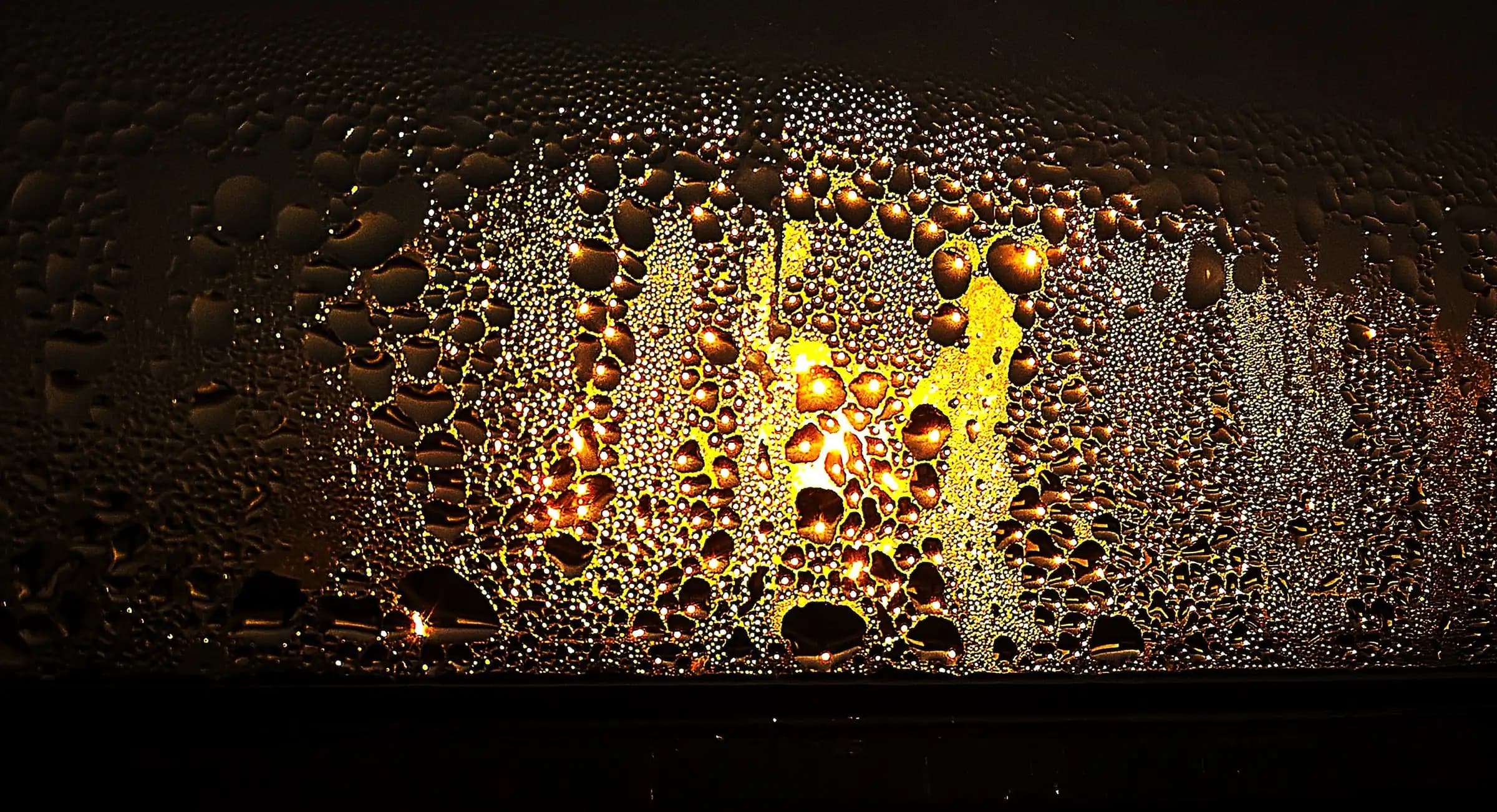
Glycol makes the fluid hygroscopic (febi); water enters through hoses, seals and the reservoir cap (AMSOIL). Wet boiling point is measured with about 3.5-3.7 % water. FMVSS 116 requires labels such as "KEEP BRAKE FLUID CLEAN AND DRY".
03
DOT 5 versus DOT 5.1
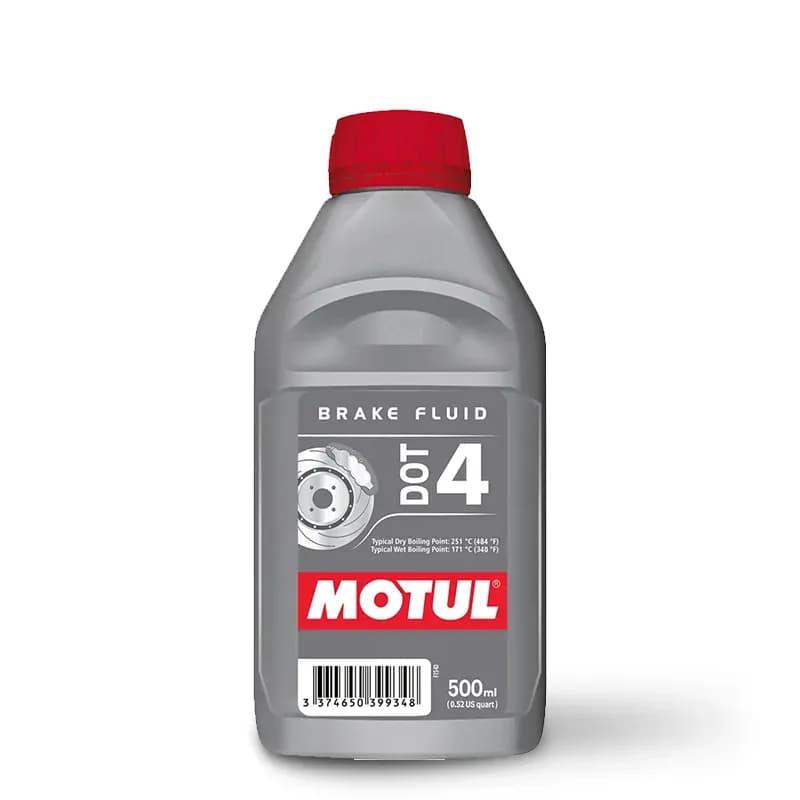
DOT 5 is silicone-based (purple, labelled "DOT 5 SILICONE BASE"); DOT 5.1 is glycol-based like DOT 3 and 4 ("NON-SILICONE BASE"). Motul's DOT 4 TDS says it mixes with DOT 3, 4 and 5.1 but not with DOT 5 or mineral LHM fluid. Honda's Ridgeline manual warns DOT 5 can cause extensive damage.
| DOT 3 · 4 · 5.1 | DOT 5 | |
|---|---|---|
| Base | Glycol ether | Silicone |
| Colour | Colourless to amber | Purple |
DOT 5 and DOT 5.1 share only a name.
04
ISO 4925 classes
| Class | Dry / wet min | −40 °C max |
|---|---|---|
| 4 | 230 / 155 °C | 1,500 mm²/s |
| 6 | 250 / 165 °C | 750 mm²/s |
| 7 | 260 / 180 °C | 750 mm²/s |
05
Two data sheets
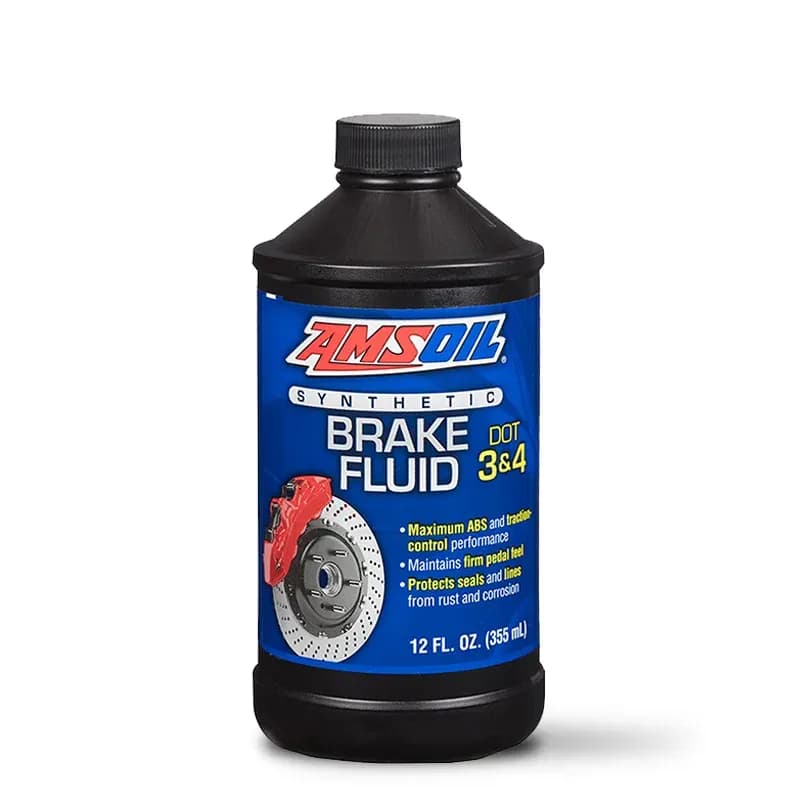
| Typical | Motul DOT 4 | AMSOIL DOT 3 & 4 |
|---|---|---|
| Dry ERBP | 257 °C | 271 °C |
| Wet ERBP | 162 °C | 187 °C |
| Change advice | Yearly | Every two years |
06
When to change
- HELLA: generally every two years; the vehicle maker's interval comes first.
- Honda Hornet CB750: 2 years; Honda Ridgeline 2013: 3 years.
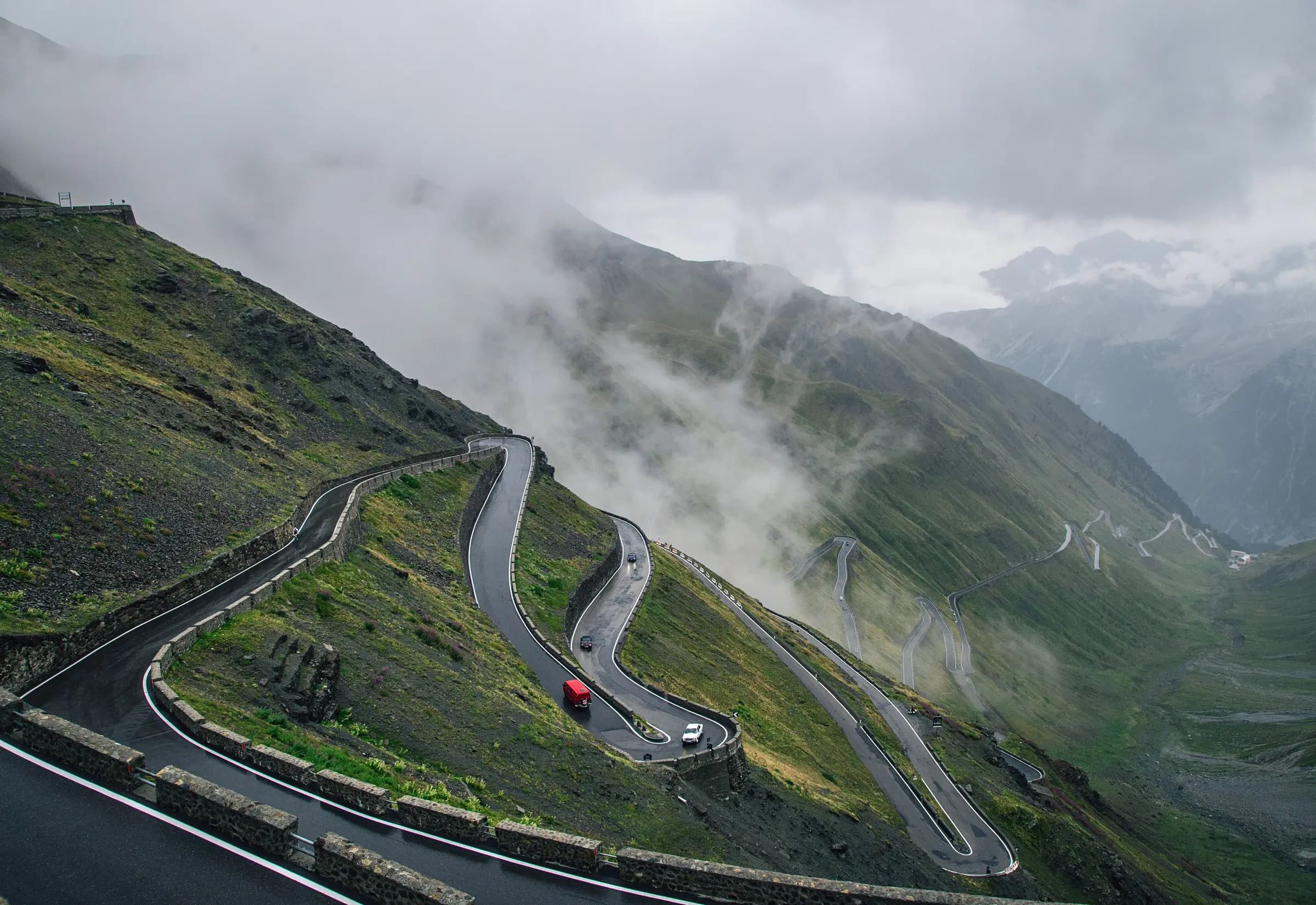
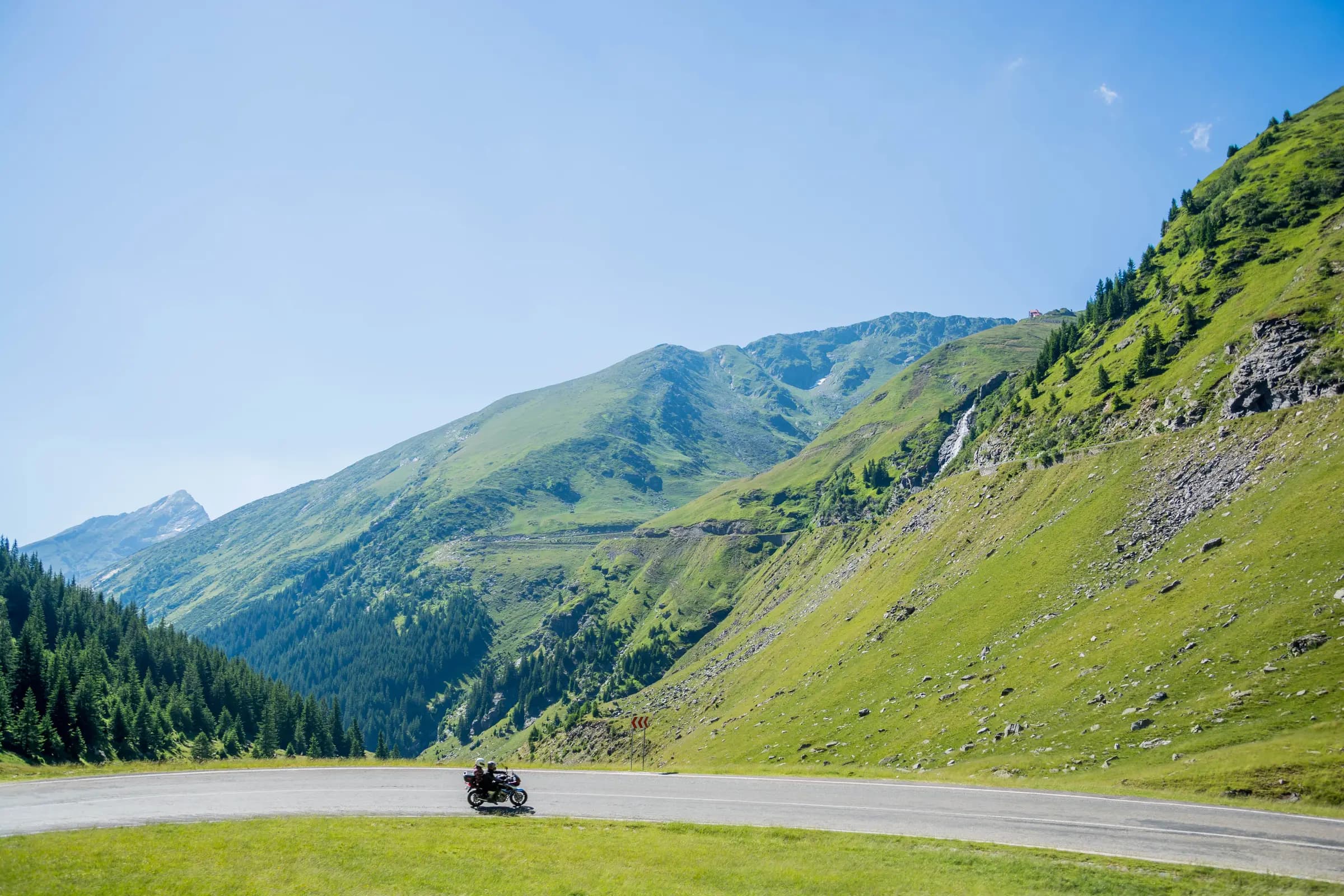
- Shorten for mountain roads, heavy loads and humid seasons.
- Produced by
- Ung Vuong editorial team
- Content
- Ung Vuong editorial team
- Design
- Ưng Vương Web
Products in this article
 CarsTDS
 Cars