


Lubricant technology · technical report
ATF, CVT, DCT: three transmission fluids you must not mix up
Torque-converter automatics, CVTs and dual-clutch gearboxes need fluids with different friction properties - and why scooters do not use “CVT fluid”.
Ung Vuong editorial teamPublished 10 Oct 2026Updated 13 Nov 20264 min read
Today's automatic cars use at least three common transmission types: the stepped automatic with a torque converter, the continuously variable transmission (CVT) and the dual-clutch transmission (DCT). Each transmits power differently, so the fluid for each is formulated with its own friction characteristics. Using the wrong one can cause harsh shifts, slipping, shudder and costly damage.
What does automatic transmission fluid do?
Beyond lubrication, automatic transmission fluid is the hydraulic medium that carries pressure to apply the clutches and brakes inside the gearbox; it also cools, keeps parts clean and prevents corrosion. At the same time it must reduce wear while keeping a controlled level of friction so the clutches engage smoothly without slipping. These competing demands are why each transmission type needs a dedicated fluid.
ATF for stepped automatics
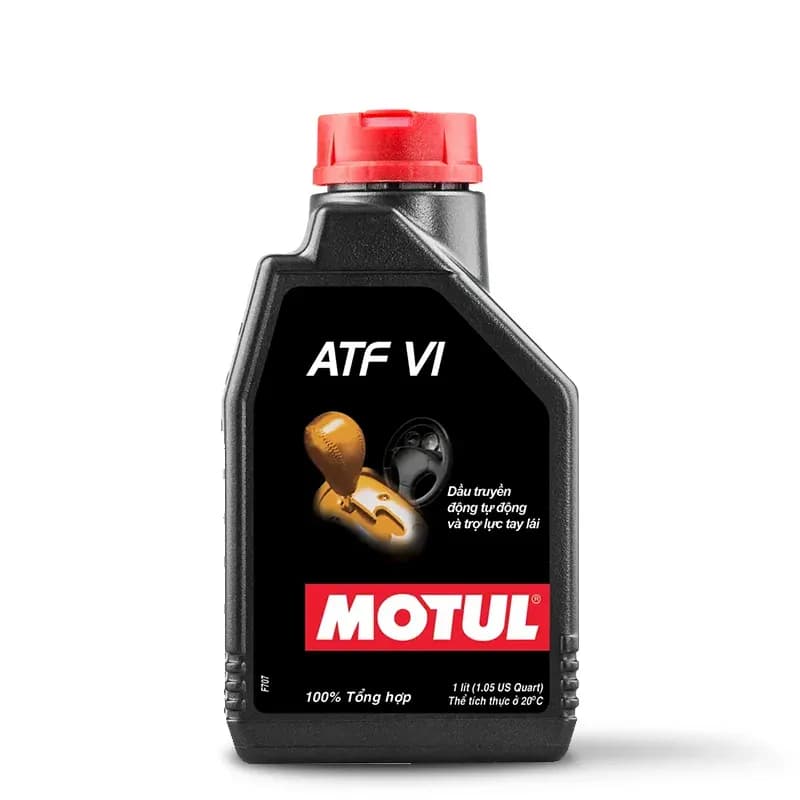
A conventional automatic has planetary gear sets, multi-plate clutches, a torque converter and a valve body. It uses ATF, but “ATF” is not a single standard: each carmaker has its own, such as Dexron (GM), Mercon LV (Ford) or Toyota WS. ATFs on the market usually list the specifications the oil company claims to meet; match the exact specification in your owner's manual.
CVT fluid
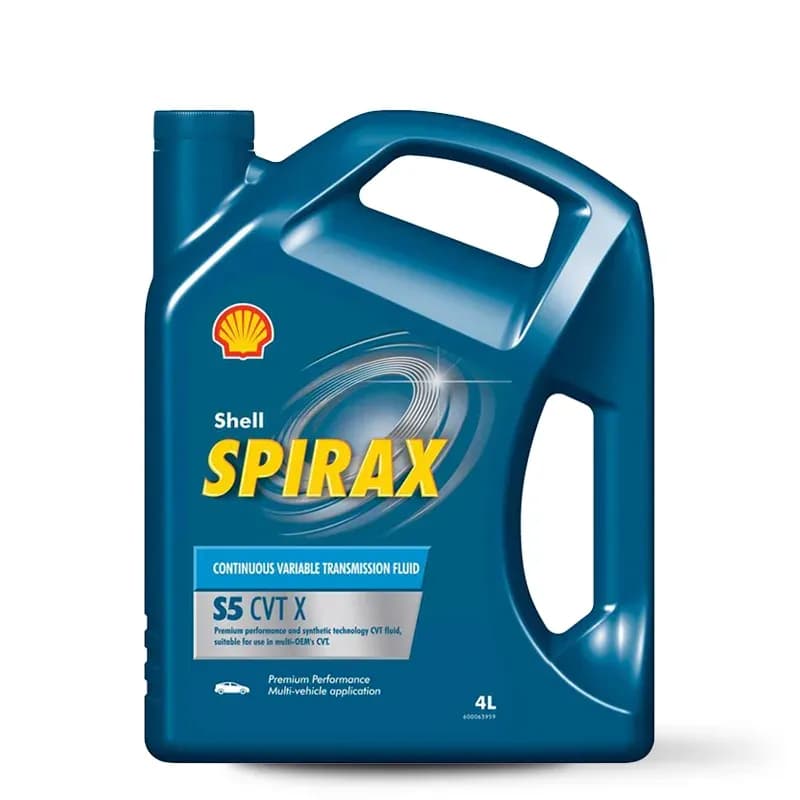
A car CVT transmits power through a steel belt or chain clamped between two pulleys. Power is carried by steel-on-steel friction, so CVT fluid must maintain a high enough metal friction coefficient. Meanwhile, the torque-converter lock-up clutch or start clutch in the same gearbox needs controlled friction to avoid shudder. Ordinary ATF is not designed for this. The Nissan X-Trail owner's manual is explicit: use only Nissan CVT Fluid NS-3, do not mix it with other fluids, because using another fluid may damage the transmission and is not covered by the warranty.
DCT fluid
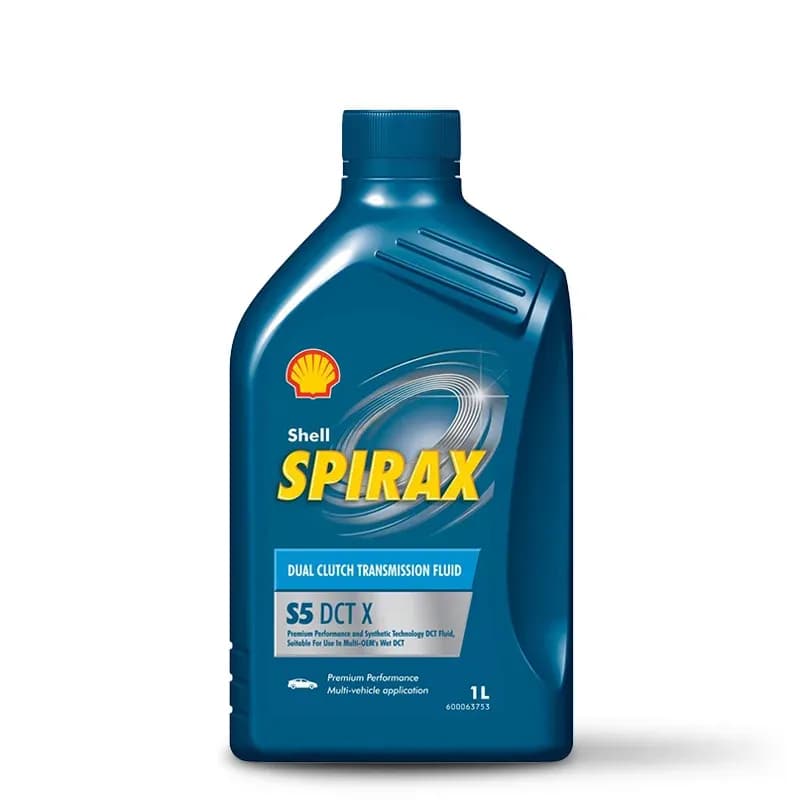
Dual-clutch transmissions come in two kinds. Wet-clutch units (such as Volkswagen's 6-speed DQ250 DSG) use one shared fluid for the clutches, gears and mechatronic control unit, so the fluid must suit clutch friction and protect the gears. Dry-clutch units (such as the 7-speed DQ200 DSG) have clutches that do not run in oil and two separate oil circuits - one for the gears and one for the hydraulic controls - each using the fluid specified for it.
Do scooters use “CVT fluid”?
No. Scooters also use a continuously variable drive, but it is a rubber belt running dry, not in oil. What needs regular changing on a scooter is the engine oil (by JASO, usually MB) and the final-drive gear oil. Car CVT fluid is not meant for scooters.
| Transmission type | Key components | Fluid required |
|---|---|---|
| Stepped automatic (AT) | Torque converter, planetary gears, multi-plate clutches | ATF to the carmaker's specification |
| Car CVT | Steel belt or chain, pulleys | CVT fluid to the carmaker's specification |
| Wet dual-clutch (DCT) | Two oil-bathed clutches | DCT fluid to the carmaker's specification |
| Dry dual-clutch (DCT) | Dry clutches, separate oil circuits | Gear oil and hydraulic fluid as specified |
| Scooter | Rubber belt running dry | Engine oil and final-drive gear oil, not CVT fluid |
References
- FUCHS - Automatic Transmission Fluids
- Q8Oils - Automatic transmissions and the need for specialized ATFs
- Nissan - X-Trail 2024 Owner's Manual: Continuously Variable Transmission (CVT) fluid
- Lubrizol - Patent US 9,567,547 B2: Continuously variable transmission fluid with extended anti-shudder durability
- BorgWarner - DualTronic clutch modules for the Volkswagen DQ250 gearbox (wet clutch)
- CAR Magazine - Volkswagen’s new DSG gearbox (DQ200, ly hợp khô)
Author
The content team of Ung Vuong Lubricants. Articles are compiled from brands' technical data sheets (TDS) and the SAE, API, ACEA and JASO standards; every article lists its references at the end.
For reference only - always check your vehicle manufacturer's handbook.
Products in this article
 CarsTDS
 CarsTDS
 CarsTDS
Read next
More articles
Try it
Open the SAE J300 bench
Pick a grade and see what each number means.