LONGFORM
VI improvers and shear: why does oil thin out?
Polymers let multigrade oils stay thin when cold and thick enough when hot - but they can be torn apart. How tests and specifications control it.
By: Ung Vuong editorial teamPublished 14 Nov 202613 min read
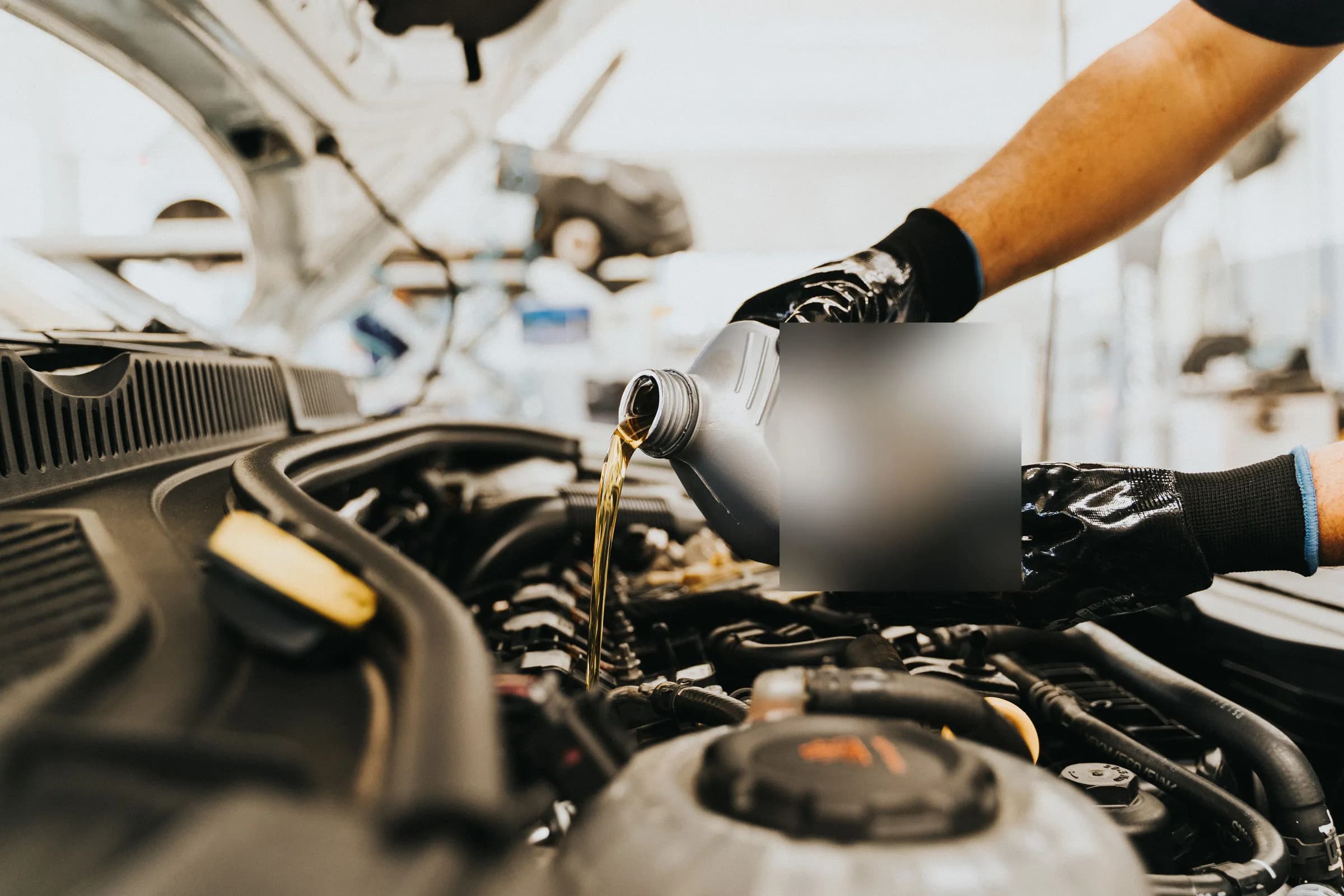
A 10W-40 oil must flow easily at a cold start yet hold a film when hot. Base oil alone cannot do both; viscosity index improvers (VIIs) - oil-soluble polymers - make multigrades possible. Their weak point: long polymer chains can be cut by mechanical shear, and the oil thins permanently.
01
Why oil needs polymers
According to STLE's TLT special report (09/2011), straight paraffinic oils without a typically have a of 95-105, while multigrades reach 105-300 depending on the polymer. Sanyo Chemical (2019) notes automotive oils work from about −30 °C to 150 °C, and VII polymers have average molecular weights of about 10,000-500,000.
VIIs in numbers
- typical VI of paraffinic base oil without VII
- 95-105typical VI of paraffinic base oil without VII
- VI of multigrade oils
- 105-300VI of multigrade oils
- average molecular weight of VII polymers
- 10,000-500,000average molecular weight of VII polymers
- operating range of automotive oils
- −30 → 150 °Coperating range of automotive oils
Source: STLE TLT 09/2011; Sanyo Chemical News No. 514 (2019)
02
Coiled when cold, expanded when hot
The polymer dissolves better at high temperature, so its chains expand and thicken the oil; when cold they coil up. PMA raises VI more than OCP because its solubility parameter (9.0-9.2) differs more from base oil (about 8.2). OCPs thicken efficiently and are cheaper; star-shaped styrene polymers are credited with better shear stability.
| Polymer family | Noted traits |
|---|---|
| OCP | Good thickening efficiency, low cost |
| PMA/PAMA | Strongest VI boost, weaker thickening |
| PIB | Traditional VII family |
| Hydrogenated styrene block (incl. star) | Star architecture: better shear stability |
The longer the polymer, the better it thickens - and the easier it breaks.
03
Temporary and permanent shear
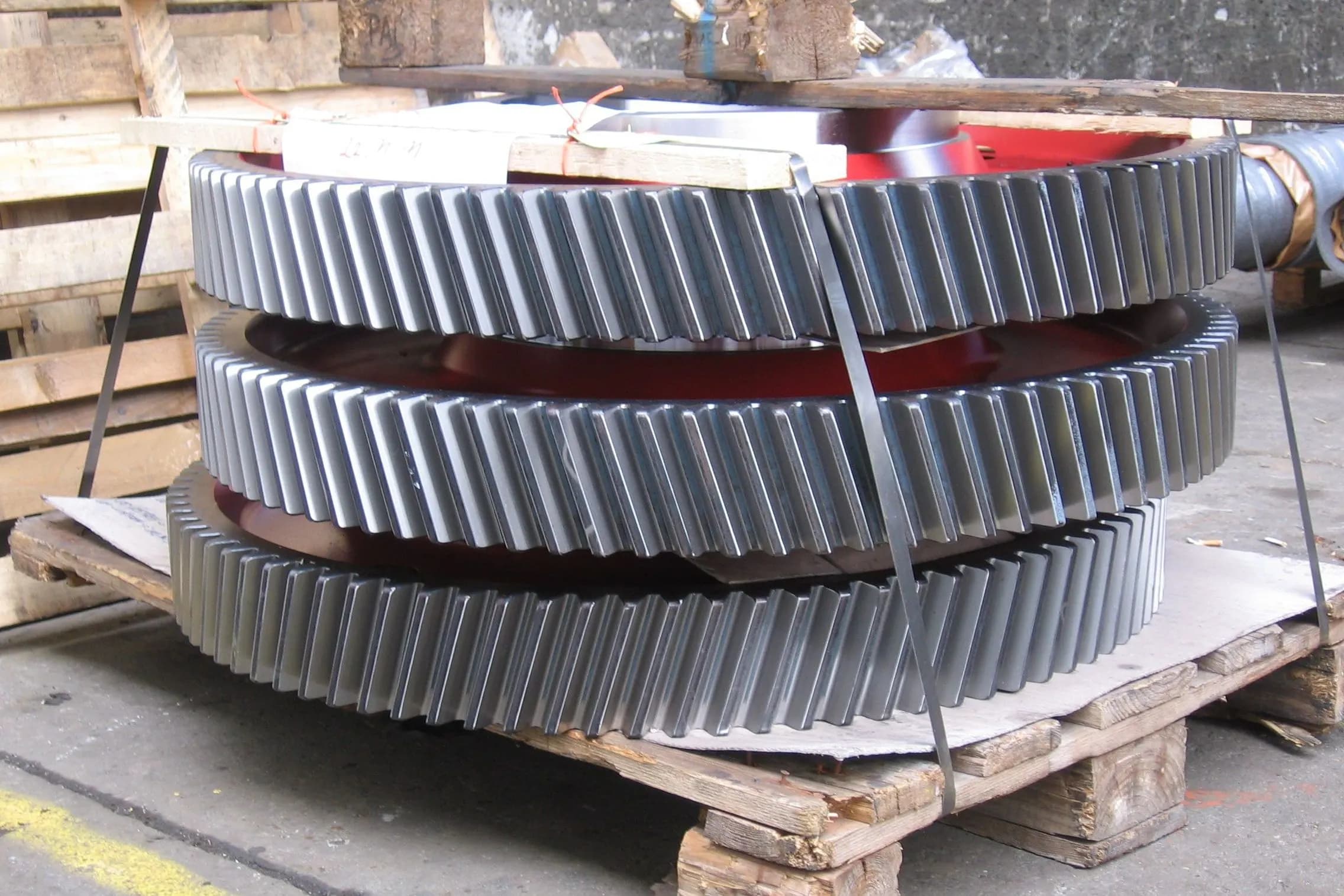
Chains broken in piston rings, bearings and gear teeth cause permanent loss; chains aligned under very high shear cause a temporary, reversible thinning. Lower molecular weight means better shear stability but a lower VI. SSI is the percentage of polymer-added viscosity lost after 30 Kurt Orbahn cycles.
04
HTHS
ASTM D5481 measures at 150 °C and an apparent shear rate of 1.4 × 10⁶ s⁻¹, representative of bearings in severe service. SAE J300 (2021) minimums: grade 16 - 2.3, 20 - 2.6, 30 - 2.9, 40 - 3.5 or 3.7, 50 and 60 - 3.7 mPa·s. ACEA 2023 requires ≥ 3.5 for A3/B4, C3 and C4, and 2.3-2.6 for the new C7. See viscosity.
05
Shear tests
- ASTM D6278 (Kurt Orbahn): 30 diesel-injector cycles.
- ASTM D7109: European injector rig, 30 and 90 cycles; D7109-25 states its 30-cycle result is equivalent to D6278.
- CEC L-45-A-99 (KRL): a 20-hour tapered roller bearing shear test.
A 2014 Chevron Oronite SAE paper found OCP viscosity loss plateaus after 90 Kurt Orbahn cycles while hydrogenated styrene-isoprene keeps losing viscosity.
06
Stay in grade
| Specification | Test | After-shear KV100 |
|---|---|---|
| ACEA 2023 | 30 cycles | All grades stay in grade |
| API CK-4 | D7109, 90 passes | xW-30 ≥ 9.3; 0W-40 ≥ 12.5; other xW-40 ≥ 12.8 |
| JASO T 903:2023 | D6278, 30 cycles | xW-30 ≥ 9.0; xW-40 ≥ 12.0; xW-50 ≥ 15.0 |
07
Motorcycles
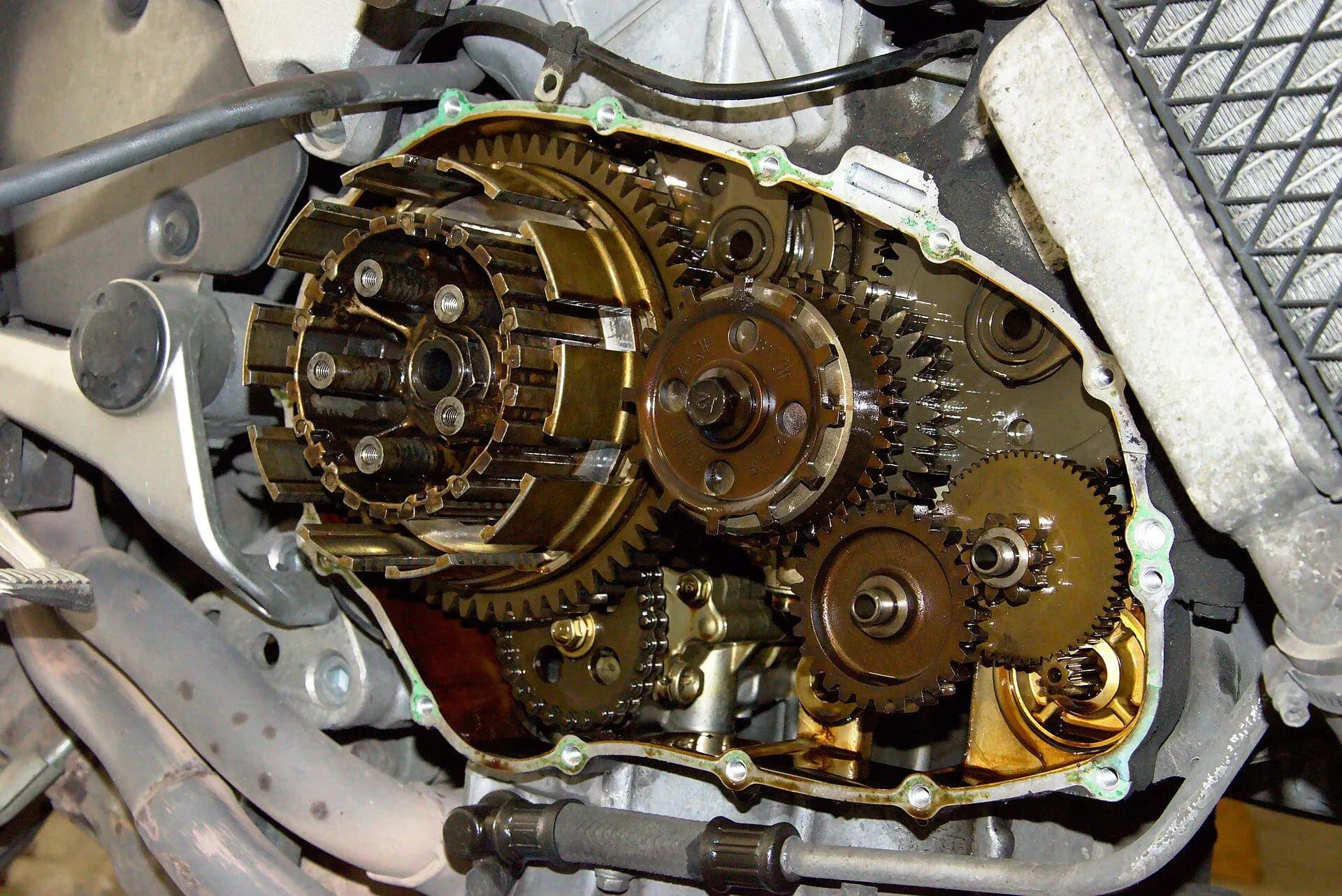
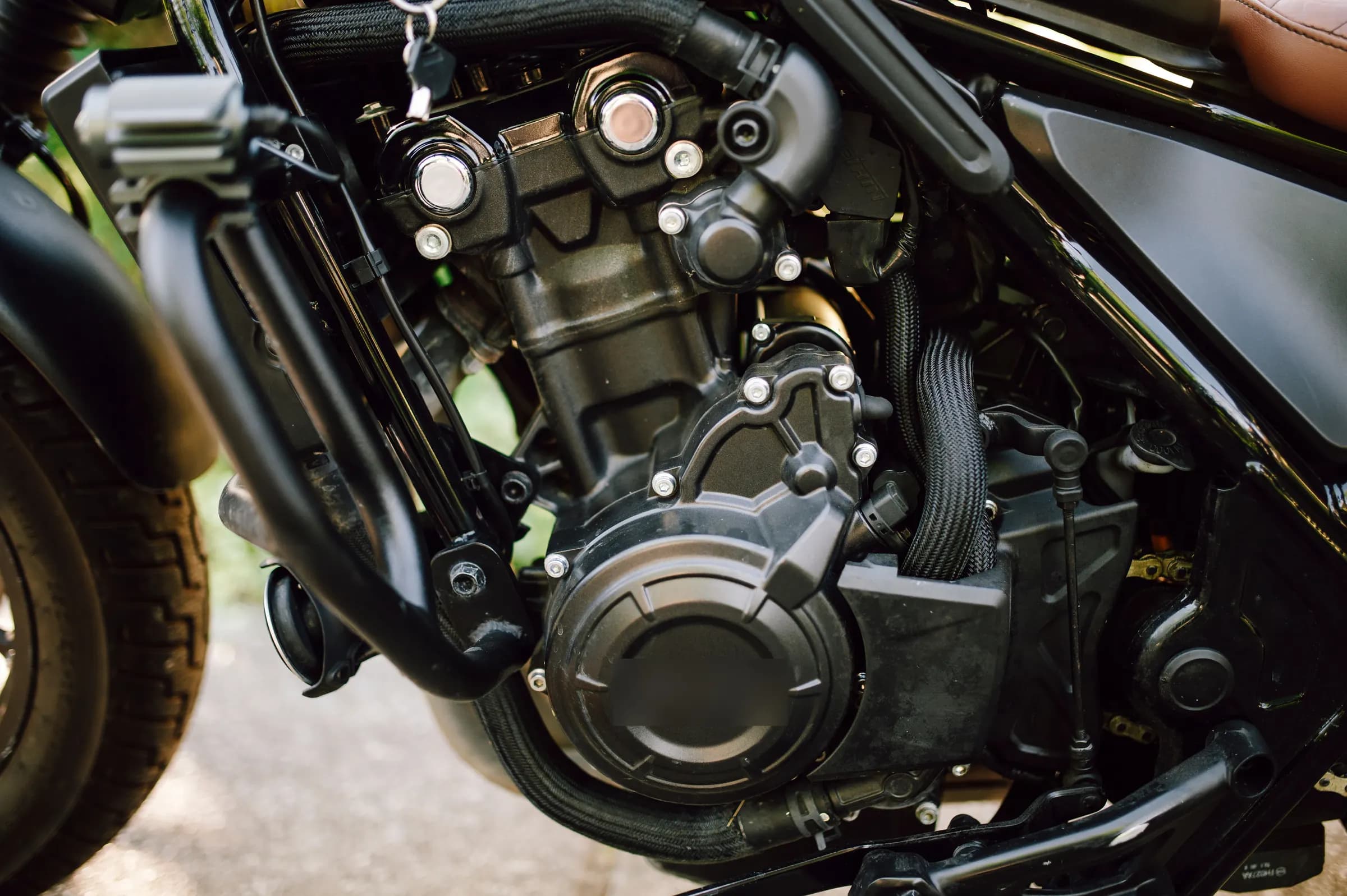
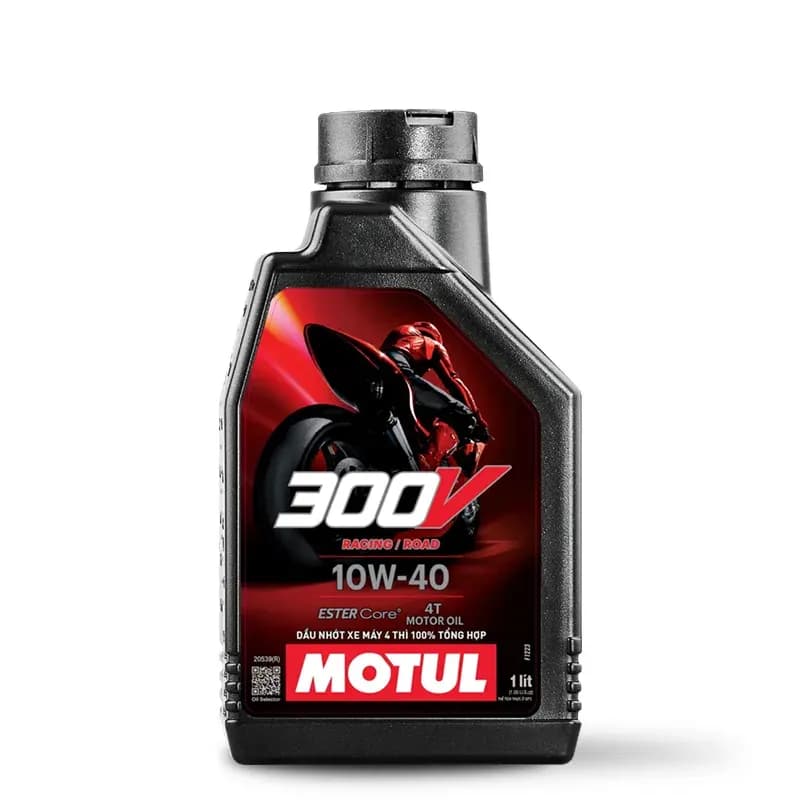
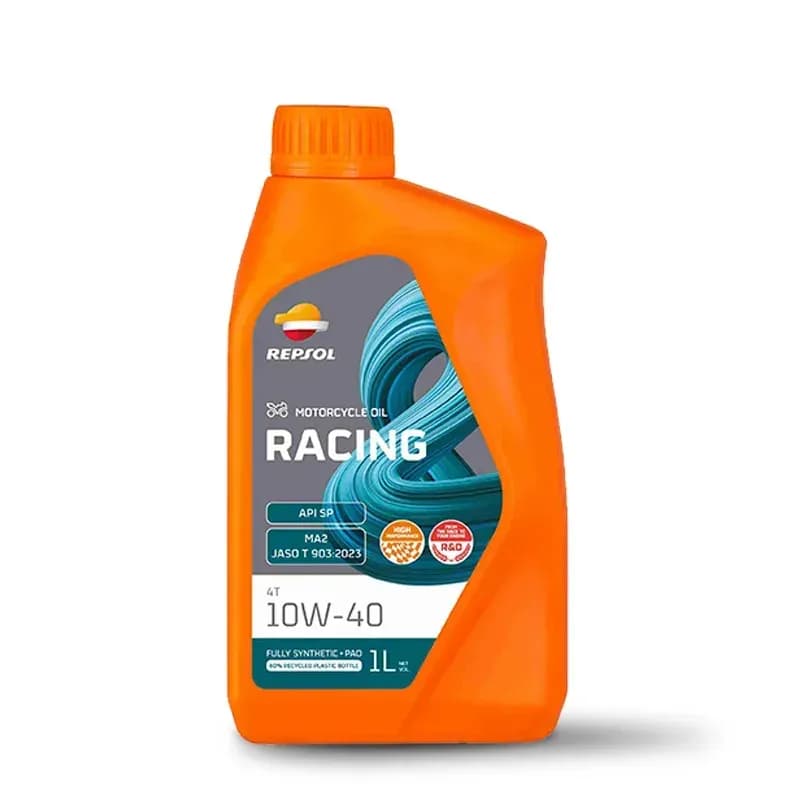
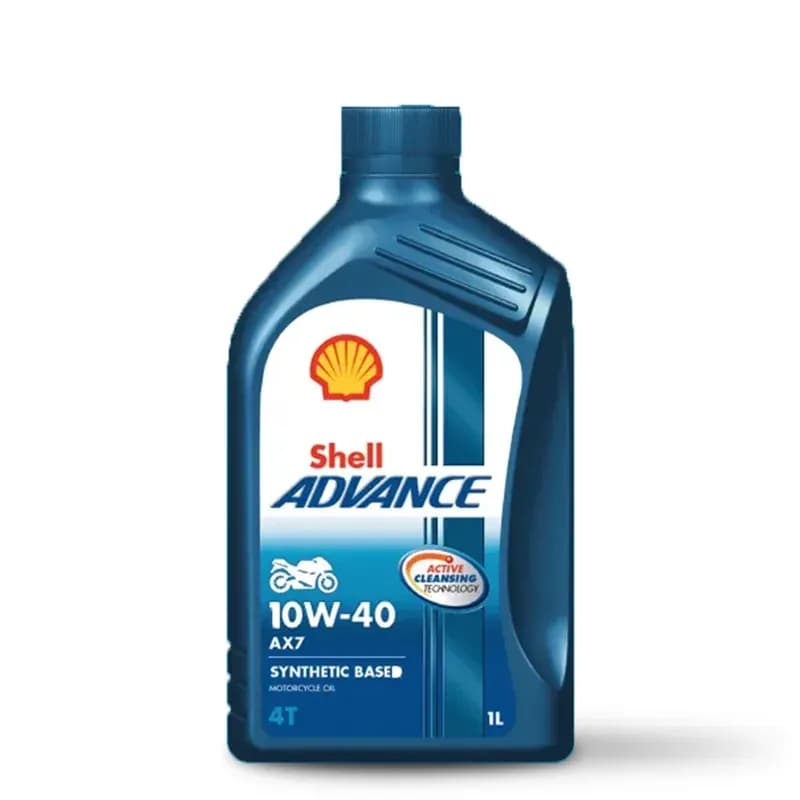
JASO's 2023 manual warns that low-viscosity, low-friction car oils may cause clutch slip and gear pitting in bikes sharing one oil. JASO T 903 also sets HTHS ≥ 2.9 mPa·s. Motul 300V 10W-40, Repsol Racing 4T 10W-40 and Shell Advance AX7 10W-40 list JASO MA2.
08
For owners
Follow the grade and specification in your manual; on European cars the ACEA class also fixes HTHS - Mobil 1 0W-40 lists ACEA A3/B4 and official approvals such as MB 229.5. Change oil on time with the reminder tool.
- Produced by
- Ung Vuong editorial team
- Content
- Ung Vuong editorial team
- Design
- Ưng Vương Web
Products in this article
 Manual motorcyclesTDS
 Manual motorcyclesTDS
 Manual motorcycles
- Mobil 1 0W‑40Image coming soon
 CarsTDS
Mobil 1 0W‑40
- SAE 0W-40
- API SP/SN PLUS
- +1
- +2