LONGFORM
TBN, oxidation and drain intervals: reading the numbers
TBN falls, TAN rises, oil thickens as it oxidises. Understanding these three processes helps you read oil analysis and judge when longer drains make sense.
By: Ung Vuong editorial teamPublished 14 Nov 202614 min read
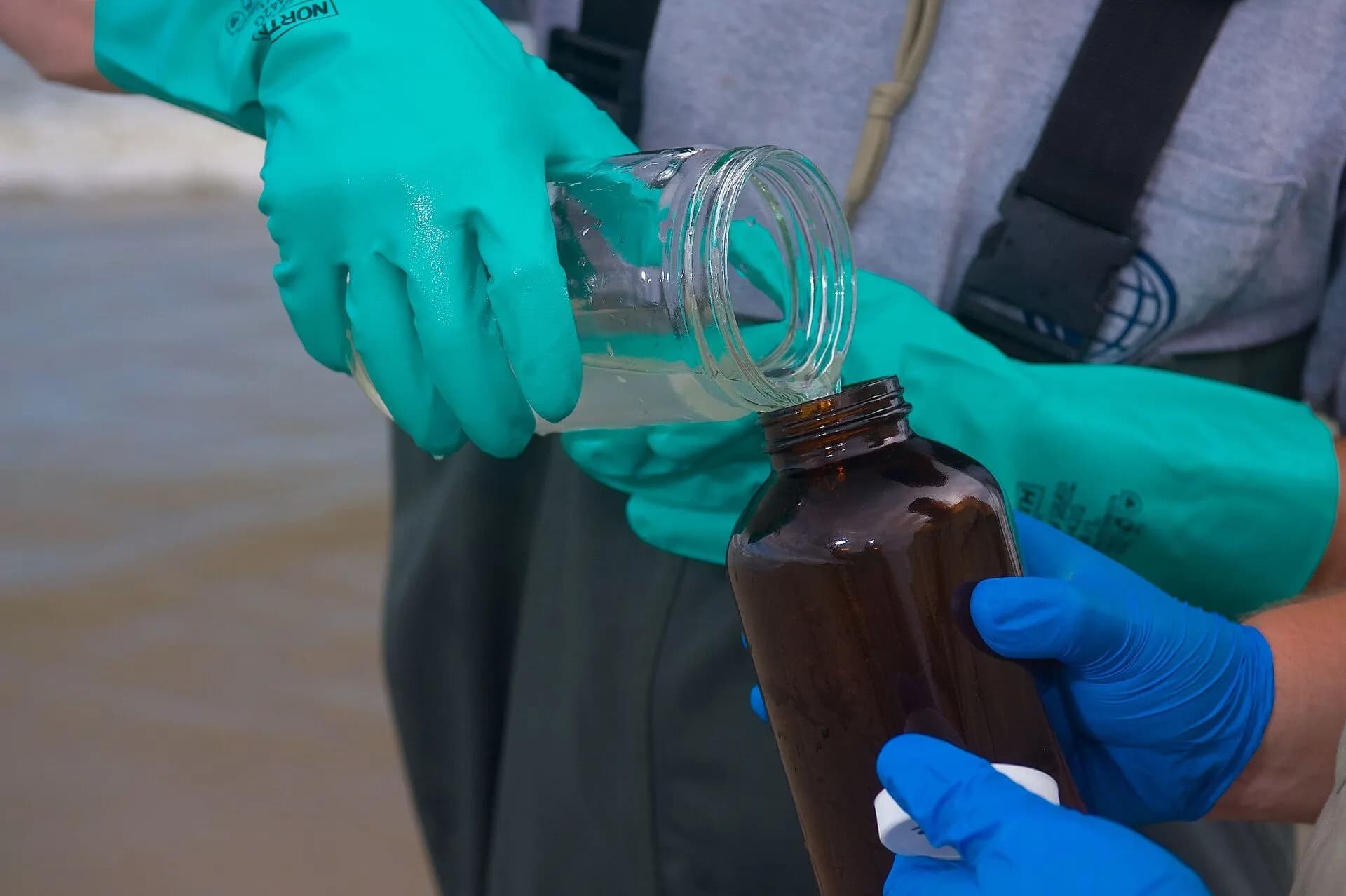
(Total Base Number, mg KOH/g) is the oil's alkaline reserve for neutralising acids. According to W. Van Dam (Chevron Oronite) in Machinery Lubrication, detergents are its main source. Chevron's David Hasch (15/12/2019) puts new heavy-duty diesel oils at roughly 6.0-13.0 mg KOH/g. For the km-versus-time question, see change by distance or by time.
01
D2896 versus D4739
| ASTM D2896 | ASTM D4739 | |
|---|---|---|
| Titrant | Perchloric acid (strong) | Hydrochloric acid (weaker) |
| Measures | Strong and weak bases | Mainly strong bases |
| Typical use | New oil, datasheets | Used-oil analysis |
| Result | Higher | Lower - up to 2 mg KOH/g |
Chevron's example: an oil rated 11.00 could read about 9.0 by D4739. Compare used-oil TBN with the same new oil measured by the same method, ideally at the same lab.
A TBN figure only means something once you know how it was measured.
02
Where the acids come from
Sulfur oxides reach the oil with blow-by and form acids with water (Spectro Scientific). Vietnam's QCVN 01:2022/BKHCN, mandatory from 15/6/2023, caps diesel sulfur at 500 mg/kg (Level 2), 350 (Level 3), 50 (Level 4) and 10 (Level 5). Chevron notes that with 15 ppm diesel and hotter engines, oxidation and soft acids now matter more than sulfur acids.
Maximum diesel sulfur under QCVN 01:2022/BKHCN
- Level 2
- 500 mg/kgLevel 2
- Level 3
- 350 mg/kgLevel 3
- Level 4
- 50 mg/kgLevel 4
- Level 5
- 10 mg/kgLevel 5
Source: QCVN 01:2022/BKHCN Table 4 (LuatVietnam); Circular 16/2022/TT-BKHCN (Caselaw.vn)

03
TAN and the crossover
POLARIS Laboratories (in Machinery Lubrication) reports that stays flat until about 50 % of TBN is gone, and the curves usually cross at 50-65 % depletion. Spectro Scientific suggests a change when TBN reaches 30 % of its starting value (50 % with high-sulfur fuel) and flags a TAN rise of 2.0.
04
Oxidation and nitration
Oxidation forms carbonyl compounds, thickens oil and leads to varnish and sludge; nitration comes from NOx. Both are measured by FTIR (ASTM E2412) in abs/cm. Noria's Arrhenius rule of thumb: every 10 °C rise doubles the oxidation rate and halves oil life.

05
How specifications test it
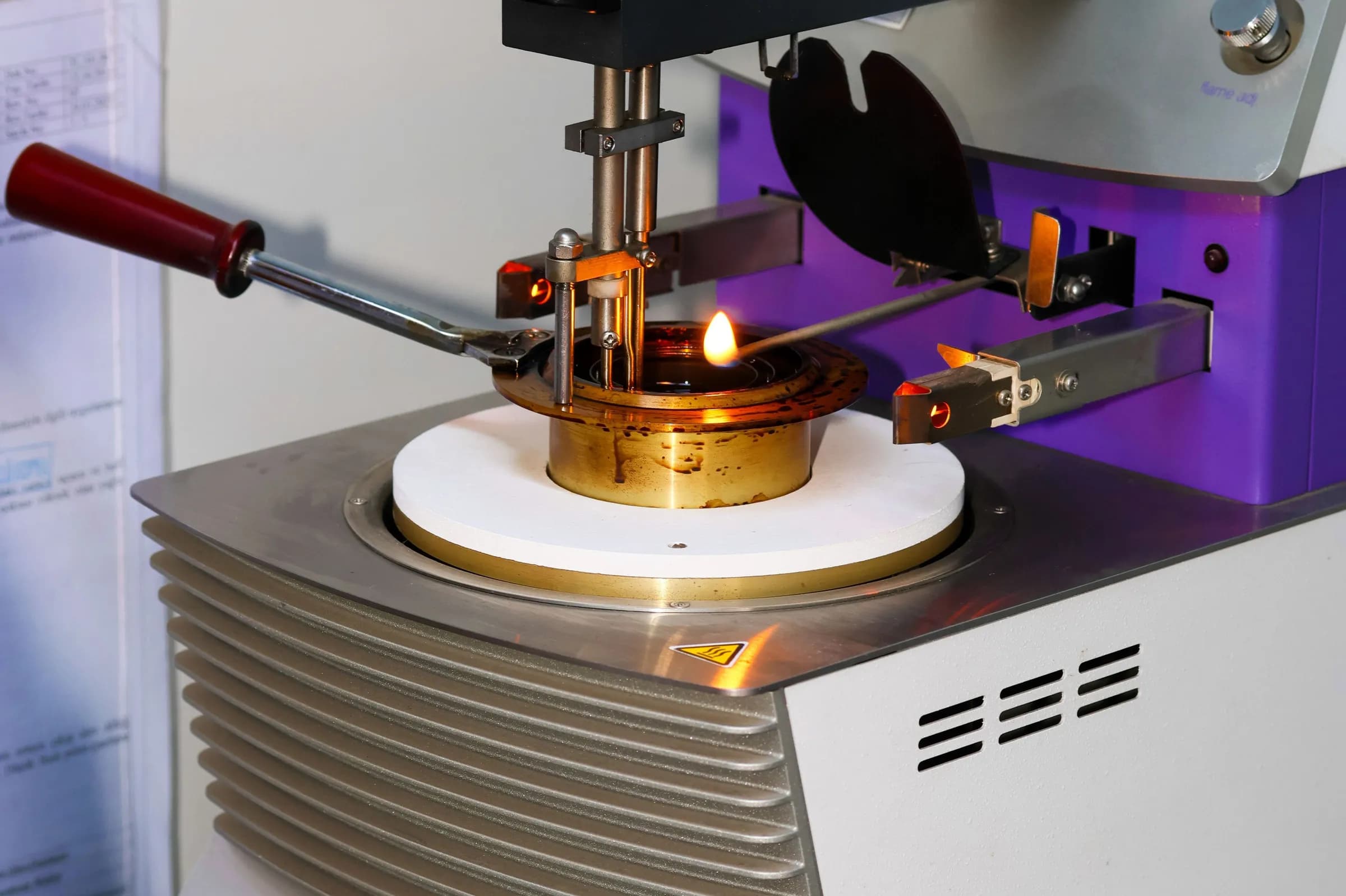
Sequence IIIH (ASTM D8111) runs a 2014 Chrysler 3.6 L V6 for 90 hours at 3,900 r/min and 151 °C oil, measuring thickening, varnish and oil consumption (Intertek); SAE paper 2015-01-2045 describes its development for GF-6. The Volvo T-13 diesel test, adopted for API CK-4/FA-4 (Lube Report, 24/8/2016), runs 360 hours at 130 °C. Repsol DXR Eco 15W-40 and Mobil Delvac Modern 15W-40 list API CK-4.
06
Longer drains need data
- Follow the engine maker's recommendation for your fuel and duty.
- Sample the same way, to the same lab, with a new-oil baseline.
- Read TBN, TAN, viscosity, oxidation, wear metals, fuel and water together.
- Set a [reminder](/en/tools/oil-change-reminder) for each sampling point.
Extending a drain interval is a decision based on data, not on the label.
- Produced by
- Ung Vuong editorial team
- Content
- Ung Vuong editorial team
- Design
- Ưng Vương Web
Products in this article
 TrucksTDS
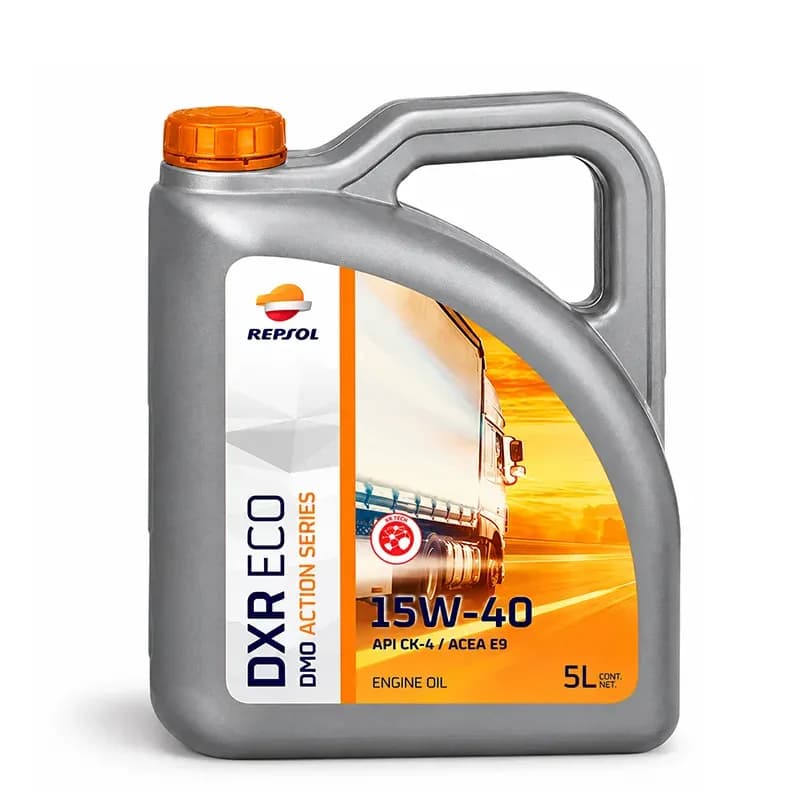
REPSOL DXR ECO SAE 15W‑40
- SAE 15W-40
- API CK-4
- +1
- +2
- Mobil Delvac Modern 15W‑40 Full ProtectionImage coming soon
 TrucksTDS
Mobil Delvac Modern 15W‑40 Full Protection
- SAE 15W-40
- API CK-4/CJ-4
- +2
- +3
 Cars
 Cars