LONGFORM
Crankcase ventilation (PCV) and fuel in the oil
Blow-by carries water, acids and unburnt fuel into the crankcase. How the PCV system deals with it, and what owners should watch for.
By: Ung Vuong editorial teamPublished 14 Nov 202612 min read
Blow-by is combustion gas that slips past the piston rings - and, per Spectro Scientific, valve guides and turbo seals - carrying soot, water, acids and partly burnt fuel. It rises with load and boost. Unvented, it pressurises the crankcase, pushes oil past seals and condenses into sludge. Hybrid owners should also read hybrids and engine oil.
01
From road draught tube to PCV
- 1940s
PCV built for tank engines to ford deep water.
- 1961
California requires PCV on all new cars - the first vehicle emission control device.
- 1963
Most new US cars fitted with PCV voluntarily.
- 1966
California sets the first US tailpipe standards.
- 1967
CARB created on 30/8/1967.
- 1970
Clean Air Act demands a 90 % cut in new-car emissions by 1975.
EPA records that a typical new car in the early 1950s emitted nearly 13 g/mile of hydrocarbons, 3.6 g/mile of NOx and 87 g/mile of CO.
PCV was the first emission control device on cars - it came before the catalytic converter.
02
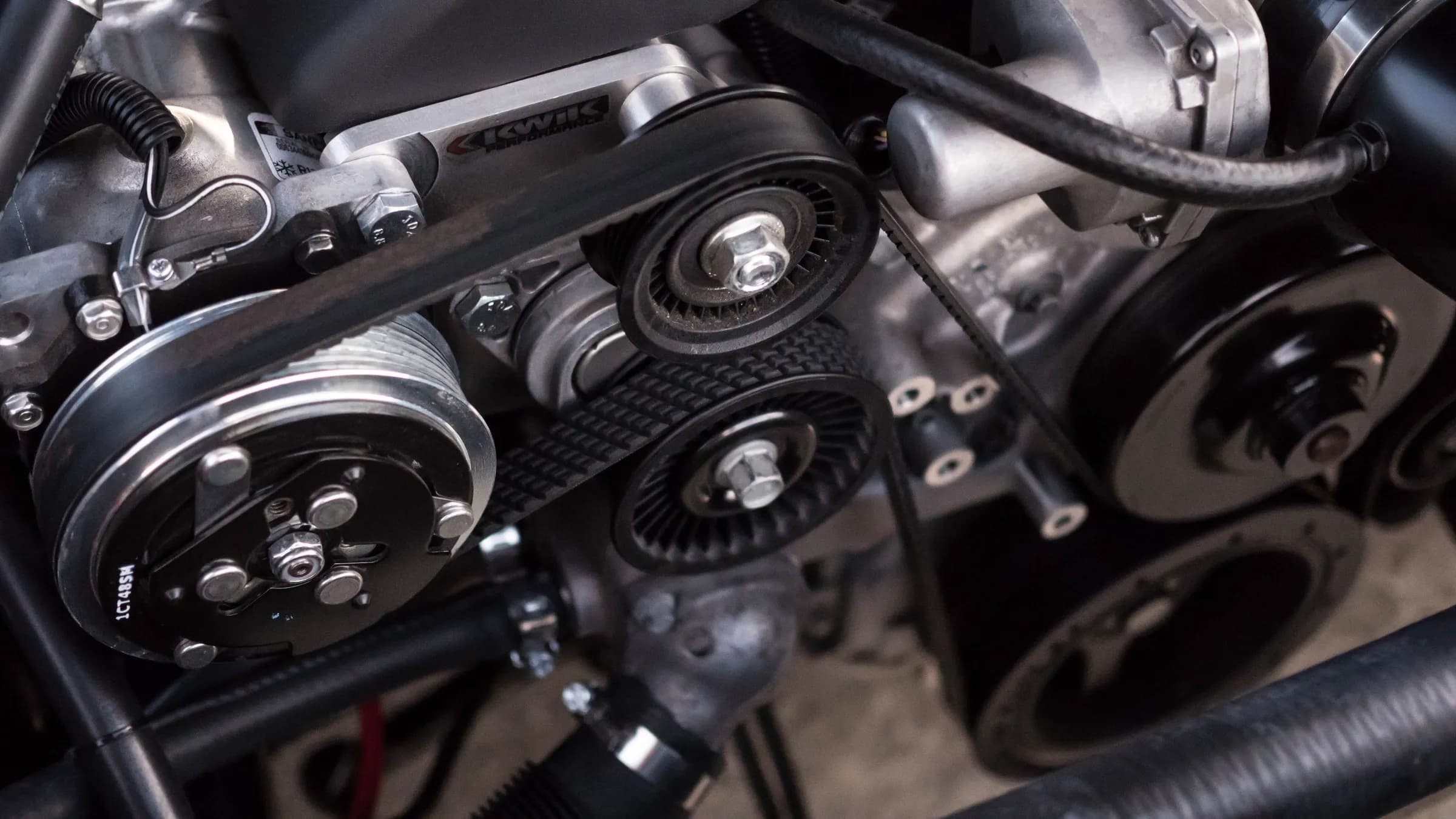
How the valve works
| Engine state | Intake vacuum | PCV valve |
|---|---|---|
| Idle | High | Nearly closed to avoid a lean mixture |
| Load, high rpm | Lower | Opens wider |
| On boost | Positive pressure | Check valve closes to protect the crankcase |
Direct-injection petrol engines lose the valve-washing effect of port injection and are prone to intake-valve carbon; Toyota's D-4S (2GR-FSE, 2005) adds a port injector per cylinder.
03
Water, short trips and fuel dilution
Trips under about 15 km may not heat the oil long enough to drive off water and fuel. Spectro Scientific lists faulty injectors, clogged air filters, fuel-system leaks, long idling and stop-go driving as causes of fuel dilution, which thins the oil and can cause severe wear. Diesel regeneration by late in-cylinder injection suits long runs - see low-SAPS oils and DPF/GPF.
Reference points
- typical fuel in oil (Spectro)
- < 2 %typical fuel in oil (Spectro)
- fuel dilution problem (Spectro)
- > 5 %fuel dilution problem (Spectro)
- Petroleum Technologies Group limit (STLE TLT)
- 2-3 %Petroleum Technologies Group limit (STLE TLT)
- viscosity change to act on (Lubrication Engineers)
- 10-12 %viscosity change to act on (Lubrication Engineers)
Source: Spectro Scientific (accessed 15/11/2026); STLE TLT 05/2012
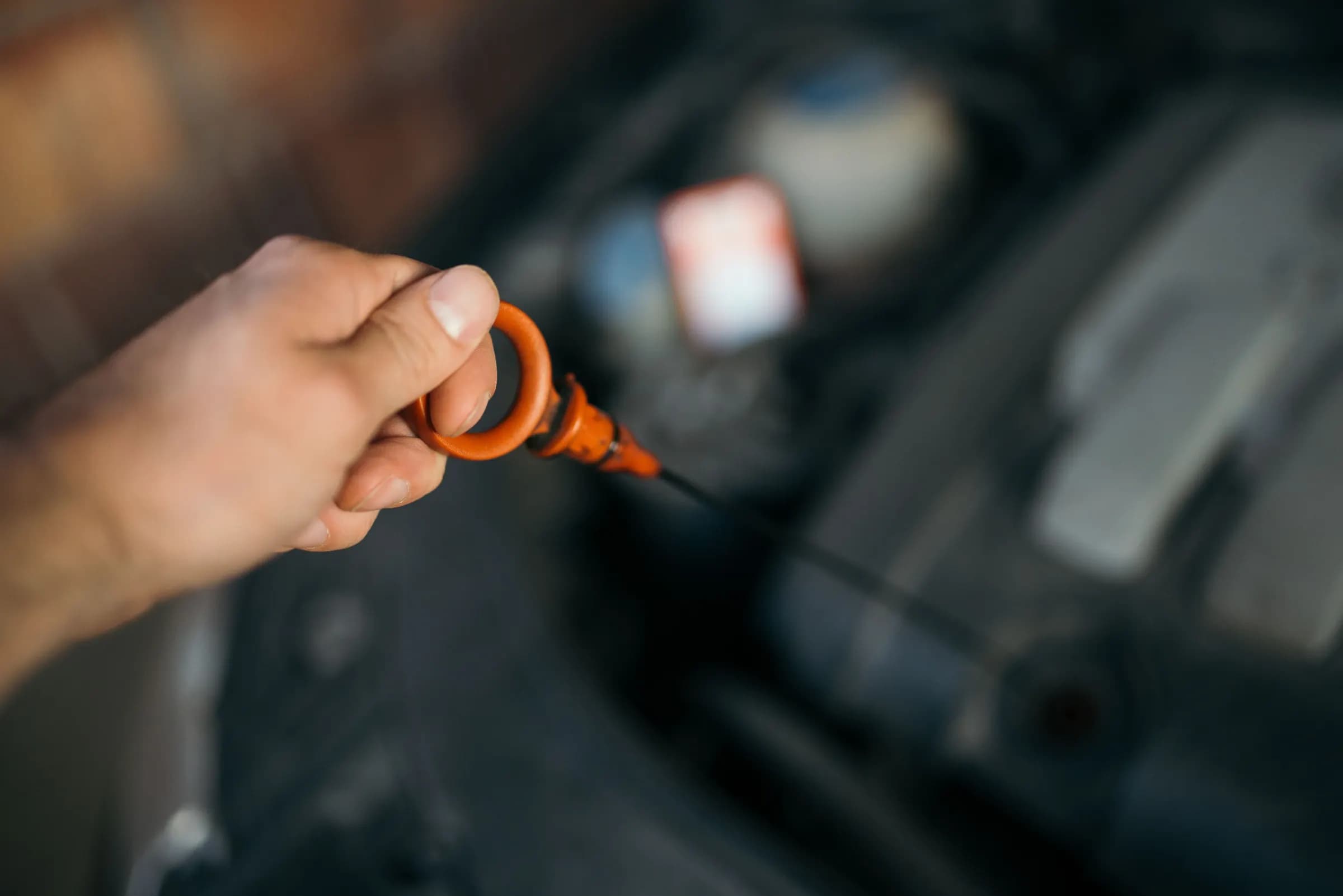
An oil level that rises without topping up is never good news.
04
What to check
- A level that creeps up between changes, or a fuel smell on the dipstick: have the oil analysed.
- Heavy, recurring mayonnaise plus coolant loss: check the head gasket - glycol can be up to 10 times more harmful than water (Spectro).
- Mostly short trips: use the manual's severe-service schedule and set a [reminder](/en/tools/oil-change-reminder).
- Use the grade and API class your manual lists, e.g. [Pennzoil Ultra Platinum 5W-30](/en/products/pennzoil-ultra-platinum-5w-30) (API SQ, ILSAC GF-7A).
- Produced by
- Ung Vuong editorial team
- Content
- Ung Vuong editorial team
- Design
- Ưng Vương Web
Products in this article
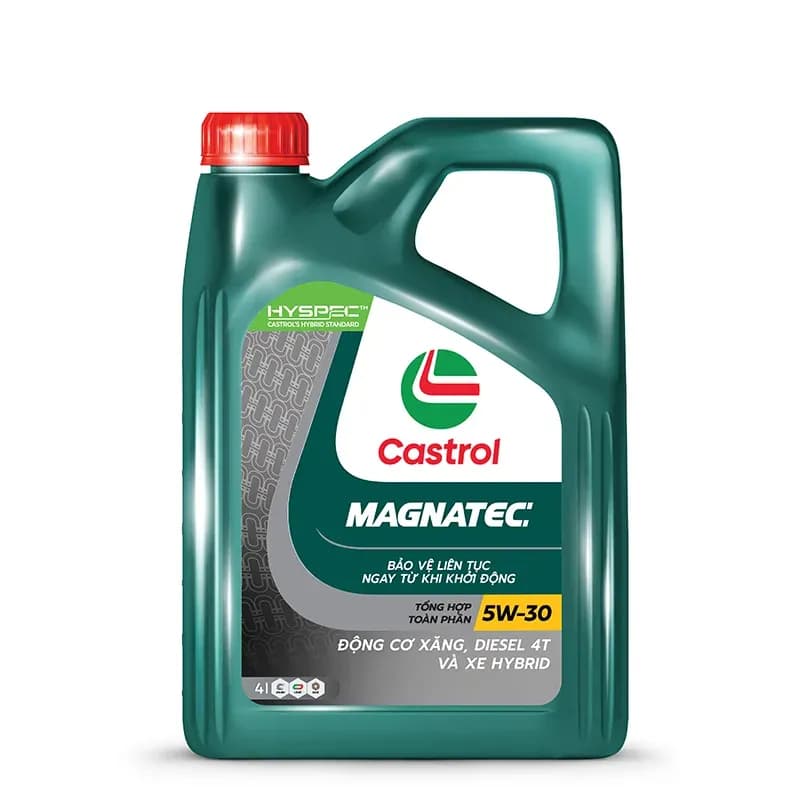
 CarsTDS
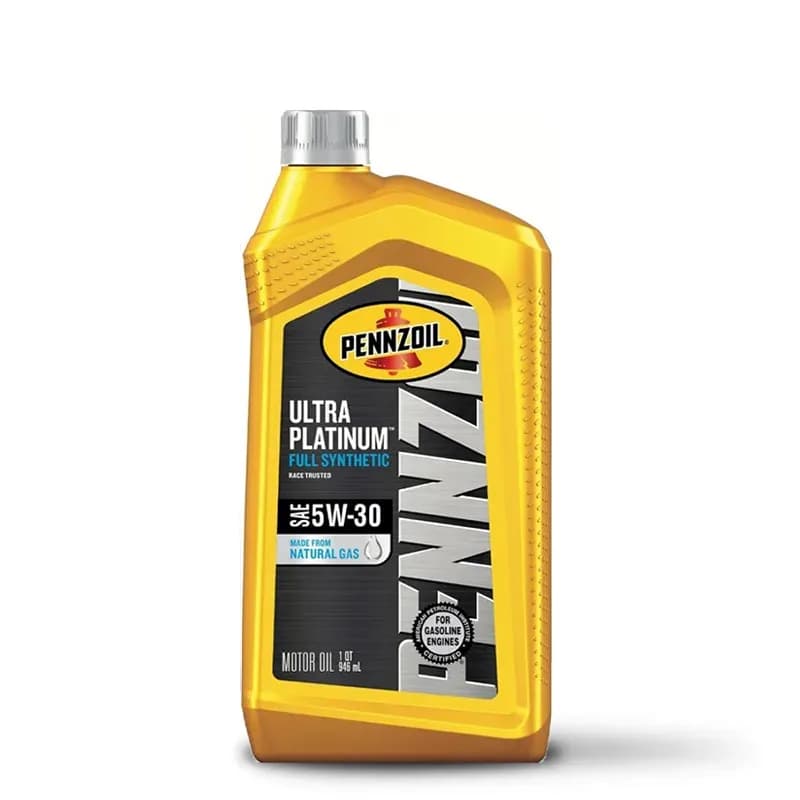
 CarsTDS
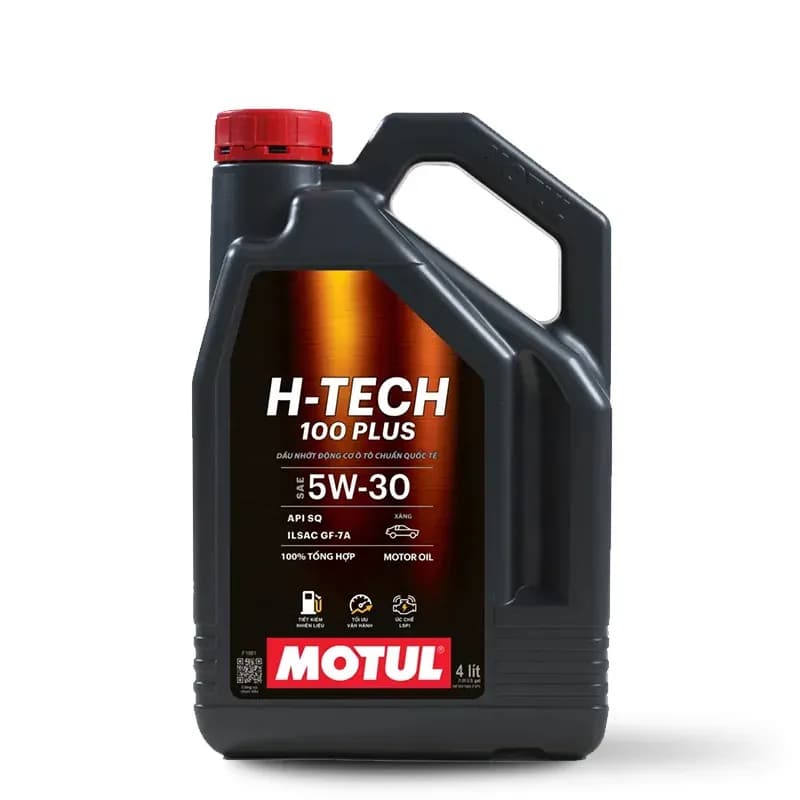
 CarsTDS
 Cars