LONGFORM
ZDDP: the anti-wear additive and phosphorus limits
Why an additive patented in 1941 is still in almost every engine oil - and why the standards cap its phosphorus so tightly.
By: Ung Vuong editorial teamPublished 14 Nov 202612 min read

Zinc dialkyldithiophosphate () is cheap, multifunctional and older than most of today's drivers. It is also the reason API, ILSAC and JASO set both upper and lower limits on phosphorus.
01
An accidental success
According to STLE's TLT (01/2022), Lubrizol was granted the first ZDDP engine-oil patent in 1941, with American Cyanamid and Union Oil following in 1944 - for corrosion and oxidation control. TLT (05/2005) notes ZDDP was used only as an antioxidant until the late 1940s; Exxon filed the first anti-wear patent in November 1954. In 2005 the US used about 30 million pounds a year, almost 90 % of it in car and light-truck oils.
02
A glass film tens of nanometres thick
Professor Hugh Spikes, quoted in TLT 2005, describes a zinc-phosphate glass 10-20 nm thick that self-regulates and re-forms as it wears. It is excellent against wear but raises friction, so modern oils pair it with friction modifiers such as MoDTC. Secondary-alkyl ZDDPs form films quickly; more thermally stable types suit service-fill oils (TLT 01/2022).
03
Why phosphorus is capped
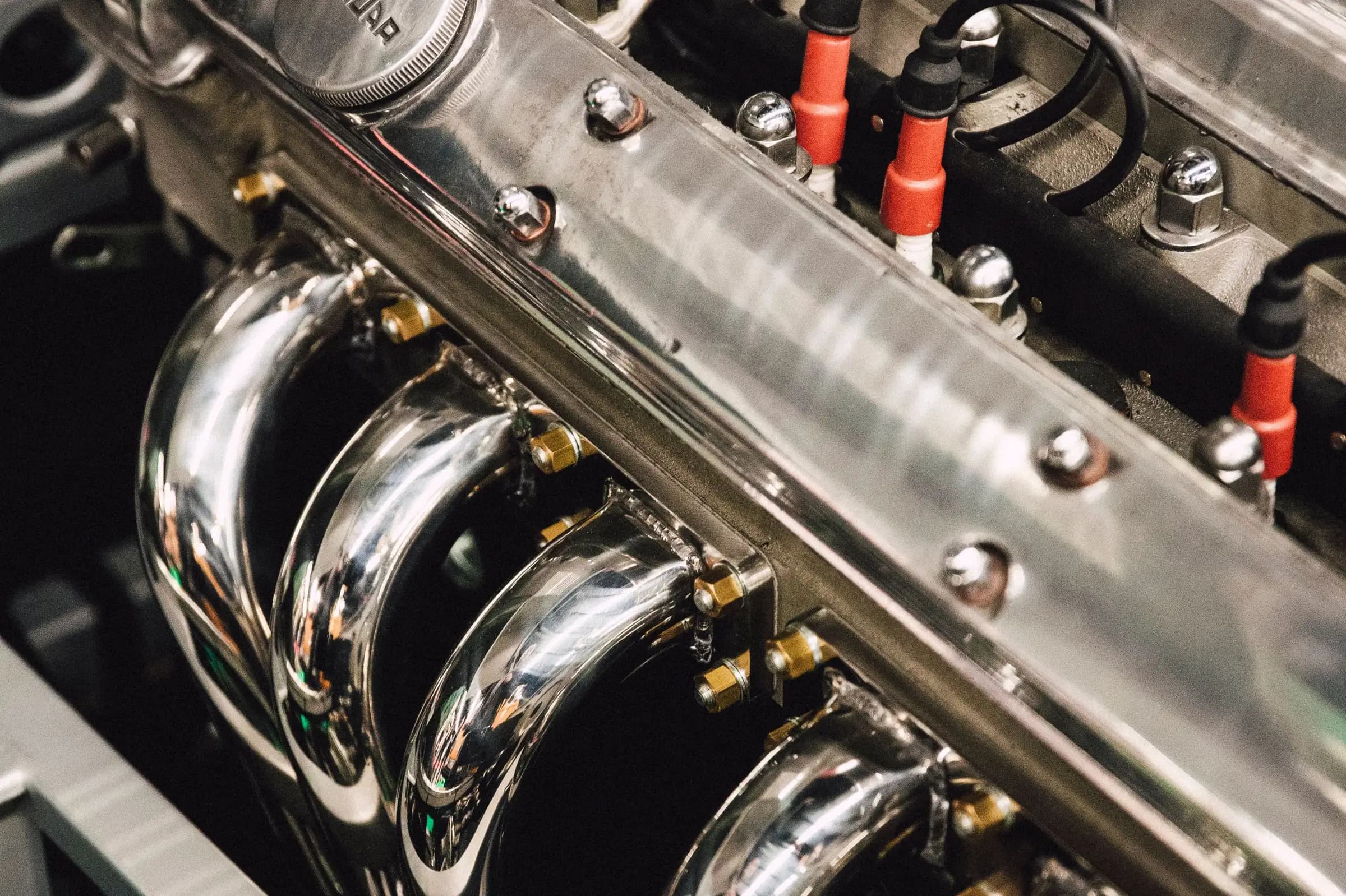
Some ZDDP volatilises, travels with the exhaust and coats platinum or palladium in the catalyst (TLT 2005). Standards therefore limit phosphorus content and require phosphorus retention after the Sequence IIIH engine test.
| Category | Phosphorus (mass %) | Retention | Note |
|---|---|---|---|
| API SJ, SL | 0.10 max | - | Infineum tables |
| API SM / GF-4 | 0.06-0.08 | - | minimum added with GF-4 (2004) |
| API SP-RC / GF-6 | 0.06-0.08 | ≥ 81 % (IIIHB) | no max for non-ILSAC grades of SP |
| API SQ-RC / GF-7 | 0.06-0.08 | ≥ 81 % (IIIHB) | sulfated ash 0.9 % max |
| JASO T 903:2023 | 0.08-0.10 | - | sulfated ash 1.2 % max |
GF-7 keeps the phosphorus and sulfur limits and adds a 0.9 % sulfated-ash cap; first allowable use was 31/3/2025 (Infineum, 5/11/2024). See low-SAPS oils and particulate filters.
04
Proving wear protection
Sequence IVB limits
- 01≤ 2.7 mm³intake lifter wear - GF-6, API SP, ACEA A7/B7, C6
- 02≤ 3.3 mm³intake lifter wear - ACEA A3/B4, A5/B5, C2-C5
- 03≤ 400 ppmend-of-test iron
- 04200 hon a 1.5-litre Toyota 2NR-FE
Source: Intertek - Sequence IVB (ASTM D8350); Infineum - API engine oil classifications
Phosphorus is a budget: how much goes to wear protection, how much may escape to the tailpipe.
05
Classic engines and motorcycles
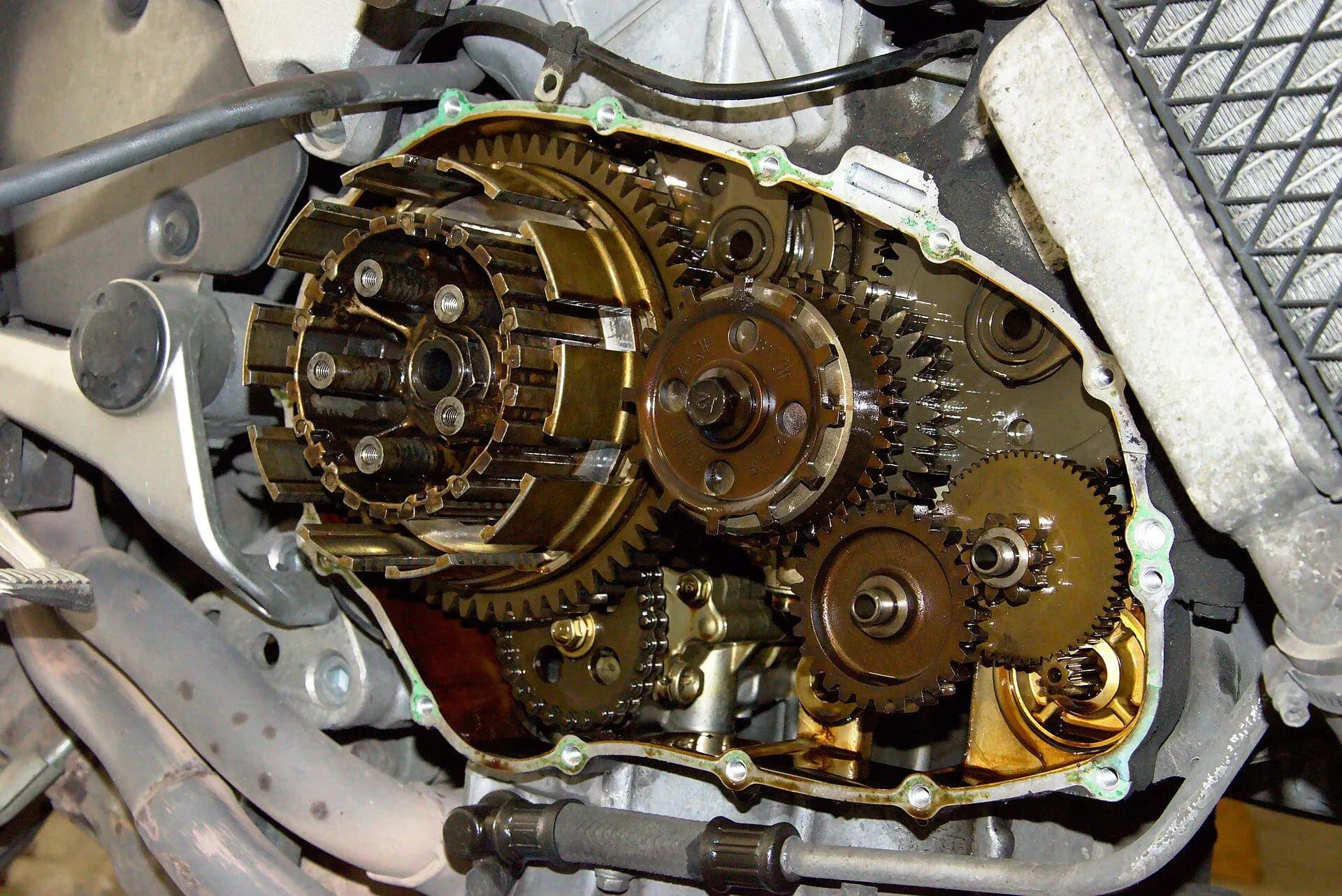
Lubes'n'Greases (25/4/2014) reports the flat-tappet debate: restorers worry, while former GM engineer Bob Olree says broken-in older engines do not need more ZDDP than modern oils, and points to cam quality and break-in for most failures. New flat-tappet cams are a special case - follow the cam maker's break-in advice.
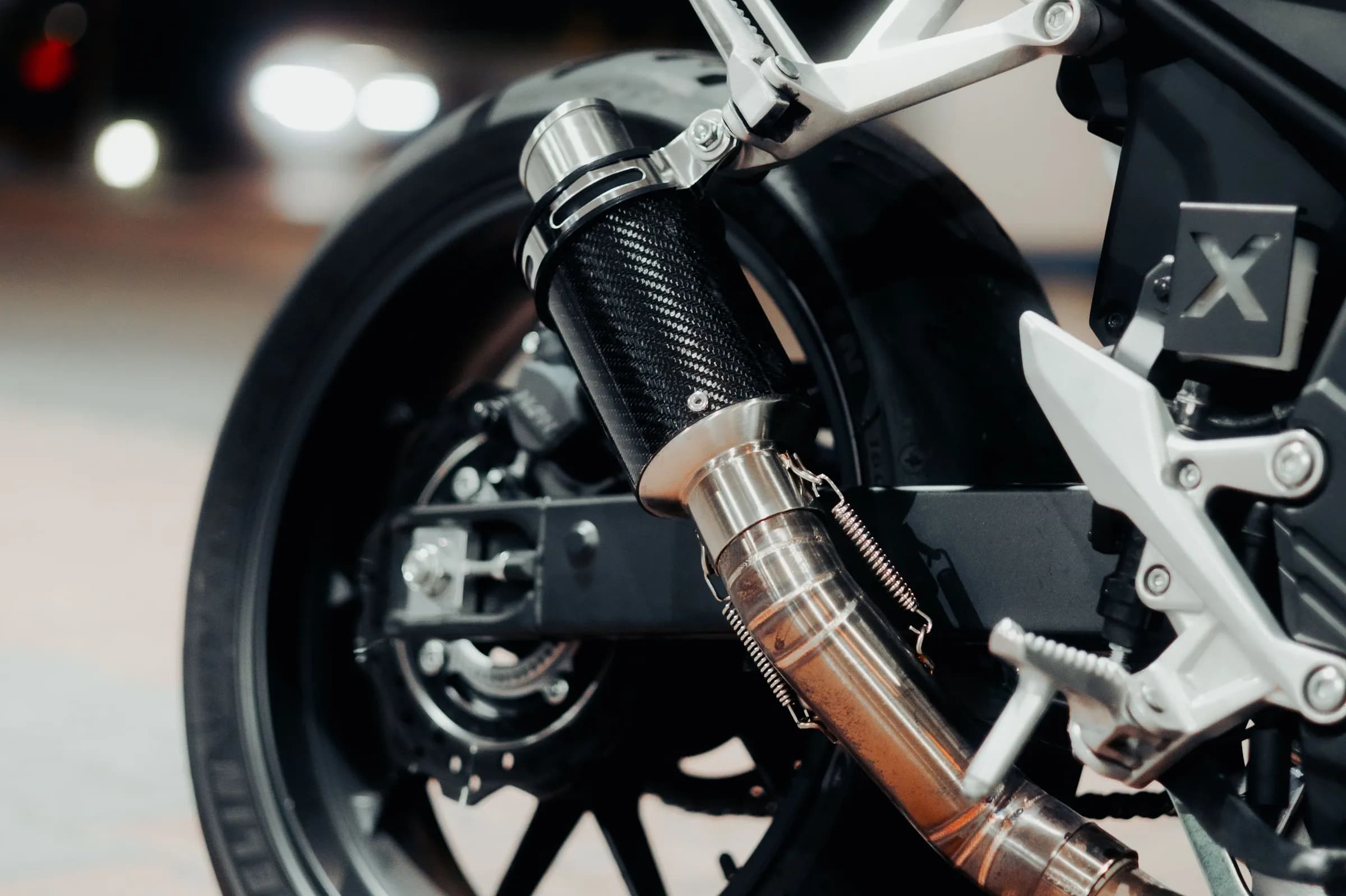
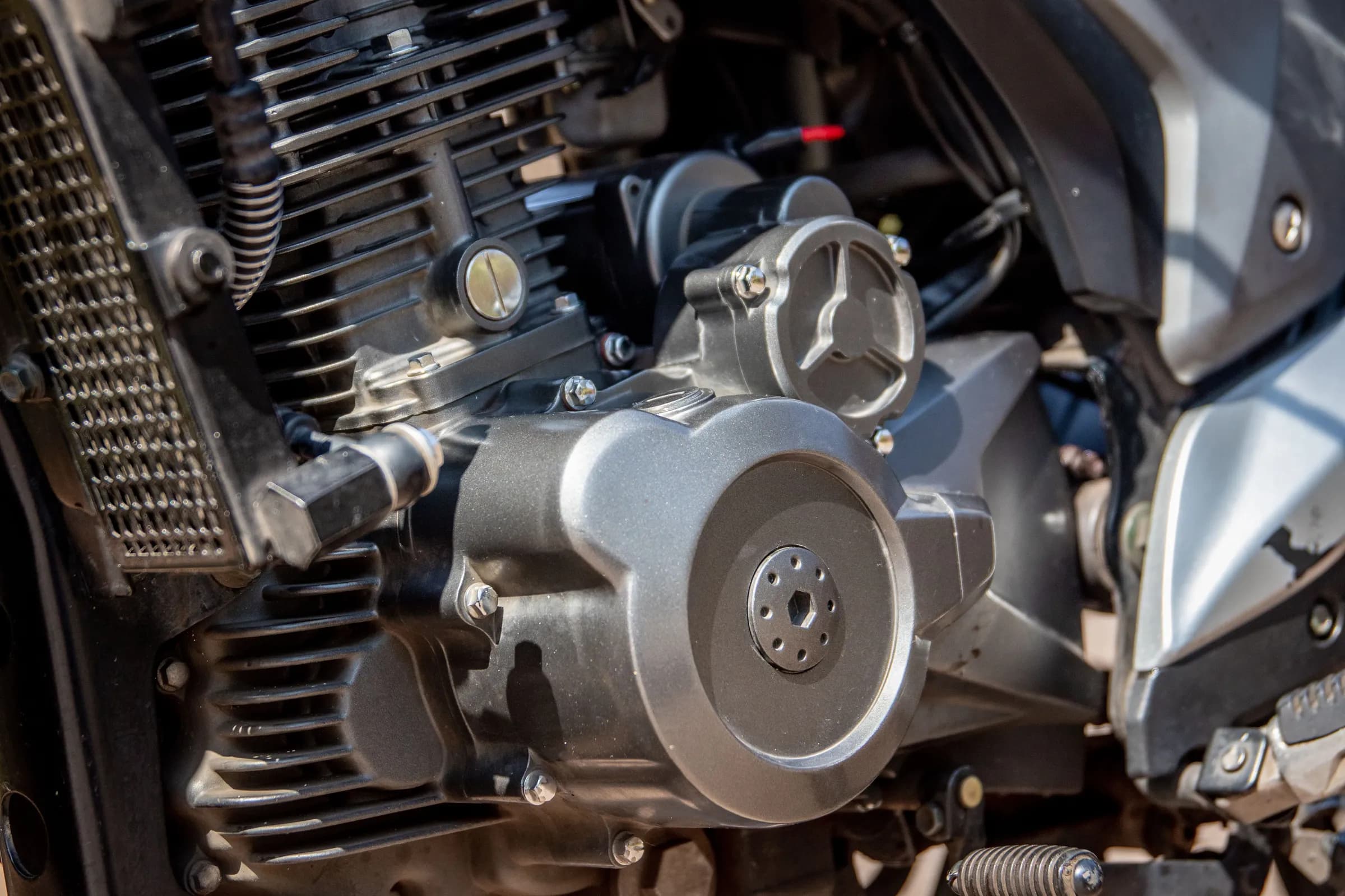
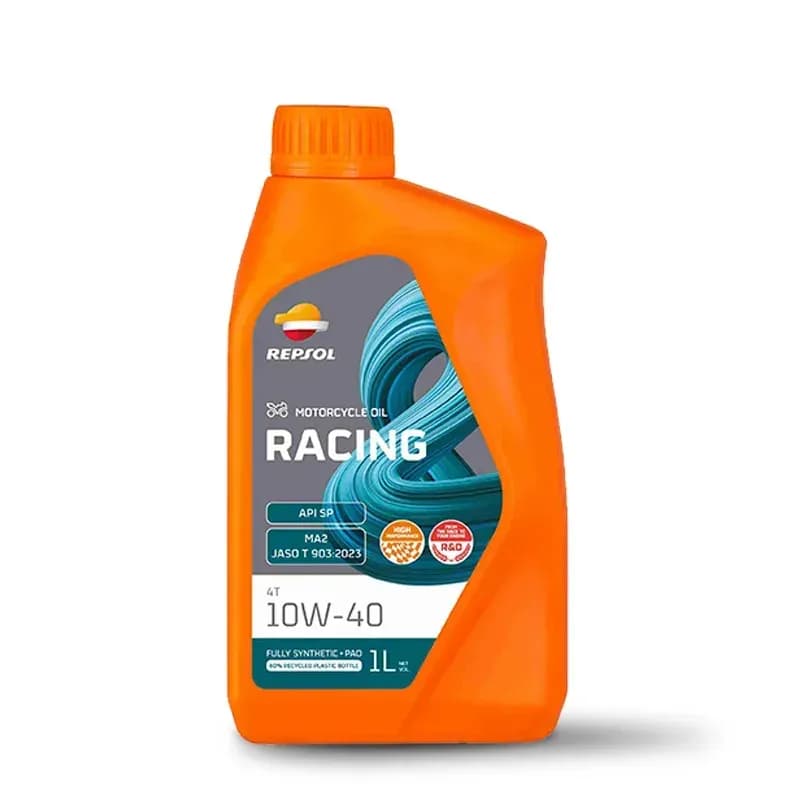
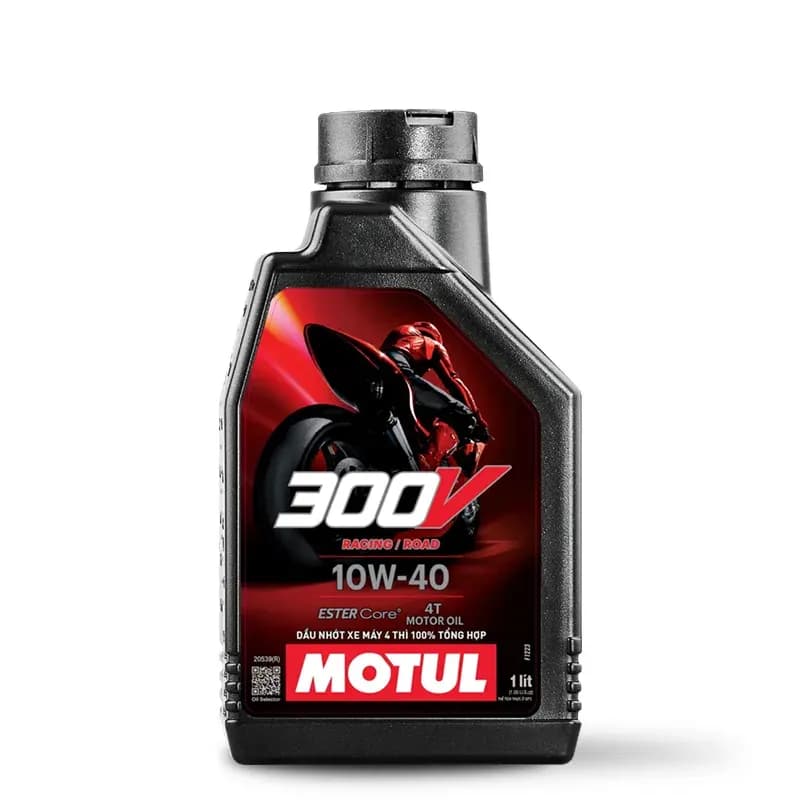
JASO T 903:2023 (manual, 05/2023) sets phosphorus at 0.08-0.10 %, at 1.2 % max and excludes “RC” API versions, protecting wet clutches. Licensing began on 1/10/2023. Examples: Repsol Racing 4T 10W-40 (API SP, JASO MA2) and Motul 300V 10W-40 (API SN, JASO MA2).
- Use the grade your manual specifies.
- Do not add aftermarket zinc to a certified oil - it is no longer the tested formula.
- Check phosphorus in the TDS, not in advertising.
- Produced by
- Ung Vuong editorial team
- Content
- Ung Vuong editorial team
- Design
- Ưng Vương Web
Products in this article
 Manual motorcyclesTDS
 Manual motorcyclesTDS
 CarsTDS
- Mobil 1 ESP 5W‑30Image coming soon
 CarsTDS
Mobil 1 ESP 5W‑30
- SAE 5W-30
- API SP/SN PLUS
- +1
- +2