STORY
North-south by truck: the oil-check stops
A cross-country truck run told through its stops: what to check, when, and why the maker's manual is the reference.
By: Ung Vuong editorial teamPublished 13 Nov 20265 min read

Before departure. The truck stands on level ground with a cold engine: the most accurate moment to read the dipstick - unless the maker's manual says to check it warm.
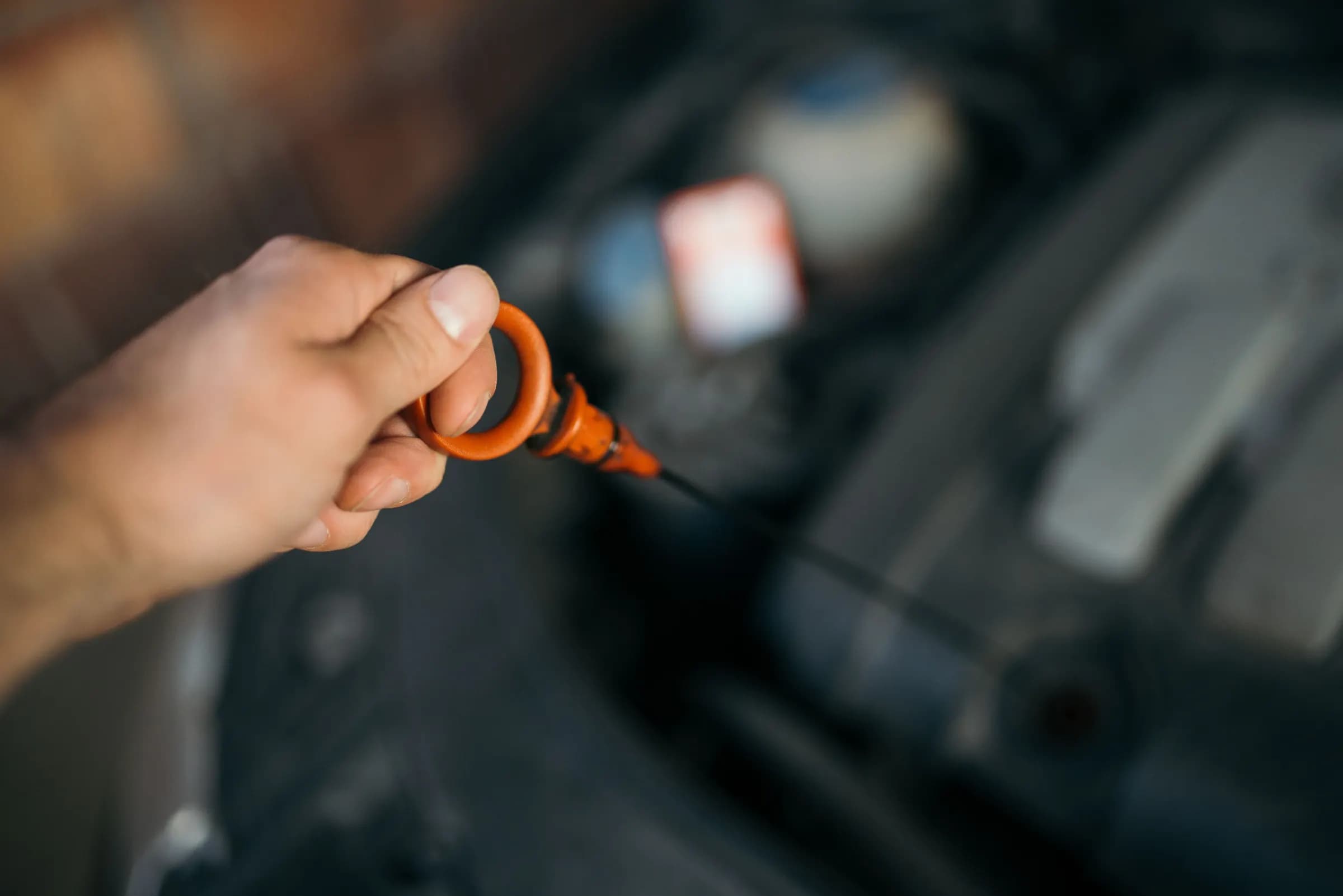
Pull, wipe, reinsert fully, pull again and read. Between the two marks is fine. If low, top up with the same oil, never above the upper mark.
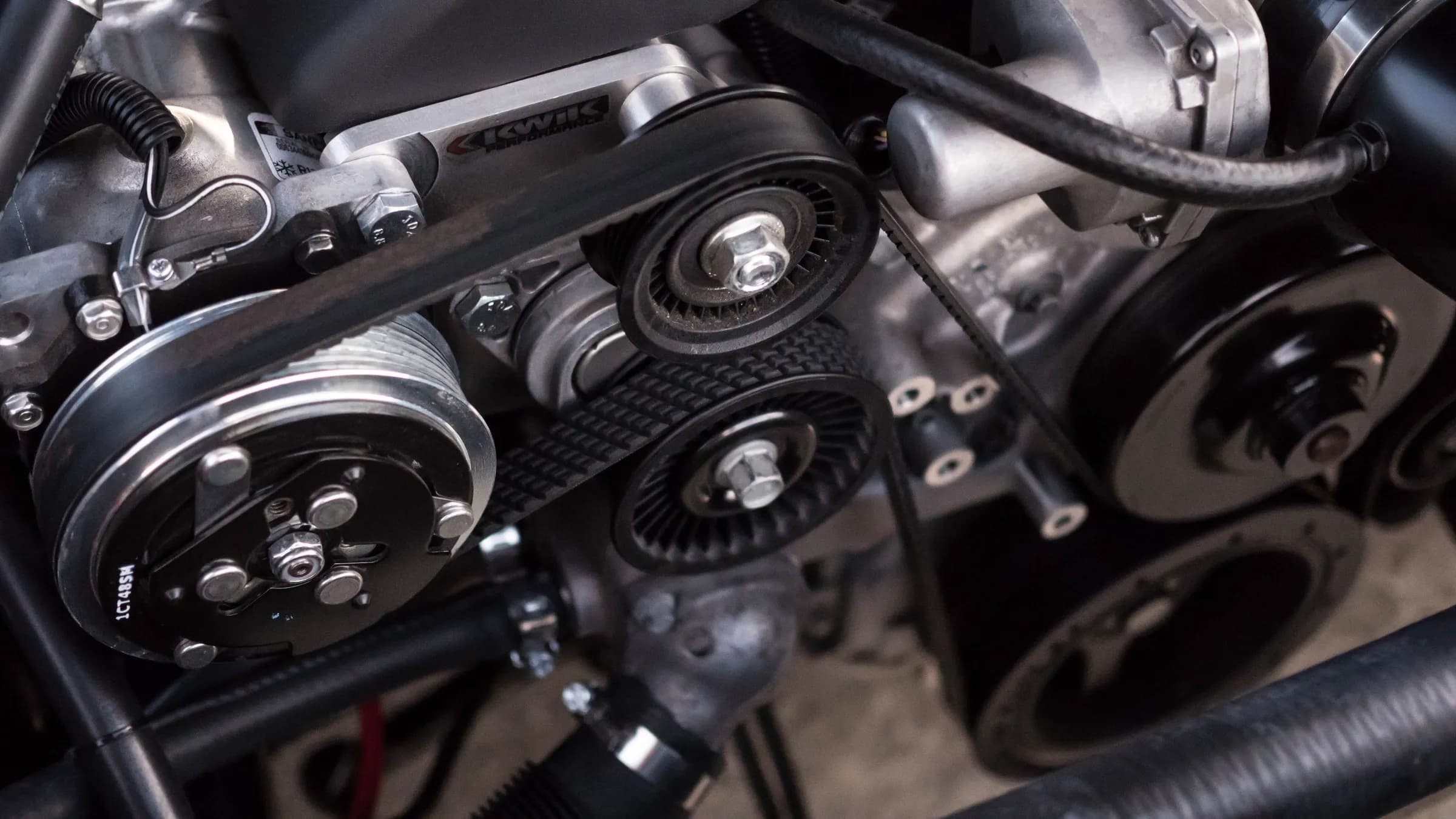
At the same time: coolant in the expansion tank (open only when cold), power-steering fluid, clutch fluid if fitted. Each has its own marks and its own fluid.
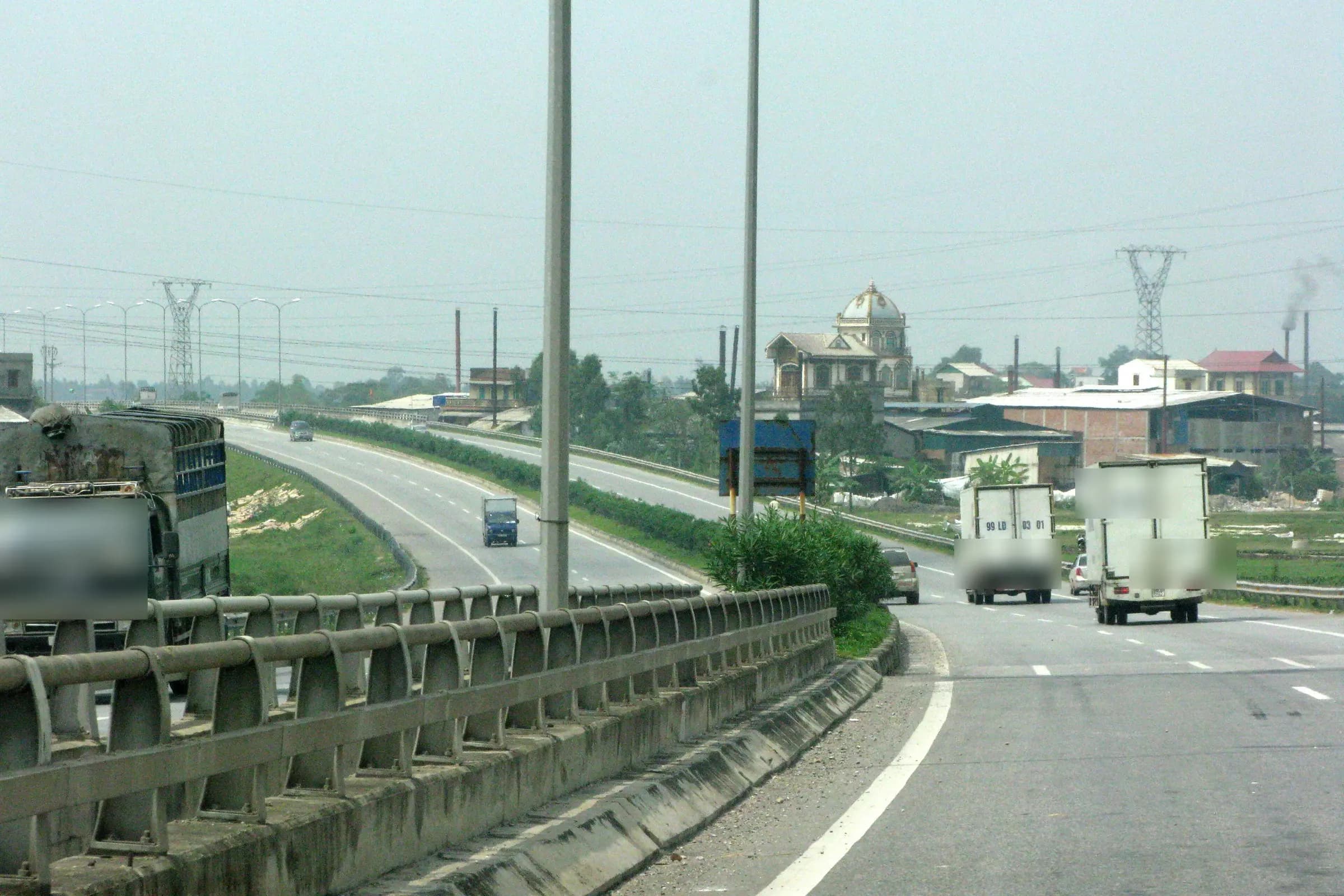
Onto the highway. The first hours are for watching the gauges: oil pressure, coolant temperature, warning lights. An oil-pressure light means stop safely, now.

Midday in central Vietnam, the road shimmers. The diesel works hard; the oil lubricates and carries heat at once. Unusually high coolant temperature means ease off and find a place to stop.

Rest stop. Five minutes walking round the truck: drips underneath, leaks at joints, tyres, lights. A fresh oil stain under the truck needs attention.

Before a long pass: recheck coolant and oil. On long descents, use the engine or auxiliary brake as the maker advises so the service brakes don't overheat.

A coastal stretch with salt in the wind. Washing the underside afterwards, when you can, helps limit corrosion at joints and fittings.

Heavy rain, flooded road. If you must cross, go slowly and steadily. Afterwards, milky oil on the dipstick means water got in - don't keep driving.
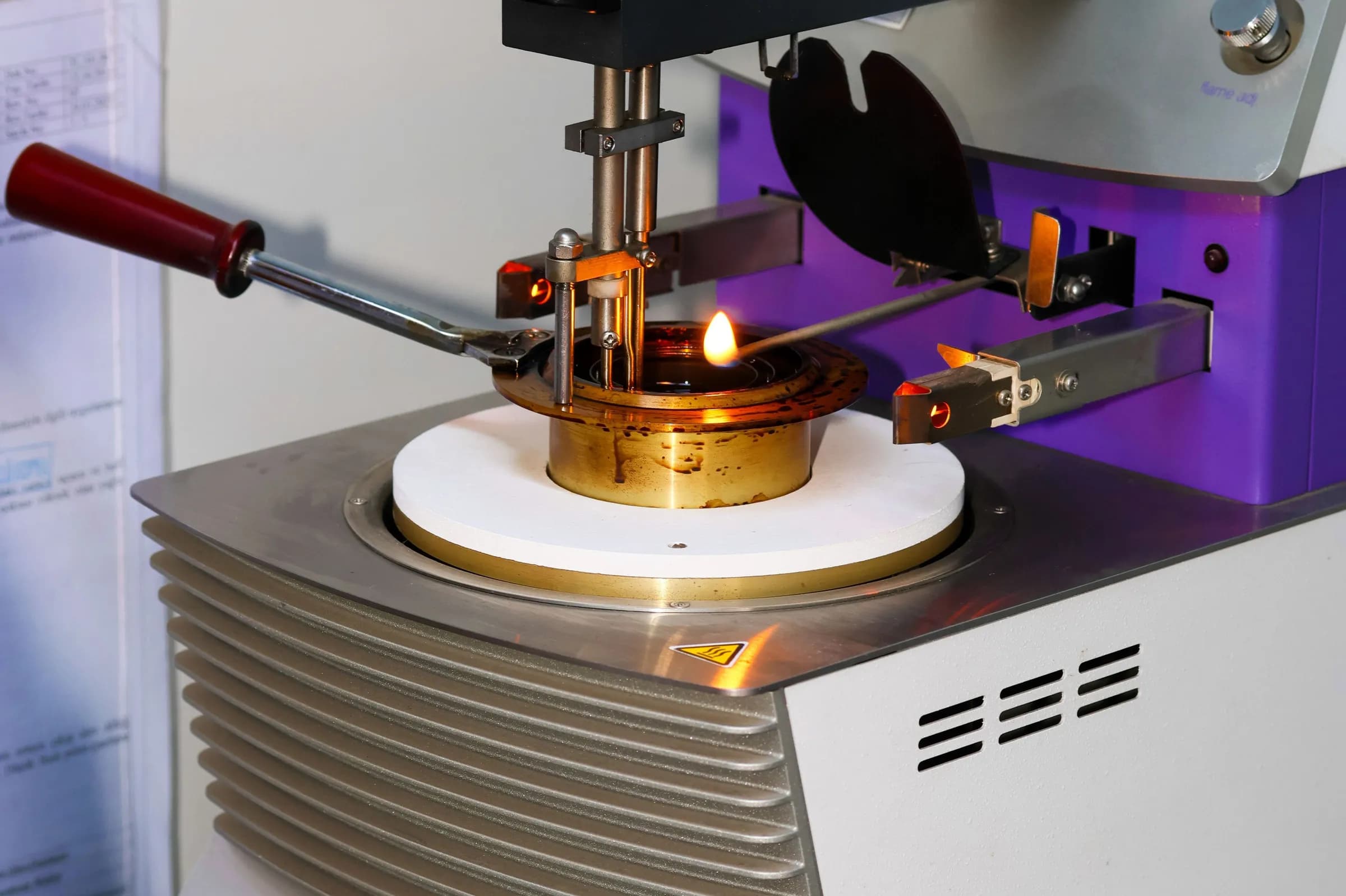
Many fleets sample oil regularly for analysis: viscosity, soot, wear metals, fuel dilution. The results let drain intervals rest on real data.

Night driving. Every rest stop is a chance to check the gauges and listen. Odd knocks, unusual black or blue smoke - note them for the workshop.

Nearly there. Log the distance, engine hours and how much oil you added. Top-ups that grow trip by trip are valuable information for the mechanic.
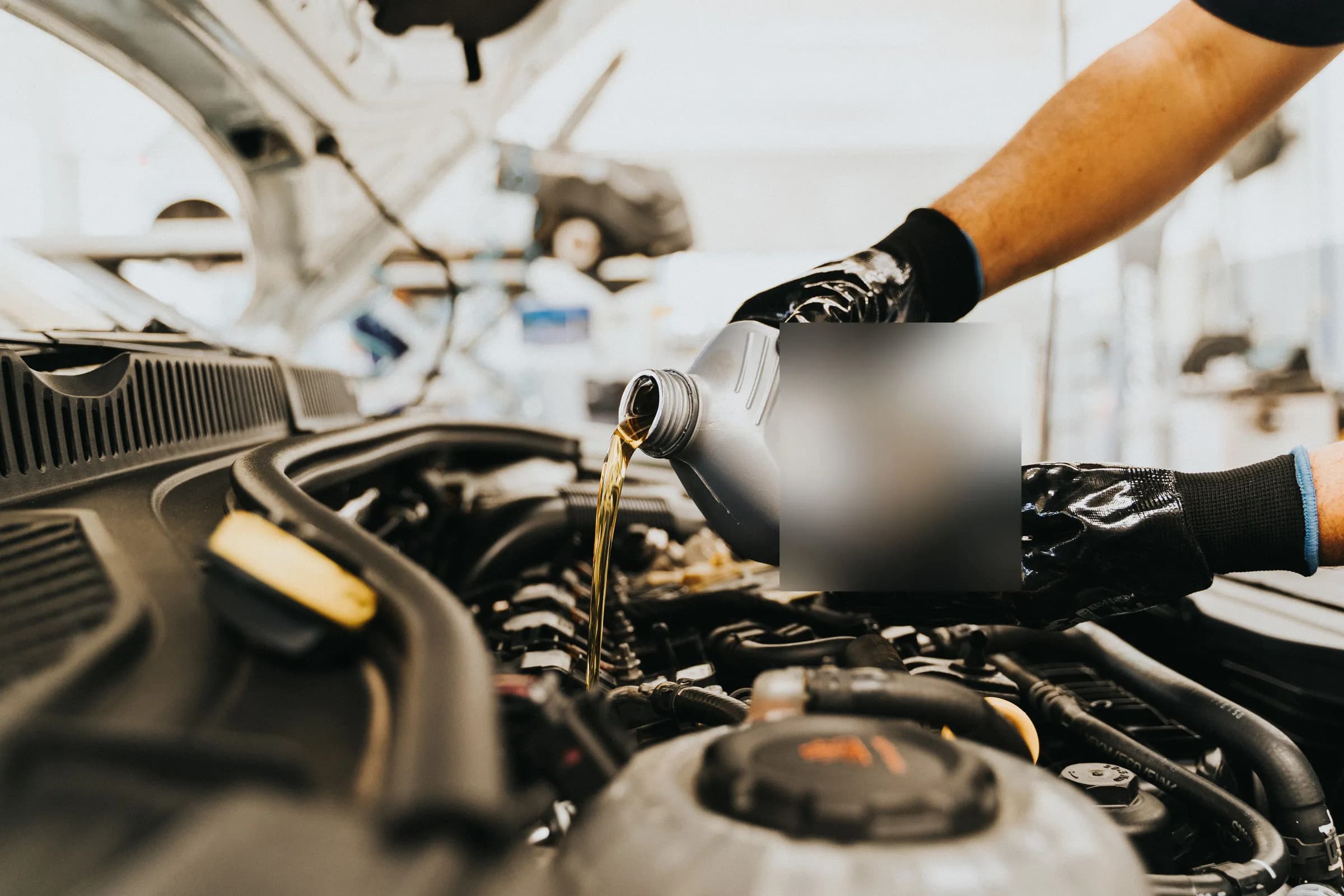
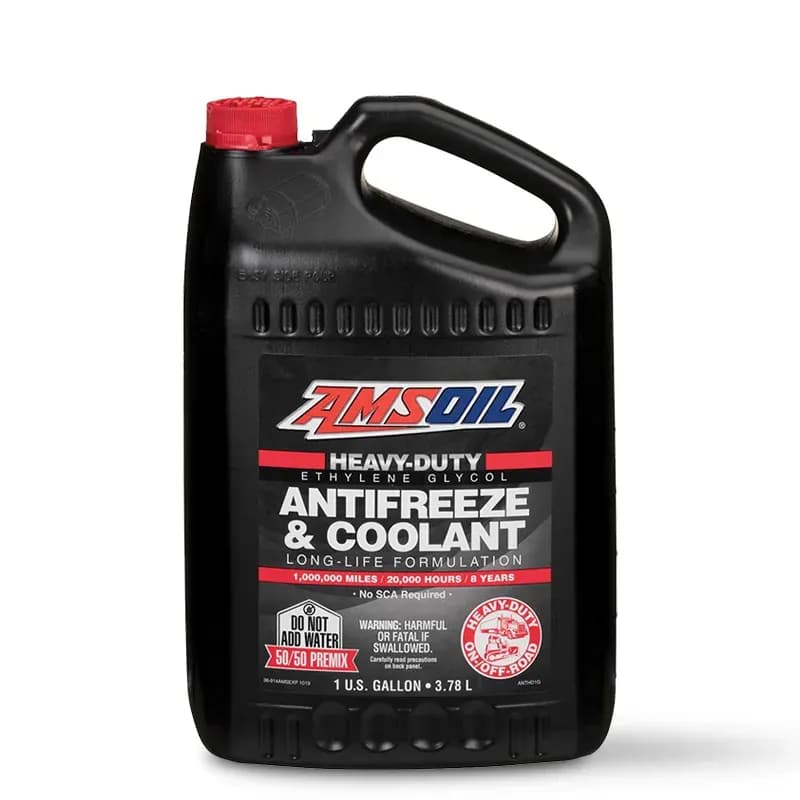
Oil-change time - by distance, hours or time, whichever comes first. Use the API, ACEA and viscosity grade the manual lists, such as API CK-4 for many modern diesels.
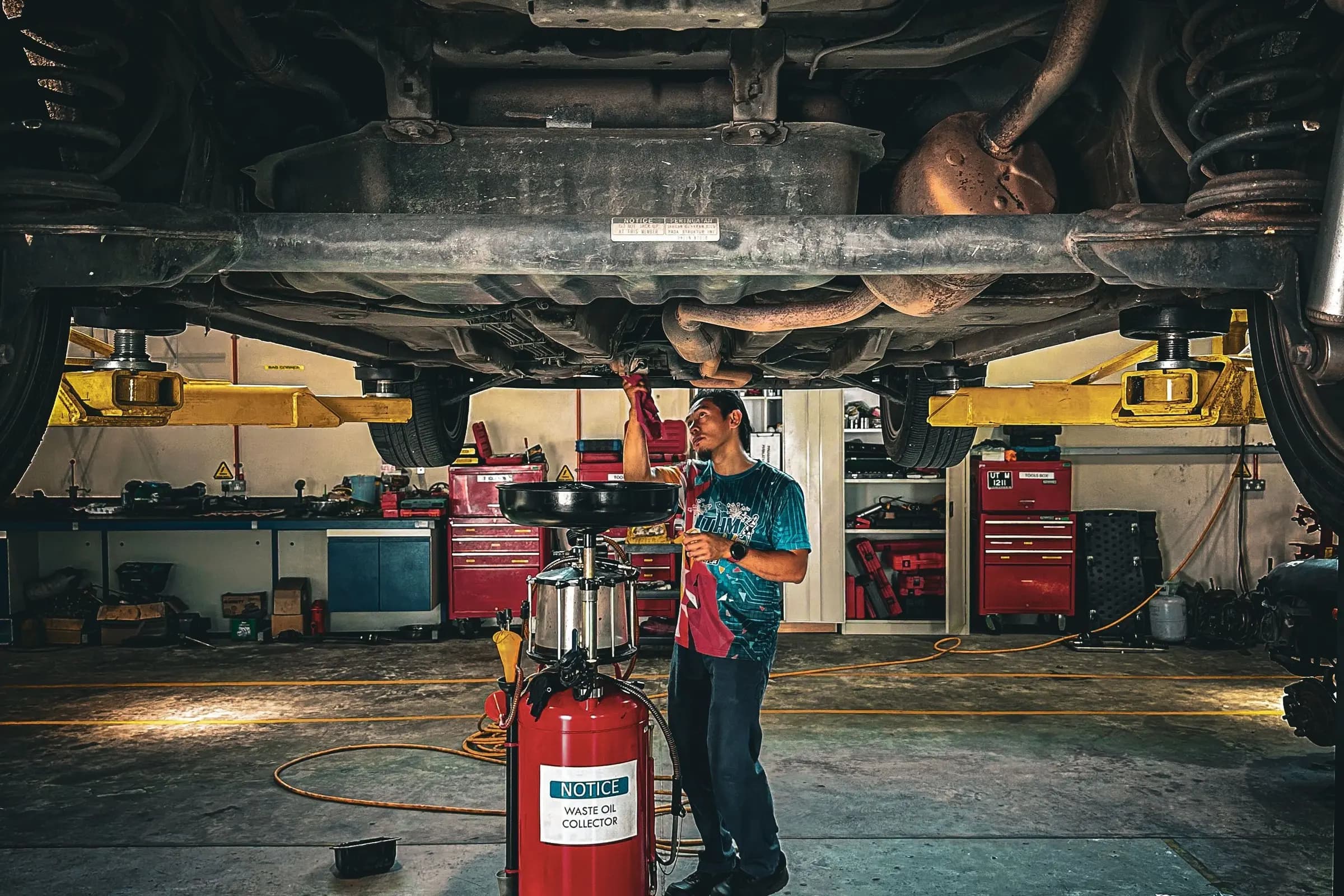
Used oil goes into a sealed drum for licensed collection. Change the oil filter at the same time as the maker instructs.

From 1 January 2027, API CL-4 and FB-4 oils arrive. CL-4 is backward compatible with CK-4; FB-4 only where the engine maker specifies it. Next trip still starts at the dipstick.
Products in this article
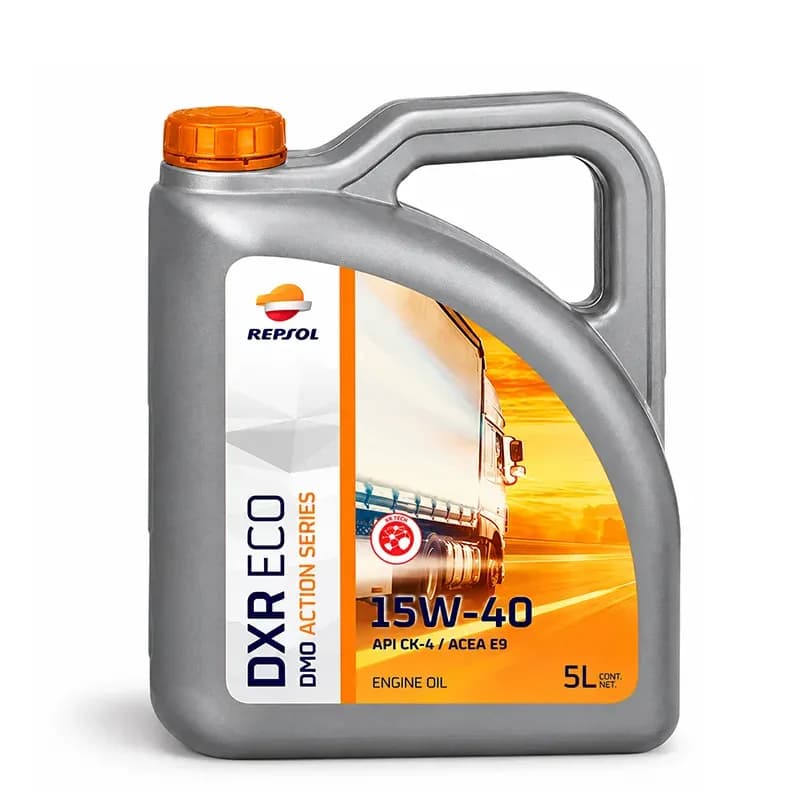
 TrucksTDS
REPSOL DXR ECO SAE 15W‑40
- SAE 15W-40
- API CK-4
- +1
- +2
 Trucks
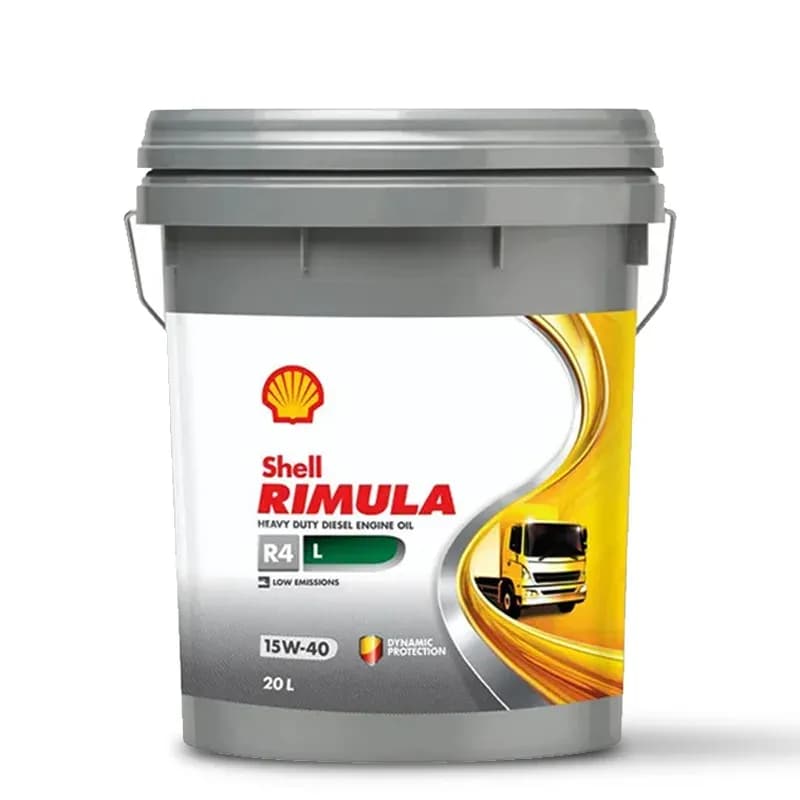
SHELL RIMULA R4 L 15W‑40
- SAE 15W-40
- API CK-4
- +1
- +2
 Scooters