STORY
From port to shop shelf: the journey of a genuine imported oil
The checkpoints a genuine imported engine oil passes before reaching a shop shelf: QCVN 14 inspection, CR mark, Vietnamese label, invoice, store and delivery.
By: Ung Vuong editorial teamPublished 15 Nov 20264 min read
A genuine imported engine oil on a shop shelf looks just like the bottle next to it. The difference is the checkpoints it passed: an overseas blending plant, the port, a test lab, the importer's and distributor's stores, then the last delivery. This story follows one bottle so shop owners know what to ask for at each stage.
01
Stop one: base oil, additives, blending plant

A coastal refinery at dusk. Base oil from refineries is blended with additive packages at a lubricant plant, then bottled under the brand's label.

Where oil is made is not always the brand's home country. In Ung Vuong's catalogue, Repsol is a Spanish brand while the Repsol bottles listed are made in Indonesia. Read the two facts separately.
02
At the port: imported oil faces quality inspection

The cargo docks. Engine oils fall under QCVN 14:2018/BKHCN, issued with Circular 06/2018/TT-BKHCN of 15/5/2018, covering importers, producers, blenders, distributors and retailers of 4-stroke and 2-stroke engine oils in Vietnam.
Amendment 1:2018 (Circular 10/2018/TT-BKHCN of 1/7/2018) took effect on 15/12/2018. Imports are assessed by method 7: testing a representative sample of each lot, against parameters such as kinematic viscosity, viscosity index, base number, and water content. In the first eight months of 2020, inspectors tested 1,092 imported engine-oil lots and found 40 lots - 127,000 litres - non-compliant, with fines over VND 2.6 billion (Vietnam Bar Federation, 5/1/2021).
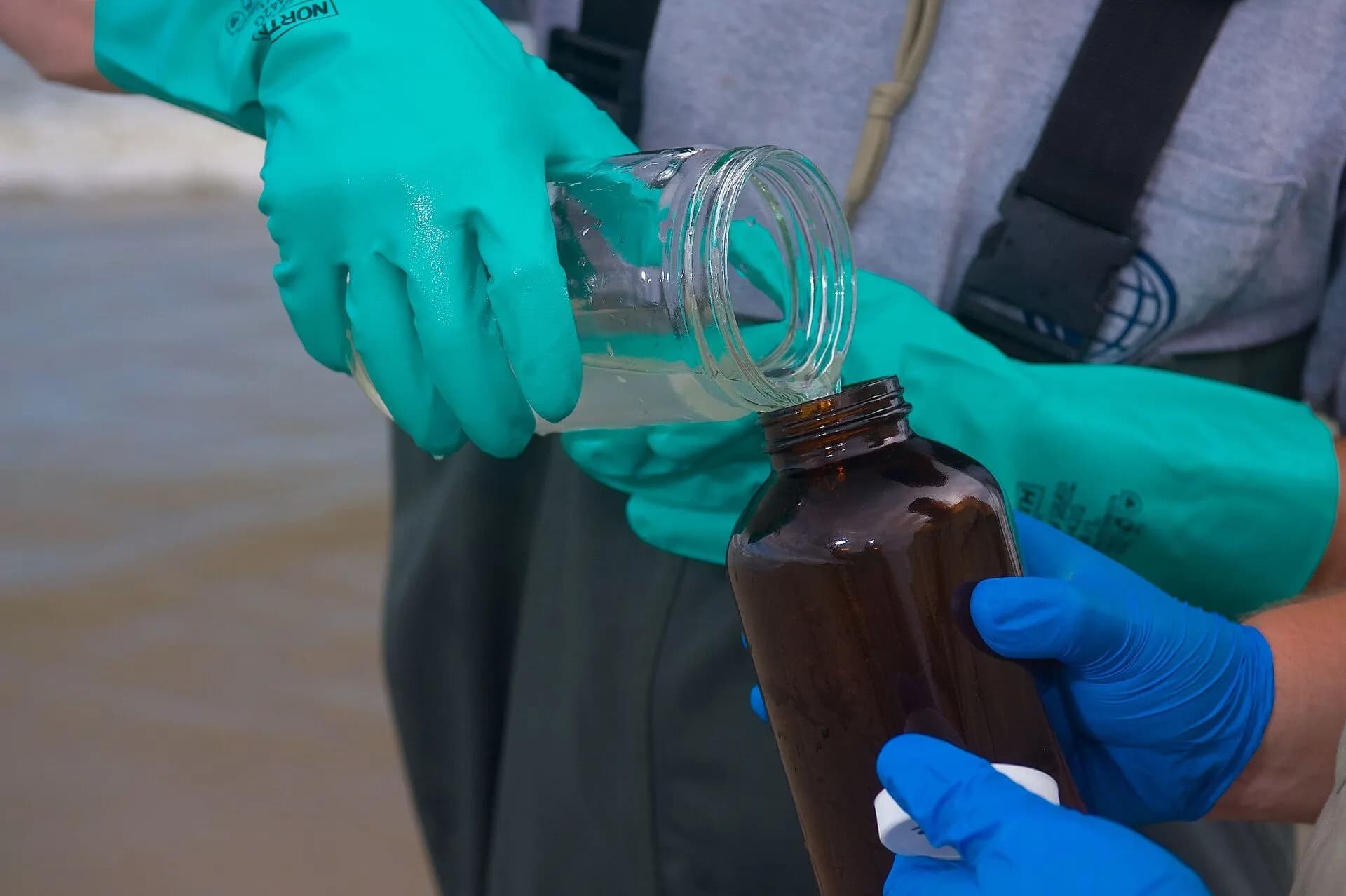
A liquid sample poured into an amber glass bottle. A representative sample of the lot goes for testing; the result decides the next step.
Imported engine-oil checks, Jan-Aug 2020
- imported engine-oil lots tested
- 1.092imported engine-oil lots tested
- lots failed the regulation
- 40lots failed the regulation
- litres in the failed lots
- 127.000litres in the failed lots
- VND in fines (over)
- 2,6 tỷVND in fines (over)
Source: Vietnam Bar Federation (5/1/2021)
03
The CR mark and the Vietnamese label
Before the market, producers, blenders and importers must declare conformity and apply the CR mark. The label must at least show product name and engine type, the responsible party's name and address, origin, volume, viscosity and performance grades, use and storage instructions and warnings.
On language, Decree 111/2021/ND-CP amending Decree 43/2017/ND-CP (in force 15/2/2022) requires mandatory label content for goods circulating in Vietnam to be in Vietnamese; at customs clearance the original label may carry it in a foreign language or Vietnamese. So a genuine imported bottle usually carries both the maker's label and the importer's Vietnamese label.
A genuine bottle does not just have a nice label. It leaves a paper trail at every stop.
04
The distributor's store: invoices and batch numbers
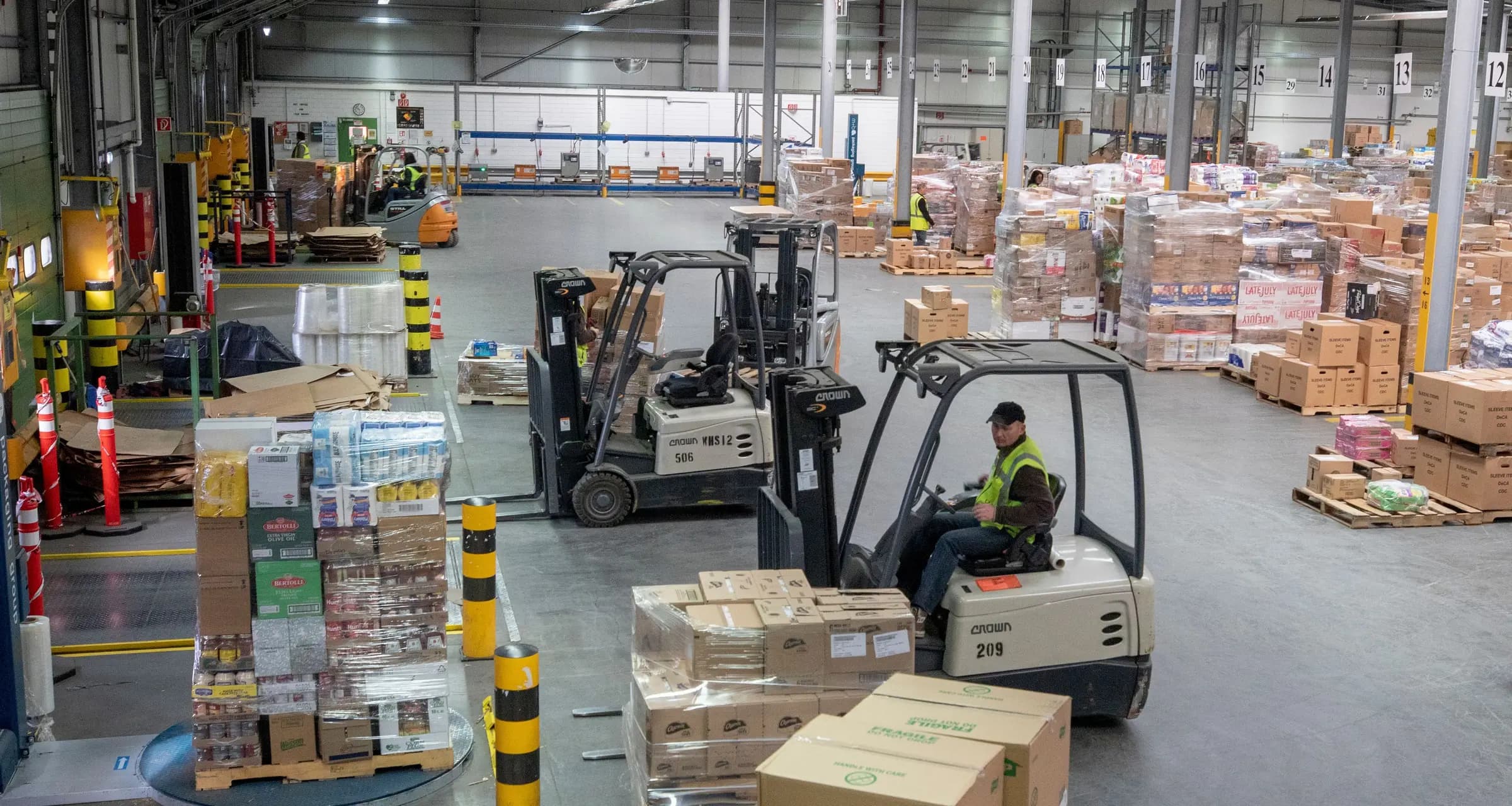
A forklift moving pallets in a distribution centre. Here the bottle changes hands several times - and each change comes with paperwork.
Under Decree 70/2025/ND-CP amending Decree 123/2020/ND-CP on invoices (issued 20/3/2025, in force 1/6/2025), the invoice for goods is issued when ownership or use passes to the buyer, whether or not payment has been received. For a shop owner, the seller's invoice is the first link for tracing stock back.
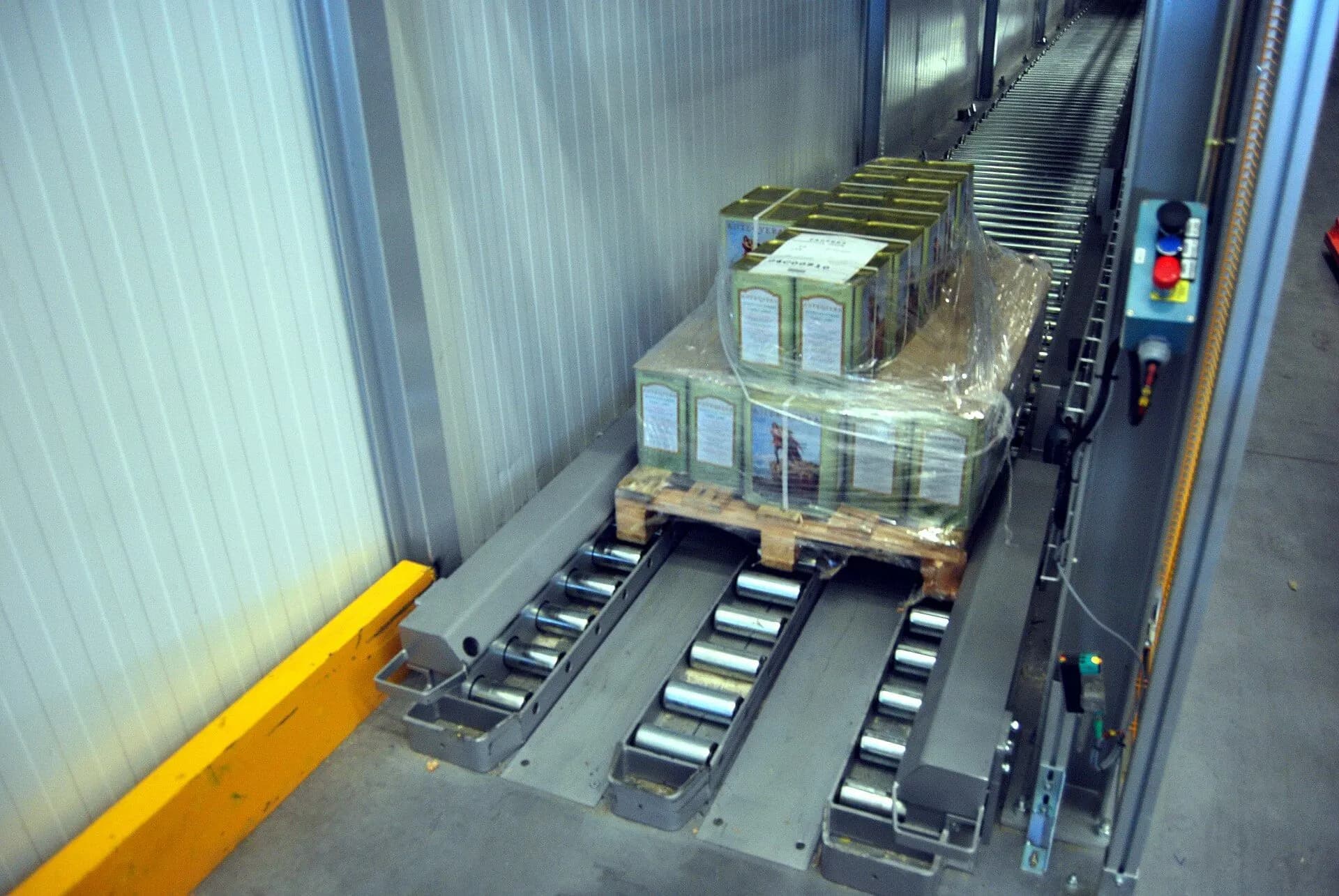
At Ung Vuong's store, the published process: buy from each brand's official distributor or lawful channel, with invoices; check batch, production date, expiry and seals on arrival; store dry, cool, out of the sun, first-in first-out.
05
Last leg: onto the shop shelf

Cartons leave by carrier for the provinces. Carton orders stay in the maker's box, seals are checked before dispatch, and each parcel carries a delivery note listing products and quantities.

The last checkpoint is the shop owner. Fakes skip all of the above: VnExpress International (7/6/2025) reported a Ho Chi Minh City group arrested for blending leftover oil and bottling it under fake Castrol, Motul, Honda and Yamaha labels, selling over 220,000 products online since February 2024; police seized nearly 2,000 bottles in 73 cartons.
On delivery you may check seals, quantity, product, expiry and batch before signing or paying COD - without opening caps, to keep the right to return - per the inspection policy. For a lot-by-lot method, see receiving a wholesale lot.
Shops and dealers buying several brands in one order can see distribution partnership - terms agreed by scale - or use the quote basket, for example Repsol Smarter Sport 4T 10W-40.
- Produced by
- Ung Vuong editorial team
- Content
- Ung Vuong editorial team
- Design
- Ưng Vương Web
Products in this article
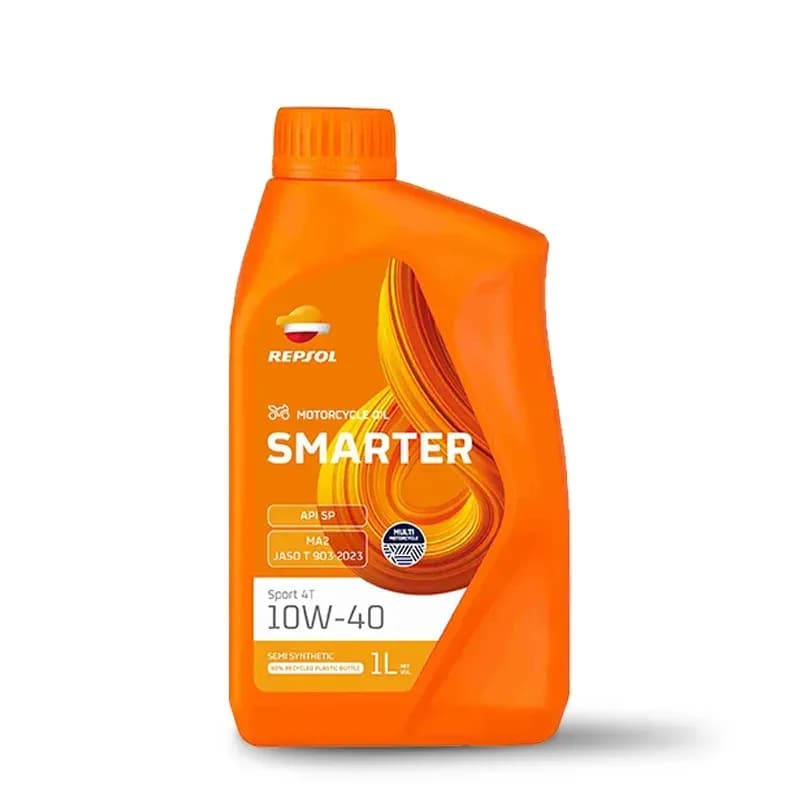
 Manual motorcyclesTDS
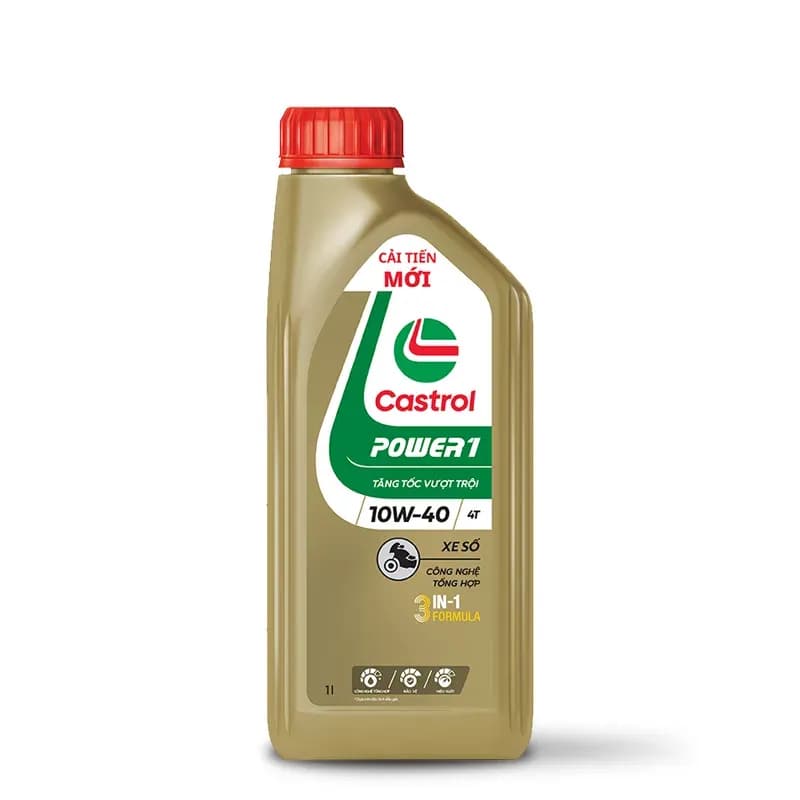
 Manual motorcyclesTDS
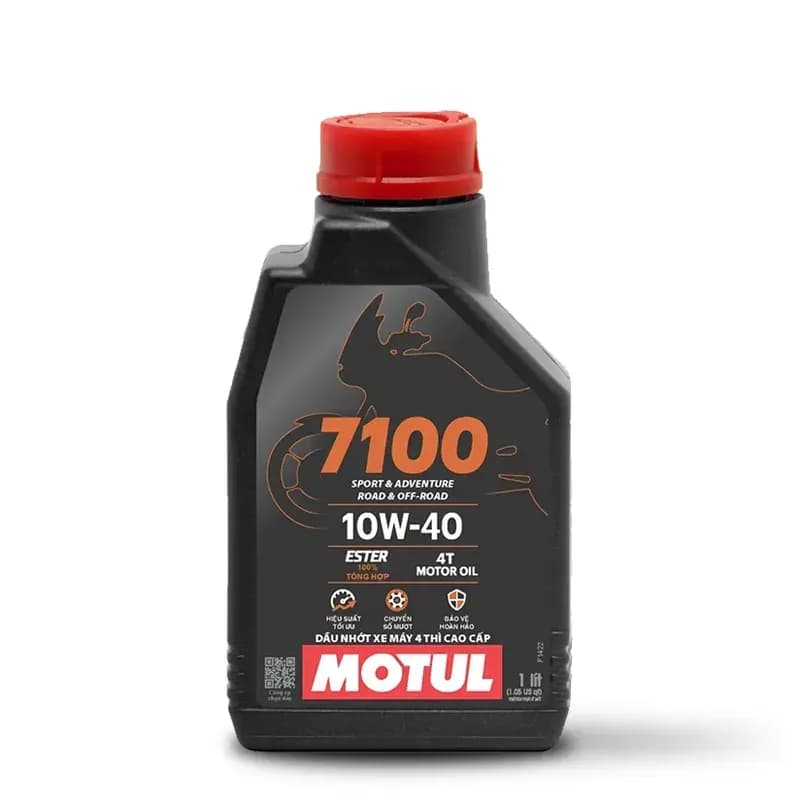
 Manual motorcyclesTDS
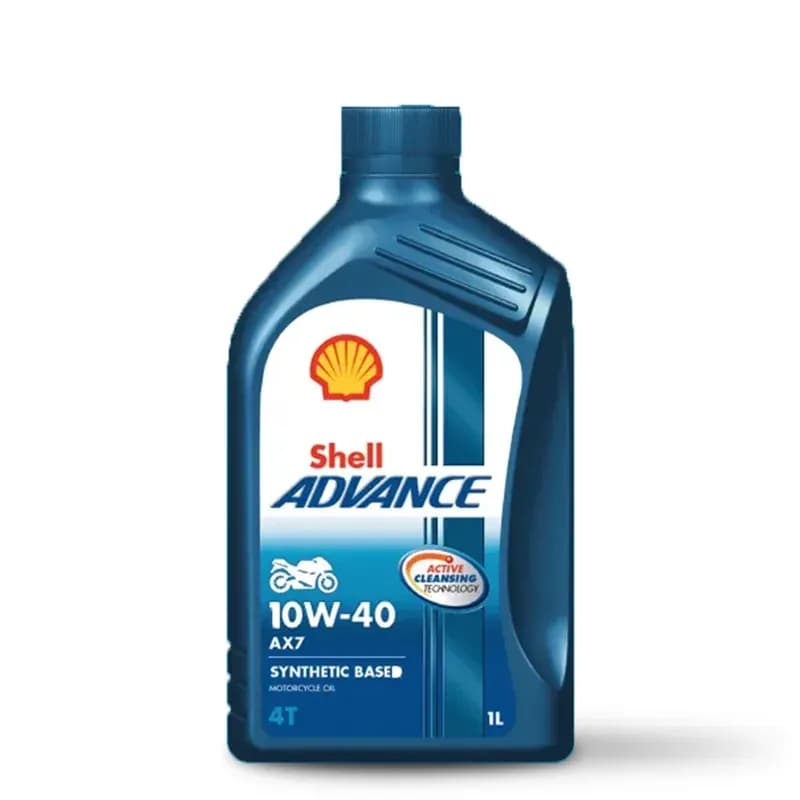
 Manual motorcycles