
STORY
Flooded vehicle: 10 things to do right away
Stalled in floodwater? Don't crank it again. Ten steps in order for motorbikes and cars, from engine oil to brakes.
By: Ung Vuong editorial teamPublished 13 Nov 20265 min read
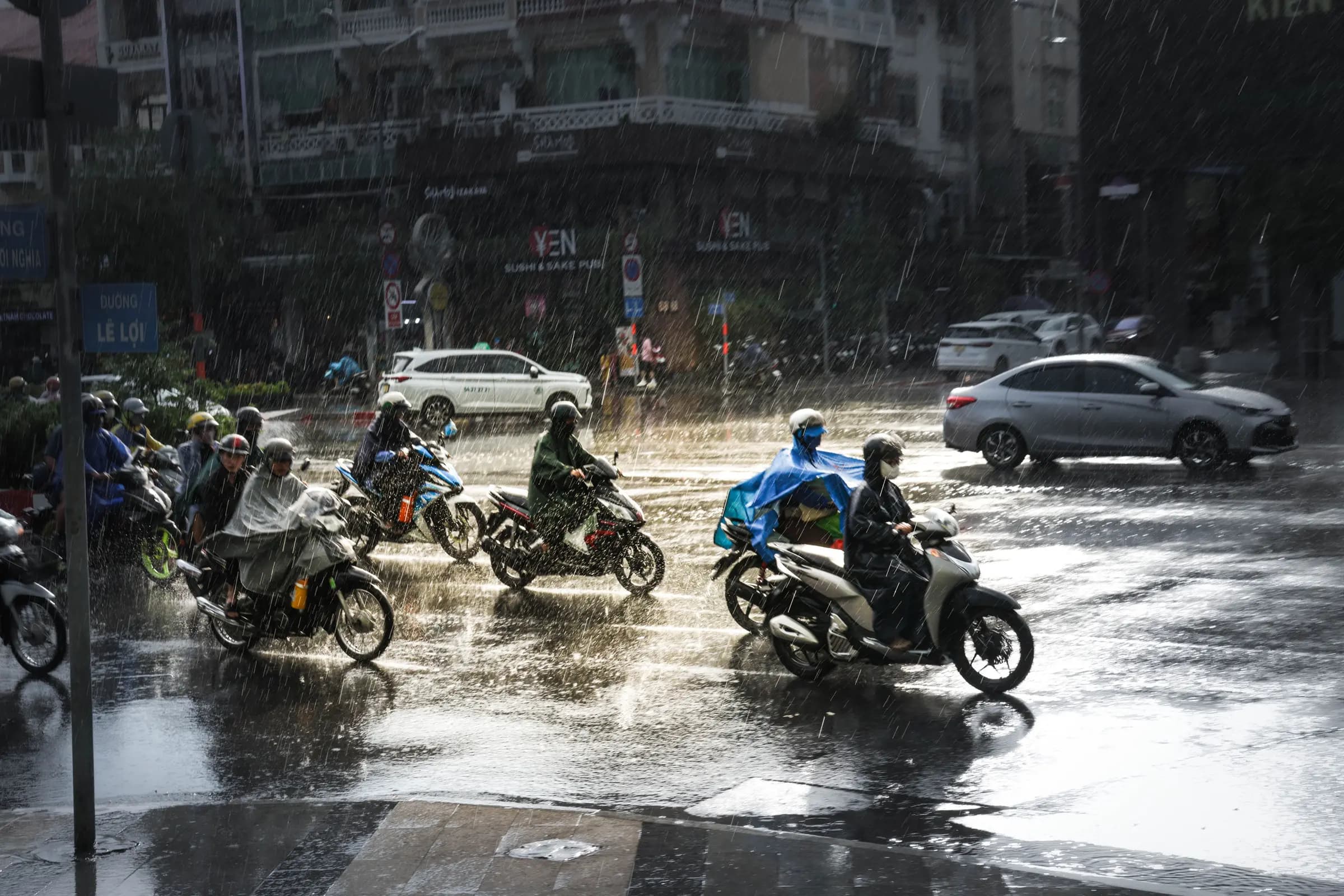
Heavy rain, flooded roads. The best move is not to drive into deep water. For cars, advice reported by Tien Phong: don't go deeper than the wheel hub, and avoid fast-flowing water.
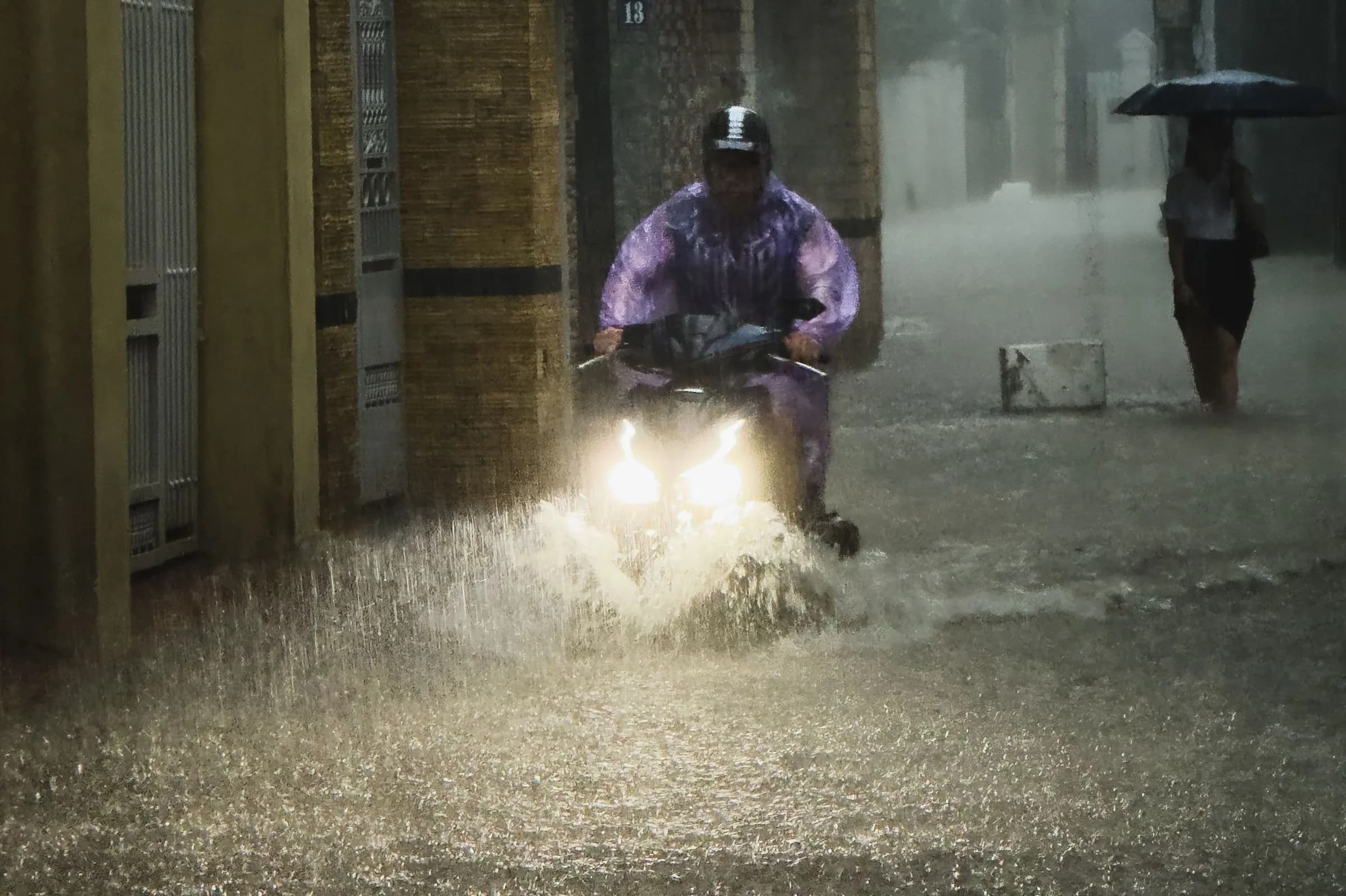
If you are already in the water and the engine stalls, here are ten steps in order. Sources: technician advice in VietNamNet (3/10/2025), Tien Phong (24/9/2026) and maker manuals.
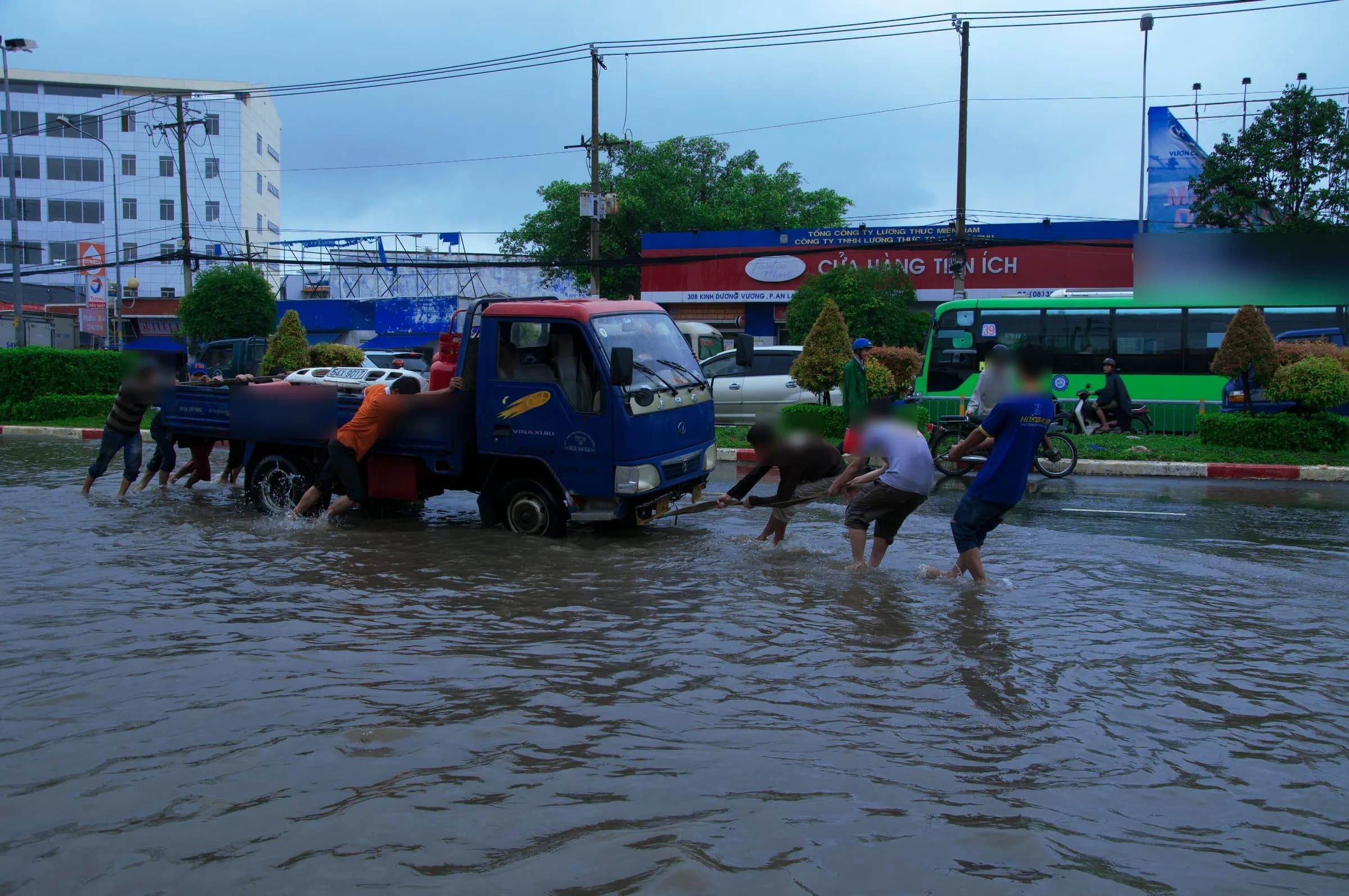
1 · Don't crank it again. Per Tien Phong, cranking a stalled engine in water risks hydrolock - water in the cylinders can bend or break connecting rods, forcing an engine rebuild.
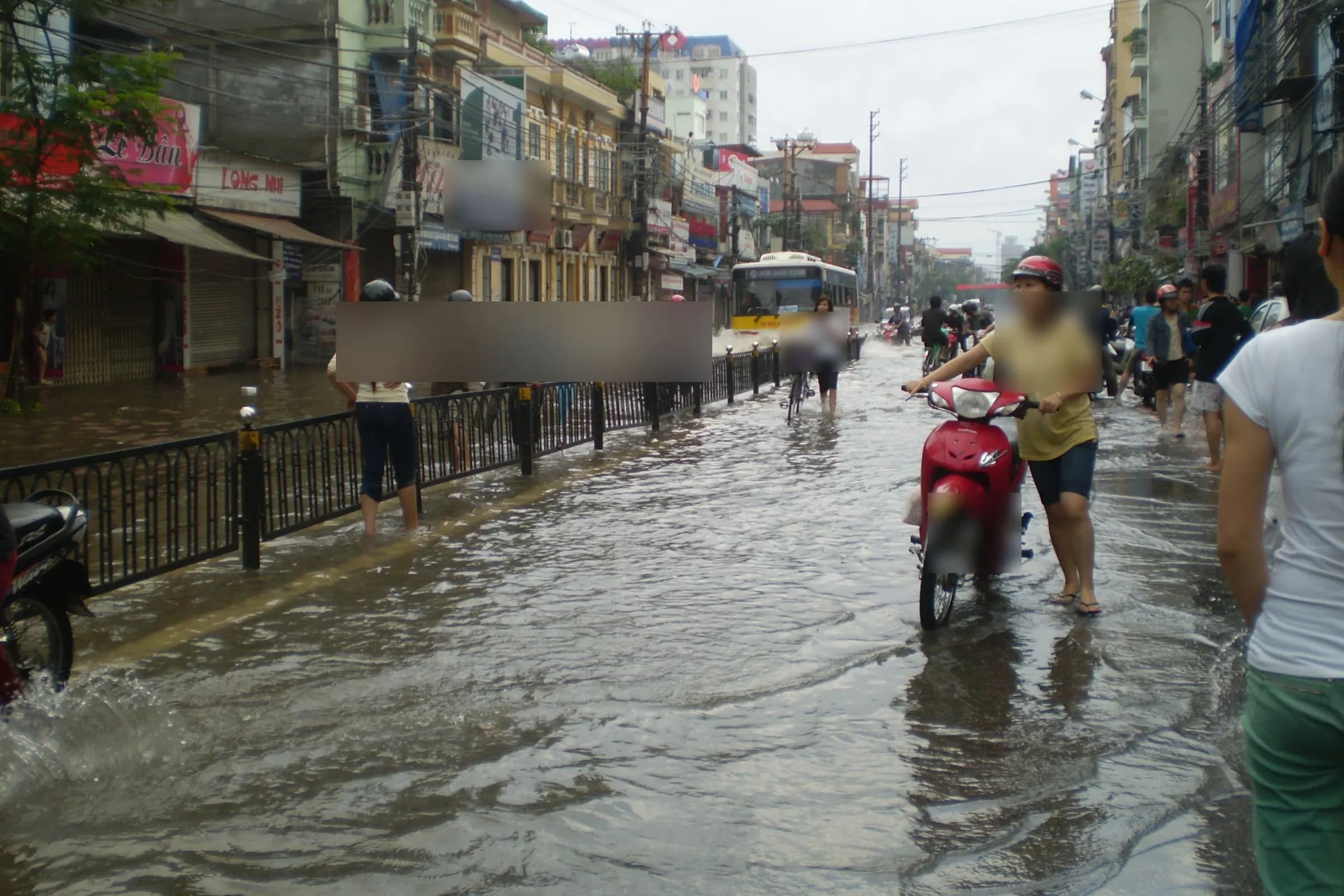
2 · Switch off and push the vehicle to high, dry ground. Motorbikes: don't leave them standing in water.
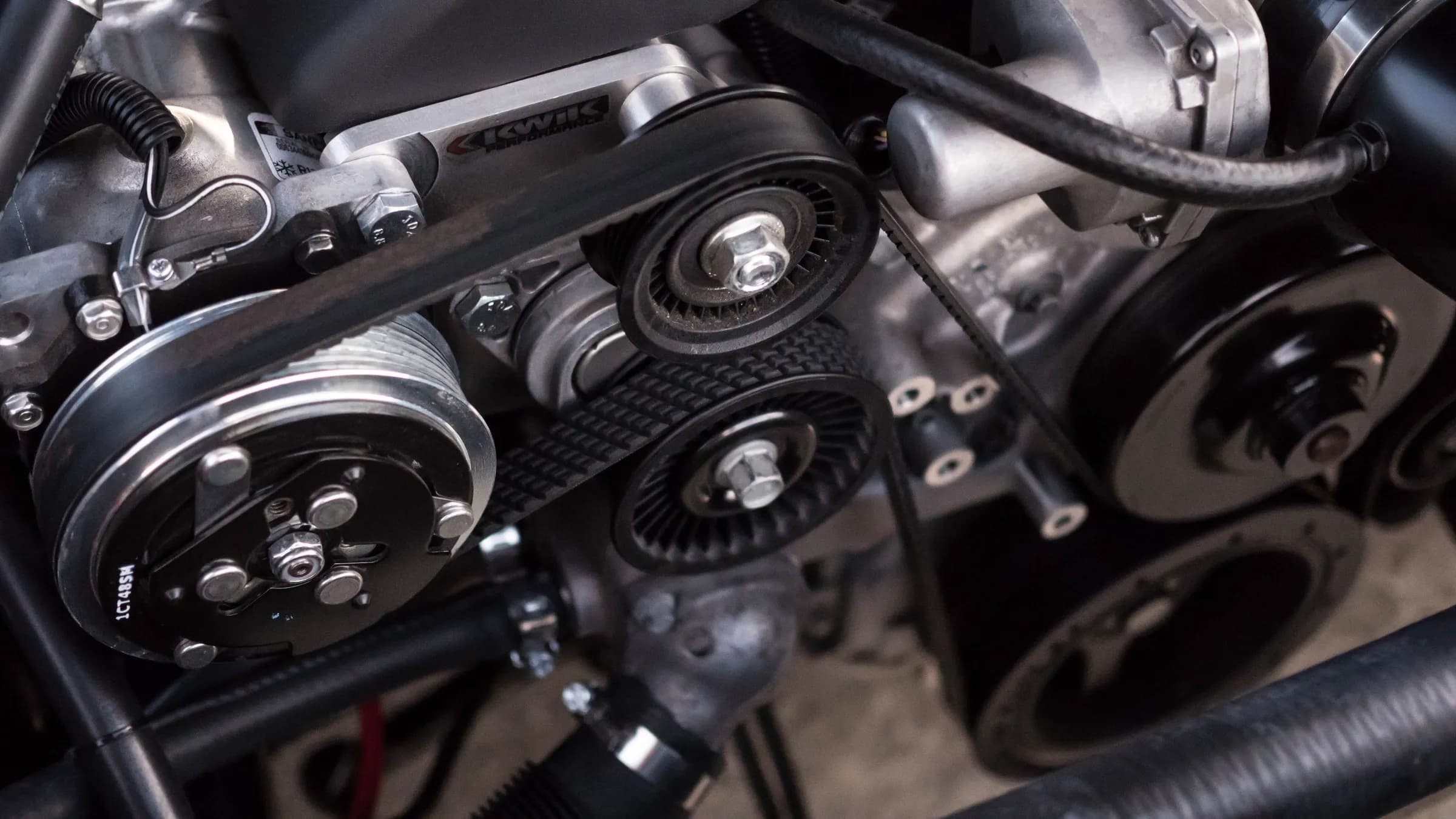
3 · Call for recovery or get to a reputable workshop as soon as possible. The VietNamNet technician advises non-specialists not to dismantle the vehicle themselves.
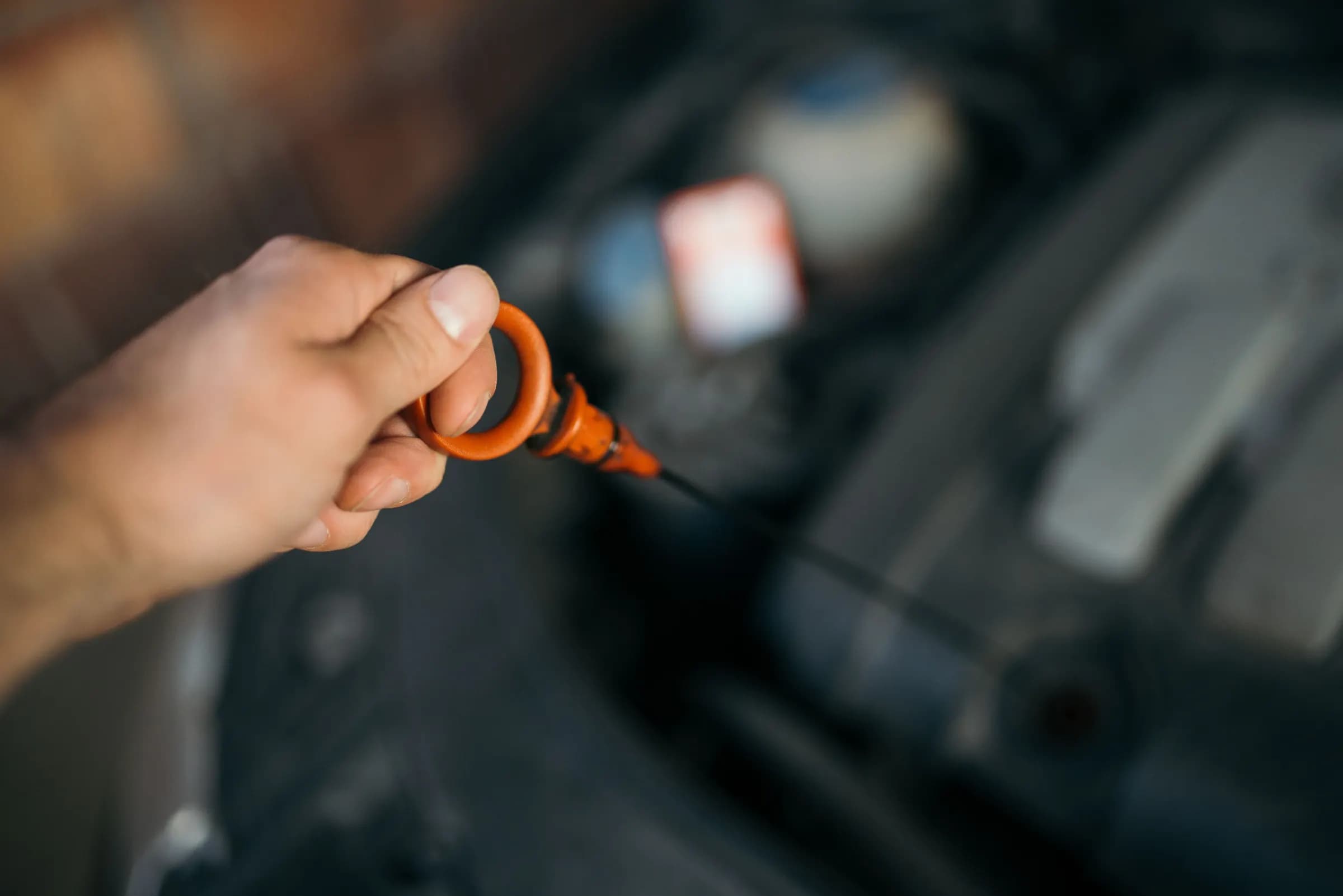
4 · Check the engine oil. Milky, cloudy or foamy oil means water got in. Don't start the engine.
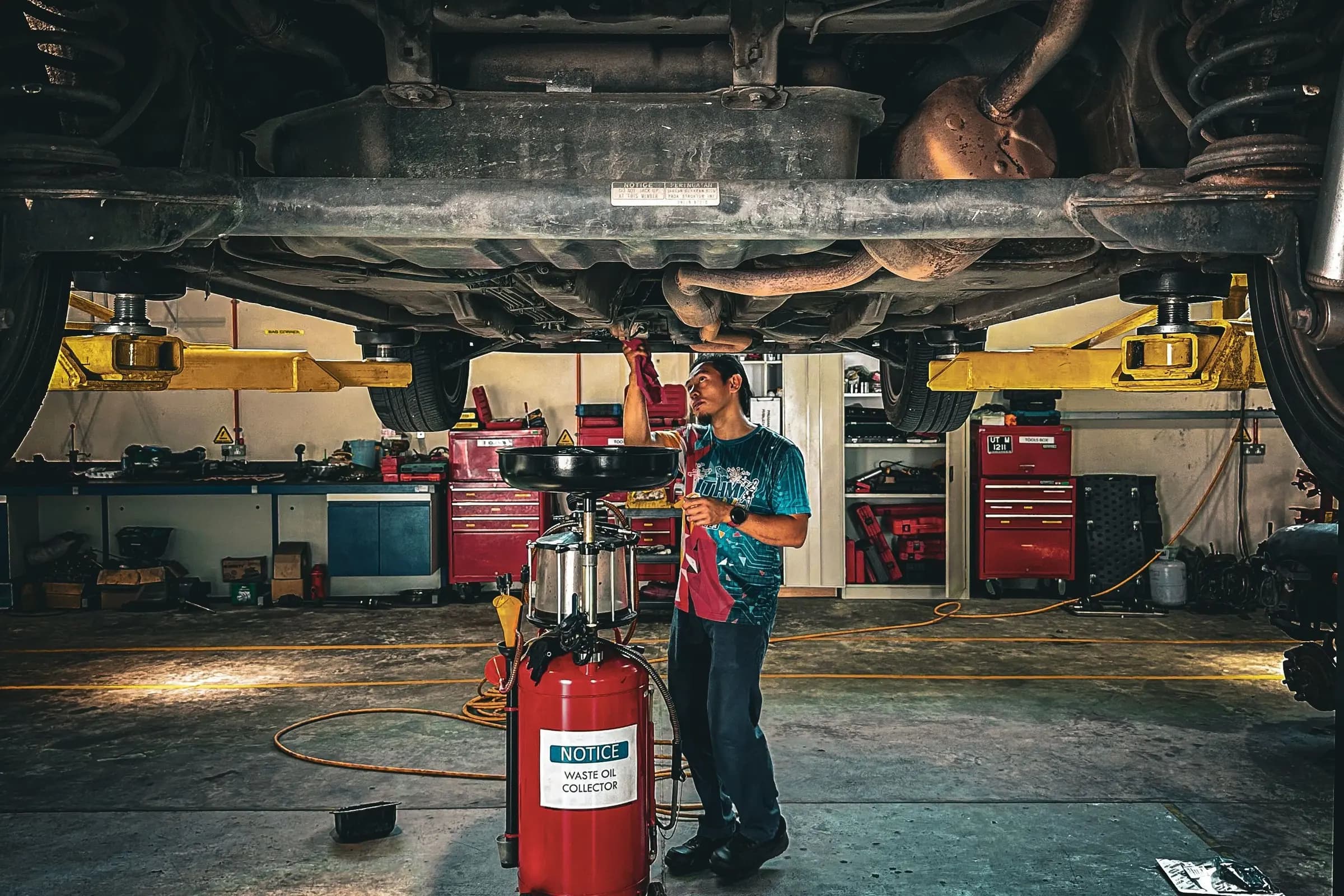
5 · Drain and refill - and per VietNamNet, change it again after a few days to remove remaining water and sludge. For cars, Tien Phong mentions replacing the oil and oil filter.
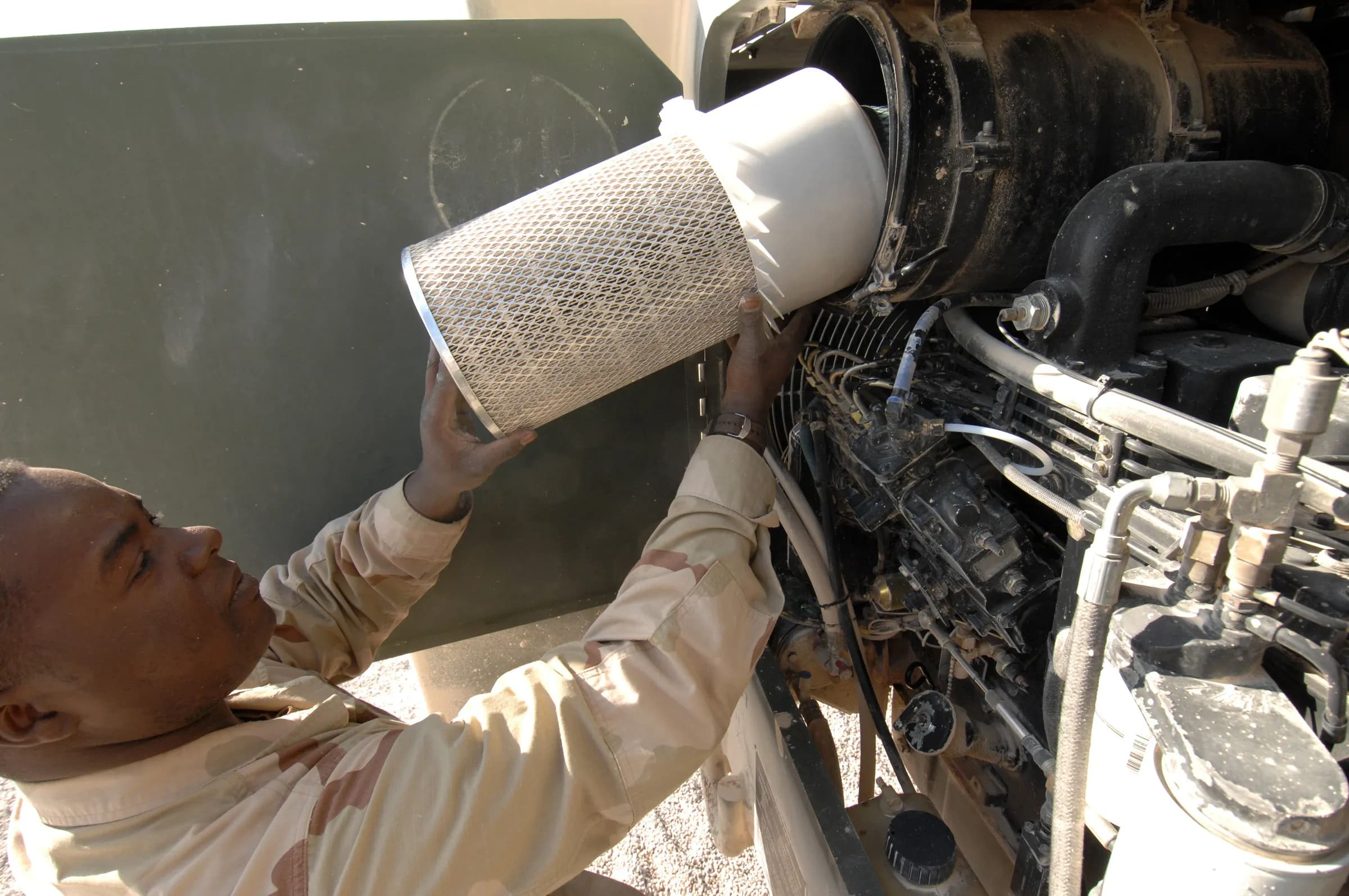
6 · Air filter: replace a wet paper filter rather than drying it. Some car manuals also note a damp filter may mean water reached the combustion chamber.
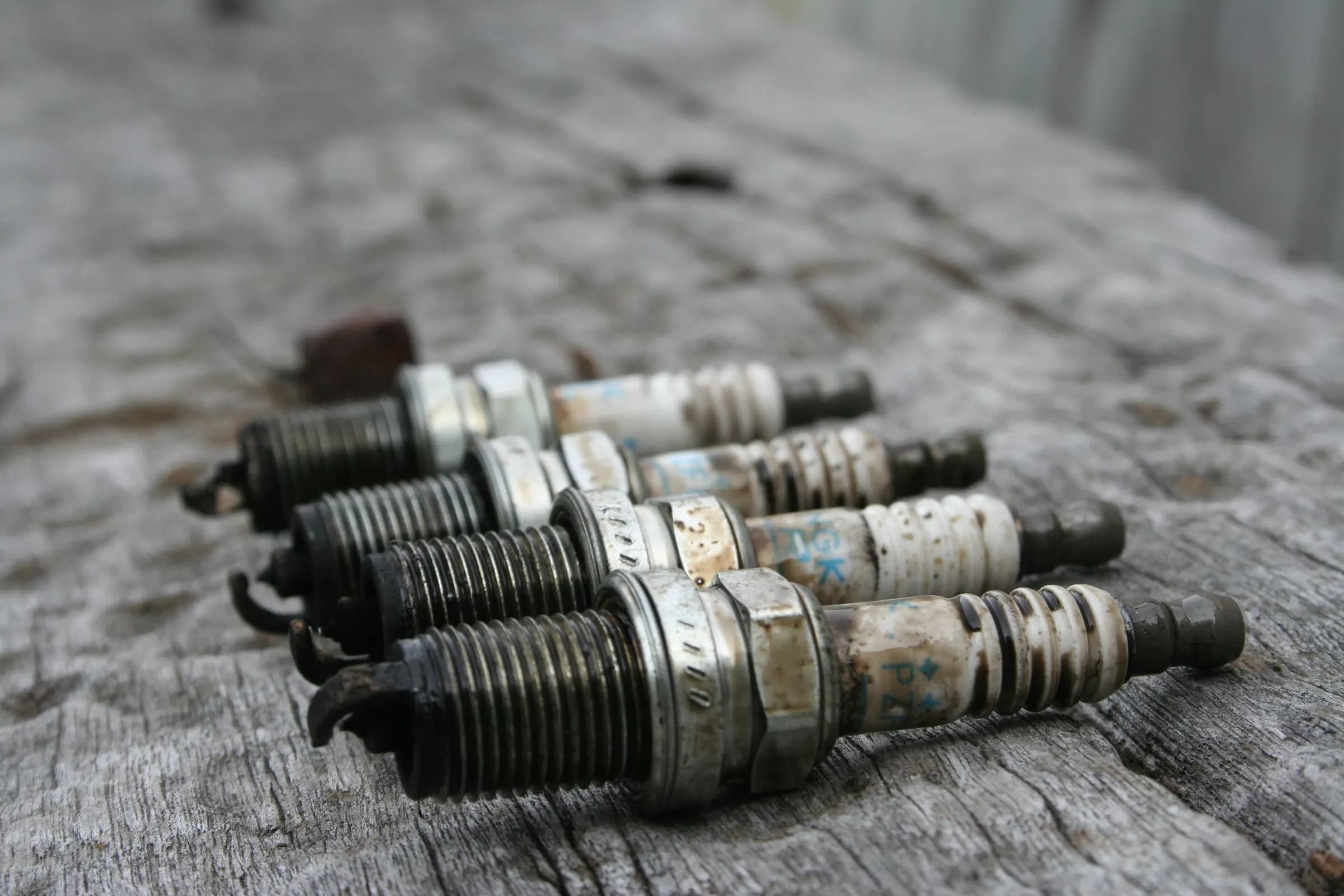
7 · Electrics: spark plug, battery, ECU, coil and lights can short or corrode. Dry and moisture-proof connectors; have the plug and battery checked.
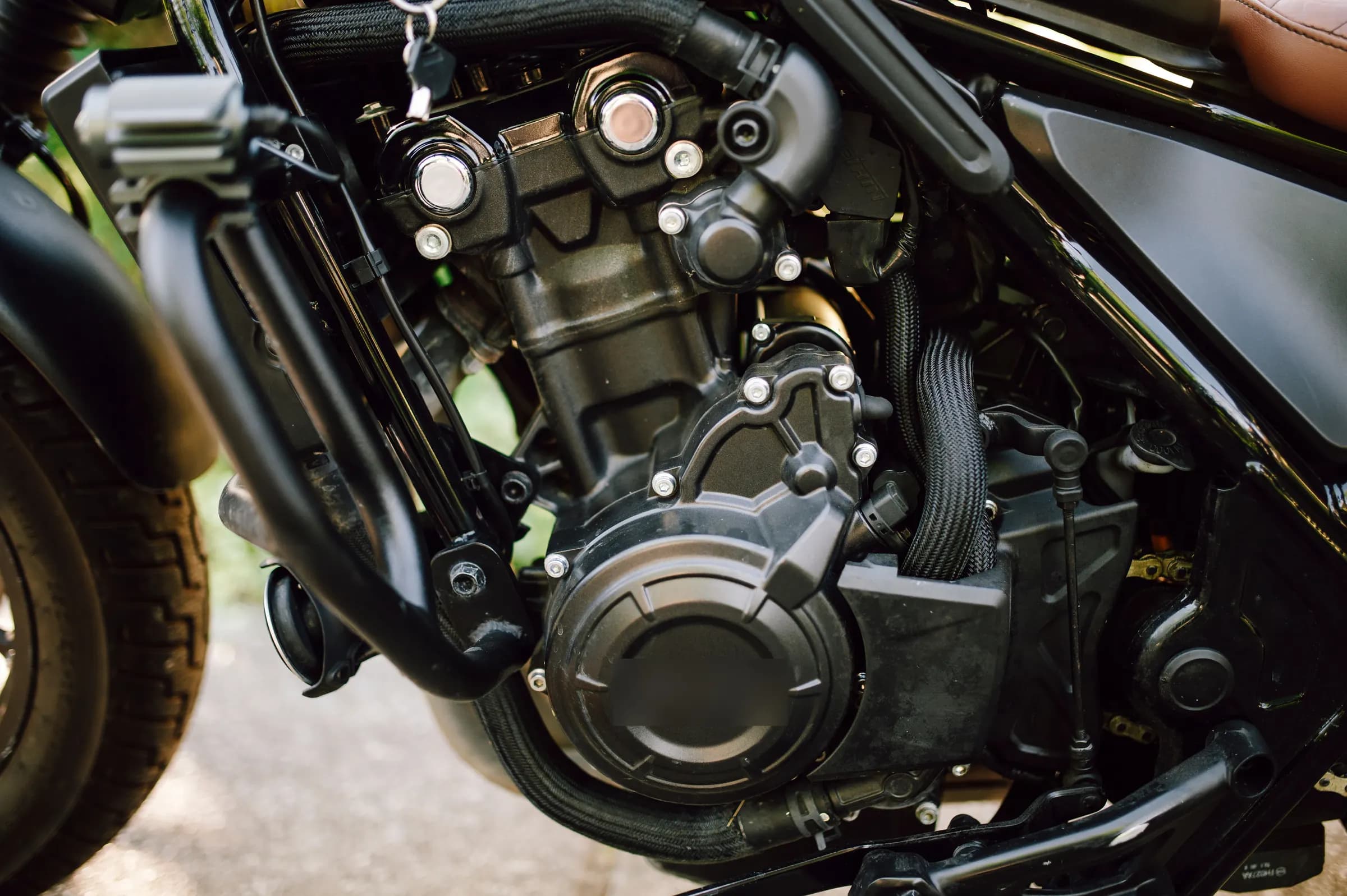
8 · Exhaust: tilt the bike to drain water before starting - and only start after the oil and engine have been dealt with.
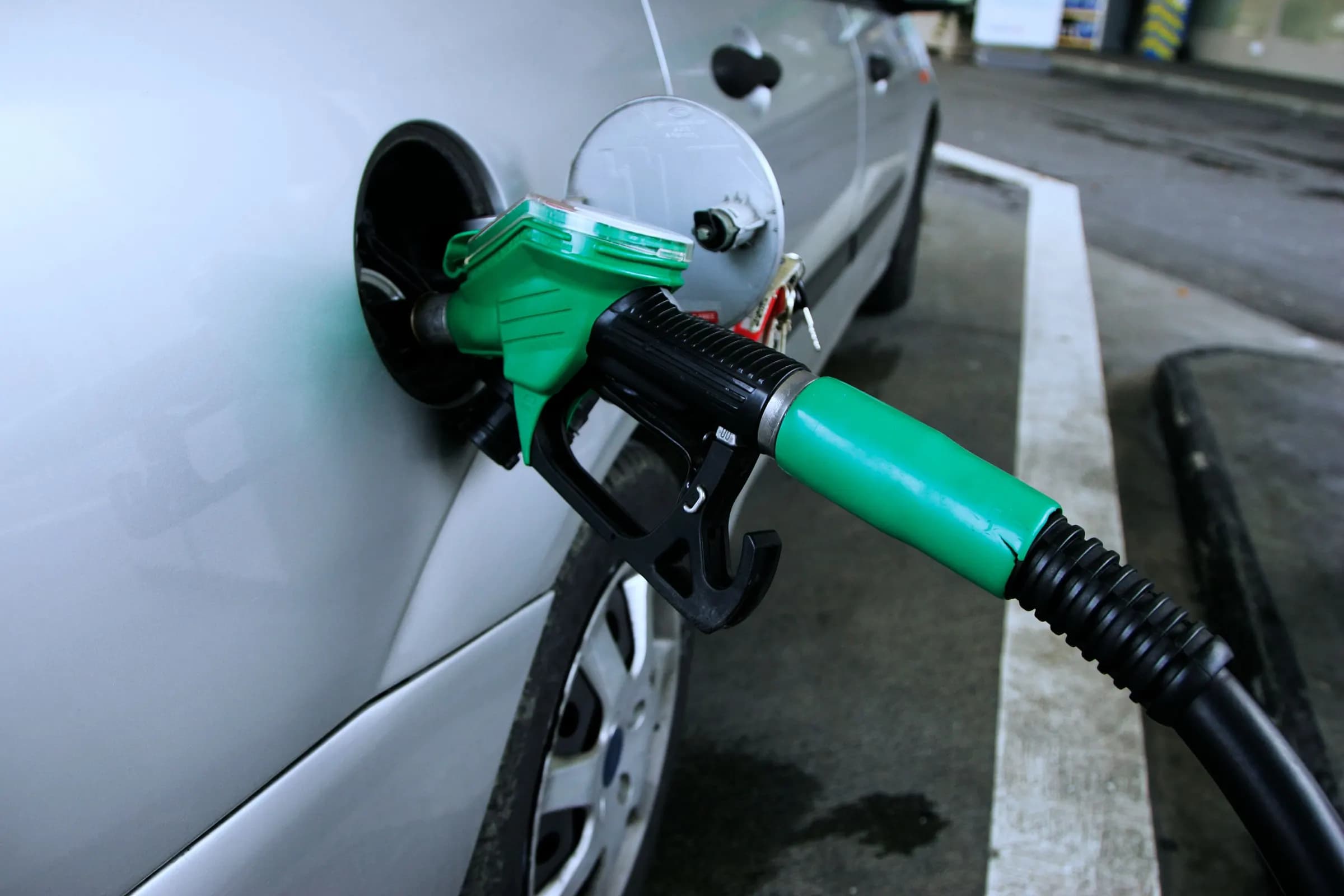
9 · Fuel: a loose cap lets water into the petrol. Carburettor bikes need the contaminated fuel drained; fuel-injected bikes need the tank, pump and injectors flushed by a professional.
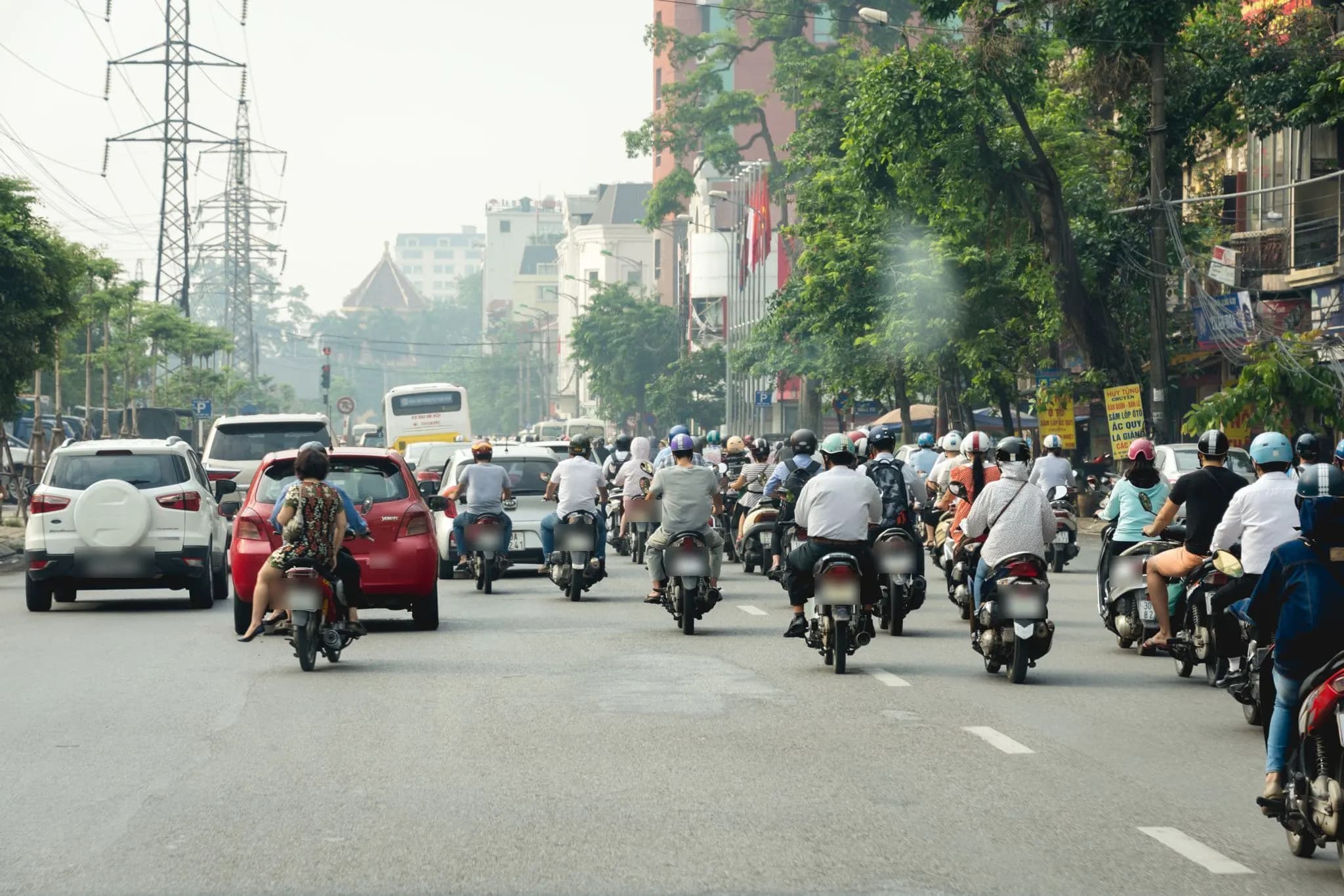
10 · Drivetrain and brakes: manual bikes - clean and re-lube the chain; scooters - check and change the final-drive gear oil, as water can get in. Clean pads and discs; drum brakes need stripping, cleaning and greasing.
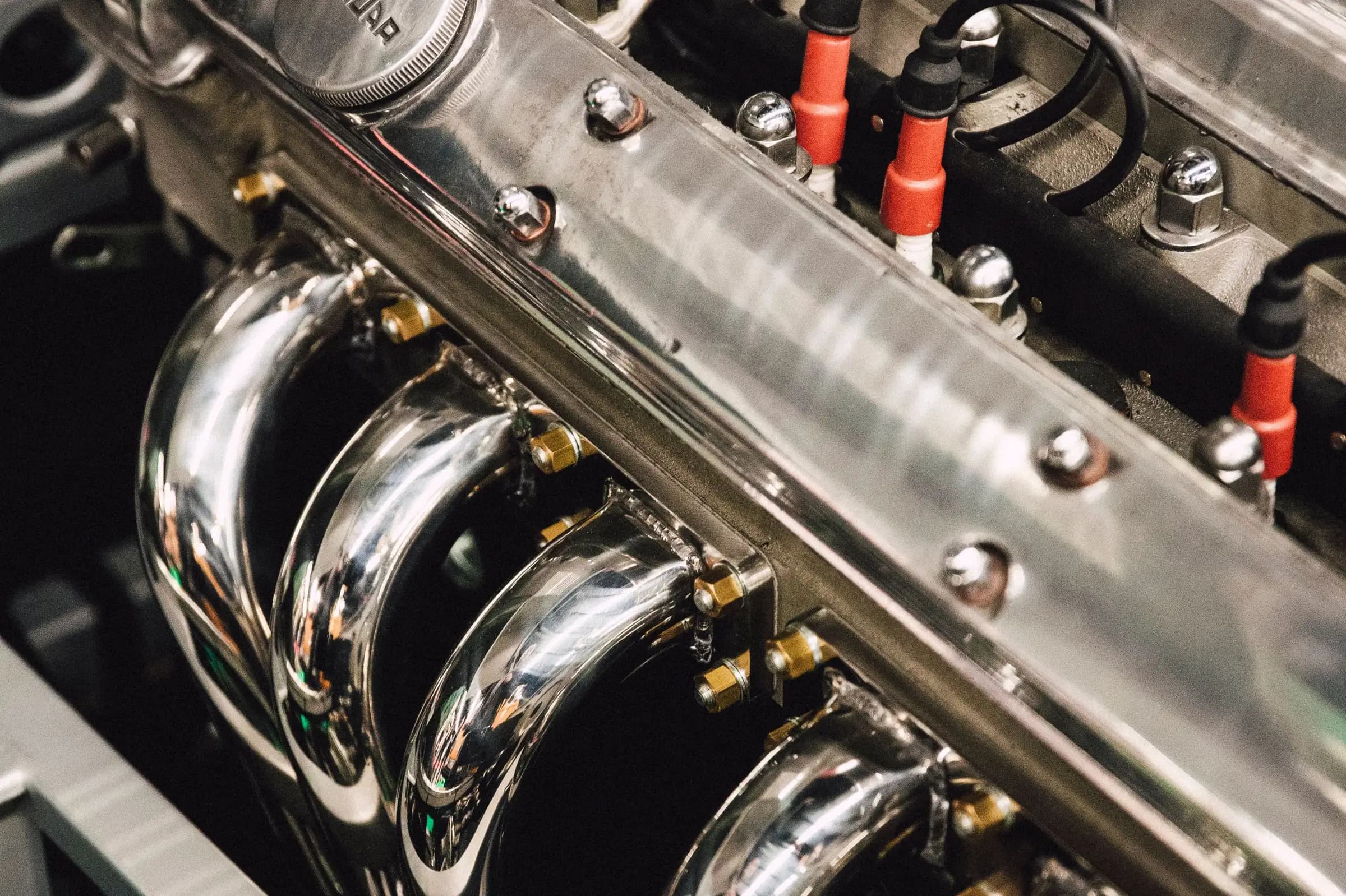
Per the VietNamNet technician, initial checks, cleaning and fluids typically cost from a few hundred thousand to over one million dong - far less than major repairs later.
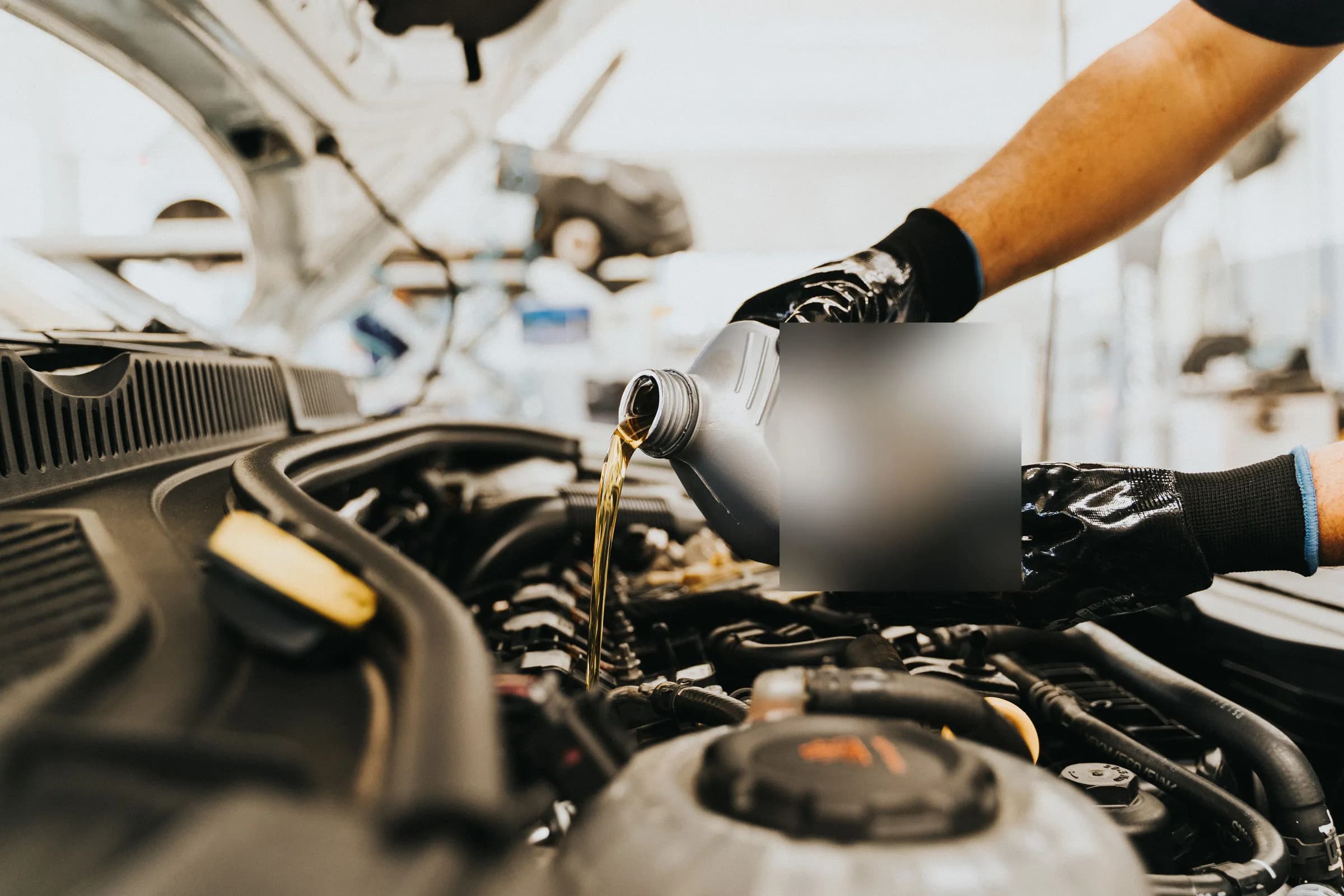
Fresh oil must match the viscosity and specification in your manual; scooters also need the right gear oil. Find a match in our [products](/en/products).
Products in this article
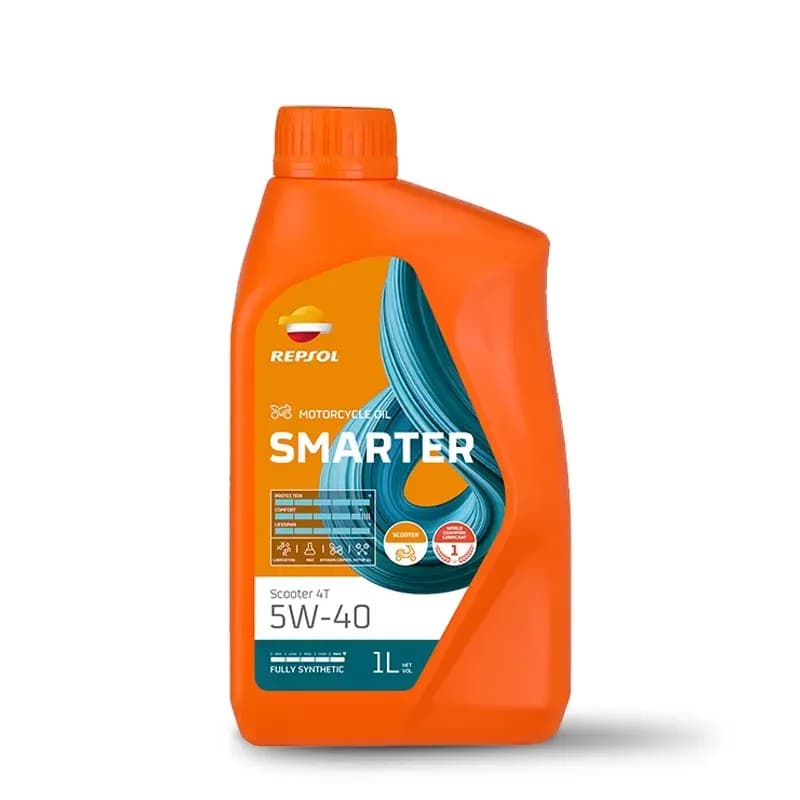
 ScootersTDS
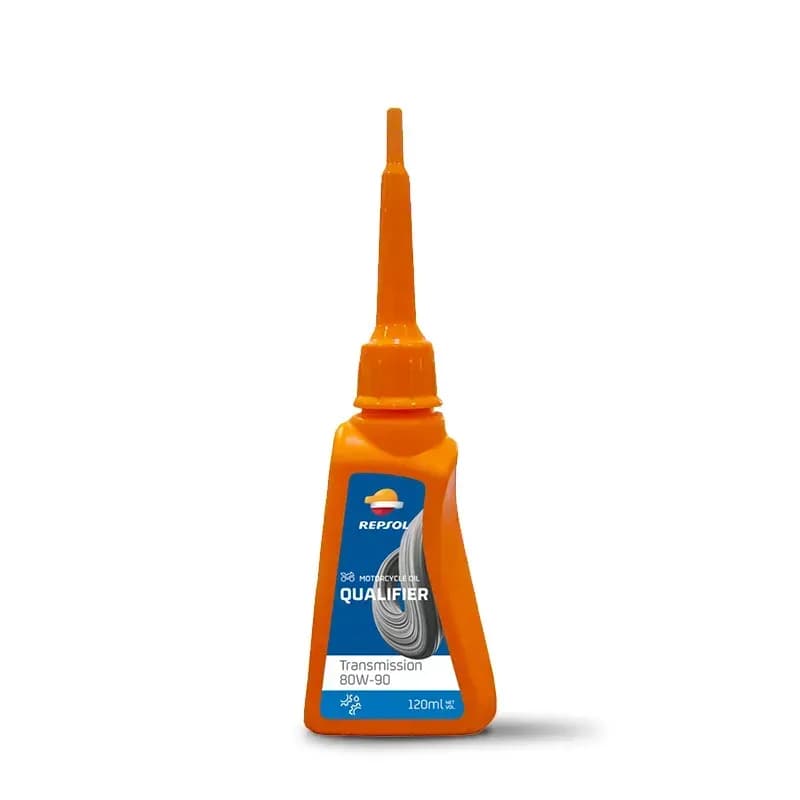 Clutch & big bikesTDS
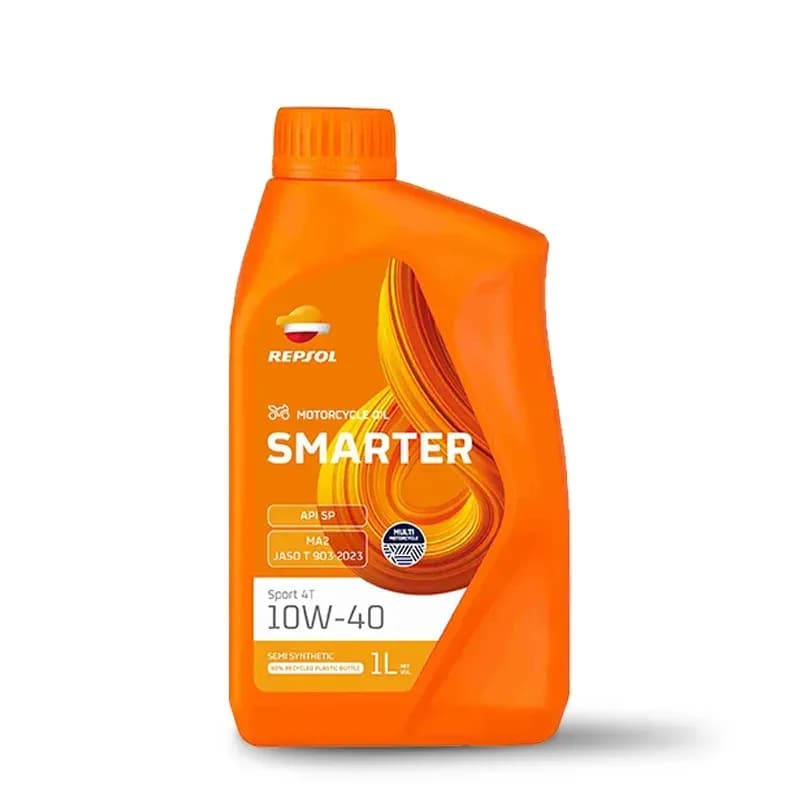 Manual motorcyclesTDS