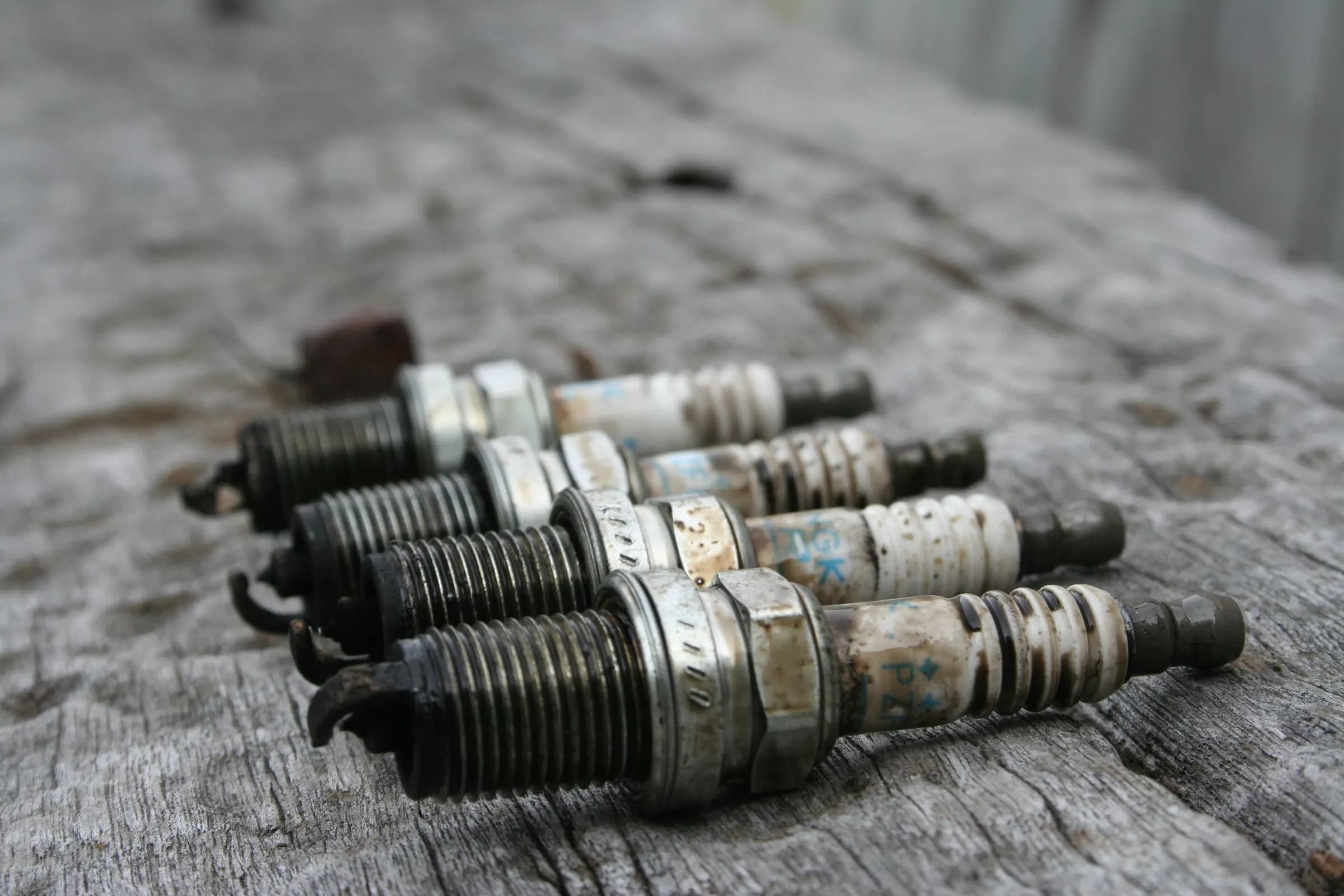
STORY
A grease inspection round in a factory
Grease fittings, bearings, conveyors, the DIN code on the label and the dropping point on the TDS: fourteen stops on a grease maintenance round.
By: Ung Vuong editorial teamPublished 13 Nov 20265 min read

A lubrication round starts with the schedule: which point, which grease, how much, how often - per the equipment maker's manual.
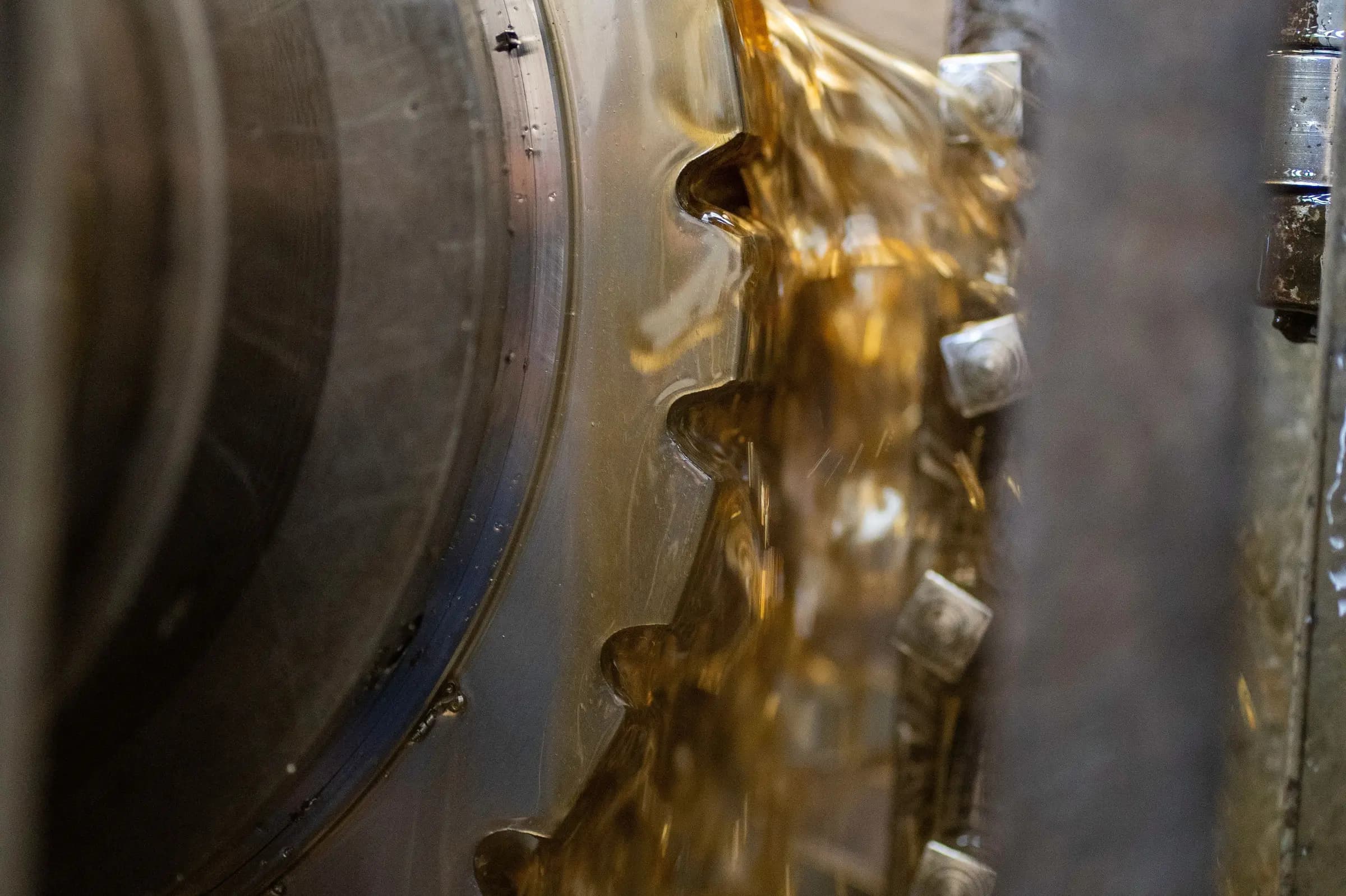
The grease fitting. Wipe it clean before pumping so dirt doesn't ride in with the grease. Replace a damaged or blocked fitting - don't skip the point.
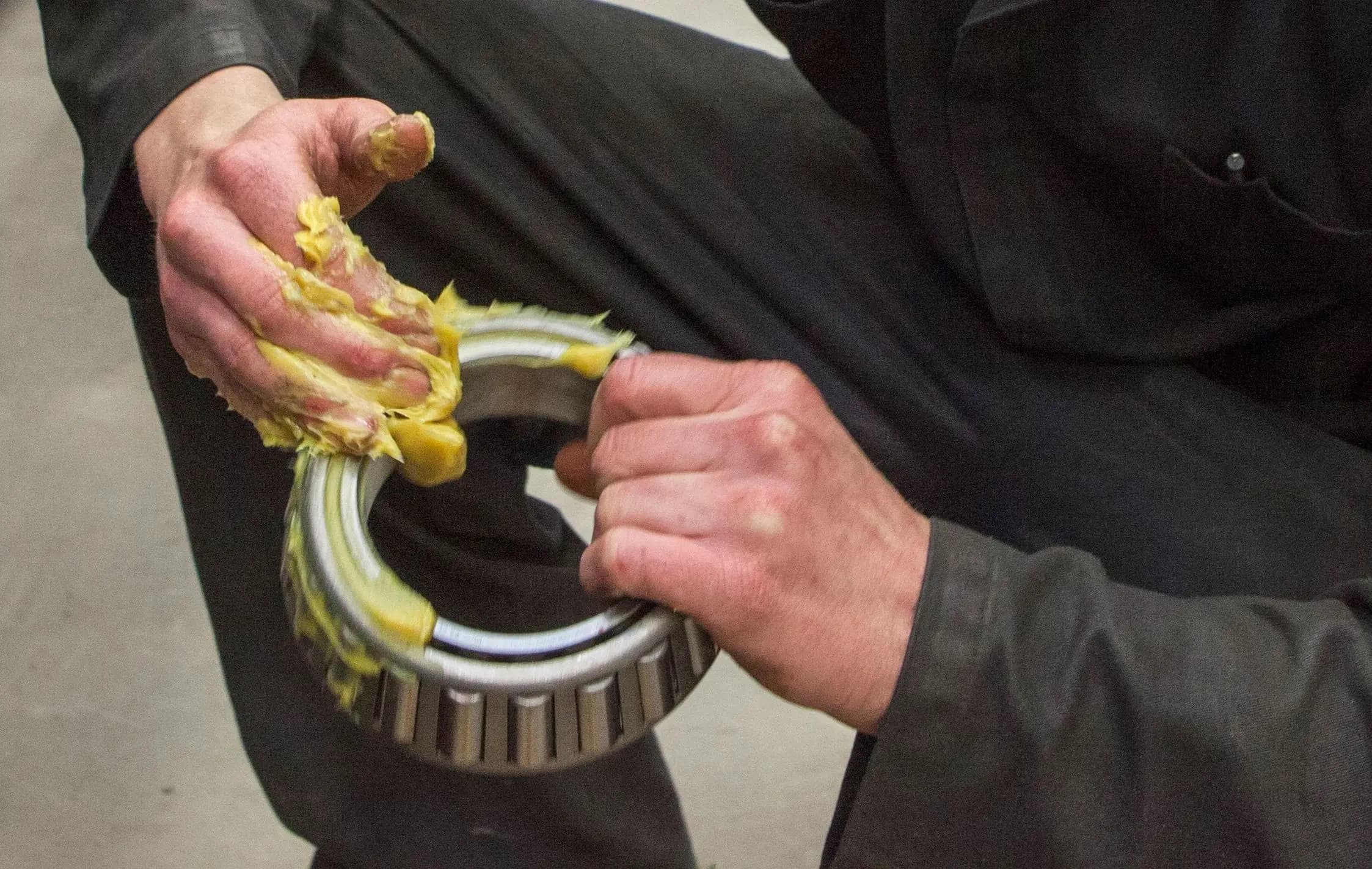
The right grease. The label shows the NLGI grade - consistency by cone penetration - and the thickener. The most common general bearing grade is NLGI 2, penetration 265-295 (0.1 mm).

Don't mix greases with different thickeners - lithium, lithium complex, calcium sulfonate, polyurea - without a compatibility check. When switching, purge the old grease as instructed.
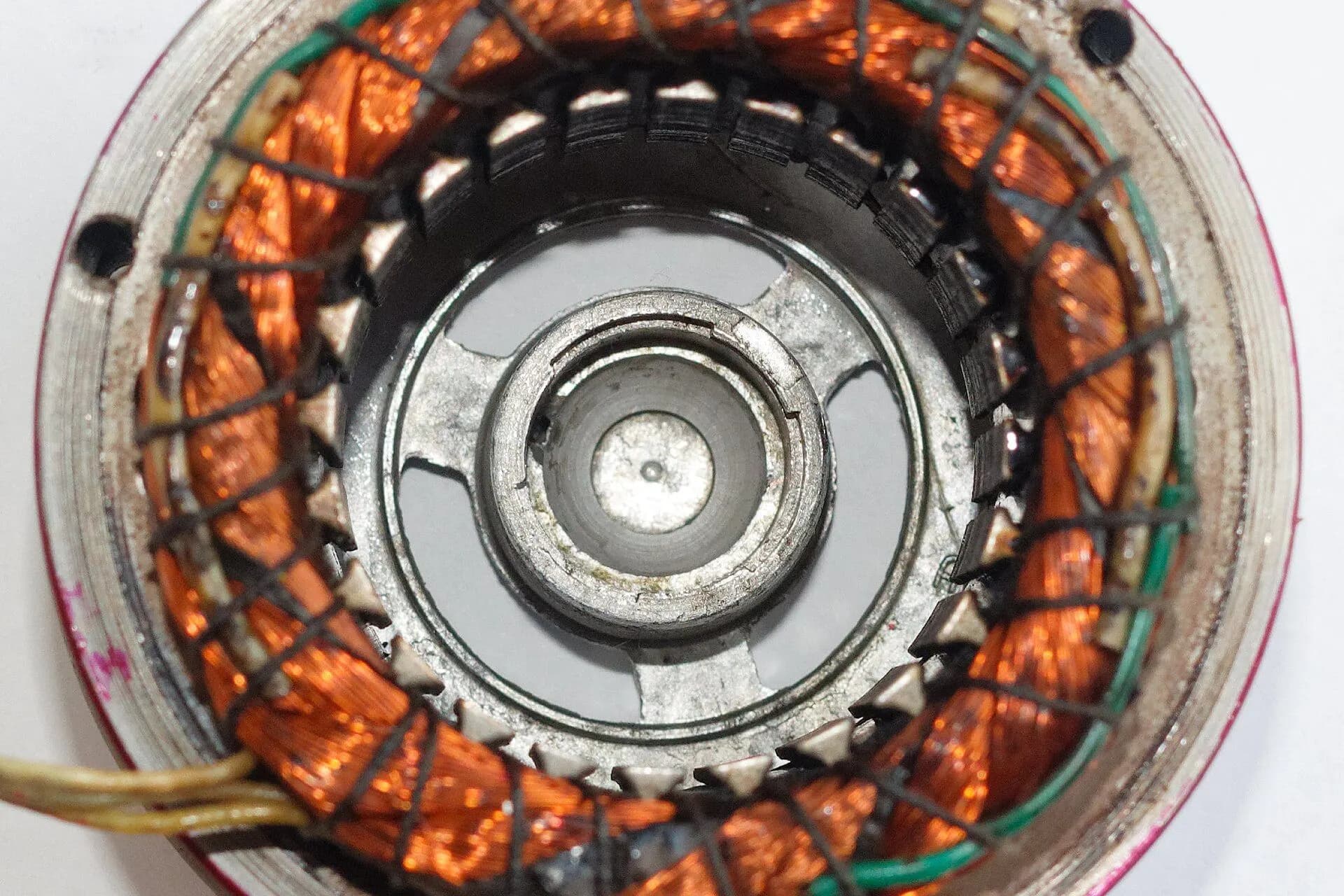
Electric motor bearings: pump the amount and interval the motor maker specifies. More is not necessarily better.
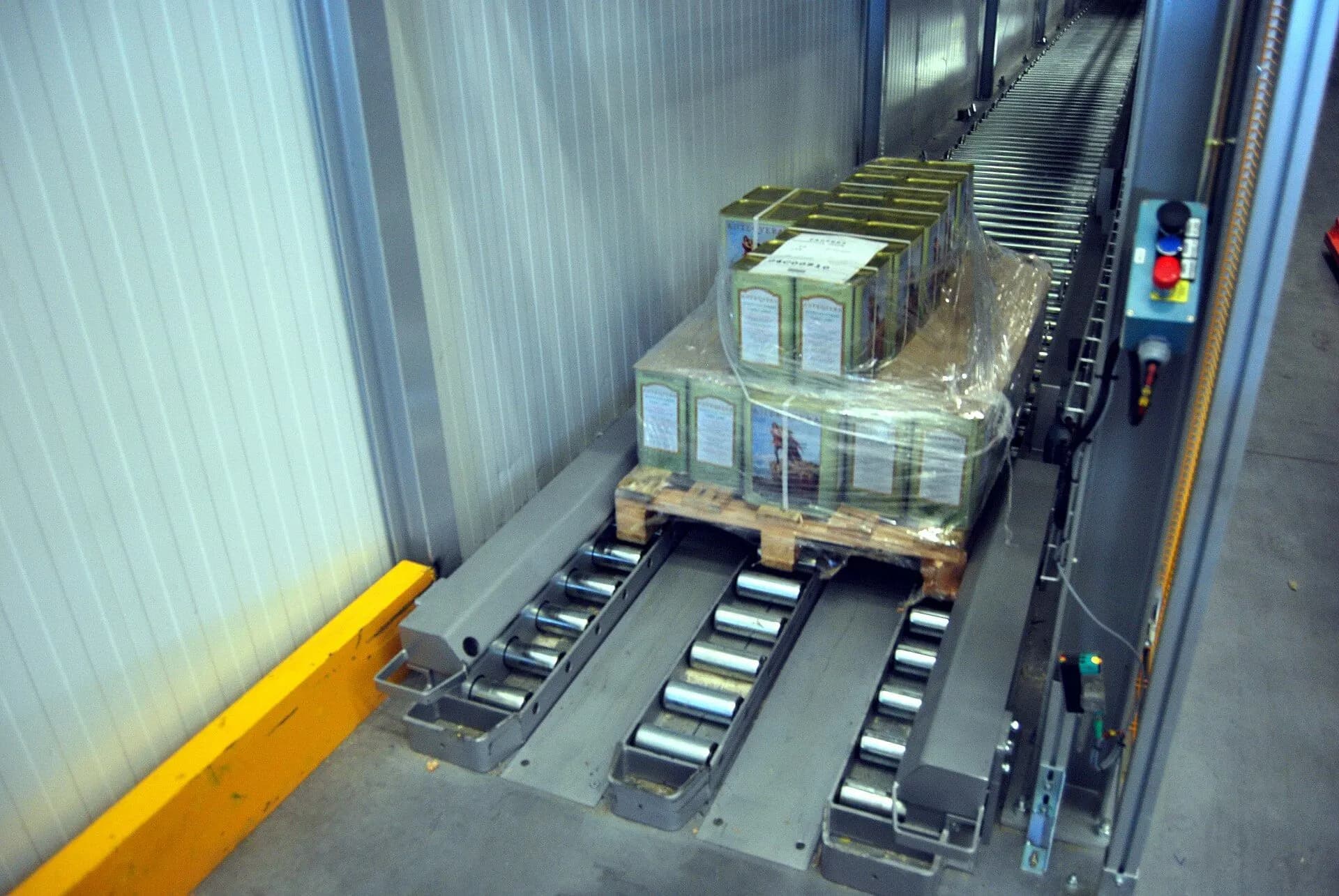
Conveyors: many rollers, many lube points. Tick off each point on the map so none is missed or done twice.
Semi-fluid NLGI 000 (445-475) and 00 (400-430) greases serve some enclosed gearboxes and centralised systems - only where the equipment maker allows.
Centralised systems push grease through long, narrow lines, so they often use soft grades such as NLGI 0 (355-385) or 1 (310-340). Check the reservoir and lines.
The letter after the NLGI number in a DIN 51502 code is the upper working temperature: K = 120 °C, N = 140 °C, P = 160 °C. The last number is the lower limit, e.g. -20.
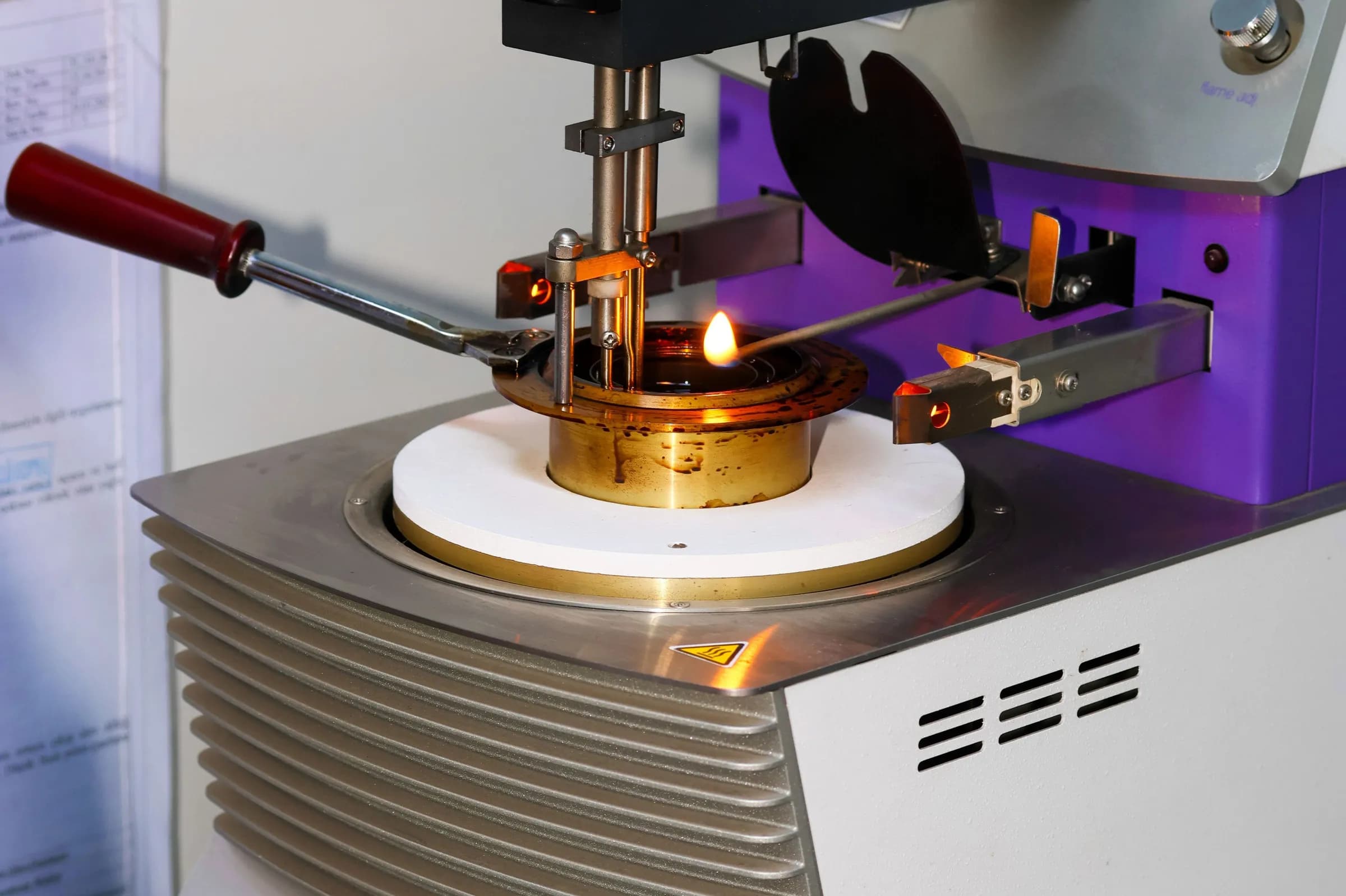
The dropping point on a TDS is not the working temperature. Repsol Protector Lithium EP 2 lists 195 °C, but its DIN code is KP 2K-20 - a 120 °C maximum.
Wet, wash-down points: check the rust test on the TDS, such as Emcor (DIN 51802). The Repsol Protector greases on our site list 0-0.

The grease store: lids on, cool and dry, first in first out. Label each grease gun by grease type so nobody loads the wrong one.
Record the date, point, grease, amount and anything odd - heat, noise, grease purging out. That data lets you tune intervals to reality.

Round complete. To choose grease for specific equipment, see [Greases](/en/vehicles/industrial/mo) and the [NLGI infographic](/en/magazine/infographic-nlgi-do-xuyen-kim-chon-mo).