STORY
A press stops on dirty hydraulic oil: the ISO 4406 story
A workshop press stops on dirty hydraulic oil: reading ISO 4406 codes, why new oil is not always clean, filtering before filling and routine oil analysis.
By: Ung Vuong editorial teamPublished 15 Nov 20264 min read
Dirty hydraulic oil rarely announces itself with a bang. It arrives quietly: a cylinder slower than yesterday, a valve that lags, a stop mid-shift. This story follows an imaginary workshop from the moment its press stops to the moment the maintenance lead understands three numbers on a lab report - the ISO 4406 cleanliness code - and changes how oil is received, filtered and filled.
01
Mid-shift: the press stops
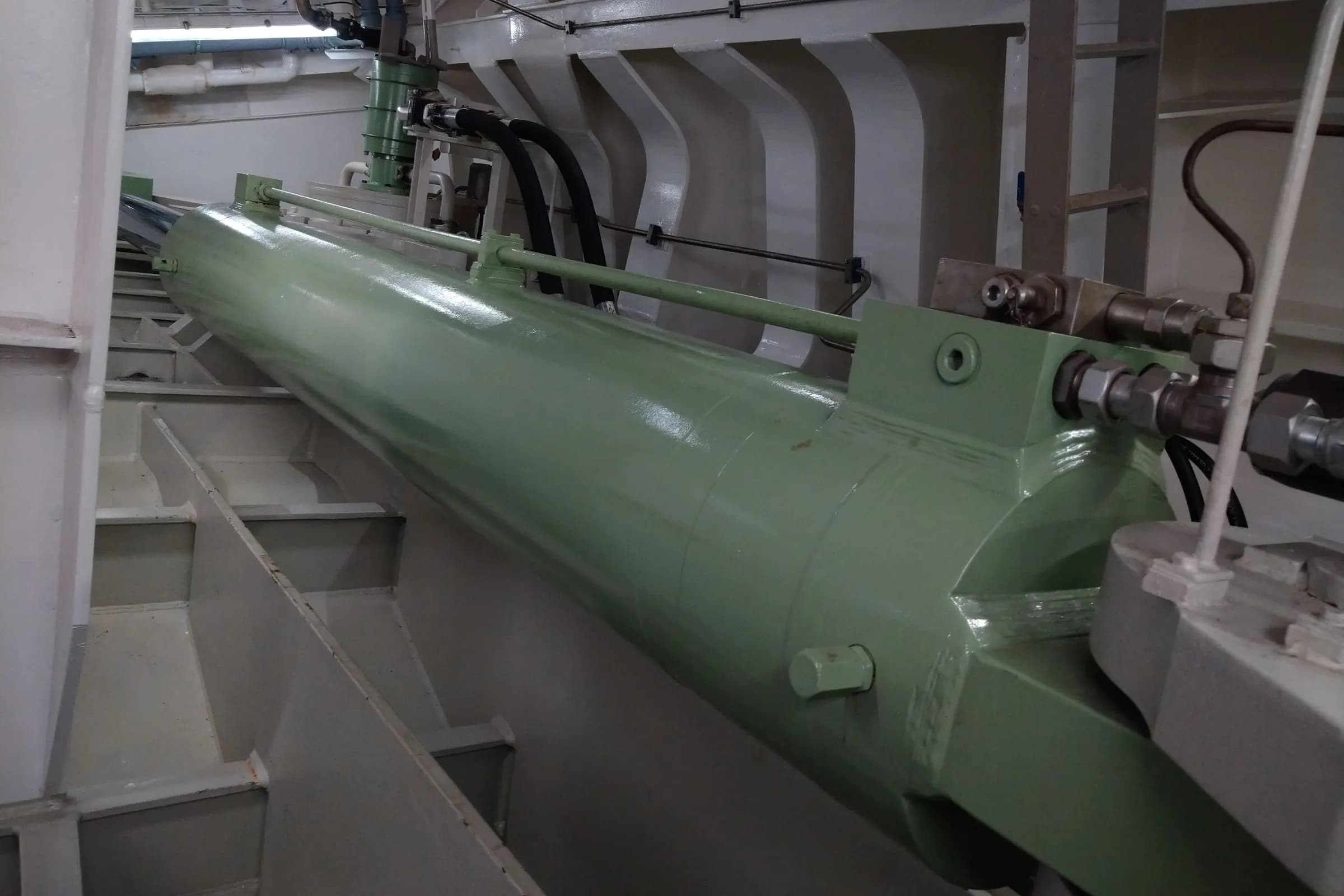
Ten in the morning, mid-run, the press throws a fault. The operator stops it by the book and calls maintenance. The big cylinder sits still; hoses and fittings look as oily as ever - nothing unusual from the outside.
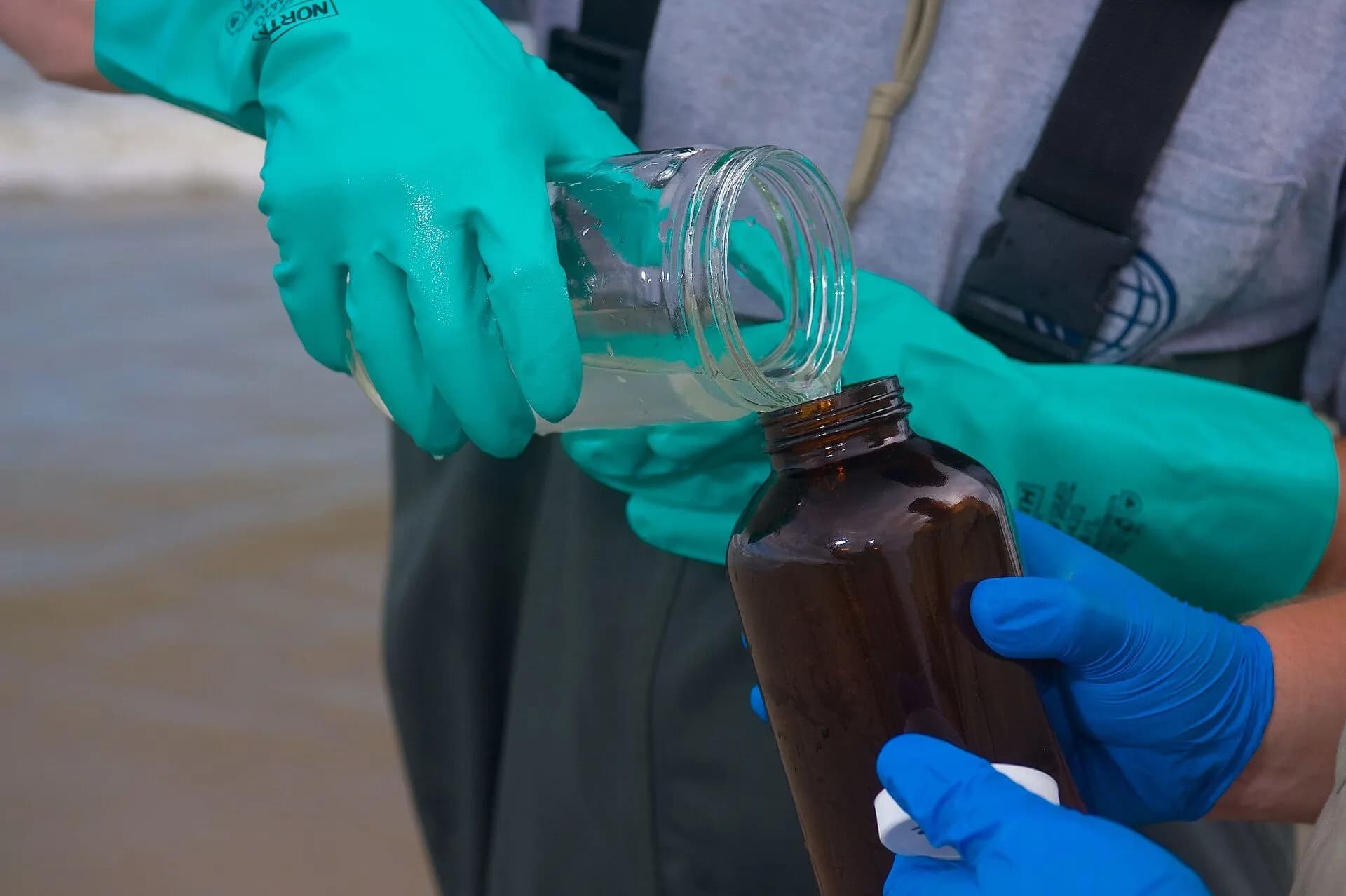
The technician checks the usual suspects: tank level, temperature, the filter's differential-pressure indicator. Then he does something the shop rarely does: draws an oil sample into a clean bottle, labels machine, date, time and sampling point, and sends it to a lab. The press runs again for now, but the question remains: how clean is the oil?
02
Three numbers on the report: reading ISO 4406
Days later the report arrives. Besides viscosity and water, one line shows three numbers separated by slashes: the ISO 4406 cleanliness code.
According to Learn Oil Analysis, ISO 4406 counts particles per millilitre at three sizes: above 4, 6 and 14 µm. Each number is a range code, not a count: code 20 means 5,000-10,000 particles/ml, code 21 means 10,000-20,000 - one step up roughly doubles the count. A code of 20/19/15 means range 20 above 4 µm, 19 above 6 µm and 15 above 14 µm.
Reference levels from Learn Oil Analysis
- typical new oil (construction hydraulics)
- 20/18/15typical new oil (construction hydraulics)
- usual caution level for that system
- 22/20/17usual caution level for that system
- ideal target often quoted by OEMs
- 18/16/13ideal target often quoted by OEMs
- particle count per one code step
- ≈ × 2particle count per one code step
Source: Learn Oil Analysis - Particle counting (ISO 4406)
For servo valves the same source puts the caution level at 18/16/13. The right target for this press is in its machine, pump and valve makers' documents.
Oil as clear as honey can still be dirty: the eye cannot count 4 µm particles.
03
New oil is not necessarily clean oil
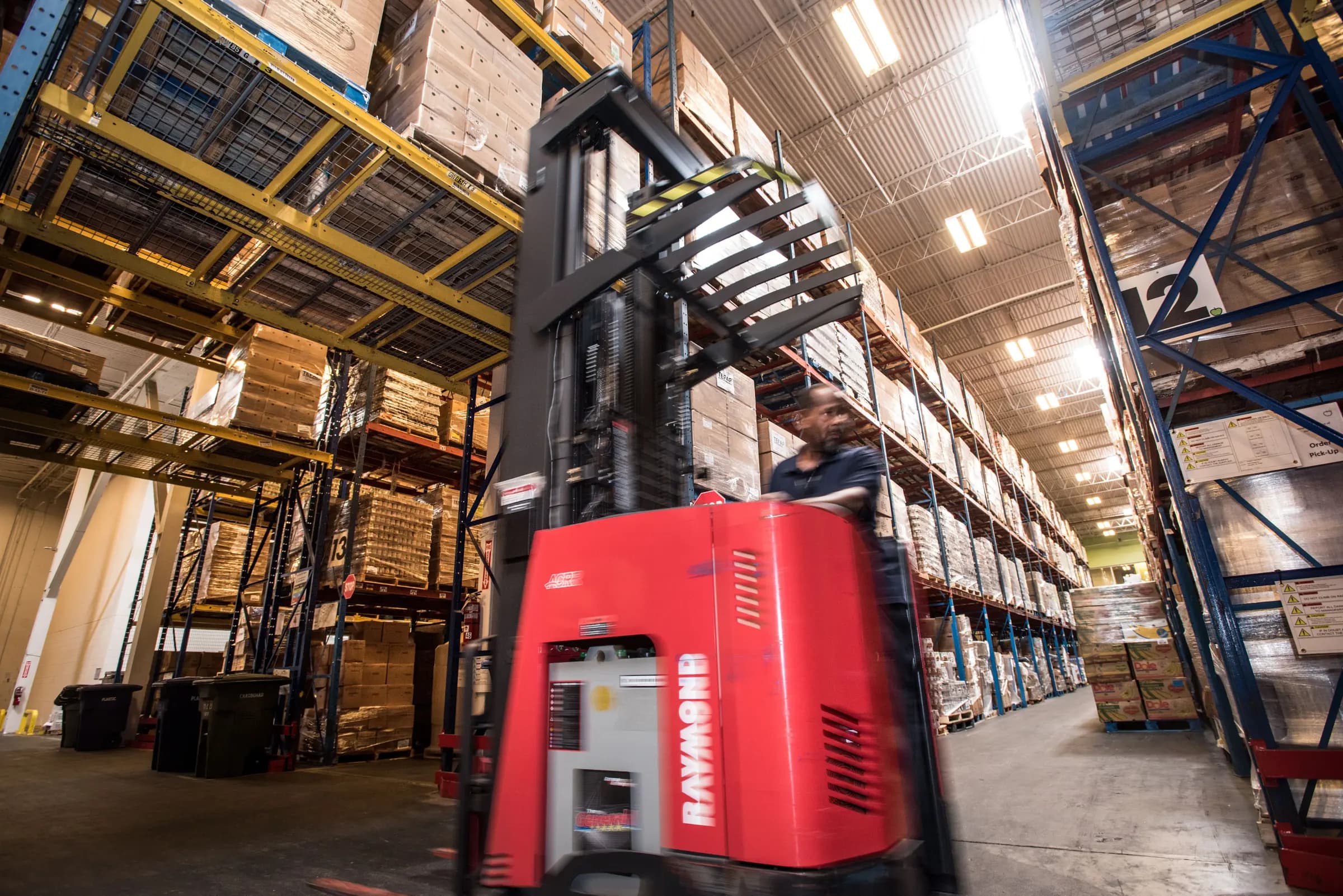
The maintenance lead walks to the store. New, sealed drums of hydraulic oil stand on pallets. The day before, one was opened to top up the press - poured straight from drum to a transfer can to the tank.
In Machinery Lubrication (issue 2/2019), Loren Green puts it simply: new oil does not mean clean oil. He advises testing new hydraulic oil on arrival, before it enters equipment, and says that with few exceptions oil should not go into service without filtration. Suppliers do not print "filter before use" on drums; filtering is the user's job and cost.
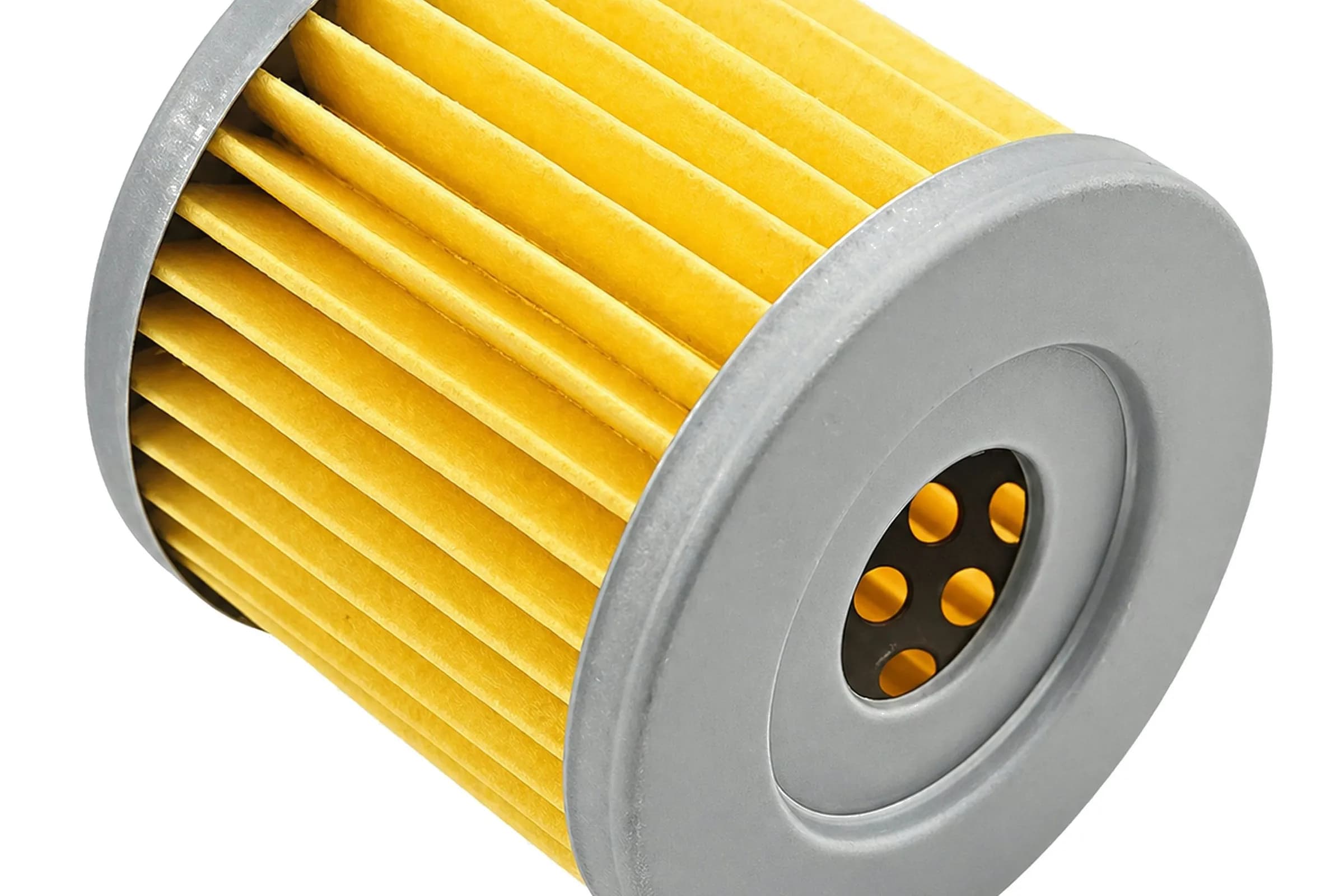
The shop changes habits: new oil goes through a filter cart, transfer cans stay dedicated and capped, the tank breather is checked with the filter.
04
Oil analysis as a schedule, not a reaction
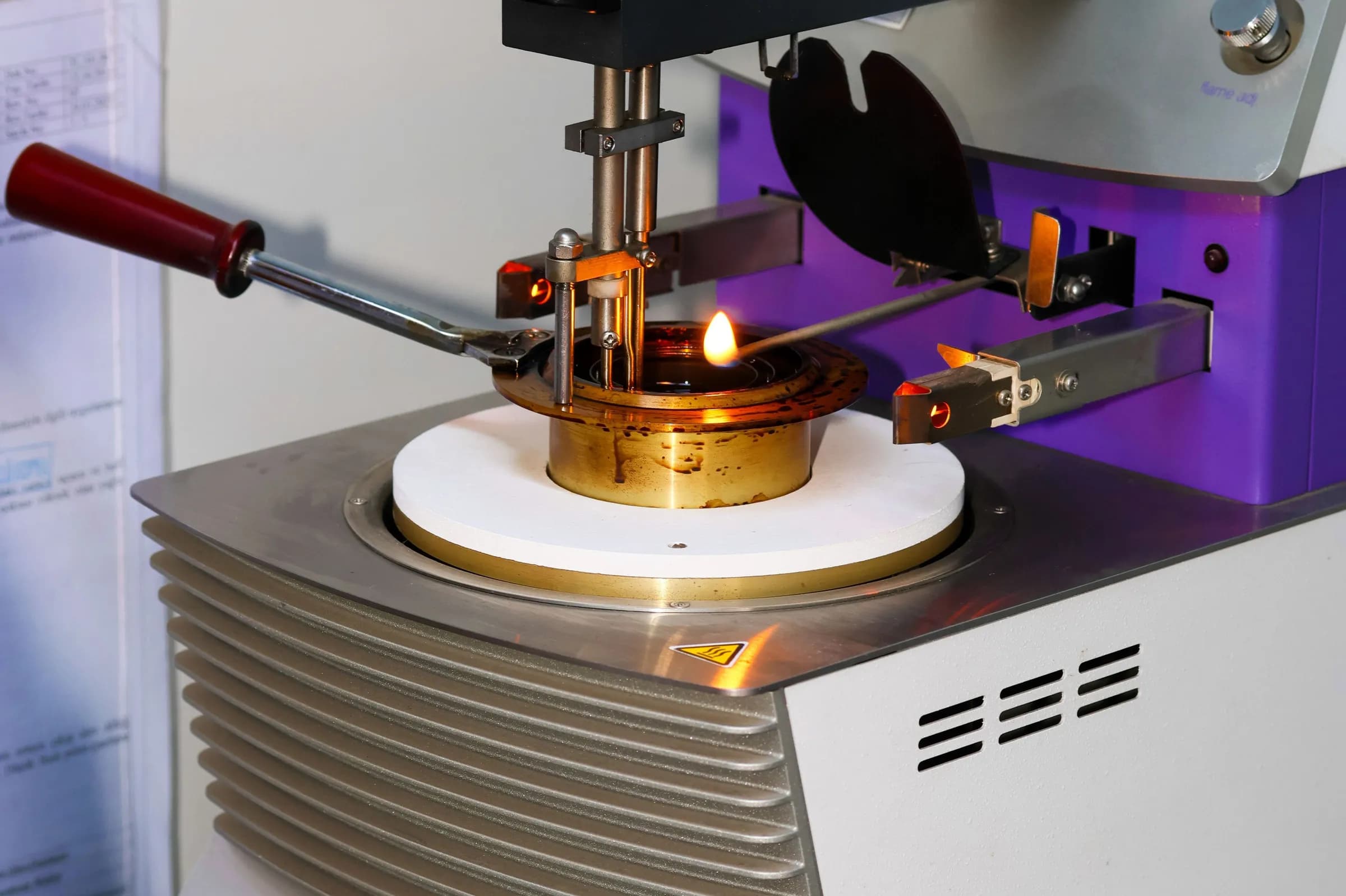
Three months on, a second sample goes out, then a third - this time by schedule, not breakdown. Reports sit side by side: cleanliness code, viscosity, water. An unusual rise is a cue to check filters, seals and breathers before the machine stops.
The value of oil analysis is in the trend, not a single report. A code acceptable for one machine may not be for another; what matters is knowing each machine's target and which way your oil is heading.
05
Choosing the hydraulic oil and the supplier

For the next order, the lead brings an equipment table - machine, ISO VG grade, HM or HV, pump and valve requirements - not just "hydraulic oil 46".
Ung Vuong's industrial range includes Shell Tellus S2 MX (anti-wear HM, ISO 11158 HM), TotalEnergies Azolla ZS (machine tools, injection moulding machines, presses) and Mobil DTE 20 Ultra (high-pressure pumps, servo valves, CNC). Each page links the maker's TDS; cleanliness at filling still depends on your own receiving and filtering routine.
- Produced by
- Ung Vuong editorial team
- Content
- Ung Vuong editorial team
- Design
- Ưng Vương Web