LONGFORM
Common-rail diesel: soot and engine oil
High-pressure injection made diesels quieter and cleaner, but EGR still sends soot into the sump. How soot thickens oil, causes wear, and how specs test for it.
By: Ung Vuong editorial teamPublished 14 Nov 202611 min read

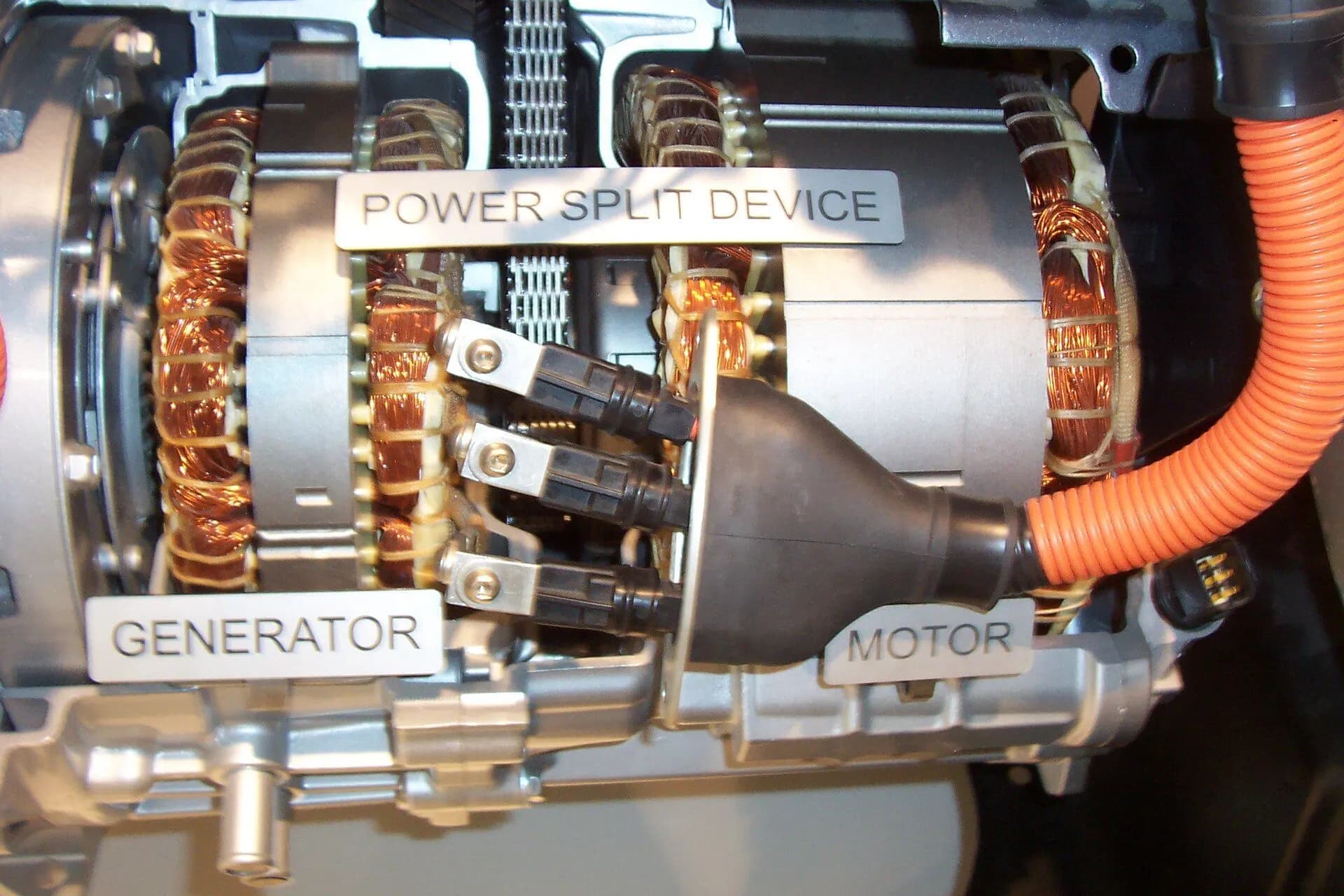
In a common-rail system, a high-pressure pump feeds a shared accumulator (the rail) and electronics set rail pressure and each injector's timing, independent of engine speed and load (DieselNet, rev. 2020.11). This enables small pilot injections and multiple injections per cycle.
- 1995
Nippondenso's commercial-vehicle system enters production on Hino Rising Ranger trucks.
- 1997
Bosch's passenger-car system debuts on the Mercedes C 220 CDI and Alfa Romeo 156 JTD, at up to 1,350 bar.
- 2013
Bosch CRS3-25: its first passenger-car piezo injector at 2,500 bar.
- 2025
Bosch piezo common-rail system: up to 2,700 bar (product summary, 18/8/2025).
01
Why soot still reaches the oil
A 2018 University of Sheffield review explains that retarded injection timing and lower combustion temperatures (to cut NOx) trap more soot, while EGR returns combustion products to the engine. Primary soot particles are hard spheres of 20-50 nm that agglomerate to 50-500 nm, and soot can reach 8 % of the oil.
Soot in diesel oil
- primary particles
- 20-50 nmprimary particles
- agglomerates
- 50-500 nmagglomerates
- soot found in engine oil
- up to 8 %soot found in engine oil
- field range of ASTM D7686 (infrared)
- up to 12 %field range of ASTM D7686 (infrared)
Source: Abdulqadir et al., Tribology: Materials, Surfaces and Interfaces 12(3), 2018
02
What soot does
The same review lists the mechanisms: hard particles abrade surfaces or block oil from entering a contact, soot wears away the anti-wear film, and large viscosity increases hinder the oil pump.
- Thickens the oil and loads the pump.
- Abrades surfaces or starves contacts of oil.
- Wears away the anti-wear tribofilm.
- Settles as sludge if dispersants are depleted.
Dispersants keep soot suspended so it cannot clump. Mobil's PDS for Delvac Modern 15W-40 Full Protection (10-2026) cites soot-viscosity control for EGR engines with and DOC aftertreatment.
03
How specifications test it
| Test | Measures | CK-4 limit (1 test) |
|---|---|---|
| Mack T-11 | Soot % at +4/12/15 cSt | ≥ 3.5 / 6.0 / 6.7 % |
| Mack T-12 | Top ring loss; liner wear | ≤ 105 mg; ≤ 24.0 µm |
| Cummins ISB | Slider tappet loss; cam wear | ≤ 100 mg; ≤ 55 µm |
| Cummins ISM | Merits; top ring loss | ≥ 1,000; ≤ 100 mg |
| Volvo T-13 | Oxidation; KV40 increase | ≤ 125 cm⁻¹; ≤ 75 % |
Mack T-11 is intuitive: the engine runs while soot builds up, and the soot level is recorded when oil viscosity has risen by 4, 12 and 15 cSt - so the limits are minimums. The 180-hour T-11 sample must also pass a low-temperature pumpability test (≤ 25,000 cP at −20 °C), so soot-laden oil still flows at a cold start.
ACEA 2024 heavy-duty sequences use Mack T-8E and Cummins ISM for soot effects and accept Mack T-11 results from API programmes. Ash matters too: with CJ-4 oils, DPF pressure drop roughly doubles after about 4,680 hours (DieselNet). See low-SAPS oils and DPFs.
Injection pressure cleaned up the tailpipe; in the sump, soot is still the oil's job.
- Produced by
- Ung Vuong editorial team
- Content
- Ung Vuong editorial team
- Design
- Ưng Vương Web
Products in this article
- Mobil Delvac Modern 15W‑40 Full ProtectionImage coming soon
 TrucksTDS
Mobil Delvac Modern 15W‑40 Full Protection
- SAE 15W-40
- API CK-4/CJ-4
- +2
- +3
 Trucks
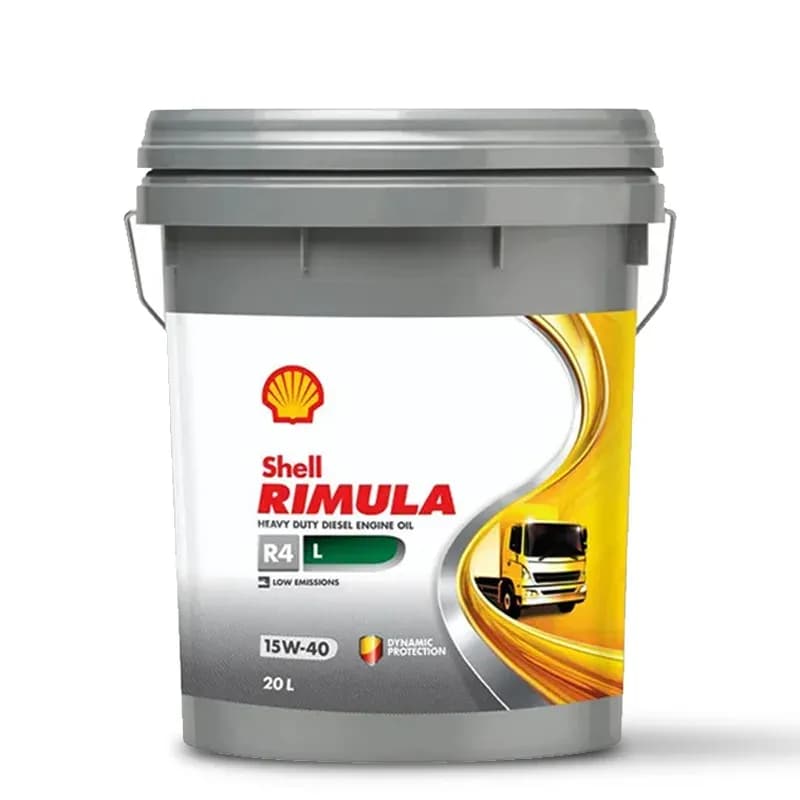
SHELL RIMULA R4 L 15W‑40
- SAE 15W-40
- API CK-4
- +1
- +2
 TrucksTDS
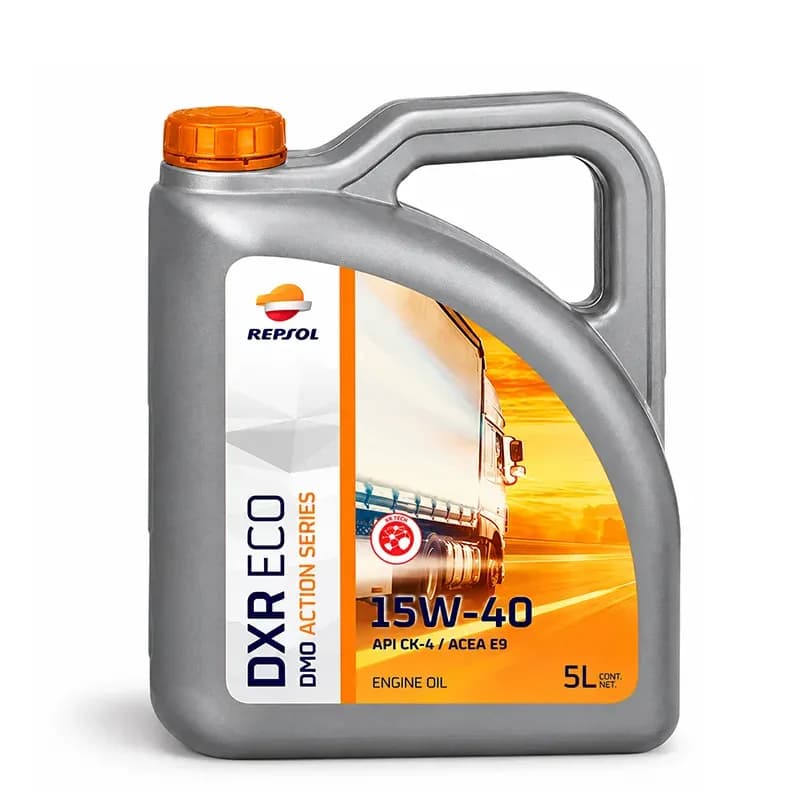
REPSOL DXR ECO SAE 15W‑40
- SAE 15W-40
- API CK-4
- +1
- +2
 Cars