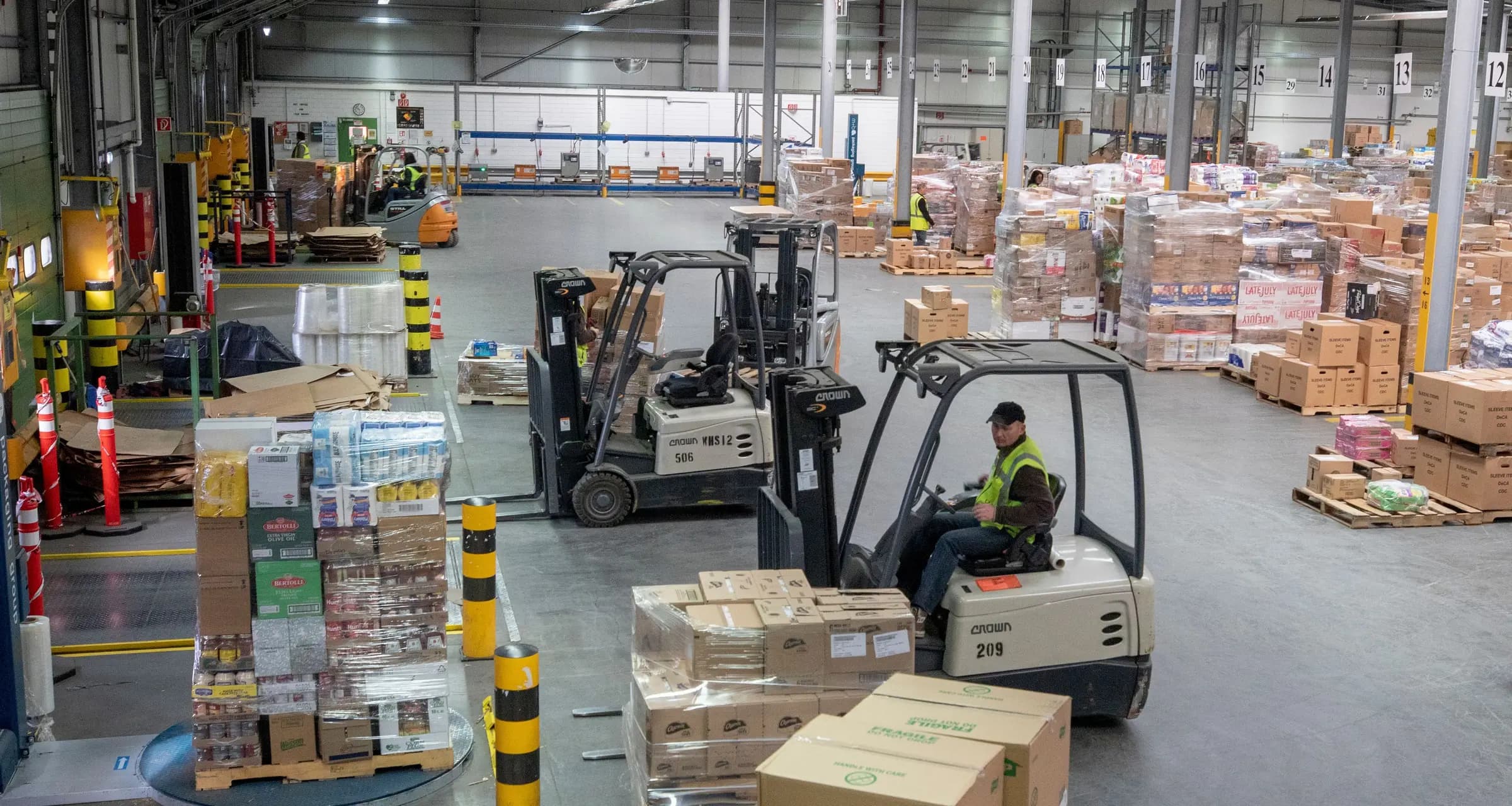
INFOGRAPHIC
Used oil at the workshop: collect, store, hand over
Used oil at a repair shop is hazardous waste: the waste codes, storage rules under Circular 02/2022, the one-year limit and the hand-over manifest.
By: Ung Vuong editorial teamPublished 15 Nov 20267 min read
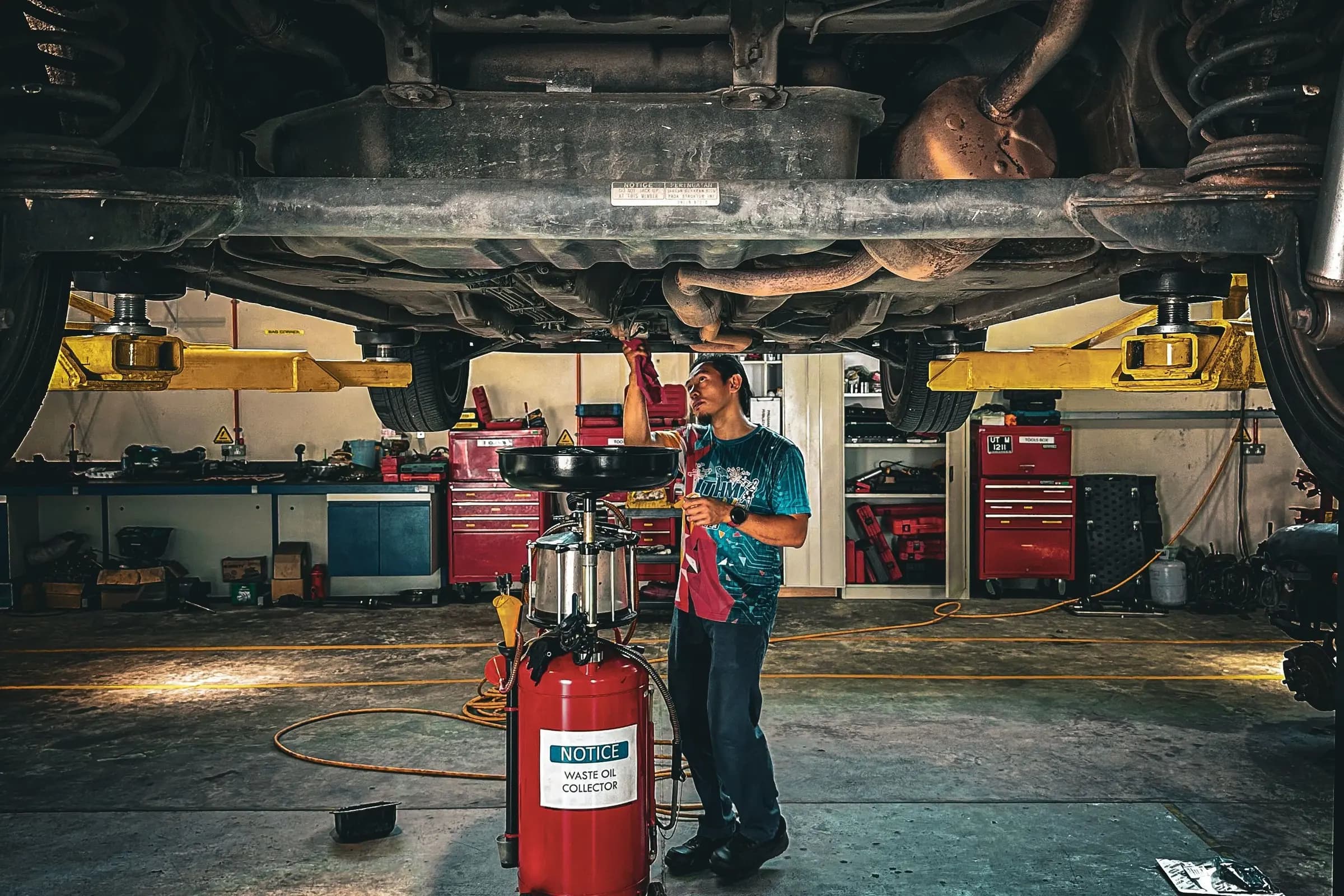
Every oil change leaves used oil, a filter, rags and oily bottles - most of it hazardous waste under Vietnamese law. Handling it correctly takes four stages: classify, store, respect the time limit and hand over with a manifest. The bigger picture (producer recycling duties) is in Used oil: from workshop to recycling. This is general information, not legal advice.
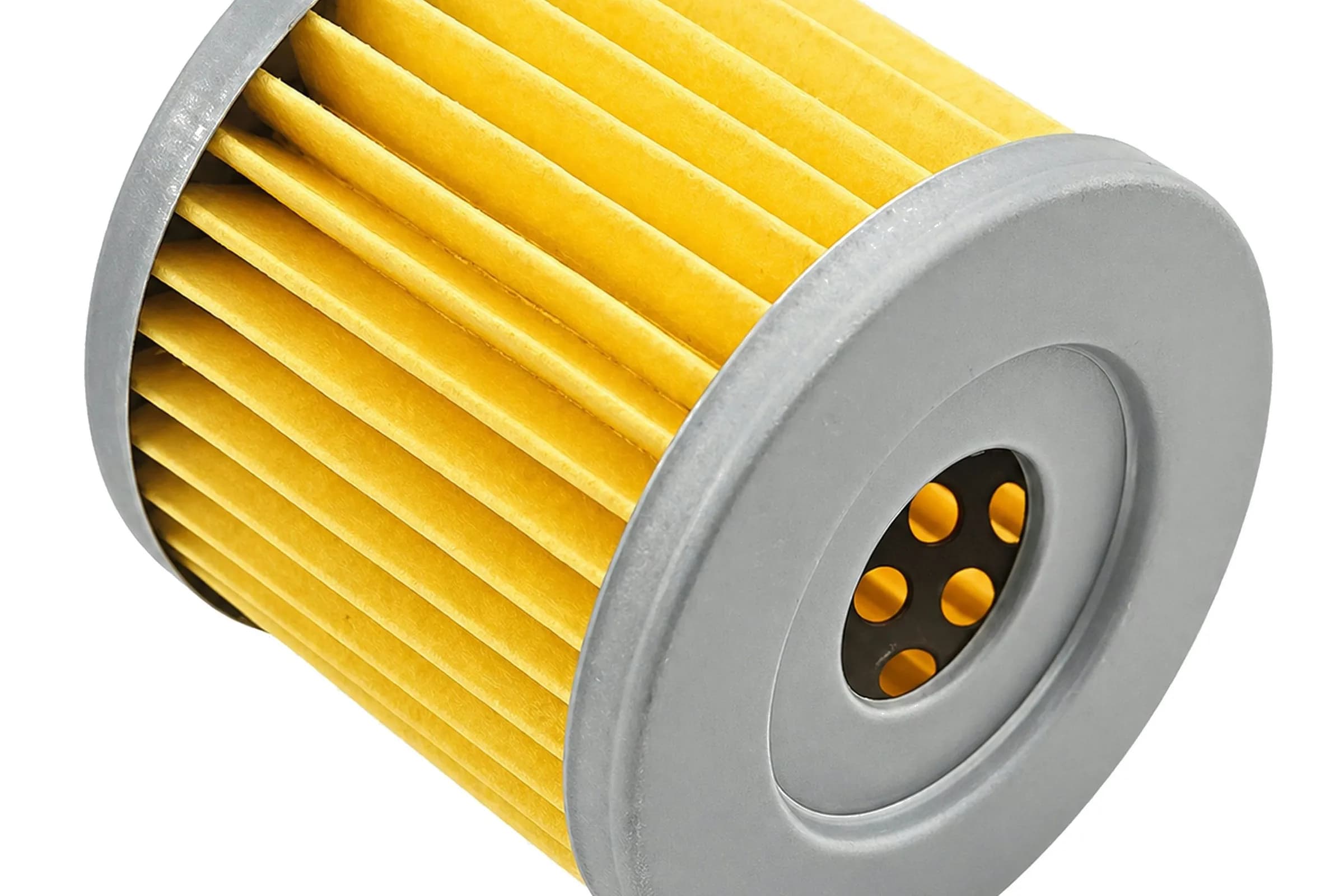
Classify (Circular 02/2022, Form 01 Annex III): 17 02 01-04 waste engine, gear and lubricating oils - hazardous (NH); 15 01 02 used oil filters - NH; 15 01 07 waste brake fluid - NH; 18 02 01 oily rags and absorbents - controlled (KS); 18 01 03 oily rigid plastic packaging - KS. Store (Article 35): rigid containers with sealed lids for liquids, filled to ≤ 90 % or ≥ 10 cm below the top; sealed impermeable floor under a roof; incompatible wastes apart; dry sand or sawdust and a shovel; fire-fighting equipment; warning sign ≥ 30 cm a side. Time limit: no more than 1 year on site (Decree 08/2022, Article 71). Hand over to a facility with a suitable environmental permit, with a hazardous waste manifest (Form 04); if the last 2 copies are not returned within 6 months, report to the authority.
01
Classify: oil, filters and rags have different codes
Article 83(1) of Law 72/2020/QH14 requires hazardous waste generators to declare, classify and store waste separately and hand it to a facility with a suitable environmental permit. Circular 02/2022/TT-BTNMT (Form 01, Annex III) codes waste engine, gear and lubricating oils 17 02 01-04 and used oil filters 15 01 02 as always hazardous (NH); oily rags (18 02 01) and oily rigid plastic packaging (18 01 03) are controlled (KS).
| Code | Workshop waste | Class |
|---|---|---|
| 17 02 01 - 17 02 04 | Waste engine, gear and lubricating oils | NH |
| 15 01 02 | Used oil filters (road vehicles) | NH |
| 15 01 07 | Waste brake fluid | NH |
| 18 02 01 | Oily rags, filter materials, protective cloth | KS |
| 18 01 03 | Rigid plastic packaging that held hazardous substances | KS |
02
Store: rigid, sealed, on an impermeable floor
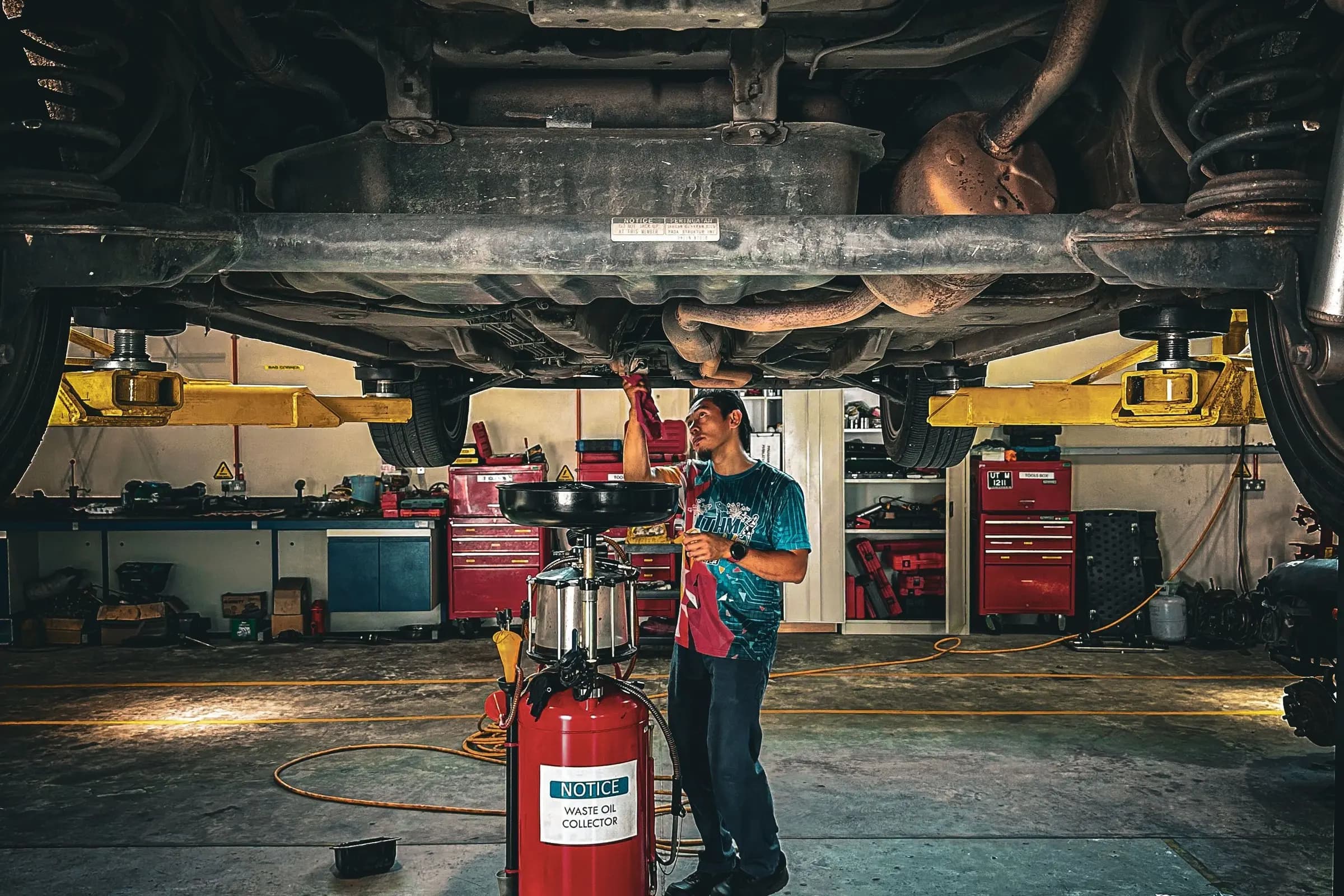
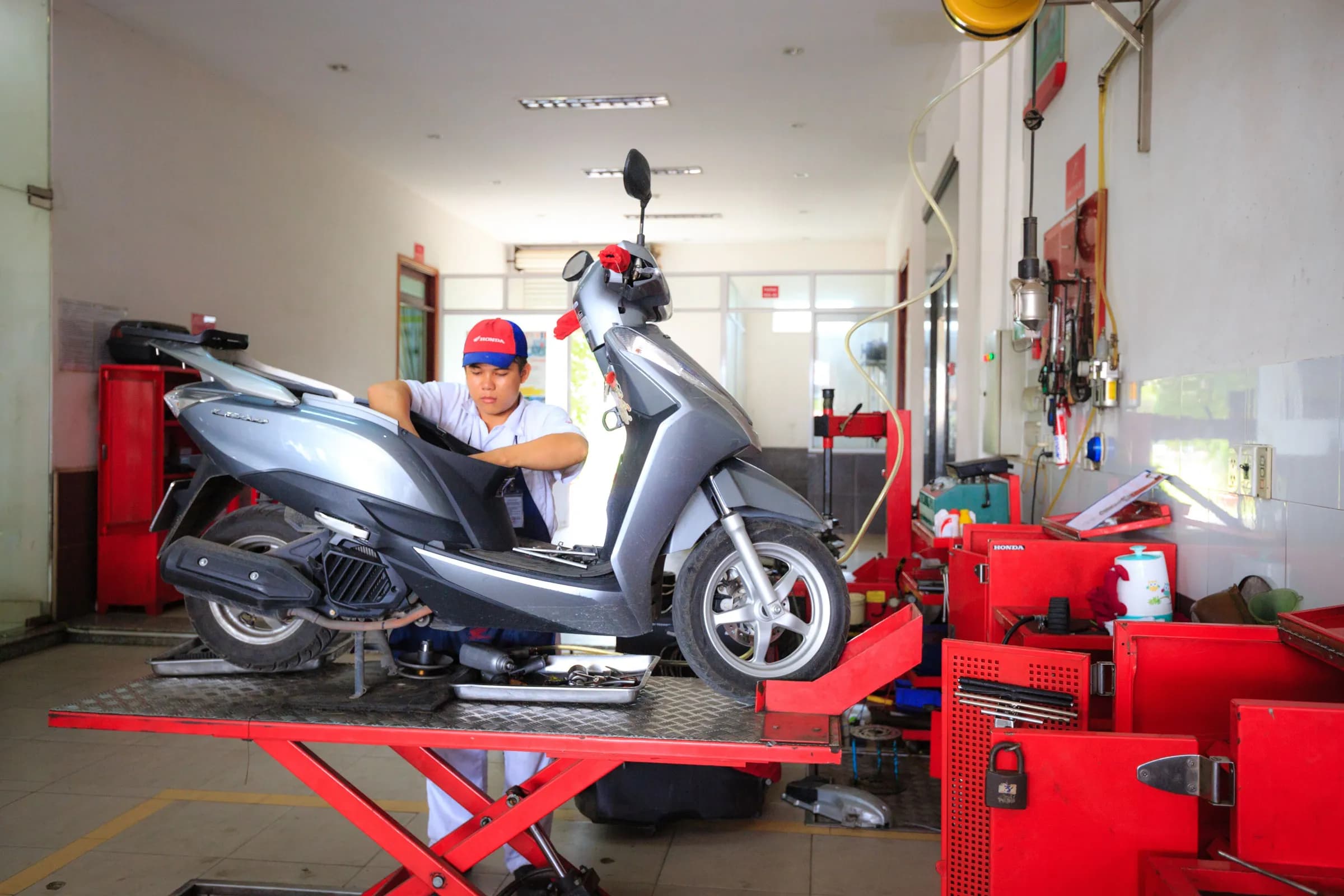
Article 35 of Circular 02/2022: liquids in rigid containers with sealed lids, filled to at most 90 % or at least 10 cm below the top; a sealed, impermeable floor under a roof; incompatible wastes apart; fire-fighting equipment, dry sand or sawdust and a shovel; a warning sign at least 30 cm a side. Circular 09/2026/TT-BNNMT (in force 29/1/2026) amended clause 1 of Article 35 on declaration.
03
Keep it no longer than one year
Decree 08/2022/ND-CP, Article 71: hazardous waste may be stored on site for no more than 1 year from generation; beyond that, report yearly to the provincial authority. Projects and facilities in groups I-III generating 1,200 kg/year or 100 kg/month or more need an environmental permit. The decree has since been amended by Decrees 05/2025 and 48/2026 - check the consolidated text, and ask your local authority which rules apply to your shop.
Used oil doesn't disappear in the drum - it waits to be handed to the right party with the right papers.
04
Hand over: licensed facility, full manifest
Contract a licensed hazardous waste facility and complete a manifest (Form 04, Annex III of Circular 02/2022) for each hand-over. If the last two copies are not returned within 6 months without a written reason, report to the authority. Don't sell used oil to unlicensed collectors; keep contracts and manifests.
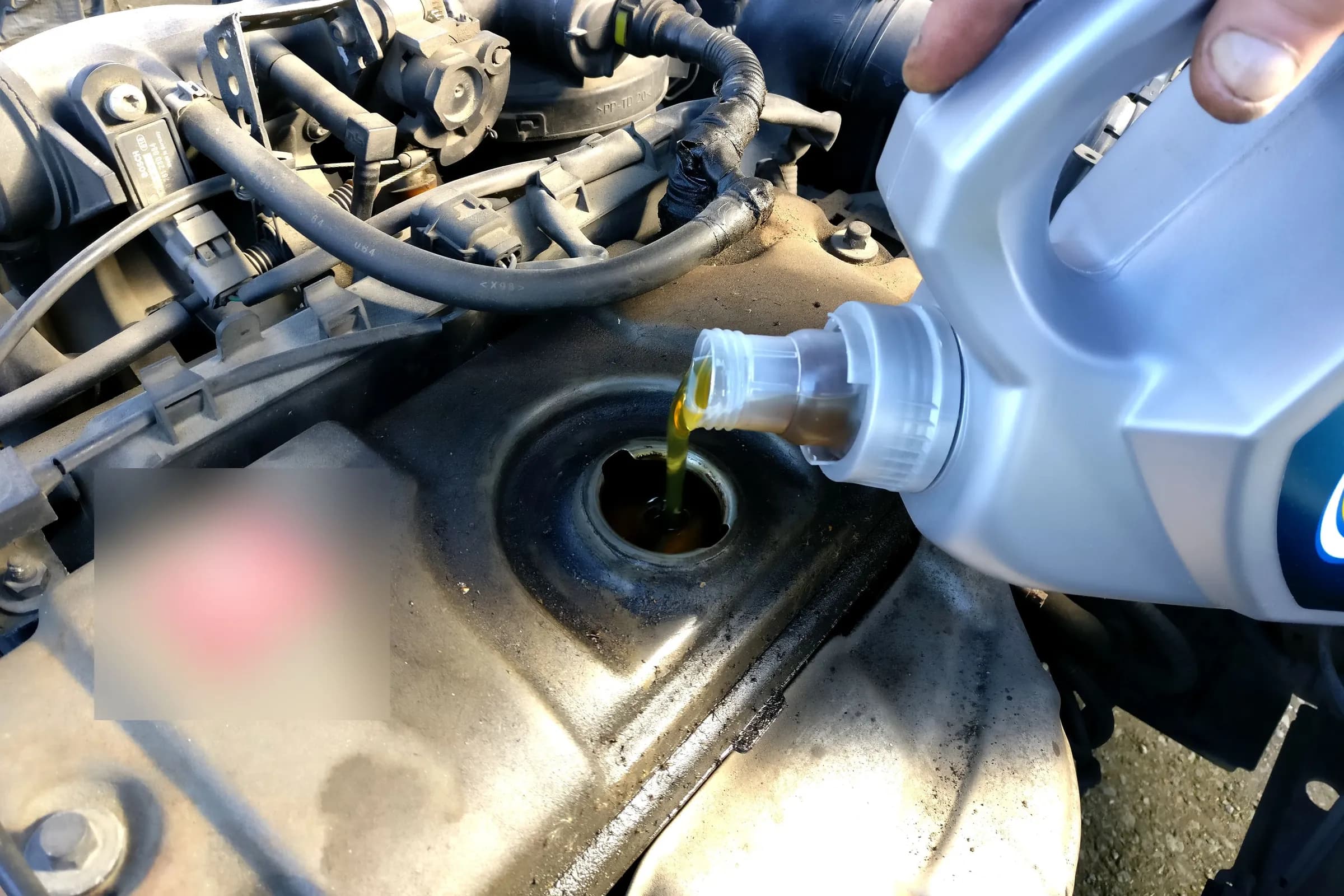
New oil in, old oil out: keep the used-oil log next to the purchase log.
Products in this article
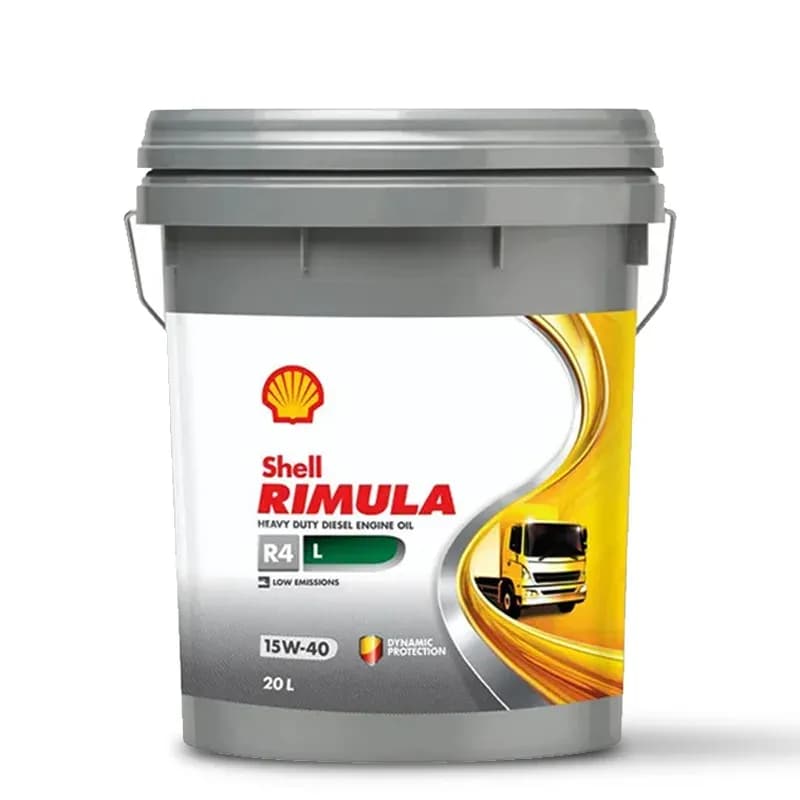
 Trucks
SHELL RIMULA R4 L 15W‑40
- SAE 15W-40
- API CK-4
- +1
- +2
 TrucksTDS
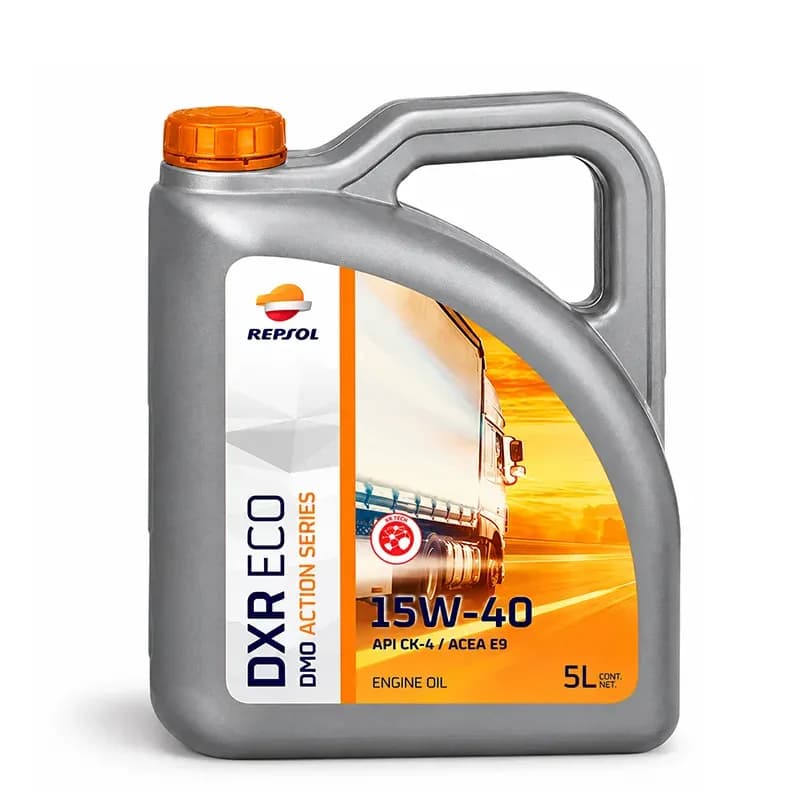
REPSOL DXR ECO SAE 15W‑40
- SAE 15W-40
- API CK-4
- +1
- +2