LONGFORM
Used oil: from workshop to recycling, and the law
Every oil change leaves litres of used oil. Vietnam's environment law and decrees 08/2022, 05/2025 and 110/2026 set out who must do what with it.
By: Ung Vuong editorial teamPublished 13 Nov 202614 min read
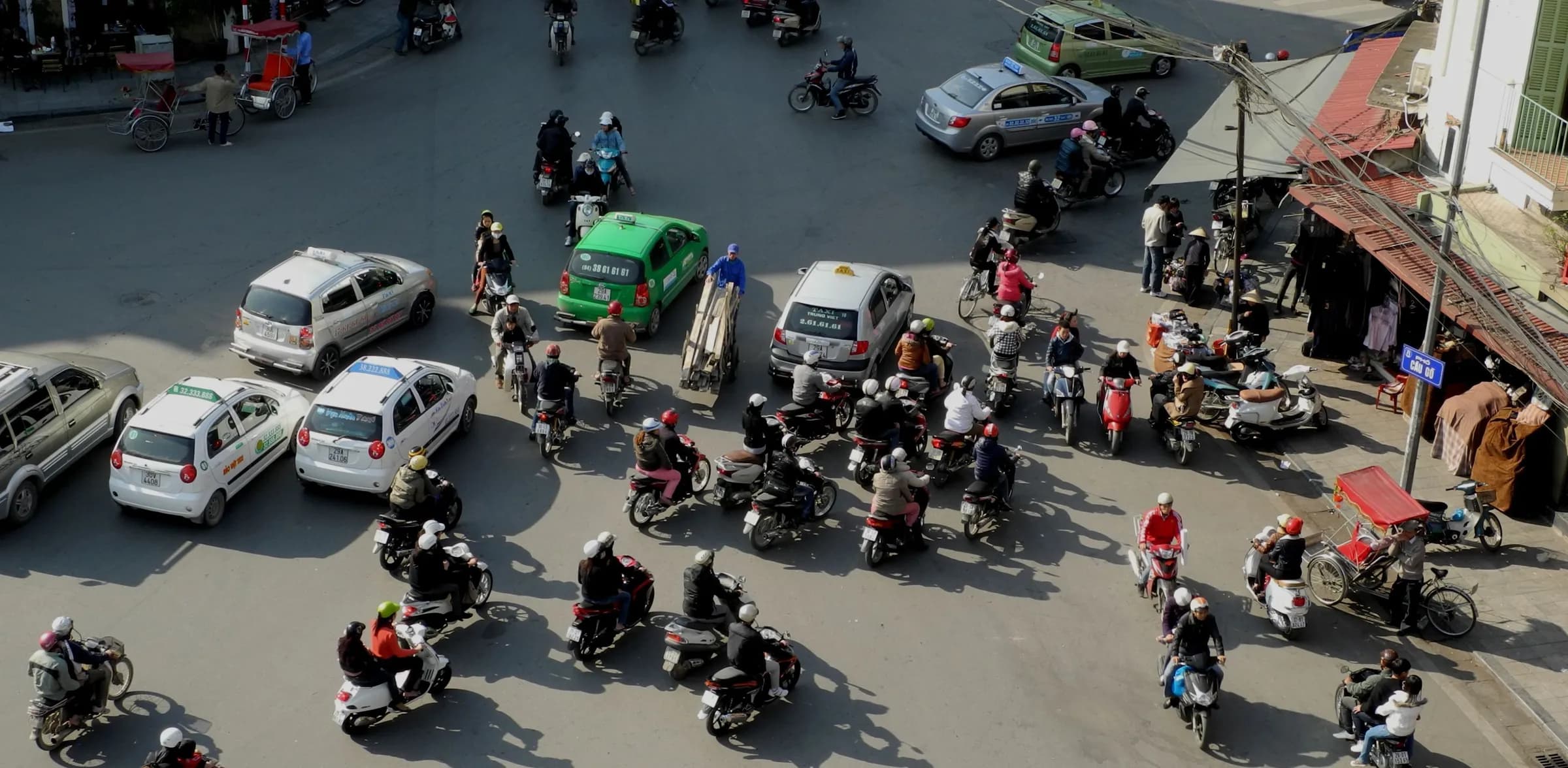
A motorcycle oil change leaves about a litre of used oil; a car four or five; a big truck or generator more still. Multiply that by millions of oil changes a year and “where does the old oil go?” becomes a big environmental question - and since 2022 one the law answers fairly clearly.
01
What used oil is, and why it is regulated
The national technical regulation on waste oil recycling, QCVN 56:2024/BTNMT, defines waste oil as oil discharged from production, business, services, households or other activities, excluding food-derived oil. Lubricant drained during vehicle or machine servicing falls within this scope.
In the waste list attached to Circular 02/2022/TT-BTNMT (Form 01, Annex III), waste oils sit in group 17 - oil wastes - which includes waste engine, gear and lubricating oils. These are the hazardous waste codes generators use when declaring their waste.
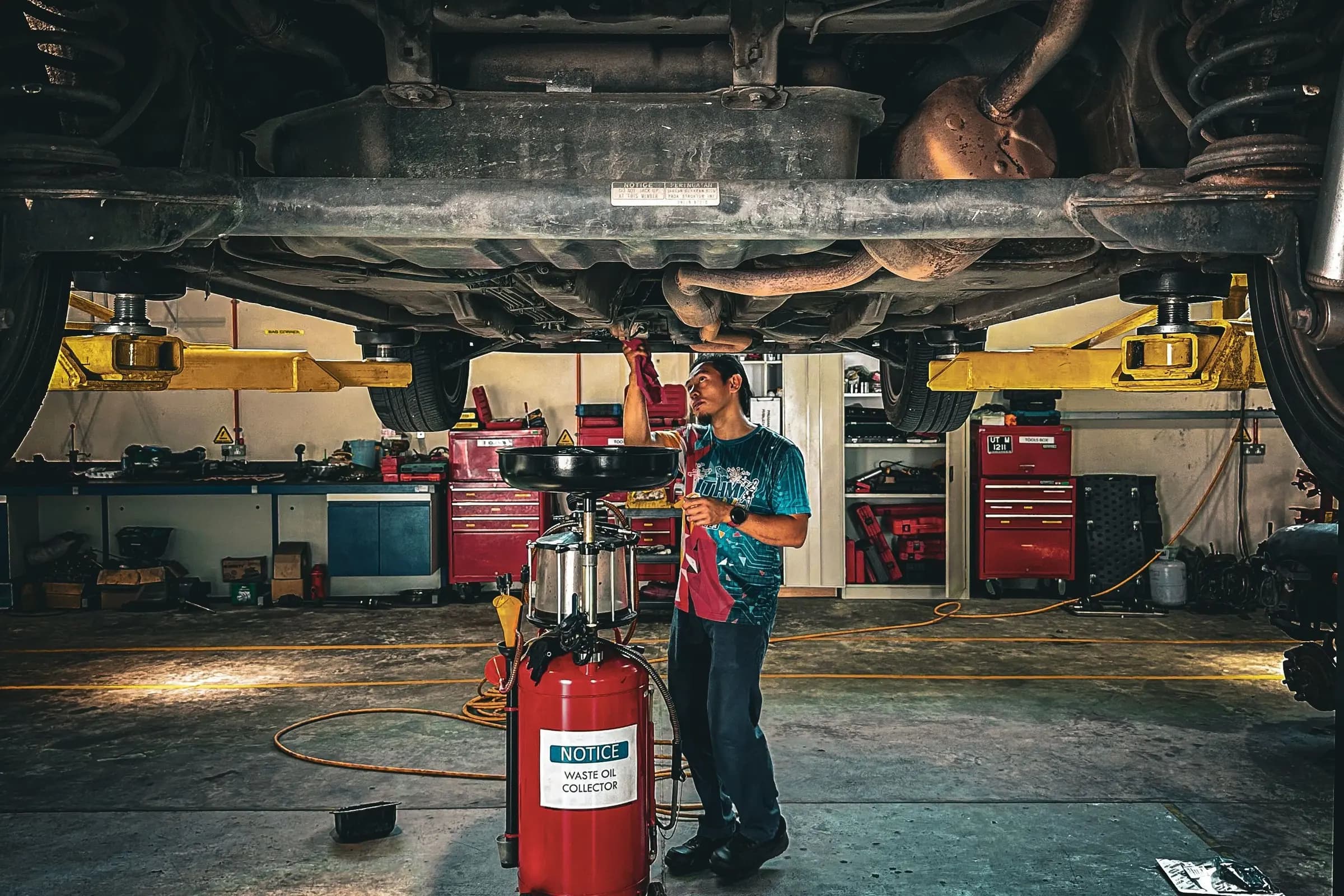
Used oil doesn't disappear when it leaves the engine - it just changes hands.
02
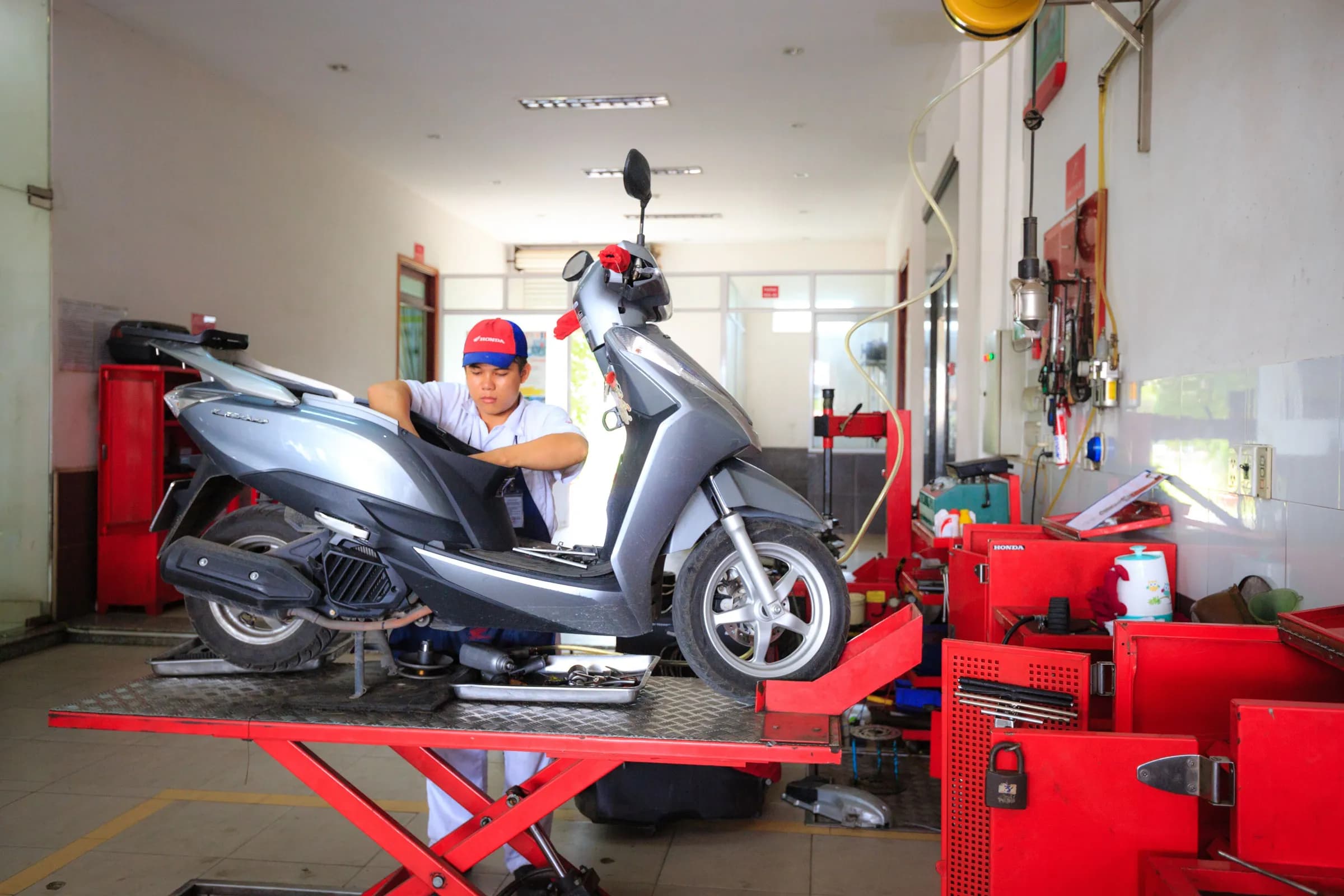
In the workshop: the waste generator's duties
Article 83(1) of Law on Environmental Protection No. 72/2020/QH14 (passed 17 Nov 2020, in force 1 Jan 2022) gives hazardous waste generators three groups of duties: declare the type and quantity of hazardous waste in the environmental permit file or registration; identify, classify, collect and store it separately, not mixed with non-hazardous waste and without causing pollution; and either reuse, recycle, treat, co-process or recover energy from it lawfully, or hand it to a facility holding a suitable environmental permit.
03
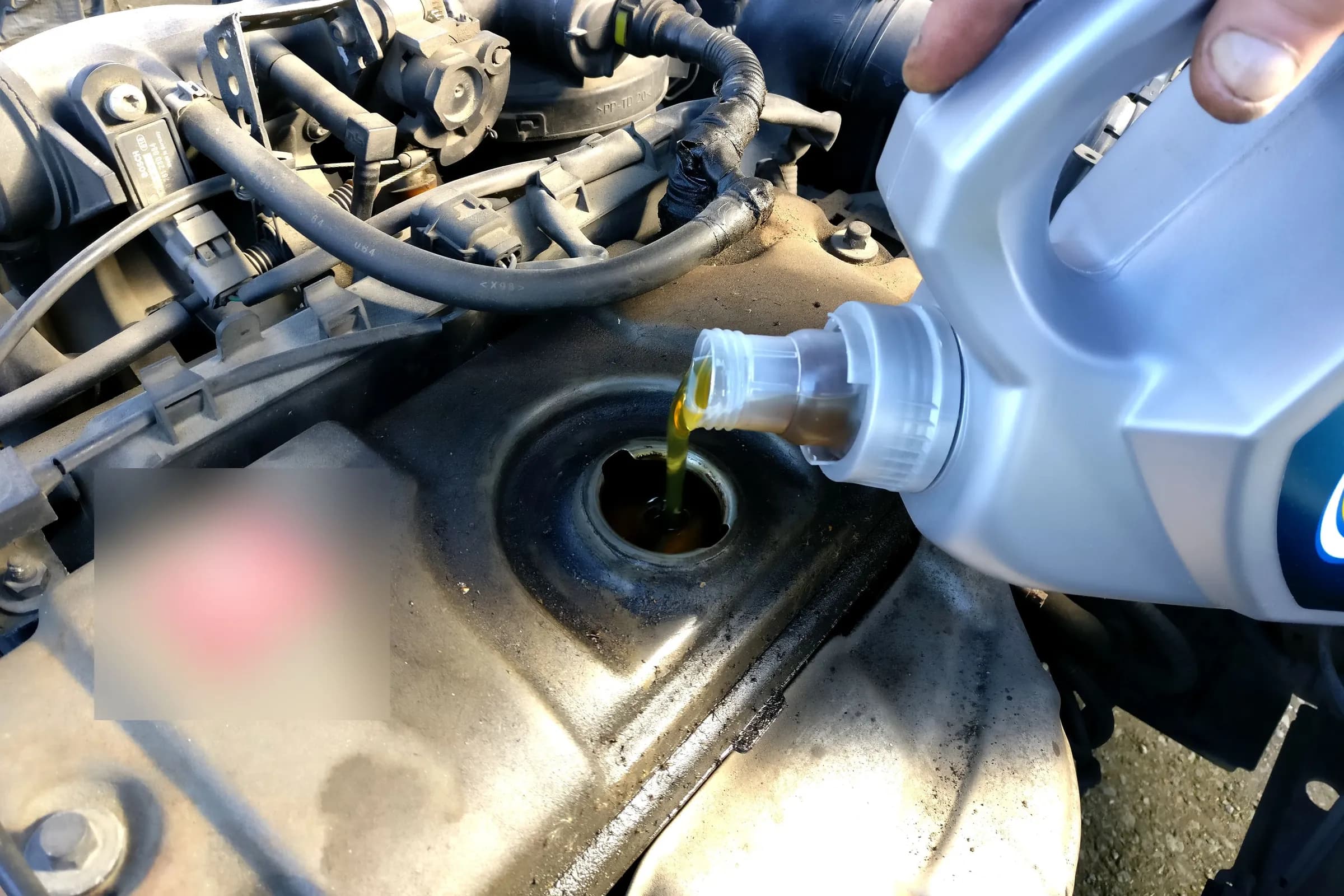
If you change your own oil
DIY oil changers generate used oil too. Never pour it into drains, ditches or soil, or mix it with household rubbish. The simplest route is to drain it into a clean, capped container and ask a nearby workshop or oil-change shop whether they will add it to their collection drum.
04
From the drum to the recycling plant
Circular 37/2024/TT-BTNMT, signed 25 Dec 2024, issued QCVN 56:2024/BTNMT to replace the 2013 version; it took effect on 24 Jun 2025. It sets technical and management requirements for recycling waste oil, but does not cover oil maintenance or recycling of food-derived oil.
Selected limits in QCVN 56:2024/BTNMT
- PCB content of input waste oil eligible for recycling
- < 50 mg/kgPCB content of input waste oil eligible for recycling
- total PCB in recycled oil
- ≤ 5 mg/kgtotal PCB in recycled oil
- solid residue (by mass) in recycled oil
- ≤ 0.15 %solid residue (by mass) in recycled oil
- water (by volume) in recycled oil
- ≤ 1.0 %water (by volume) in recycled oil
Source: Circular 37/2024/TT-BTNMT (25 Dec 2024) - via LuatVietnam
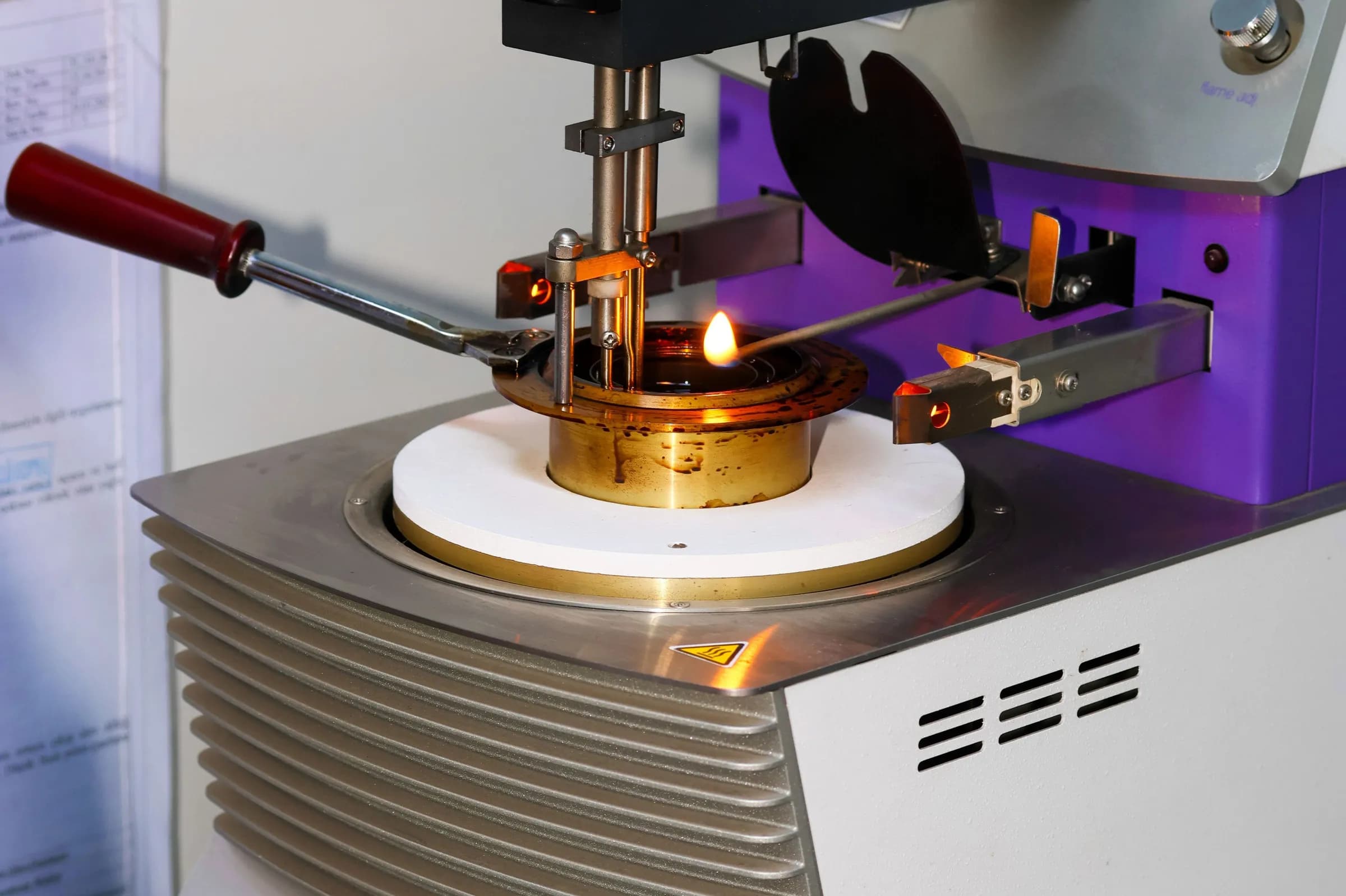
Compliant recycled oil may be used as a direct fuel or as feedstock for other production; non-compliant oil must be reprocessed. The regulation also caps metals such as cadmium, lead, chromium, nickel and zinc, and requires the plant's emissions, wastewater and sludge to be managed under the relevant regulations.

05
Up the chain: the producer's responsibility
Article 54 of the Law places recycling responsibility on producers and importers - the mechanism known as EPR. Decree 08/2022/ND-CP (10 Jan 2022) set it out in Annex XXII: engine oil is a product group that must be recycled from 1 Jan 2024, at a mandatory rate of 15 % for the first cycle, with re-refining to base oil or other oils as the recycling solution.
Decree 05/2025/ND-CP (6 Jan 2025) amended many articles of Decree 08, including the recycling responsibility and recycling specification provisions. Then Decree 110/2026/ND-CP, issued 1 Apr 2026 and in force from 25 May 2026, set out Articles 54 and 55 of the Law in detail - inheriting, integrating and amending the earlier rules.
- 17/11/2020
National Assembly passes Environmental Protection Law 72/2020/QH14.
- 10/01/2022
Decree 08/2022/ND-CP and Circular 02/2022/TT-BTNMT; the Law in force since 1 Jan 2022.
- 01/01/2024
Engine oil recycling responsibility begins (15 % rate).
- 06/01/2025
Decree 05/2025/ND-CP amends Decree 08.
- 24/06/2025
QCVN 56:2024/BTNMT on waste oil recycling takes effect.
- 25/05/2026
Decree 110/2026/ND-CP and Circular 24/2026/TT-BNNMT take effect.
- 2029
First scheduled revision of mandatory recycling rates.
According to VnEconomy (20 May 2026), the mandatory recycling rate under Decree 110 for engine oil (excluding two-stroke oil) is 15 %. Rates are revised upwards every three years by no more than 10 % each time, first in 2029.
Engine oil under EPR (2026)
- 0115 %mandatory recycling rate for engine oil (excluding two-stroke)
- 02VND 8,400/kgFs contribution for engine, gear and lubricating oils (14,000 × 0.6)
- 03VND 30 bnannual revenue from covered products below which firms are exempt
- 042029first rate revision (each rise capped at 10 %)
Source: Decree 110/2026 via VnEconomy 20 May 2026, Industry & Trade Magazine 7 Apr 2026; Circular 24/2026 via LuatVietnam
Producers and importers can comply by recycling themselves (with an environmental permit), hiring a licensed recycler, or authorising a recycling-responsibility organisation; if they don't organise recycling, they can contribute to the Vietnam Environment Protection Fund. Circular 24/2026/TT-BNNMT (25 May 2026) sets the Fs contribution for engine, gear and lubricating oils at VND 8,400 per kg.
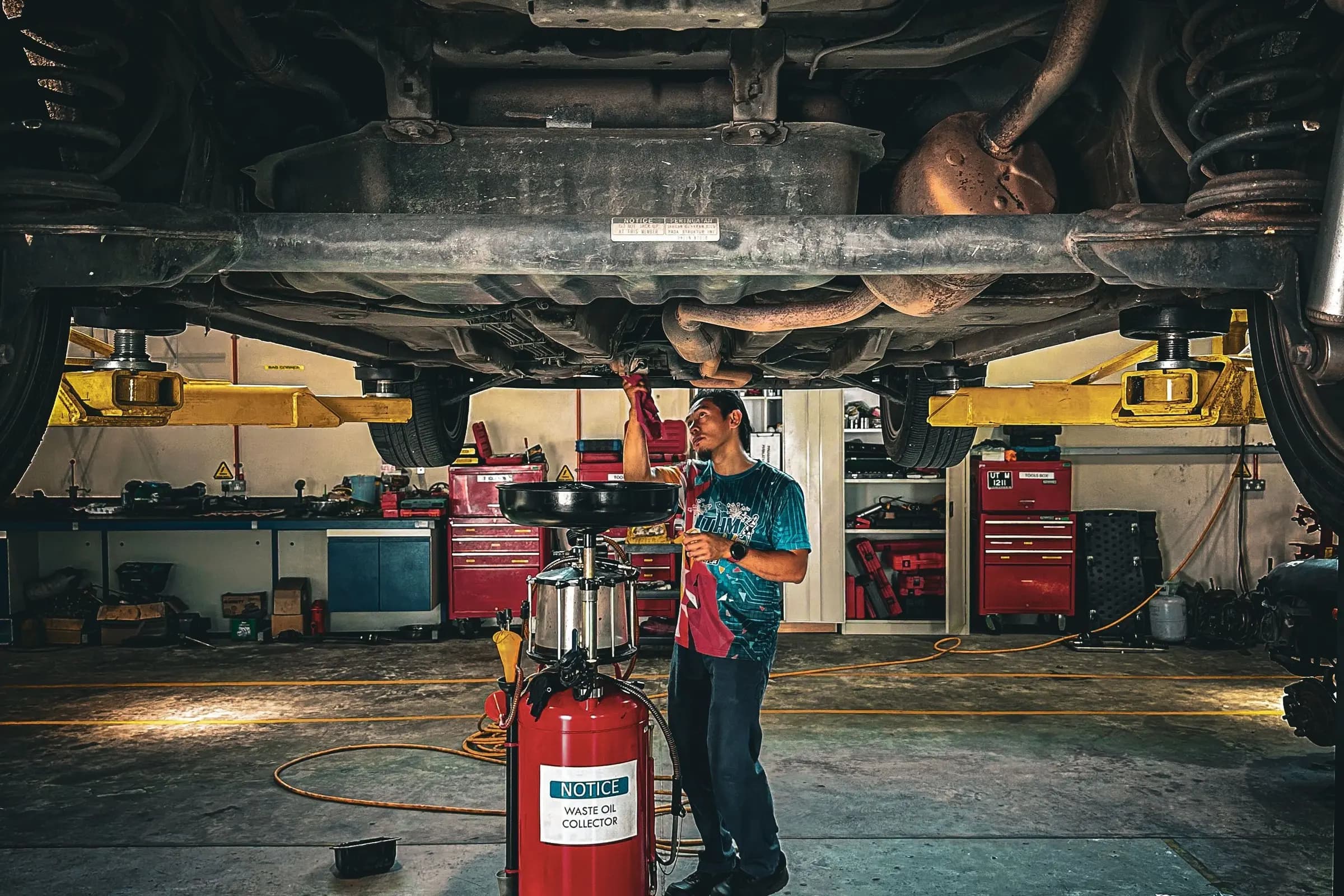
Good sorting in the workshop is what gives the recycler good feedstock.

06
Who does what: a summary
| Who | Main duty | Basis |
|---|---|---|
| Workshops, service centres | Declare, sort, store separately, hand to licensed facility | EP Law, Art. 83(1) |
| Recyclers | Permitted; recycled oil within PCB, metals, residue, water limits | QCVN 56:2024/BTNMT |
| Lubricant producers, importers | Recycle 15 % or pay Fs to the Fund | EP Law Art. 54; Decree 110/2026; Circular 24/2026 |
| DIY oil changers | Never dump; collect and hand in | Editorial advice |
07
Checklists
For workshops
- A separate, lidded, labelled drum on an impermeable, covered floor.
- No mixing with coolant, solvents, brake fluid or wash water.
- Used filters and oily rags collected separately as the collector instructs.
- Hand over only to suitably licensed operators; keep records of each transfer.
- Ask the local environmental authority which registration applies to you.
New oil and used oil are two ends of the same chain. The right oil changed at the right time keeps engines healthy; proper collection and hand-over turns used oil back into feedstock instead of pollution. See our oils for motorcycles, cars and trucks.
New oil and used oil are two ends of the same chain.
This English version is a summary. Figures and dates come from the Vietnamese legal texts and dated news sources listed below.
- Produced by
- Ung Vuong editorial team
- Content
- Ung Vuong editorial team
- Design
- Ưng Vương Web
Products in this article
 CarsTDS
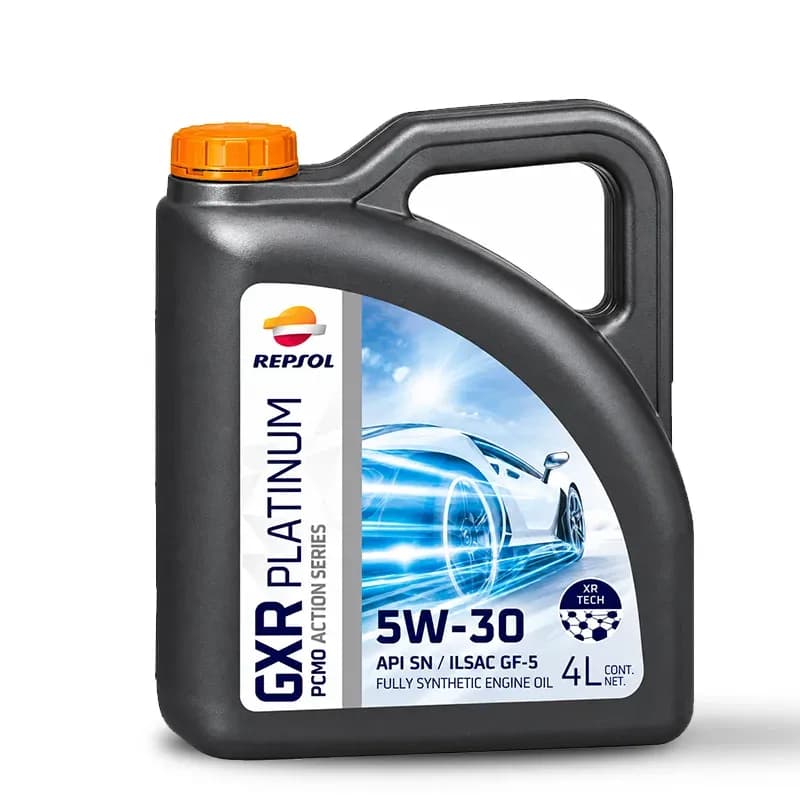
REPSOL GXR PLATINUM 5W‑30
- SAE 5W-30
- API SN/SP
- +1
- +2
 Manual motorcyclesTDS
 Trucks
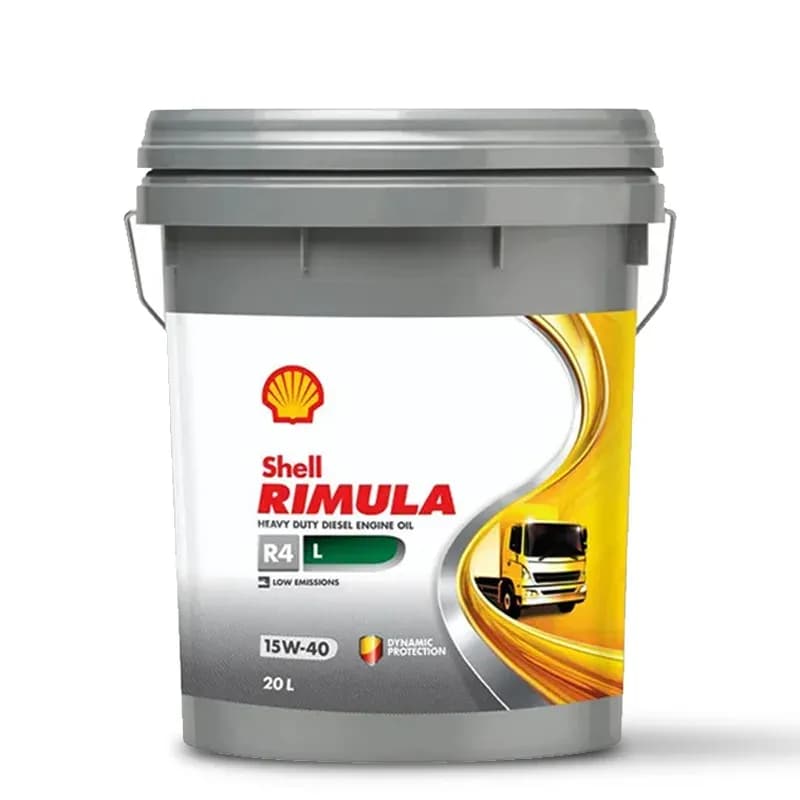
SHELL RIMULA R4 L 15W‑40
- SAE 15W-40
- API CK-4
- +1
- +2