E-MAGAZINE
Electric vehicles in Vietnam and the future of oil
Nearly 375,000 EVs by May 2026, green-transport policy to 2050 - and which lubricants stay, change or disappear.
By: Ung Vuong editorial teamPublished 13 Nov 20269 min read
Scroll to read
I
The numbers
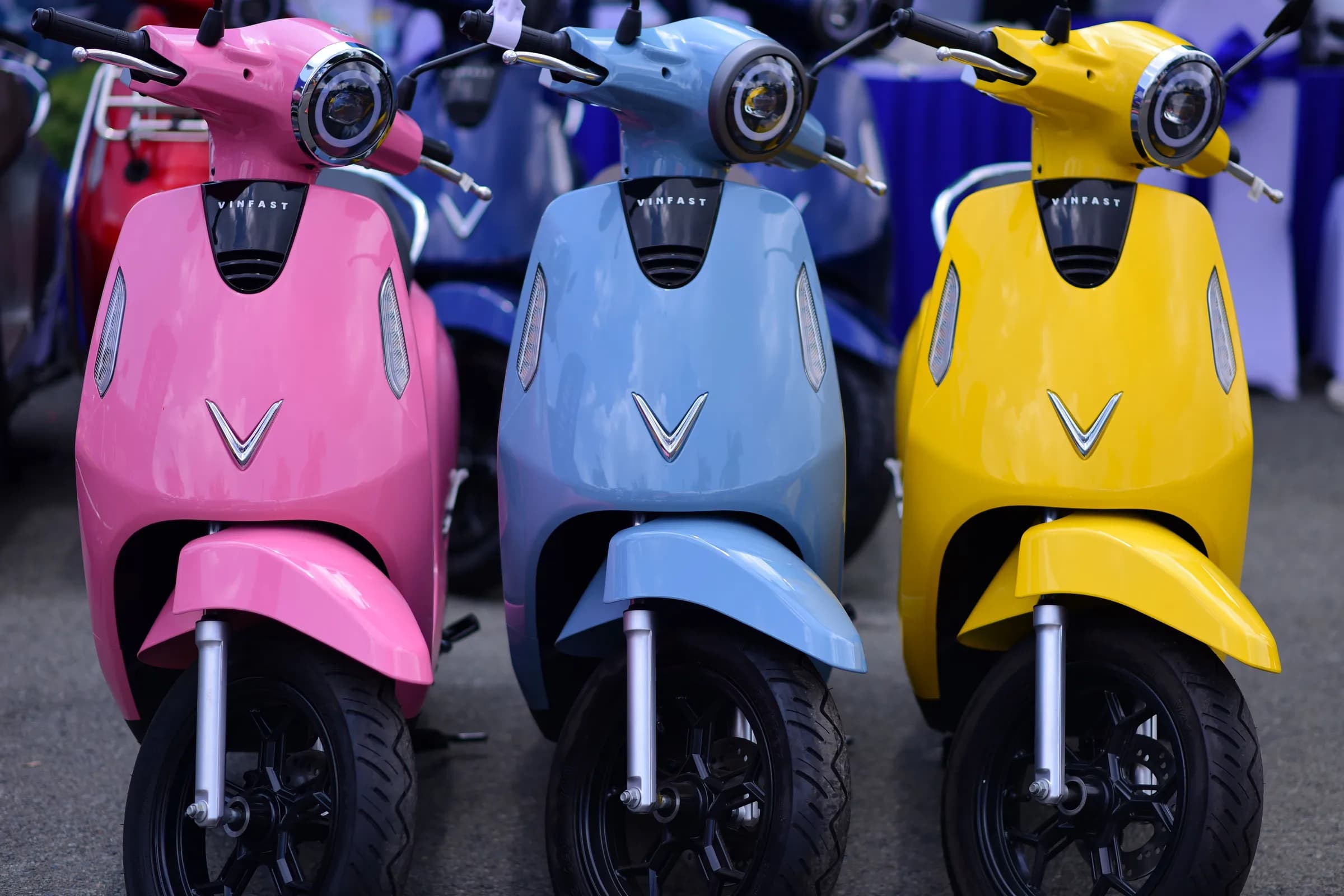
By the end of May 2026, Vietnam had 374,816 electric vehicles in circulation, per the Ministry of Construction: 369,849 cars, 3,396 trucks and 1,571 buses. Electric motorbikes are reported by different sources with different scopes, so we leave them out.
EVs in circulation, end of May 2026
- 01374,816electric vehicles
- 02369,849electric cars
- 033,396electric trucks
- 041,571electric buses
Source: Ministry of Construction, Q2/2026 briefing (VOV, 18/6/2026)

II
Policy
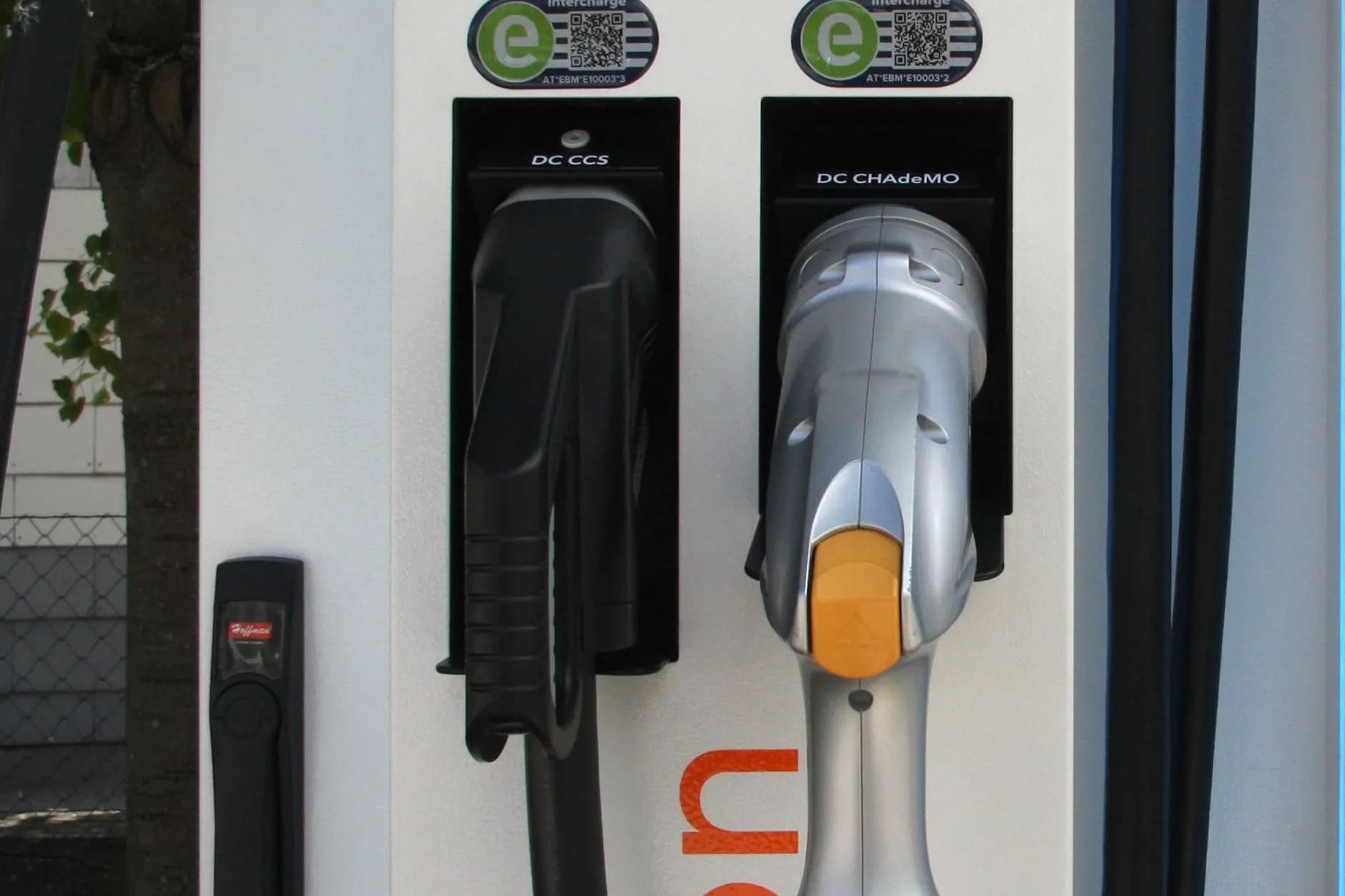
Decision 876/QĐ-TTg (22/7/2022): from 2025 all replacement and new buses, and from 2030 all replacement and new taxis, use electricity or green energy; by 2050 all buses and taxis do. Battery electric cars pay a 0% first registration fee, now extended to 31/12/2030 by Decree 202/2026/NĐ-CP. See also Hanoi's Ring Road 1 limits.
The question is not when petrol cars end, but which lubricants stay and which change.
III
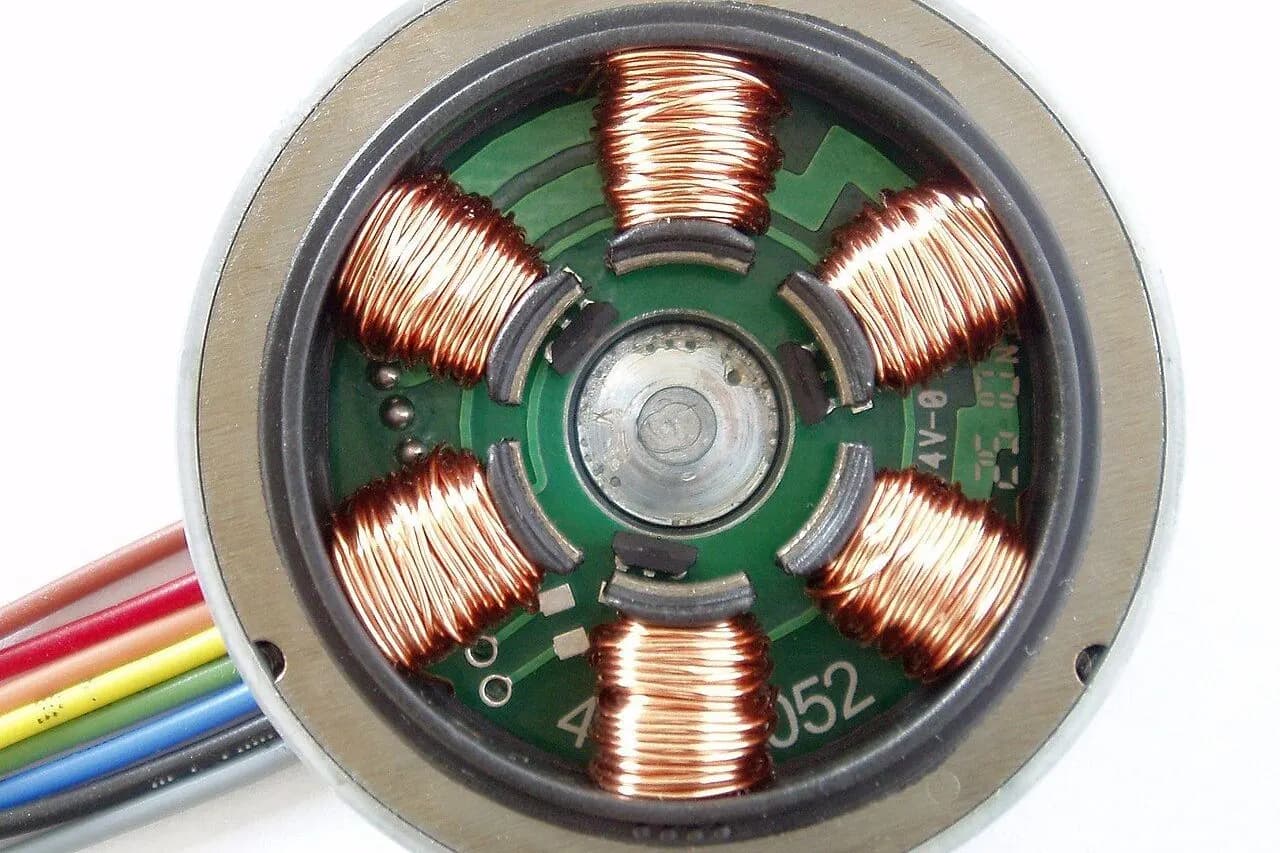
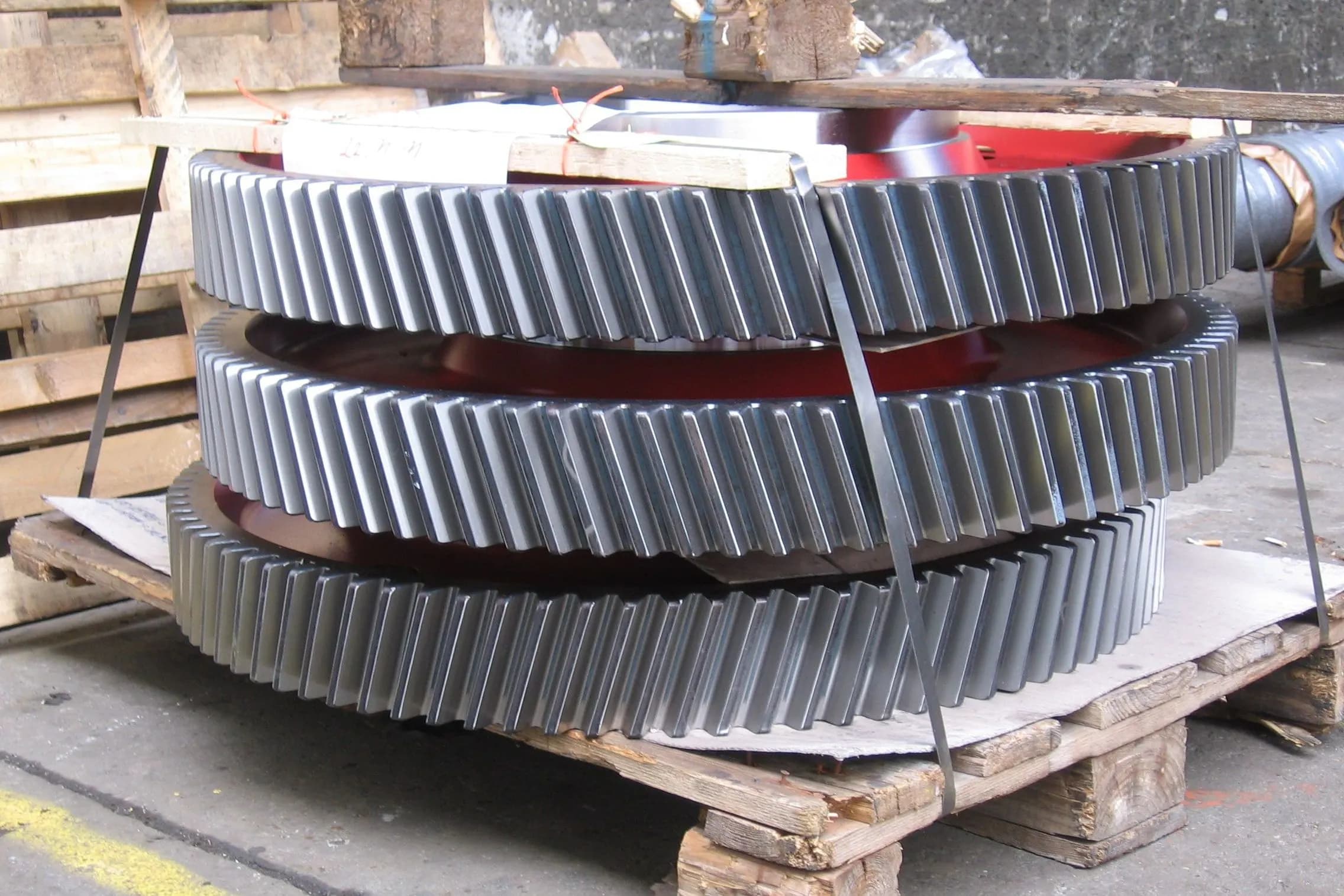
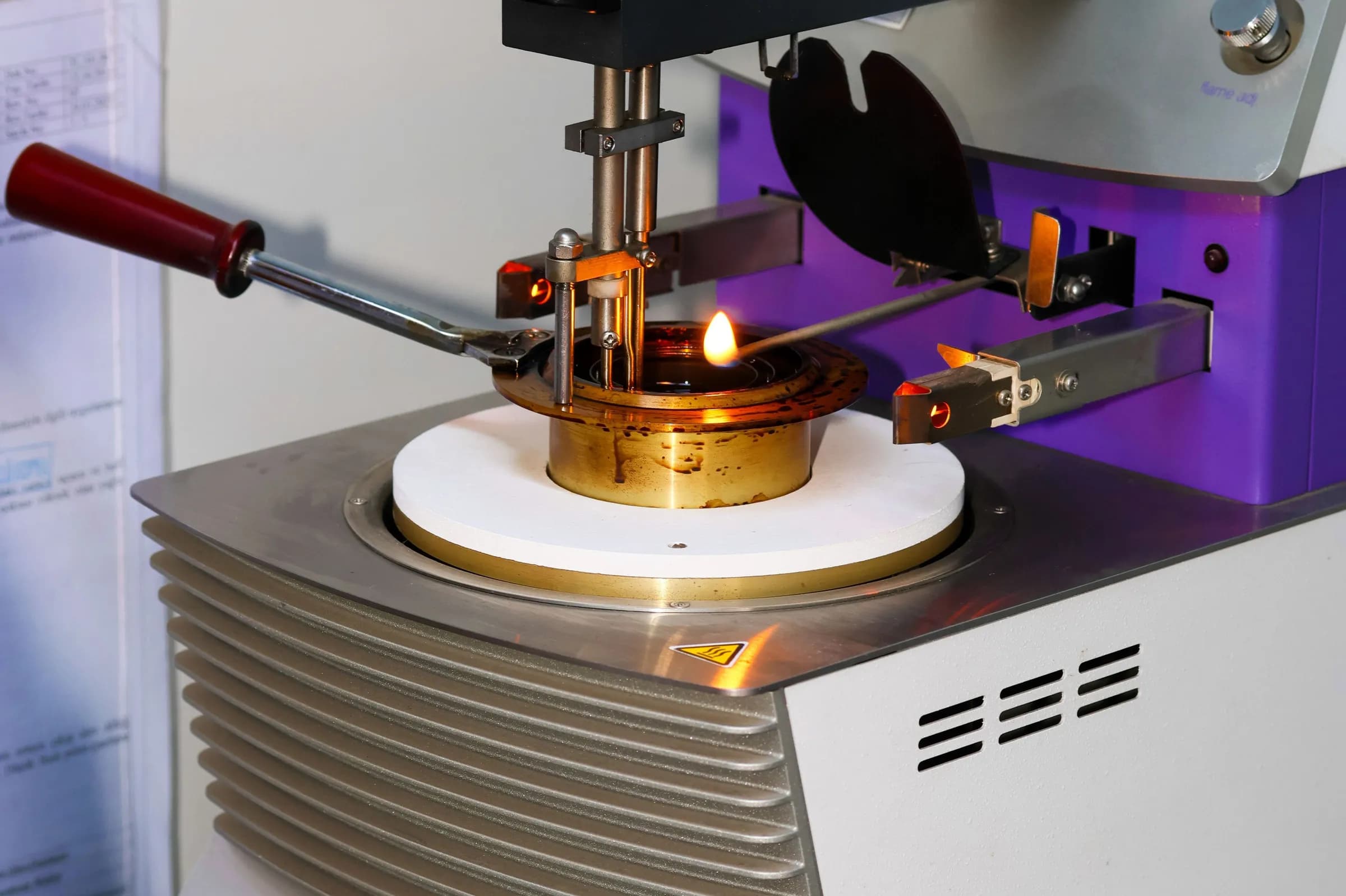
What an EV still needs
IV
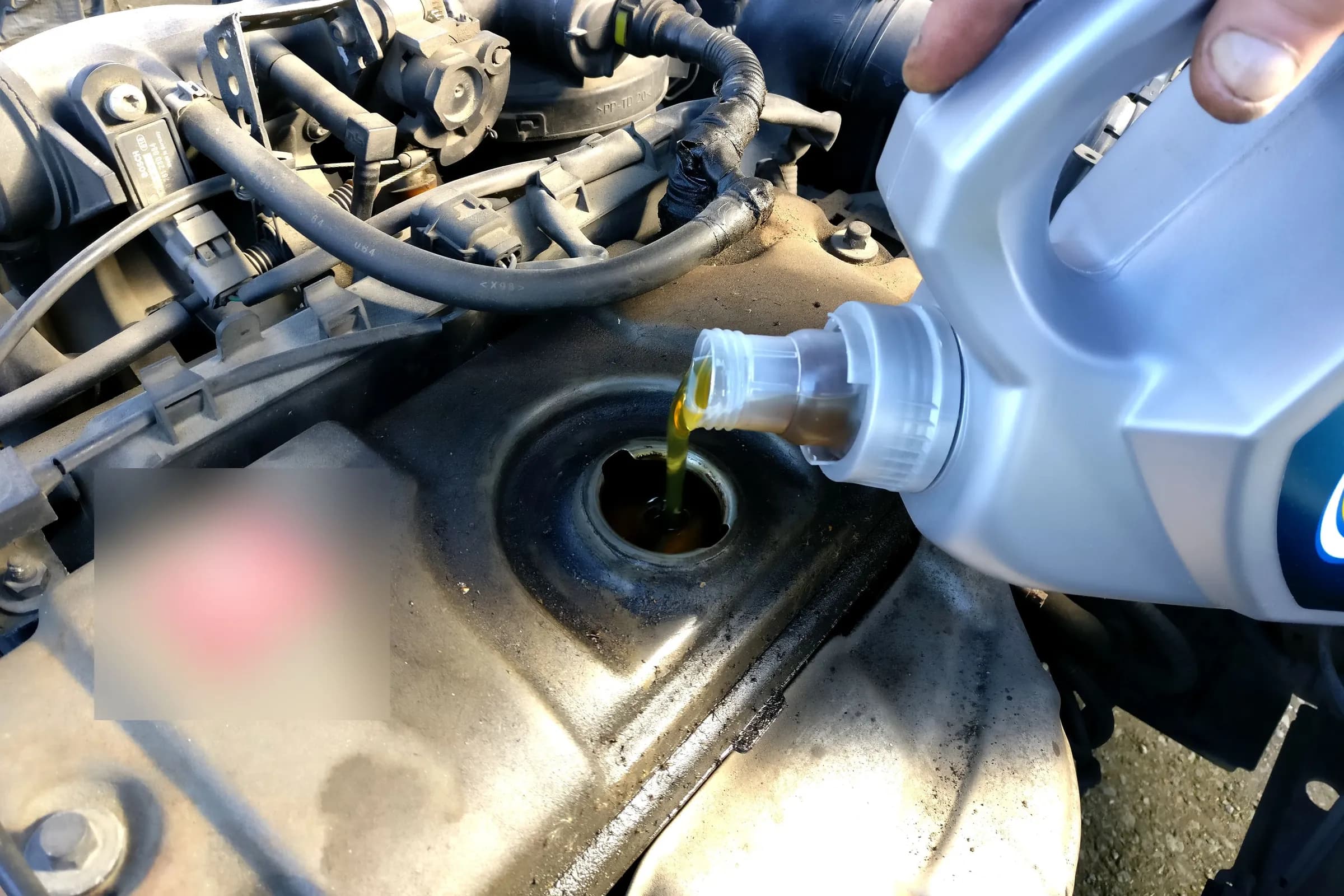
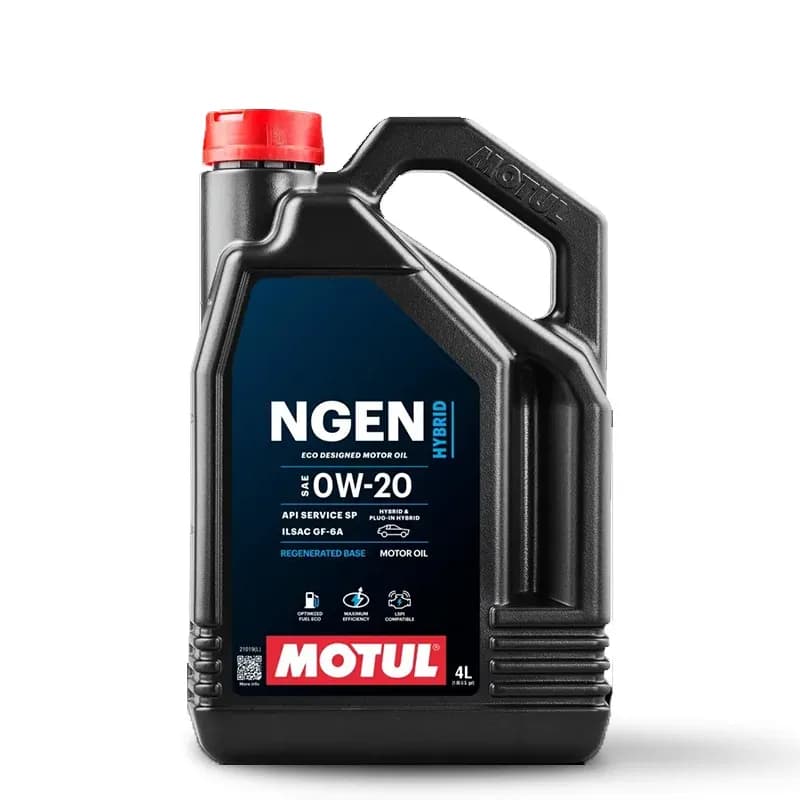
Hybrids still need engine oil
Hybrids stop and start their engines often and may not warm up fully. Newer petrol oils trend thinner: ILSAC GF-7B (licensed from 31/3/2025) is for SAE 0W-16 only. Follow the manual and change by distance or time, whichever comes first.
V
The petrol vehicles that remain
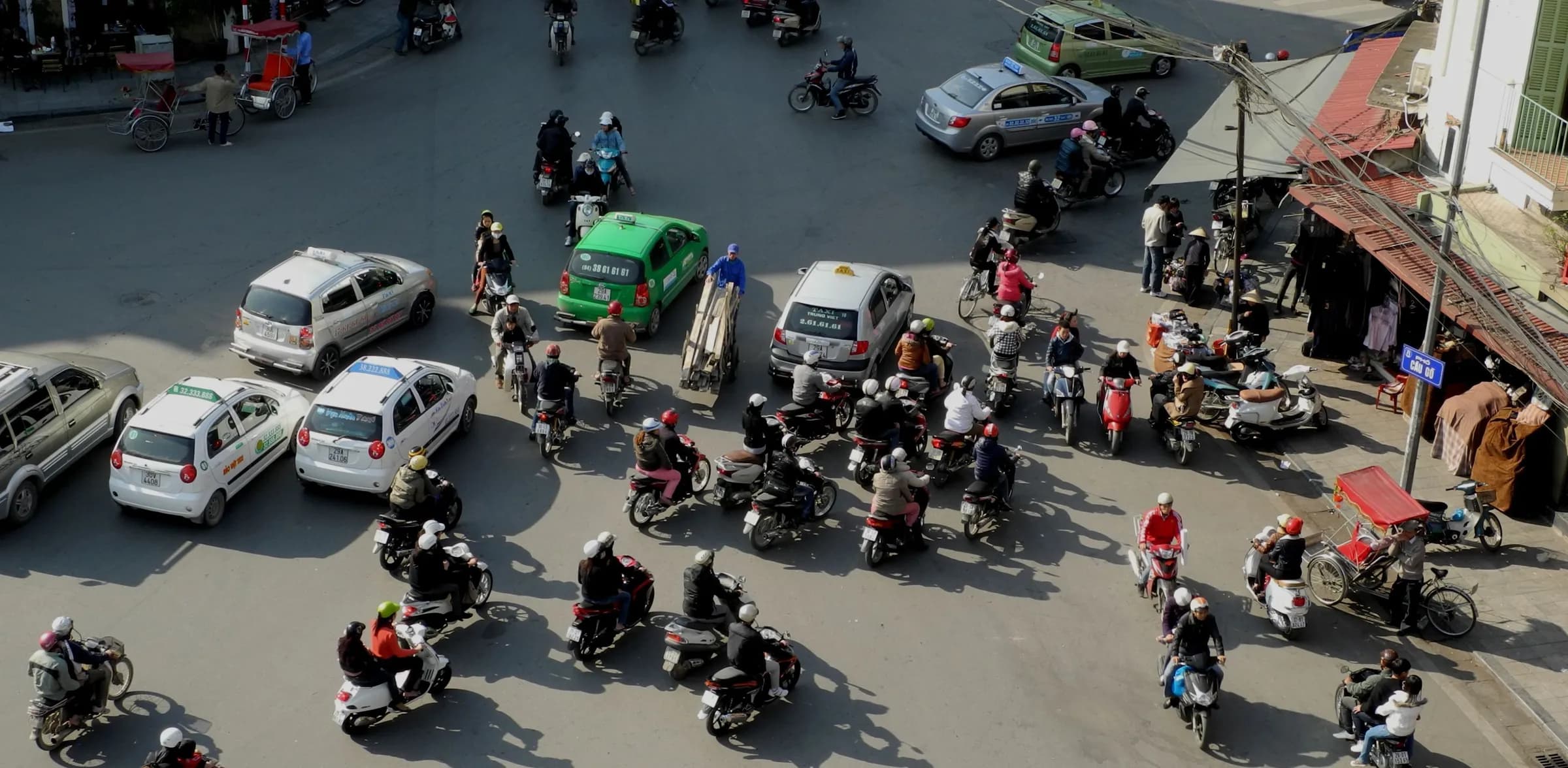
Petrol and diesel vehicles will make up most traffic for years, now facing E10 fuel, motorbike emission levels and new oil categories (API SQ; CL-4 and FB-4 from 2027). The future of lubricants is many small changes at once - and reading labels more carefully than ever.
- Produced by
- Ung Vuong editorial team
- Content
- Ung Vuong editorial team
- Design
- Ưng Vương Web
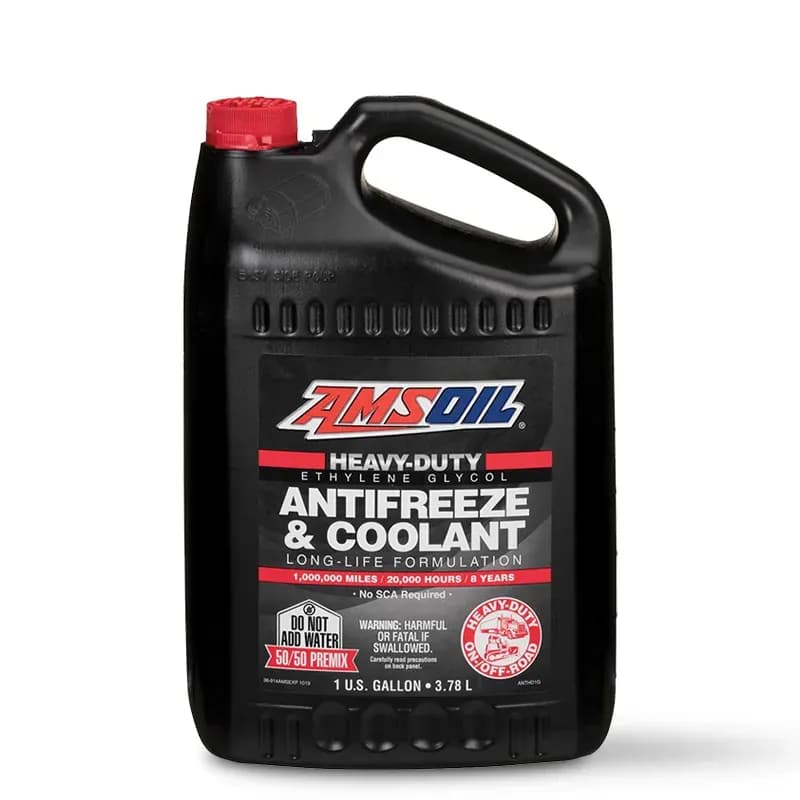
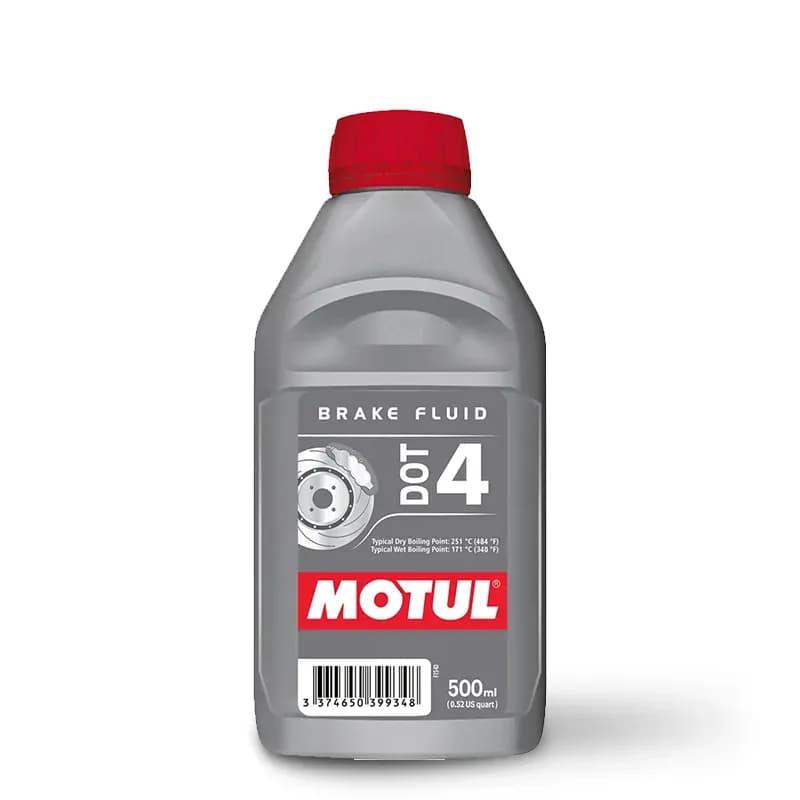
Products in this article
 CarsTDS
 Scooters
 CarsTDS
More in this format
E-MAGAZINE →E-MAGAZINETrade & wholesale
Ung Vuong: one lubricant supplier for workshops, fleets, dealers and plants
4 min read
E-MAGAZINETrade & wholesale
Buying Castrol, Shell, Repsol, Motul wholesale: 7 questions to ask
4 min read
E-MAGAZINETrade & wholesale
Car washes selling oil: what to prepare to sell right and safely
4 min read