LONGFORM
Nationwide E10 petrol: engines, oil and drivers
Since 1 June 2026 E10 is sold nationwide and E5RON92 stays until 2030. What changes for engines, oil and drivers?
By: Ung Vuong editorial teamPublished 13 Nov 202613 min read
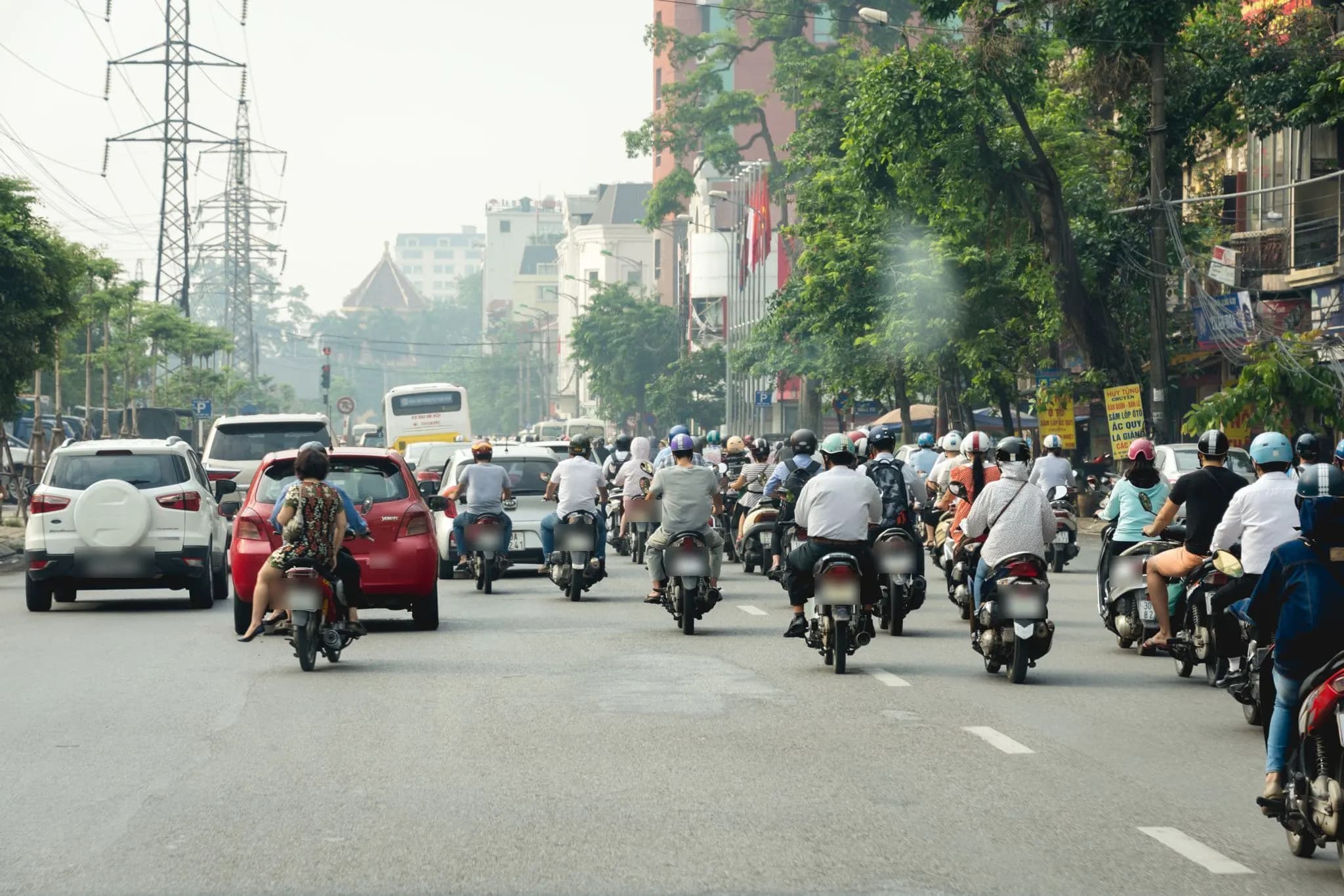
On 1 June 2026, E10 petrol officially went on sale nationwide. Drivers asked simple questions: can my vehicle use it, will it harm the engine, do I need a different oil? The short answer: most vehicles on the road can use E10, E5RON92 stays on sale until the end of 2030, and engine oil is still chosen from the owner's manual. Behind that answer lies a fourteen-year roadmap, specific legal documents and a few technical points worth knowing.
This article covers what the documents say, how the roadmap unfolded, what E10 is, what engines and oil need, and what drivers and fleets should do. Dates and figures are sourced at the end; commentary is the editorial team's.
01
What the documents say
The key document is Circular 50/2025/TT-BCT, issued by the Minister of Industry and Trade on 7 November 2025, setting the roadmap for blending biofuels with conventional fuels. It took effect on 1 January 2026, but the date that matters to drivers is in Article 4(1): from 1 June 2026, unleaded petrol meeting the national technical regulation must be blended into E10 for petrol engines nationwide.
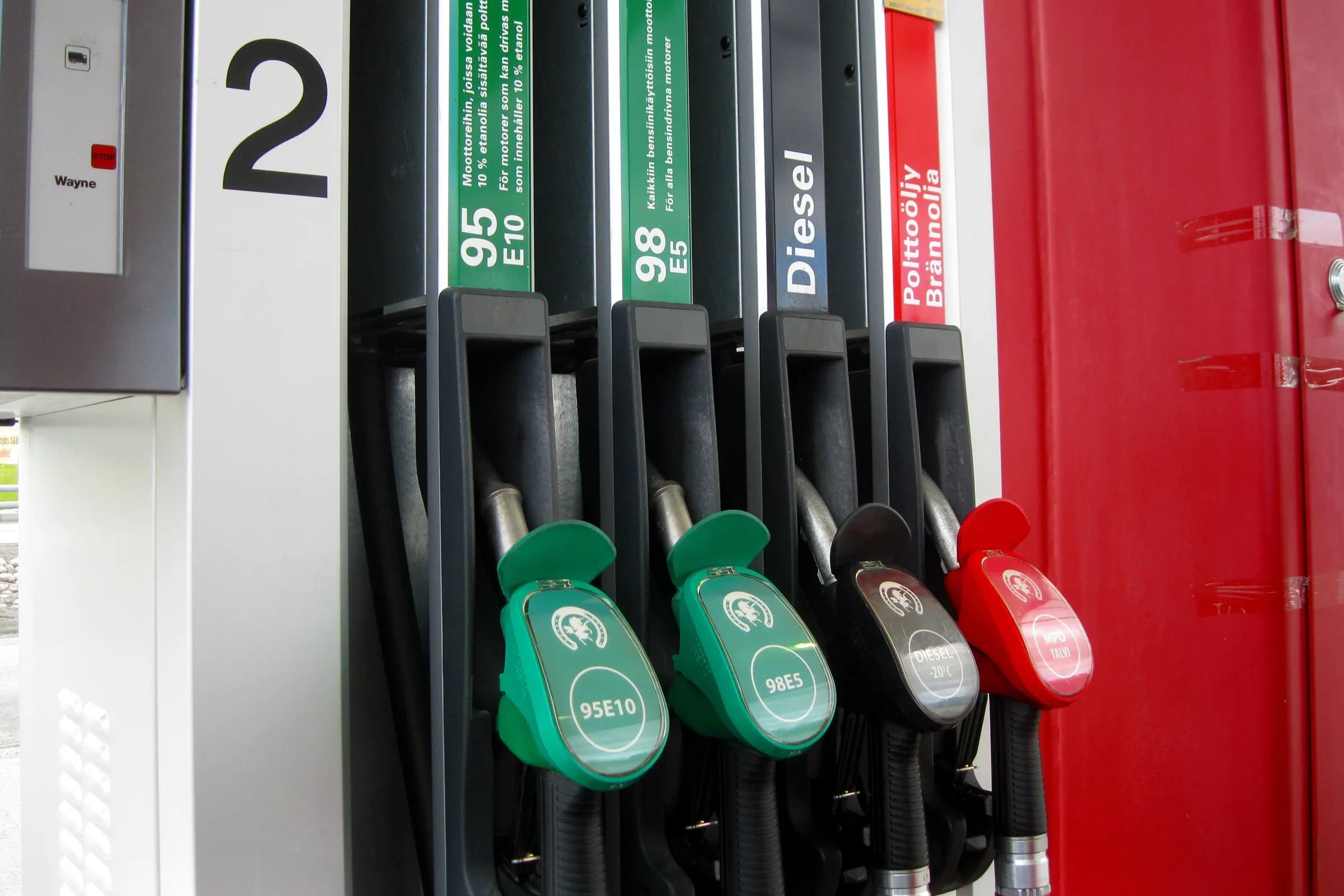
Article 4(2) allows E5RON92 to keep being blended for petrol engines until 31 December 2030. In other words, E10 does not mean every station sells only one fuel from 1 June 2026 - a point Dai Bieu Nhan Dan also made when reporting the launch.
Ahead of launch, on 29 May 2026 the domestic market department told producers to secure base petrol and speed up E5/E10 blending, and distributors to prepare facilities to sell E5 and E10 from 1 June (as republished on the Ha Tinh provincial portal). Market inspectors were also told to watch for hoarding, unjustified stoppages and unclear price or fuel-type labels at pumps.
E10 does not mean every station sells only one fuel: E5RON92 may be blended until the end of 2030.
02
Fourteen years of a roadmap
It began with Prime Ministerial Decision 53/2012/QĐ-TTg of 22 November 2012. As VnEconomy reported at the time, E5 was planned for seven provinces and cities - Hanoi, Ho Chi Minh City, Hai Phong, Da Nang, Can Tho, Quang Ngai and Ba Ria-Vung Tau - from 1 December 2014 and nationwide from 1 December 2015; E10 would follow two years later, in the seven localities from 1 December 2016 and nationwide from 1 December 2017.
Reality moved more slowly. In June 2017, according to a Government Office notice reported by Tap chi Cong Thuong on 8 June 2017, only E5 RON 92 and mineral RON 95 could be produced and sold from 1 January 2018, with mineral RON 92 and E5 RON 92 coexisting until 31 December 2017. E5 RON 92 then became the nationwide standard. E10, as Tap chi Cong Thuong summarised on 26 May 2026, was never rolled out under the old plan.
- 22/11/2012
Decision 53/2012/QĐ-TTg sets the E5 and E10 roadmap.
- 01/12/2014
Plan: E5 in seven provinces and cities.
- 01/12/2015
Plan: E5 nationwide.
- 01/12/2017
Plan: E10 nationwide - not implemented.
- 01/01/2018
Actual: only E5 RON 92 and mineral RON 95.
- 07/11/2025
Circular 50/2025/TT-BCT issued.
- 11/12/2025
Decision 46/2025/QĐ-TTg repeals Decision 53/2012.
- 01/6/2026
E10 applies nationwide.
- 31/12/2030
E5RON92 blending ends under Circular 50.
The old framework was cleared at the end of 2025. On 11 December 2025, Deputy Prime Minister Bui Thanh Son signed Decision 46/2025/QĐ-TTg repealing Decision 53/2012 in full (Tap chi Cong Thuong, 12/12/2025). Decree 146/2025/NĐ-CP of 12 June 2025 had delegated authority to the Ministry of Industry and Trade, and the new roadmap was issued as a ministerial circular.
The roadmap in numbers
- years from Decision 53/2012 to nationwide E10
- 14years from Decision 53/2012 to nationwide E10
- provinces and cities in the 2012 E5 plan
- 7provinces and cities in the 2012 E5 plan
- E10 applies nationwide
- 01/6/2026E10 applies nationwide
- last day for E5RON92 blending
- 31/12/2030last day for E5RON92 blending
Source: Decision 53/2012 (VnEconomy 24/11/2012); Tap chi Cong Thuong 8/6/2017, 12/12/2025, 26/5/2026; Circular 50/2025/TT-BCT
03
What E10 is, and which vehicles can use it
The number is the ethanol share: E5 contains 5 % ethanol, E10 contains 10 %, the rest is base petrol (Tap chi Cong Thuong, 26/5/2026). Ethanol is a bio-alcohol; the US Department of Energy's Alternative Fuels Data Center (AFDC) notes it is used partly to raise octane. AFDC also says the US EPA approves E10 for any conventional petrol vehicle and that it is sold in every state - background from another market, not a substitute for local vehicle-maker guidance.

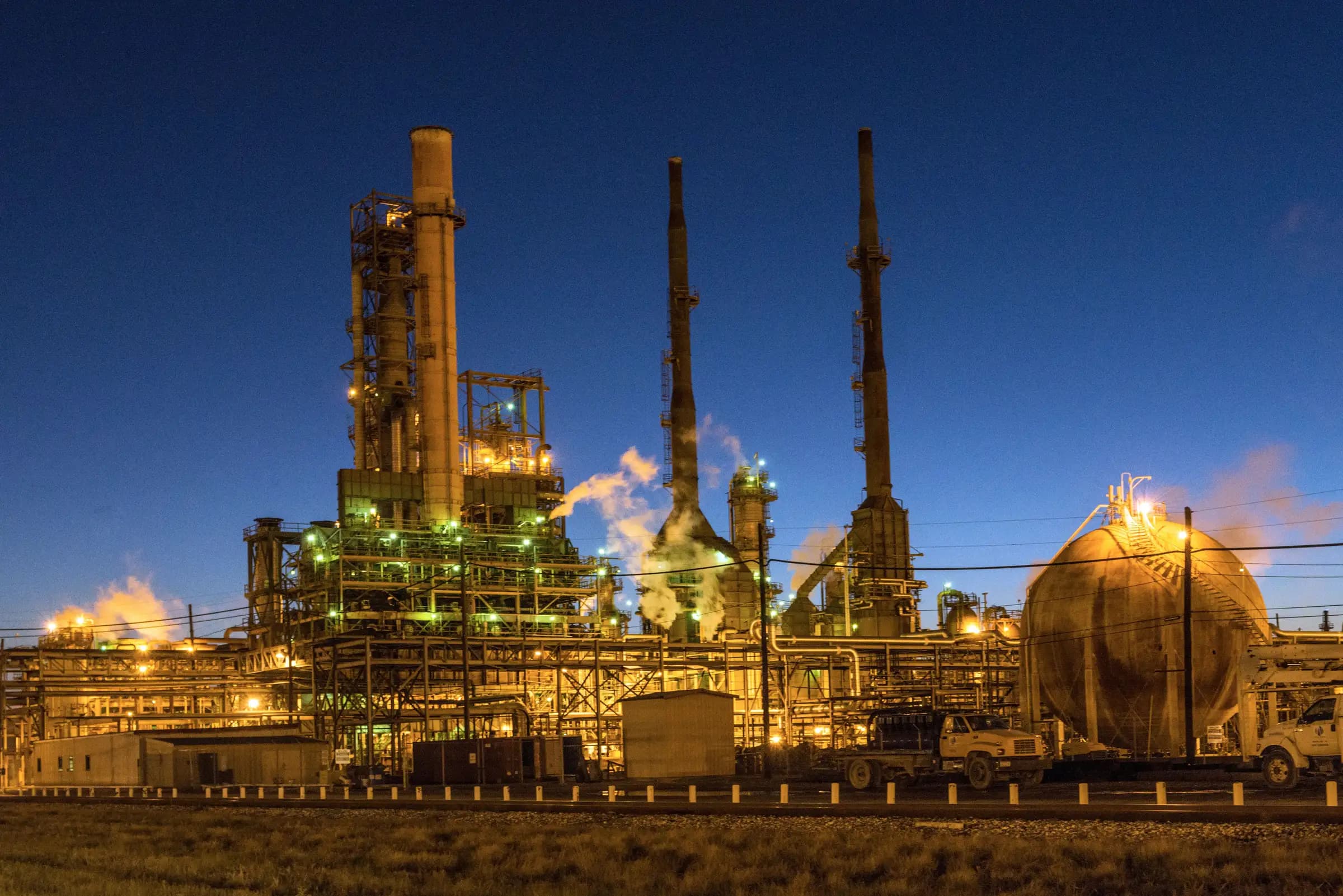
On compatibility, Tap chi Cong Thuong (26/5/2026) cites the Vietnam Automobile Manufacturers' Association (VAMA), the Vietnam Motorcycle Manufacturers' Association (VAMM), the Vietnam Register and makers such as Toyota, Honda and Hyundai: most vehicles in use can run on E10. The exceptions named are one light-truck line built from 1996 to 2023 (discontinued) and some motorcycles on an attached list. The article does not name those models, so neither do we - ask an authorised dealer or check the official list.
The same article reports engine experts judging E10's effect on power, fuel use and wear to be insignificant compared with mineral petrol. The ministry had earlier said no engine adjustment is needed when switching between bio-petrol and conventional petrol (Vietnam Lawyers' Journal, 18/5/2026).
Most vehicles on the road can use E10; for those on the exception list, E5RON92 remains until the end of 2030.
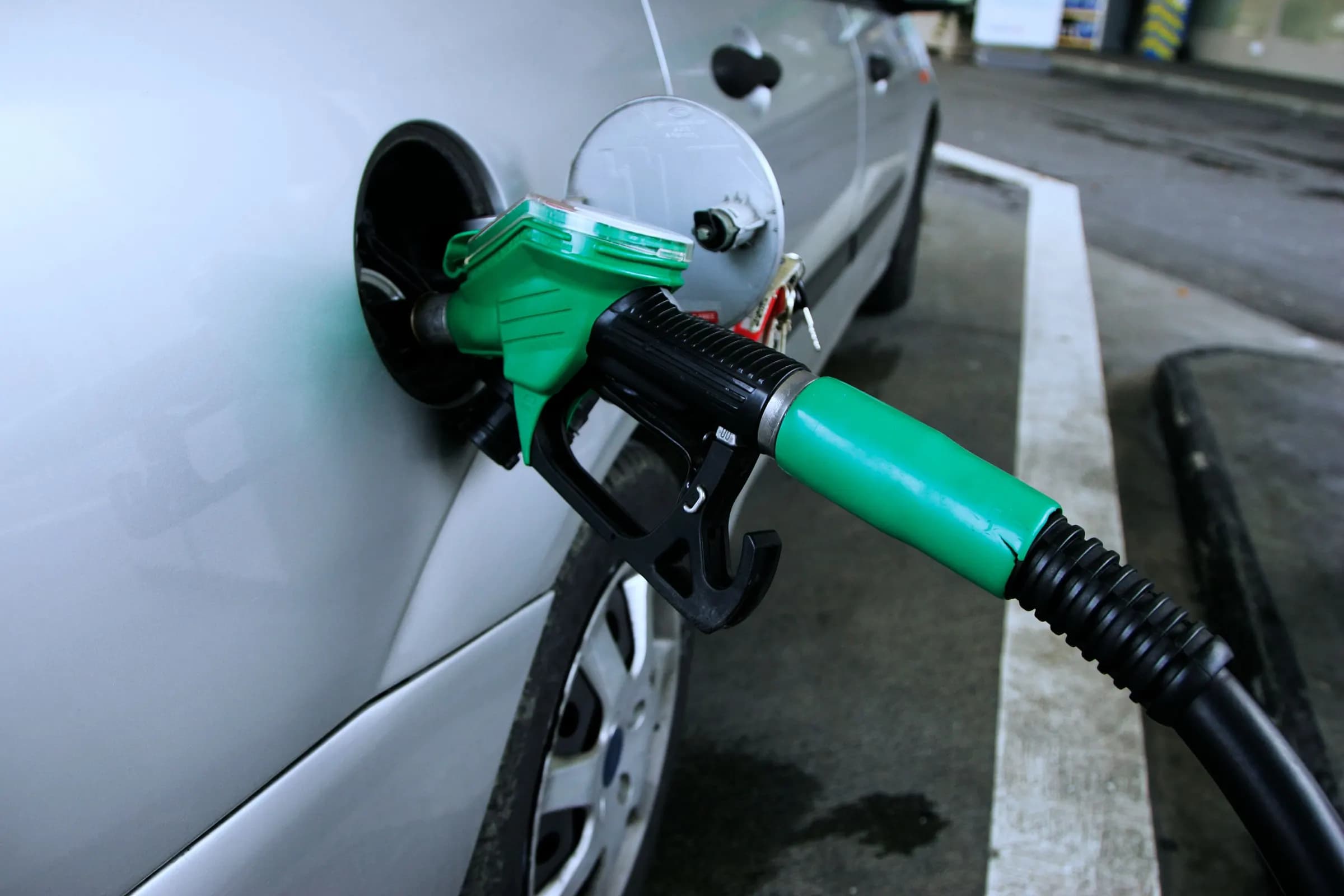
One more thing about ethanol: it attracts water. The Maine Department of Environmental Protection explains that ethanol-blended petrol can absorb water from humid air; past a limit, an ethanol-water layer separates and sinks to the bottom of the tank with petrol floating above. Small engines that draw from the bottom may then fail to start. That is a reason to keep the fuel cap tight and to follow the manual on long-term storage, especially in humid weather.
04
Engines and oil: what changes and what doesn't
Engine oil is not mentioned in Circular 50, and no document requires a different oil for E10. The rule is unchanged: use the SAE viscosity grade and quality category (API, ILSAC, ACEA for cars; JASO for motorcycles) in the owner's manual, and change it by distance or time, whichever comes first. Browse products by vehicle and specification.
Modern petrol engine oil standards already account for ethanol fuels. The ILSAC requirement table Lubrizol presented at ILMA in April 2024 shows both GF-6 and GF-7 include the ASTM D7563 emulsion retention test (no water separation) and the ASTM D6794 filterability test after water contamination at 0.6, 1, 2 and 3 % water, with a maximum 50 % reduction. When API issued its updated Motor Oil Guide in June 2025, GF-7 benefits listed included support for engines running fuels up to E85 (MOTOR, 5/6/2025).
This does not make ILSAC oils mandatory for every vehicle - motorcycles need the right JASO grade for a wet or dry clutch, and many European cars need a maker approval. In practice: if your oil already meets the manual's requirement, E10 adds no new oil requirement.
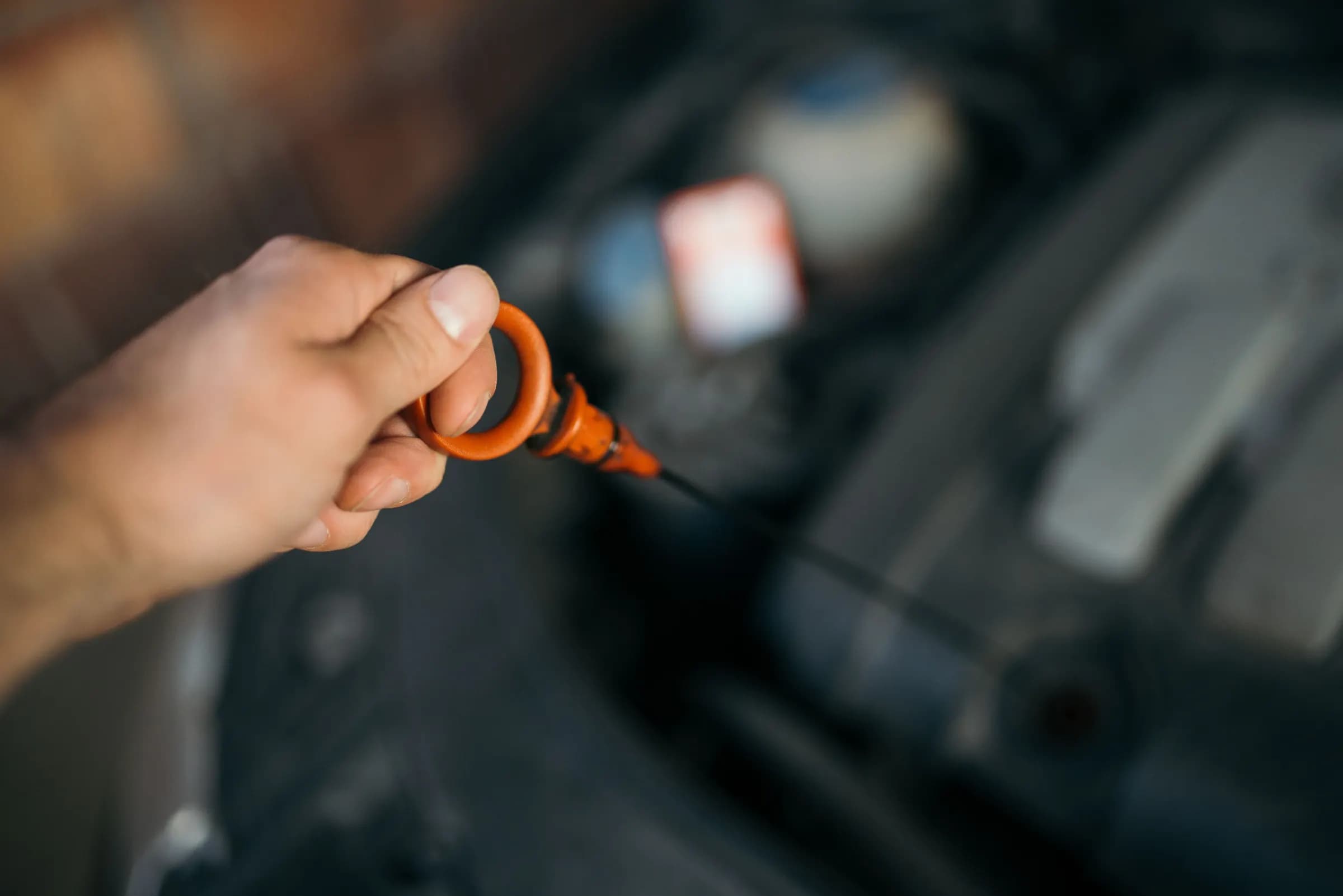
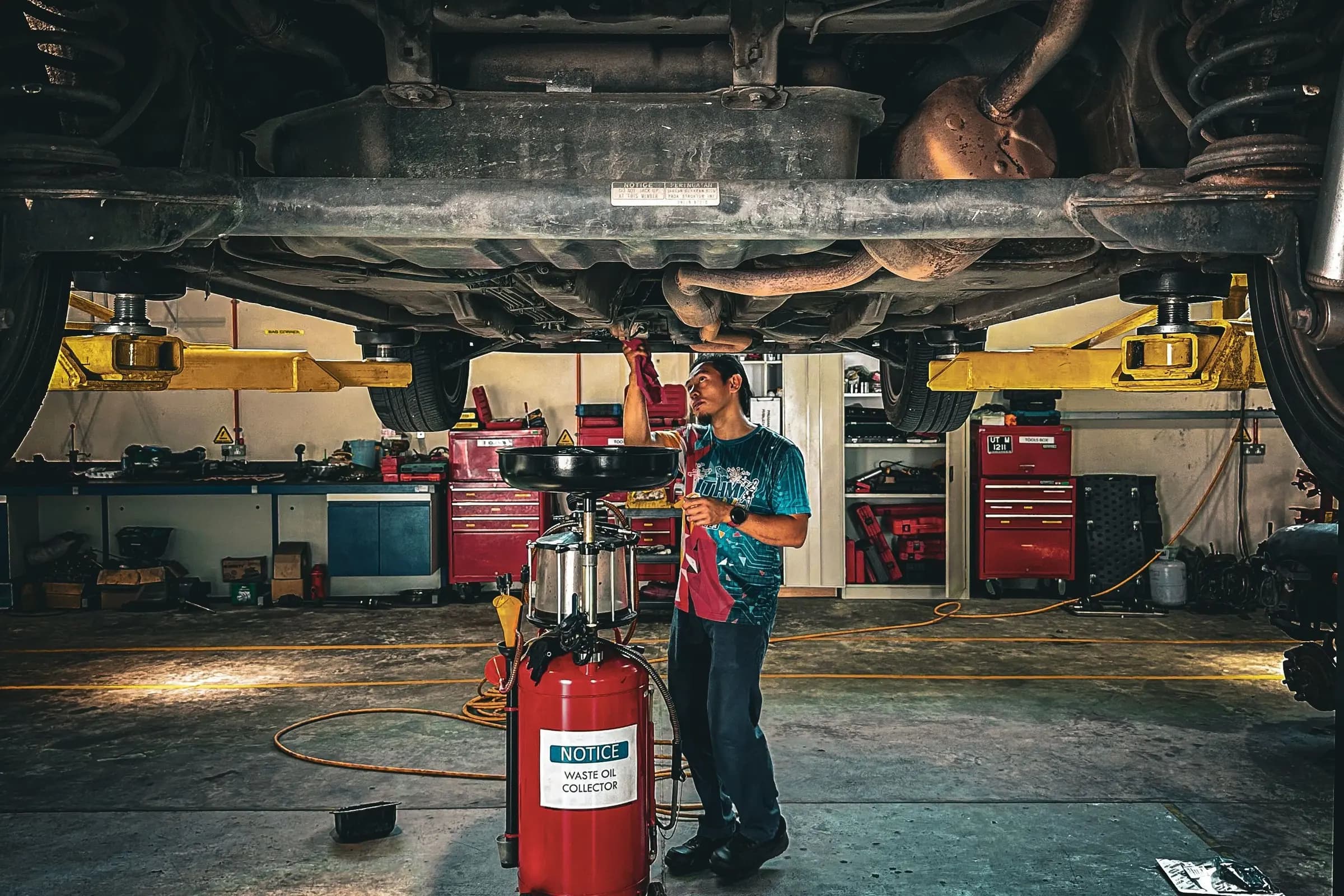
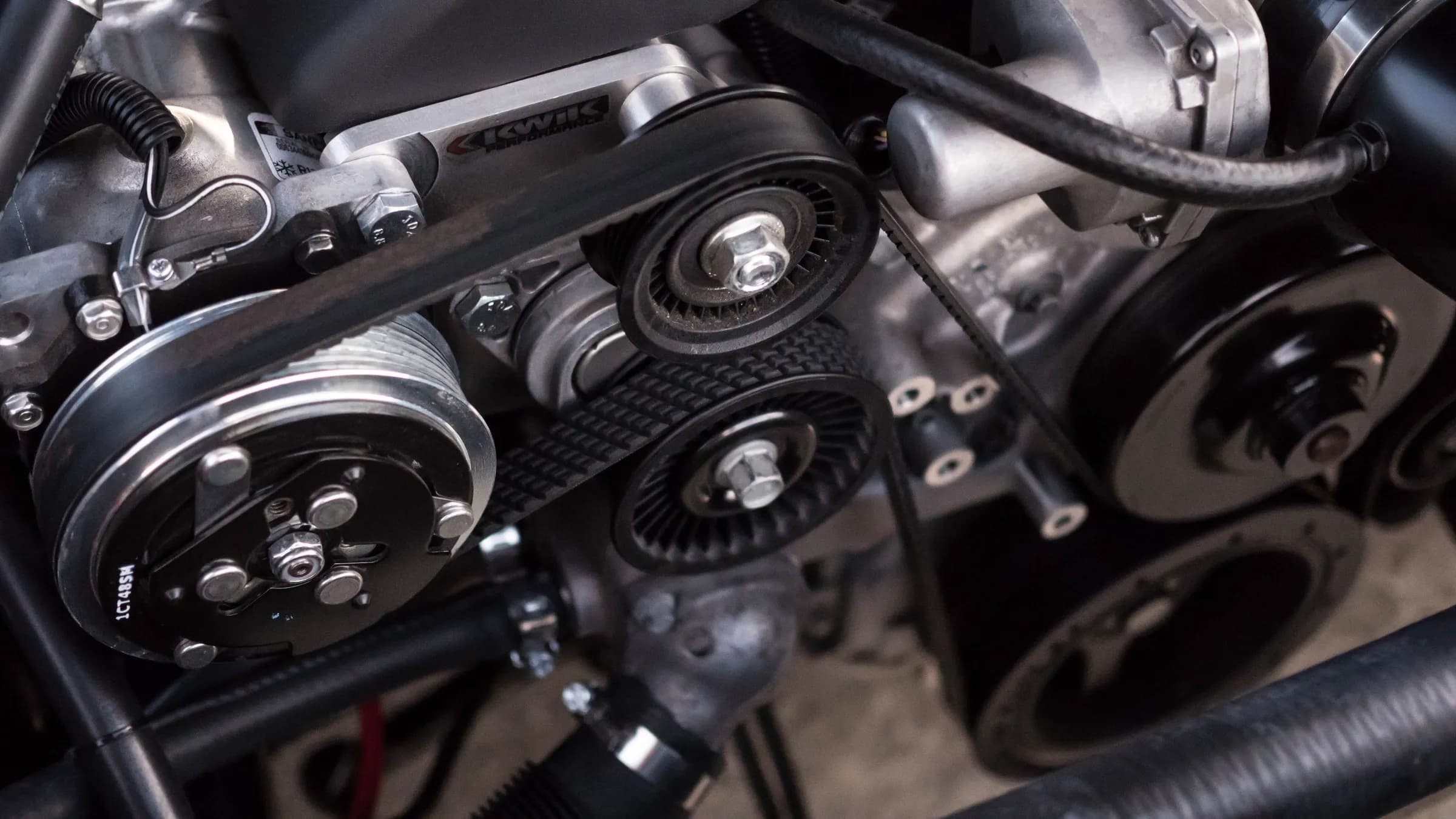
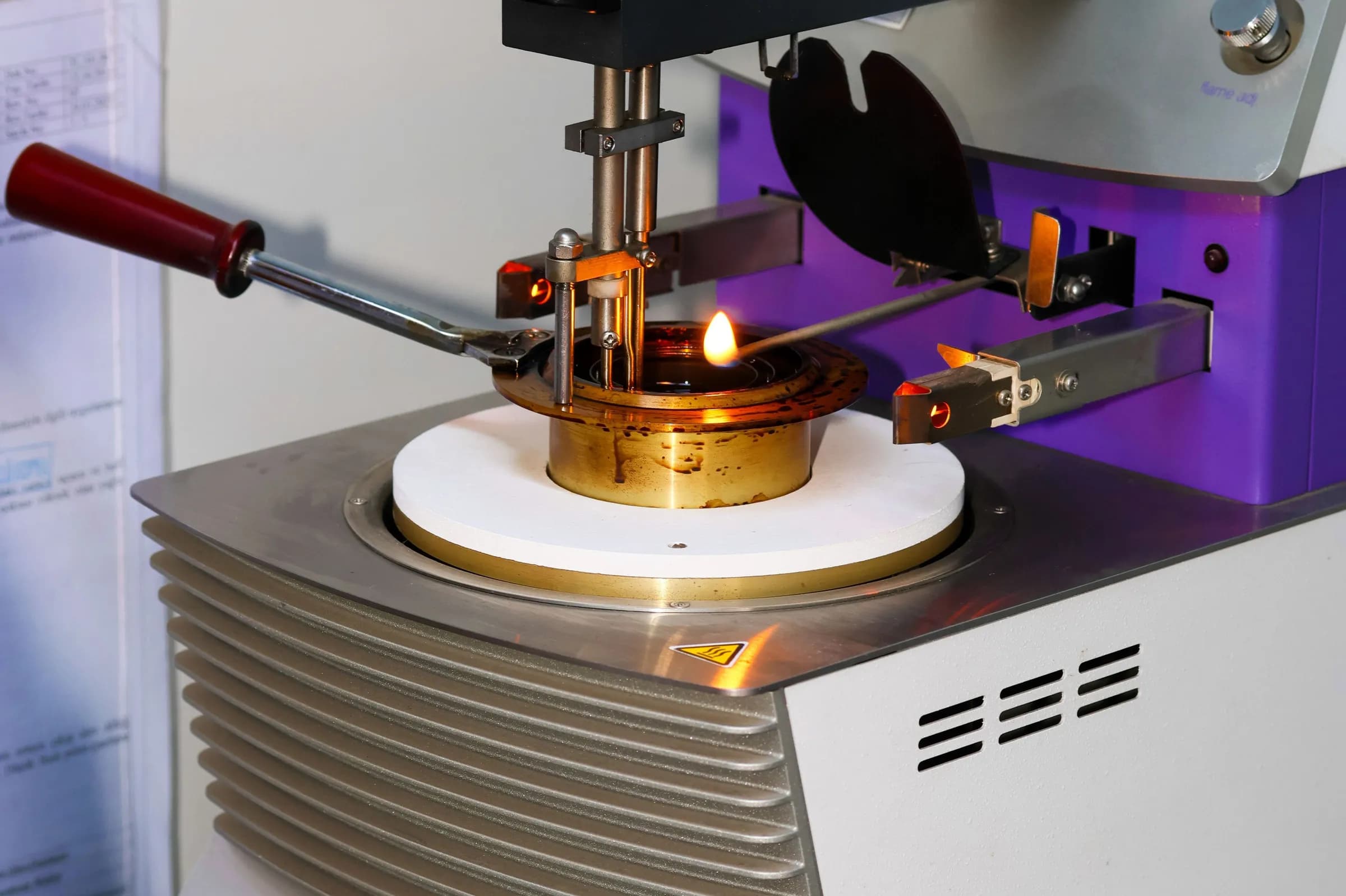
A few things you can observe yourself. The dipstick shows oil level and colour; milky oil means water has got in, more often after wading through floodwater than from fuel - have it checked. Many manuals treat short trips and stop-and-go driving as severe service with shorter change intervals; that does not change between E5 and E10.
The fuel circular says nothing about engine oil; the right grade is still the one in your manual.
For motorcycles, owners of older bikes worry about fuel seals and hoses. We have no independent model-by-model data; the official information is the exception list from the associations and the register. If your vehicle is not listed, follow the maker's guidance; if in doubt, E5RON92 is a lawful transitional choice until the end of 2030.
05
What drivers should do
First, check whether your vehicle is on the list not suited to E10: the manual, any label by the fuel cap, an authorised dealer or the maker's hotline. Second, read the pump label - fuel types must be clearly shown. Third, there is no need to buy additives or change oil just because of E10 unless the maker says so.
Fourth, if the vehicle sits for long periods, follow the manual's storage advice: cap tight, dry place. Fifth, keep to your oil change schedule - the simplest habit with the longest-lasting effect. The oil change reminder can help.

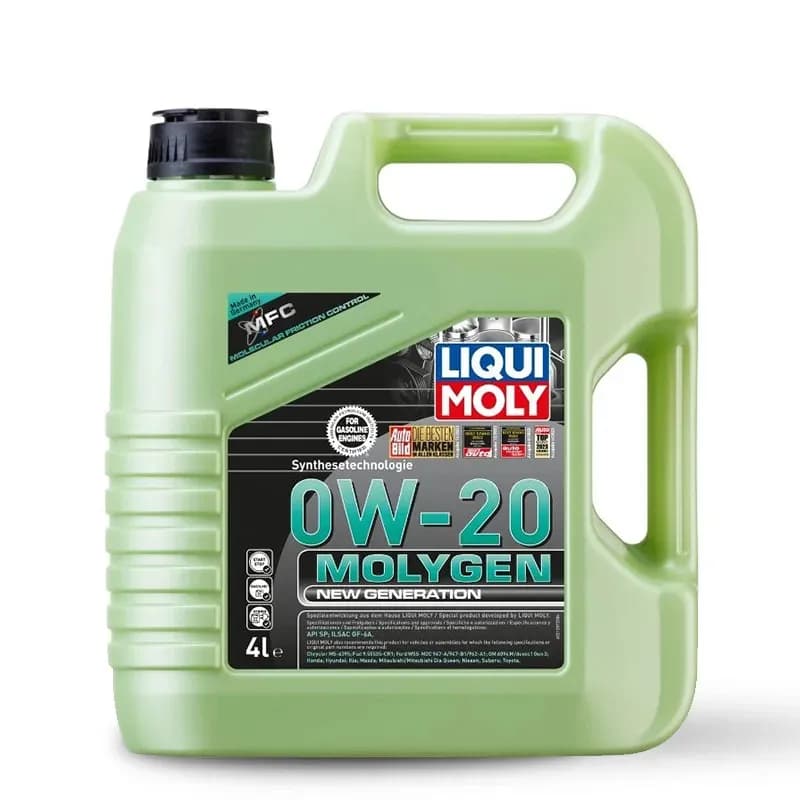
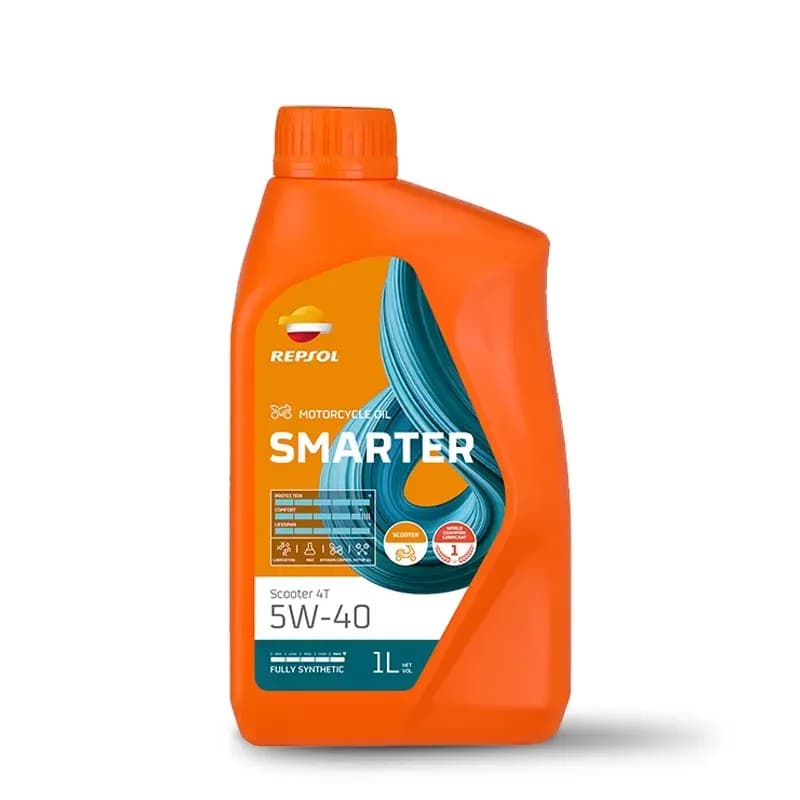
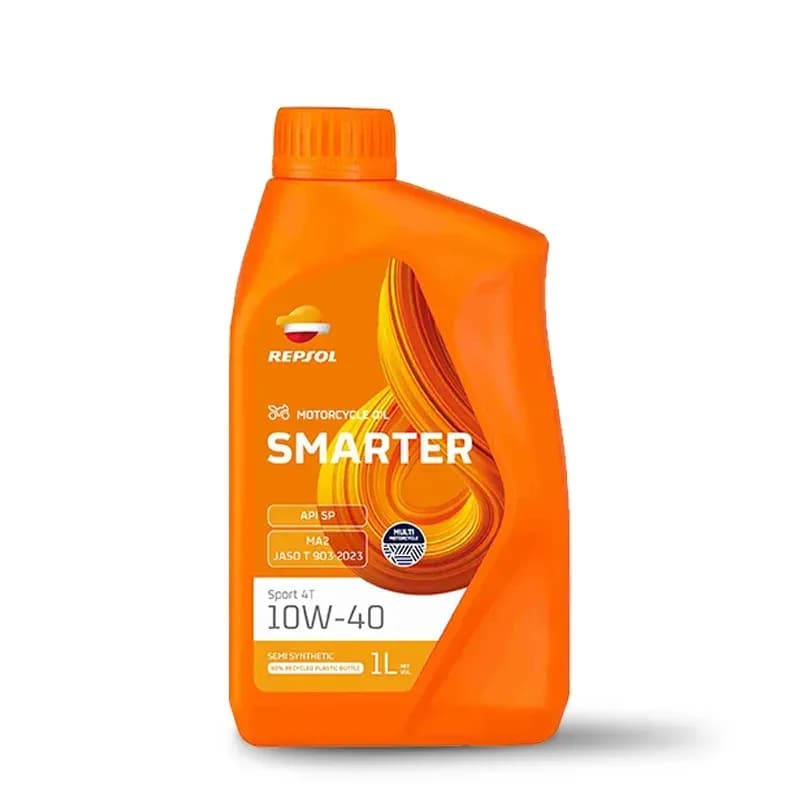
For motorcycle oil, products such as Repsol Smarter Scooter 5W-40 for scooters or Repsol Smarter Sport 4T 10W-40 for manual bikes are chosen by JASO grade and viscosity, regardless of E5 or E10. For cars that call for ILSAC GF-7A, see API SQ products such as Liqui Moly New Generation 0W-20.
06
Businesses and fleets
For petrol fleets - delivery, taxis, service vehicles - treat E10 like any operational change: list vehicles by make and year, check the exception list, record fuel use before and after one cycle, and track oil level and anomalies. Numbers measured on your own fleet are worth more than general claims.
Diesel fleets are outside E10. Their notable change is in oil standards: API has released CL-4 and FB-4, first licensable on 1 January 2027 - a topic for a later issue. Fleets needing oil advice can see fleet solutions.

E10 is a step in energy policy; for drivers it is a small change at the pump. What matters is reading the official information, knowing which group your vehicle belongs to, and keeping the maintenance habits that were already right.
Compiled from official documents and reports up to 14/11/2026. If the authorities adjust the blend ratio or vehicle list, we will update the note at the top.
- Produced by
- Ung Vuong editorial team
- Design
- Ưng Vương Web
Products in this article
 Cars
 ScootersTDS
 Manual motorcyclesTDS