LONGFORM
Variable valve timing: when oil moves the camshaft
VVT-i, VTEC and VANOS use engine oil as hydraulic fluid. Oil level, viscosity and sludge decide whether the system works or sets a fault code.
By: Ung Vuong editorial teamPublished 14 Nov 202612 min read
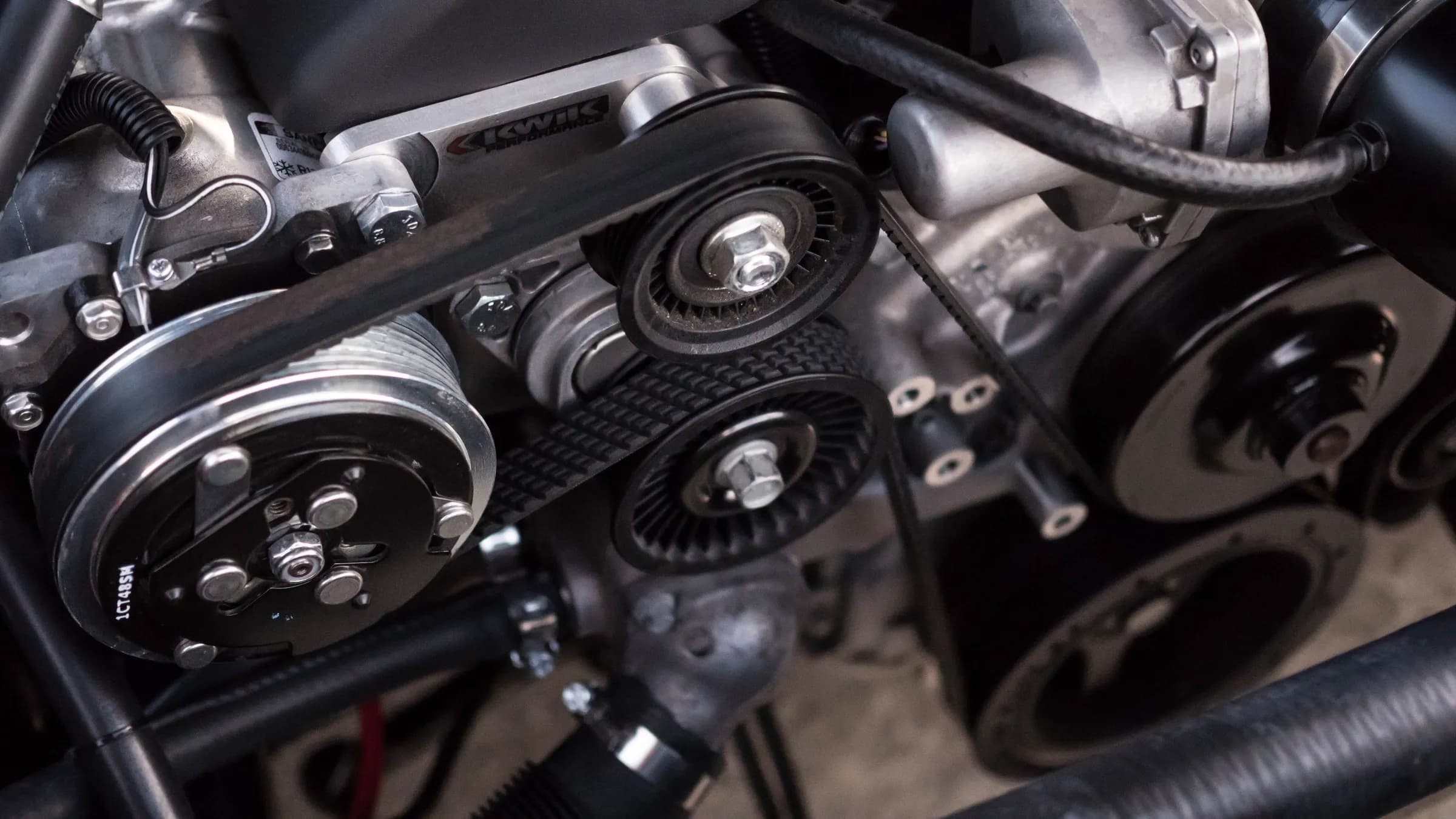
In most variable valve timing systems, the force that rotates the camshaft or locks a rocker arm is engine oil pressure. That makes the oil part of a precise control system, not just a lubricant.
01
Why vary valve timing
Cam phasing rotates the camshaft relative to the crankshaft without changing lift or duration (Wikipedia, Variable valve timing). Adjusting overlap controls cylinder temperature, and retaining some exhaust gives an internal-EGR effect. Alfa Romeo was first in production; Honda launched VTEC in 1989 and Porsche VarioCam in 1992.
- 1989
Honda DOHC VTEC, B16A.
- 1992
BMW VANOS on the M50.
- 1995
Toyota VVT-i on the 2JZ-GE.
- 2001
Honda i-VTEC with VTC on the K-series.
02
The vane phaser
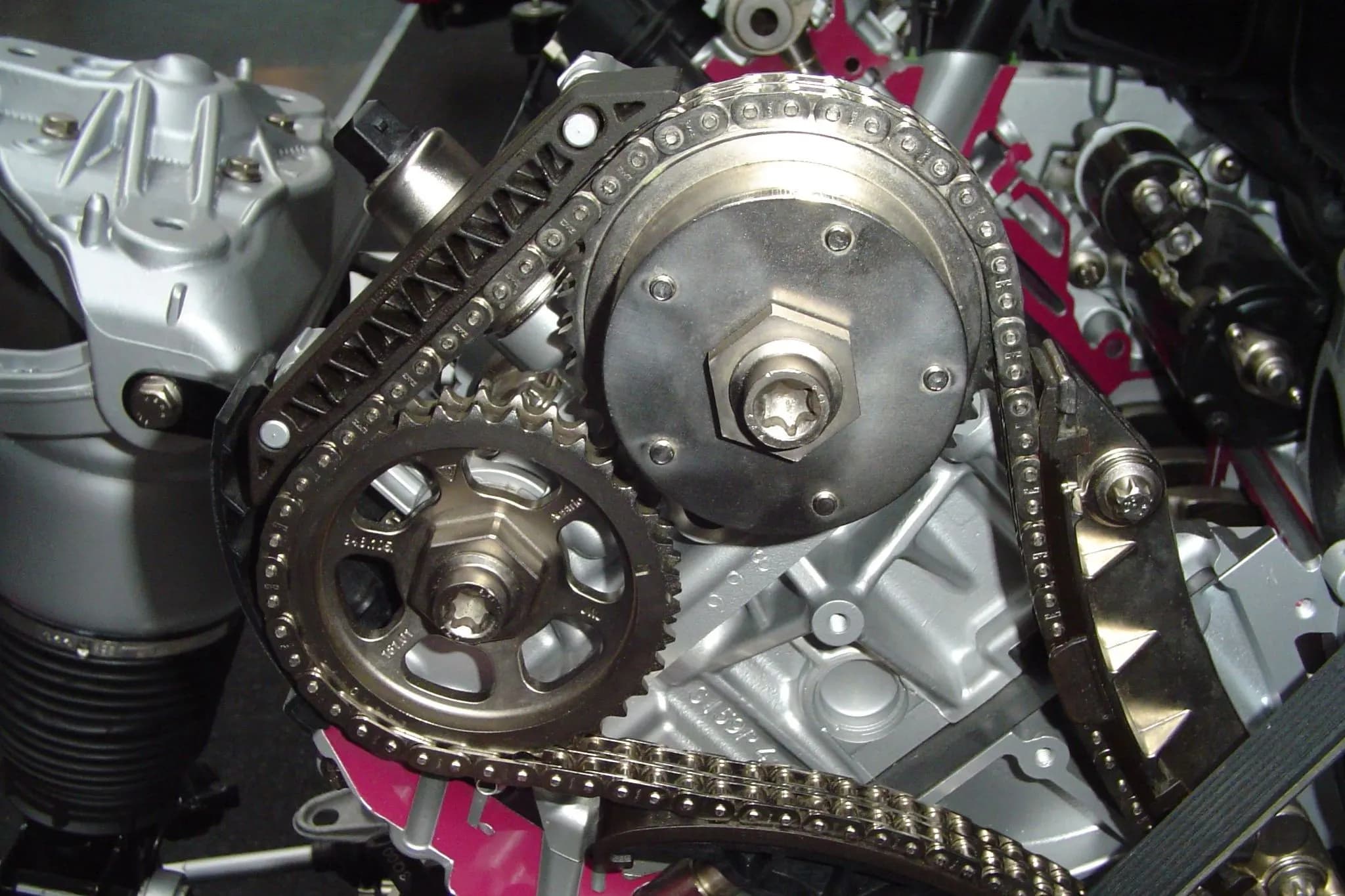
AA1Car (Larry Carley) describes a rotor with vanes inside the sprocket housing; oil fed to either side of the vanes rotates it about 20-30° each way. A locking pin holds base timing until oil pressure releases it. A PWM-controlled oil control valve lets the ECU make fine adjustments.
| System | Launch | What the oil does |
|---|---|---|
| Toyota VVT-i | 1995, 2JZ-GE | Rotates the intake cam |
| Toyota VVT-iE | 2007, 1UR-FSE | Electric intake; hydraulic exhaust |
| Honda VTEC | 1989, B16A | Pushes the rocker locking pin |
| BMW Double VANOS | 1996, S50B32 | Phases intake and exhaust cams |
03
Level, viscosity, sludge
- Low oil level lowers pressure.
- Oil that is too thick or too thin may starve the phaser of the expected pressure.
- Sludge and debris damage phasers and valves or block the inlet screen (AA1Car).
Infineum's GF-7 article (5/11/2024) notes OEMs moving to 0W-20 and 0W-16; engines are engineered around their specified grade. Its API SQ-RC/GF-7 tables cap Sequence IIIH viscosity increase at 100 % and fresh-oil at 40,000 cP. See viscosity.
Relevant GF-7 limits
- 01≤ 100 %IIIH viscosity increase at 40 °C
- 02≥ 7.6Sequence VH average engine sludge merits
- 03≤ 40,000 cPfresh-oil MRV
Source: Infineum - API engine oil classifications
In a VVT engine, oil is both lubricant and the camshaft's hydraulic nerve.
04
Fault codes
AA1Car lists P0010 (cam A actuator circuit, bank 1), P0011 (cam A over-advanced or system fault, bank 1), P0012 (over-retarded), P0013-P0015 for cam B (P0014 over-advanced) and P0020-P0025 for bank 2. A code points to a symptom: phaser, oil control valve or wiring. Start with oil level, condition and viscosity.
05
Motorcycles and care
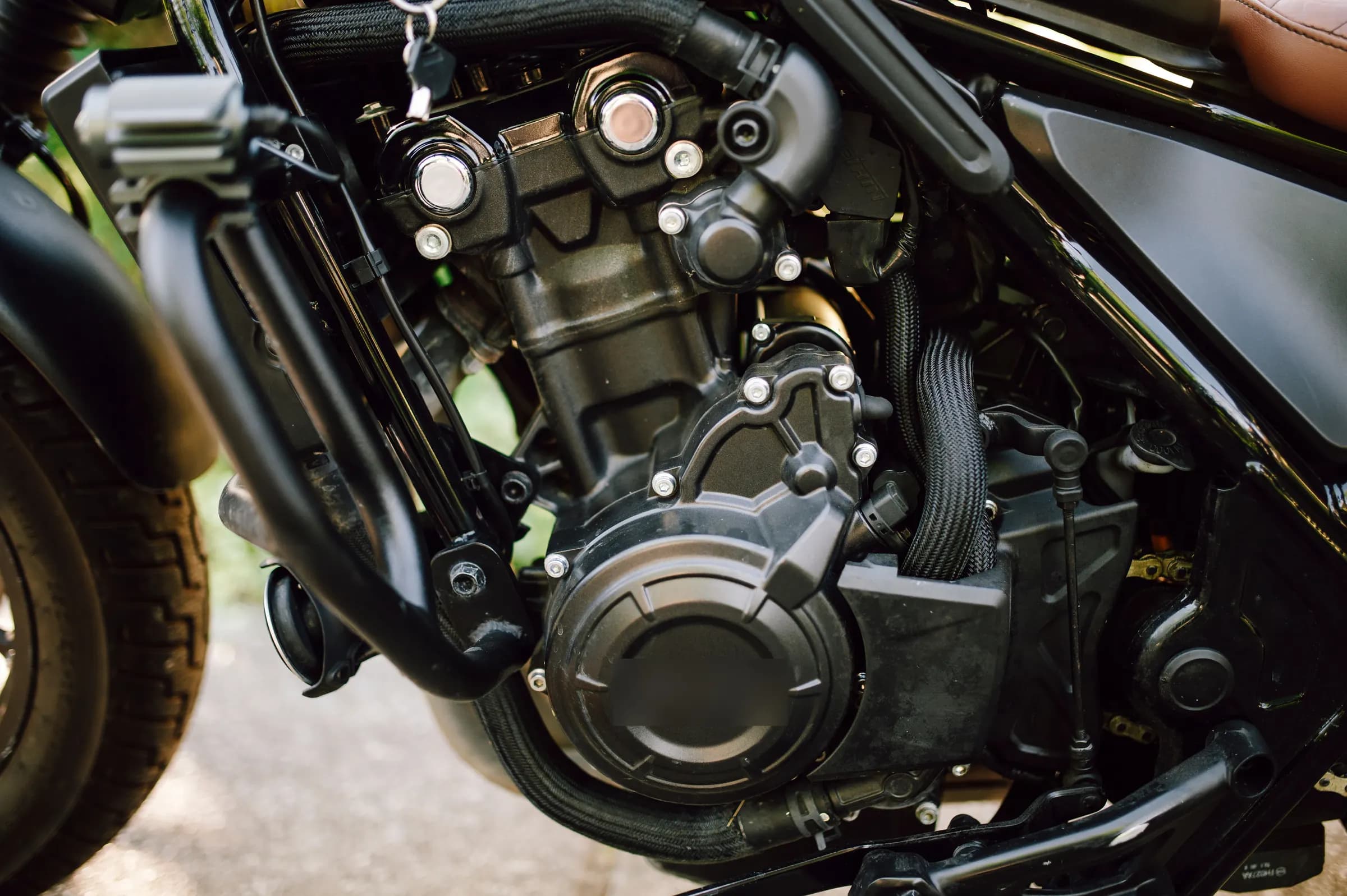
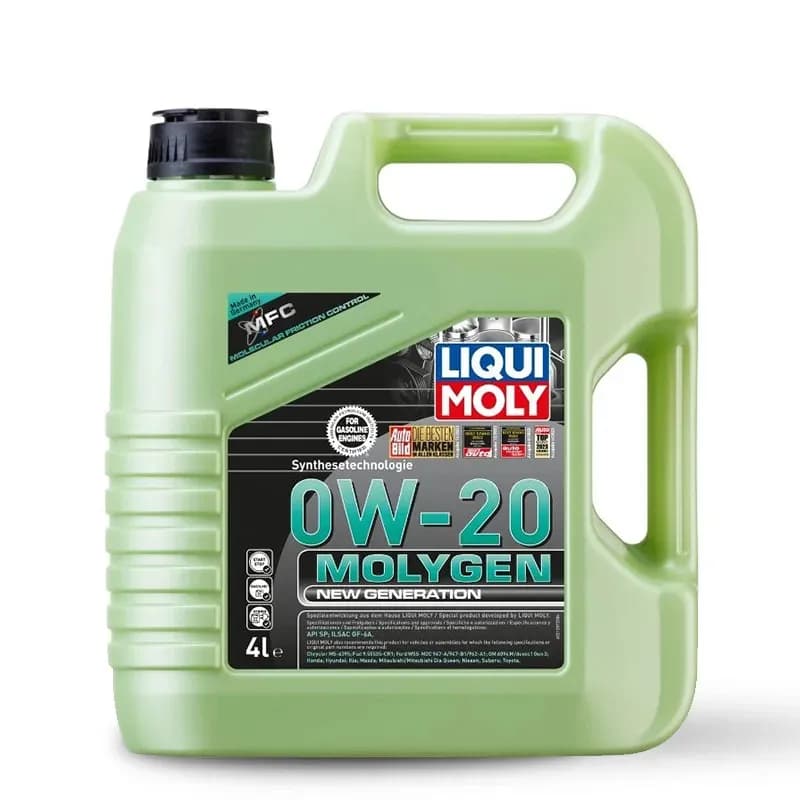
Honda's VFR800 (2002) was the first worldwide motorcycle VTEC; an oil-pressure pin brings in the second intake valve at 6,800 rpm (6,600 after 2006). Change oil and filter on time - set a reminder - and use the grade in your manual, for example Liqui Moly New Generation 0W-20 (API SQ, ILSAC GF-7A) where specified.
- Produced by
- Ung Vuong editorial team
- Content
- Ung Vuong editorial team
- Design
- Ưng Vương Web
Products in this article
 CarsTDS
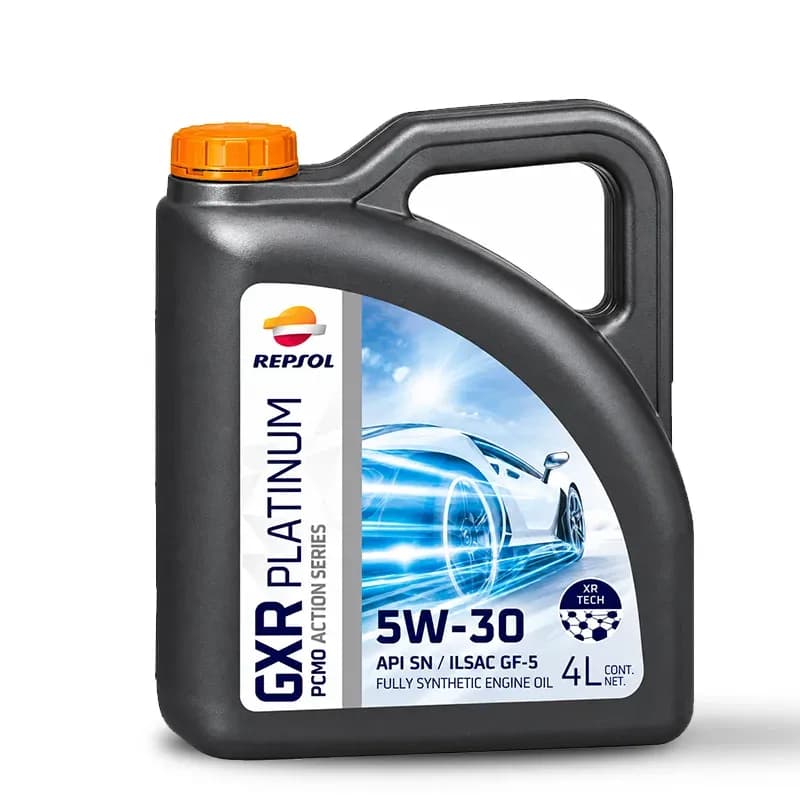
REPSOL GXR PLATINUM 5W‑30
- SAE 5W-30
- API SN/SP
- +1
- +2
 Cars
 Cars
 CarsTDS