LONGFORM
Turbochargers: why engine oil decides their life
A turbo shaft spins dozens of times faster than the engine beside red-hot exhaust. Oil lubricates, cools - and can coke there. What owners should know.
By: Ung Vuong editorial teamPublished 14 Nov 202613 min read
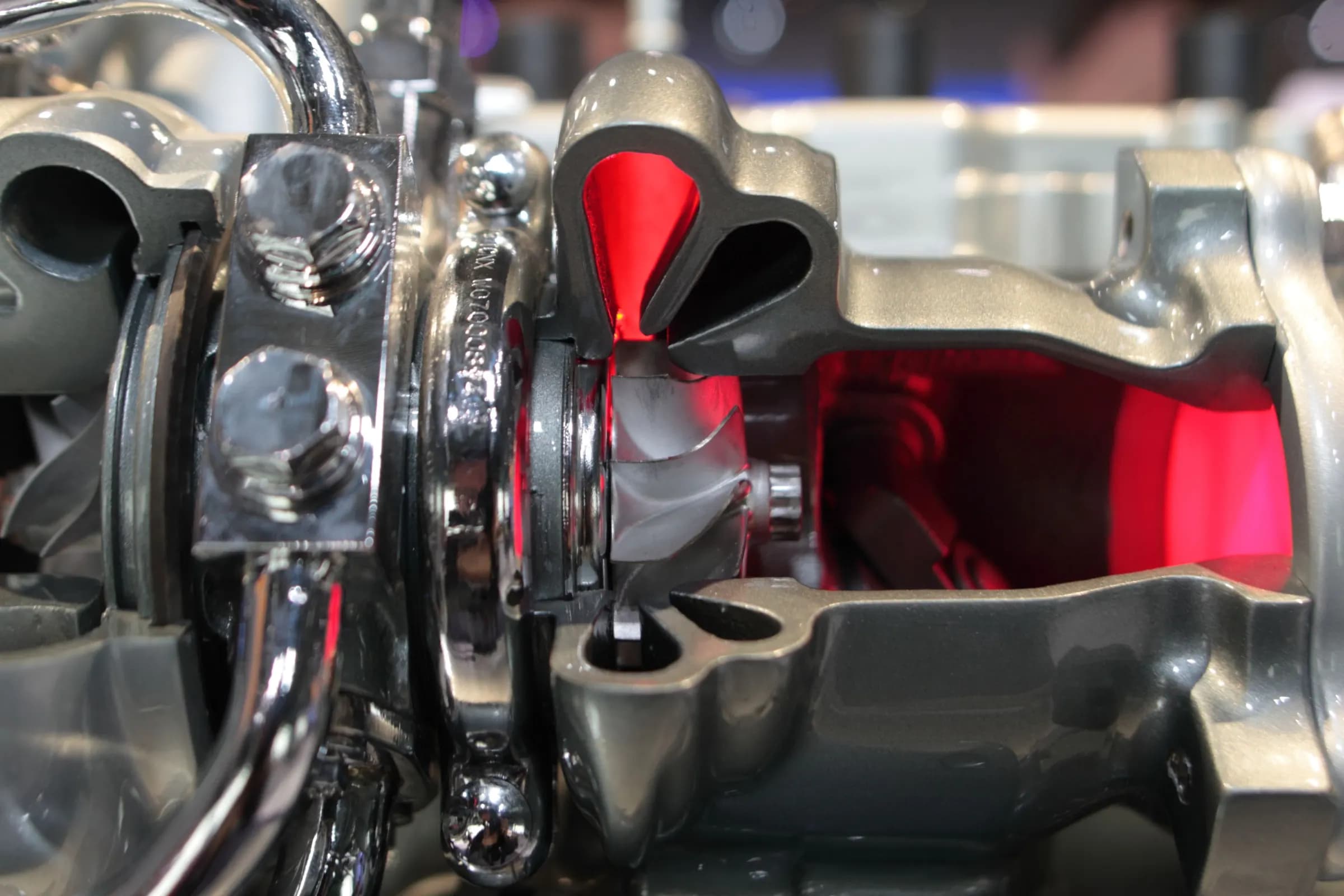
Small turbocharged petrol engines and turbo-diesel pickups are now common. The turbo sits next to the exhaust manifold and depends almost entirely on engine oil. has its own article: LSPI and turbo direct-injection engines.
01
How a turbo works
Garrett's Turbo Tech 101 starts from a simple rule: power depends on how much air and fuel reach the cylinders. Exhaust gas spins a turbine; a shaft drives a compressor that raises intake air ; an intercooler cools it; a wastegate limits boost.
Fast and hot
- turbo wheels can spin up to 60 times the engine's maximum speed (Garrett)
- 60×turbo wheels can spin up to 60 times the engine's maximum speed (Garrett)
- speed of a fully floating bearing relative to the shaft
- ~½speed of a fully floating bearing relative to the shaft
- design speed of a BorgWarner eTurbo announced 08/2026
- 145,000 rpmdesign speed of a BorgWarner eTurbo announced 08/2026
- exhaust temperature that eTurbo is designed to handle
- > 1,000 °Cexhaust temperature that eTurbo is designed to handle
Source: Garrett Motion - Turbocharger bearing systems; Just Auto (3/8/2026)
02
Bearings: where oil works hardest
Most turbos use hydrodynamic bearings: the shaft floats on an oil film. Fully floating bearings have two oil films, semi-floating bearings one plus a damping squeeze film; ball-bearing cartridges need less oil and remove the thrust bearing. Garrett advises an oil restrictor for ball-bearing turbos above about 60 psig and a drain that runs downhill all the way, as oil returns by gravity.
03
Heat soak and coking
After a hot shutdown, heat from the head, manifold and turbine housing soaks into the centre housing while oil no longer flows. Extreme temperatures there can coke the oil. Water-cooled centre housings use a thermal-siphon effect to limit peak heat soak.
For a turbo, half a minute of idling before shutdown is the driver's job, not the oil's.
04
The three turbo killers
Garrett says fewer than 1 % of turbos fail from manufacturing defects and more than 90 % of failures are oil-related - starvation or contamination - with foreign objects the third cause. Carbon carried in the oil acts as an abrasive; a few seconds without oil can be catastrophic.
05
How oil specifications test turbo protection
| Specification | Turbo-related test |
|---|---|
| API SQ/SP/SN Resource Conserving (API 1509, 23rd ed.) | TEOST 33C (ASTM D6335), 30 mg max deposits; not required for some very thin grades |
| ACEA A7/B7, C6 (2023) | CEC L-114-19, Toyota 1KD-FTV: turbo compressor deposits in diesel engines |
| ACEA 2023 A/B and C classes | CEC L-111-16 (EP6CDT) includes a turbocharger deposit rating |
06
What owners should do
Mazda's CX-5 manual asks for at least 30 seconds of idling after motorway, long-hill or towing driving and warns against revving just after start. Kia's manual (MQ4A, 2026, US) asks for about 1 minute of idling after high-speed or extended driving. Use the grade and specification in your manual, change oil and filter on time (reminder), and see OEM approvals or Mobil 1 ESP 5W-30.
- Right grade and specification, from the manual.
- Oil and filter on time.
- No hard throttle on a cold engine.
- Idle before shutdown after hard driving.
- Replace a damaged air filter.
- Produced by
- Ung Vuong editorial team
- Content
- Ung Vuong editorial team
- Design
- Ưng Vương Web
Products in this article
- Mobil 1 ESP 5W‑30Image coming soon
 CarsTDS
Mobil 1 ESP 5W‑30
- SAE 5W-30
- API SP/SN PLUS
- +1
- +2
 CarsTDS
 Trucks
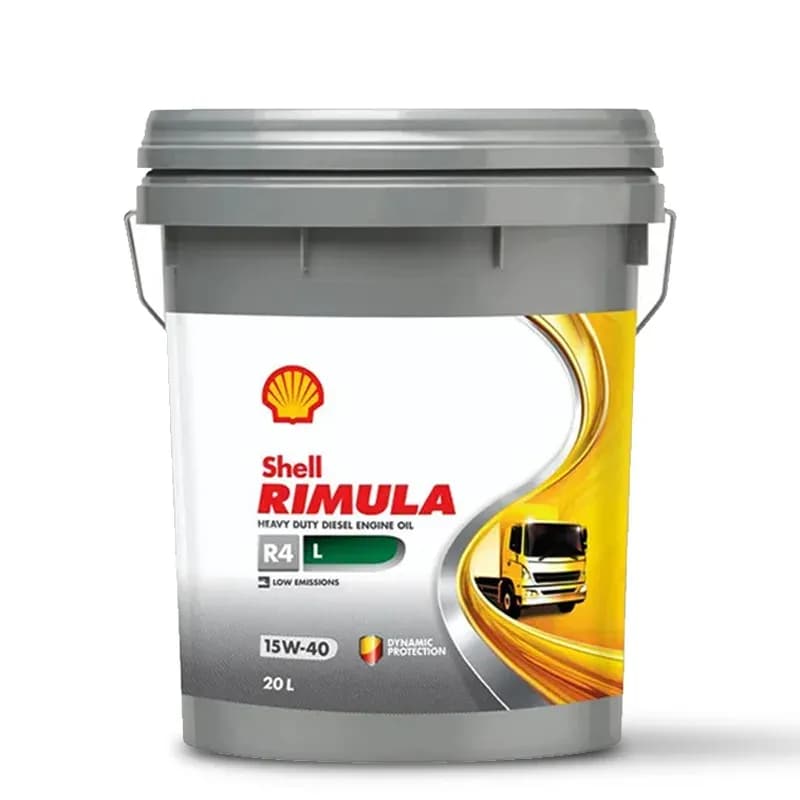
SHELL RIMULA R4 L 15W‑40
- SAE 15W-40
- API CK-4
- +1
- +2