LONGFORM
Used oil analysis: taking a good sample and reading the report
A small bottle can show where a machine is wearing and whether oil carries water, fuel or dirt. Sampling, tests and how to read results.
By: Ung Vuong editorial teamPublished 14 Nov 202611 min read
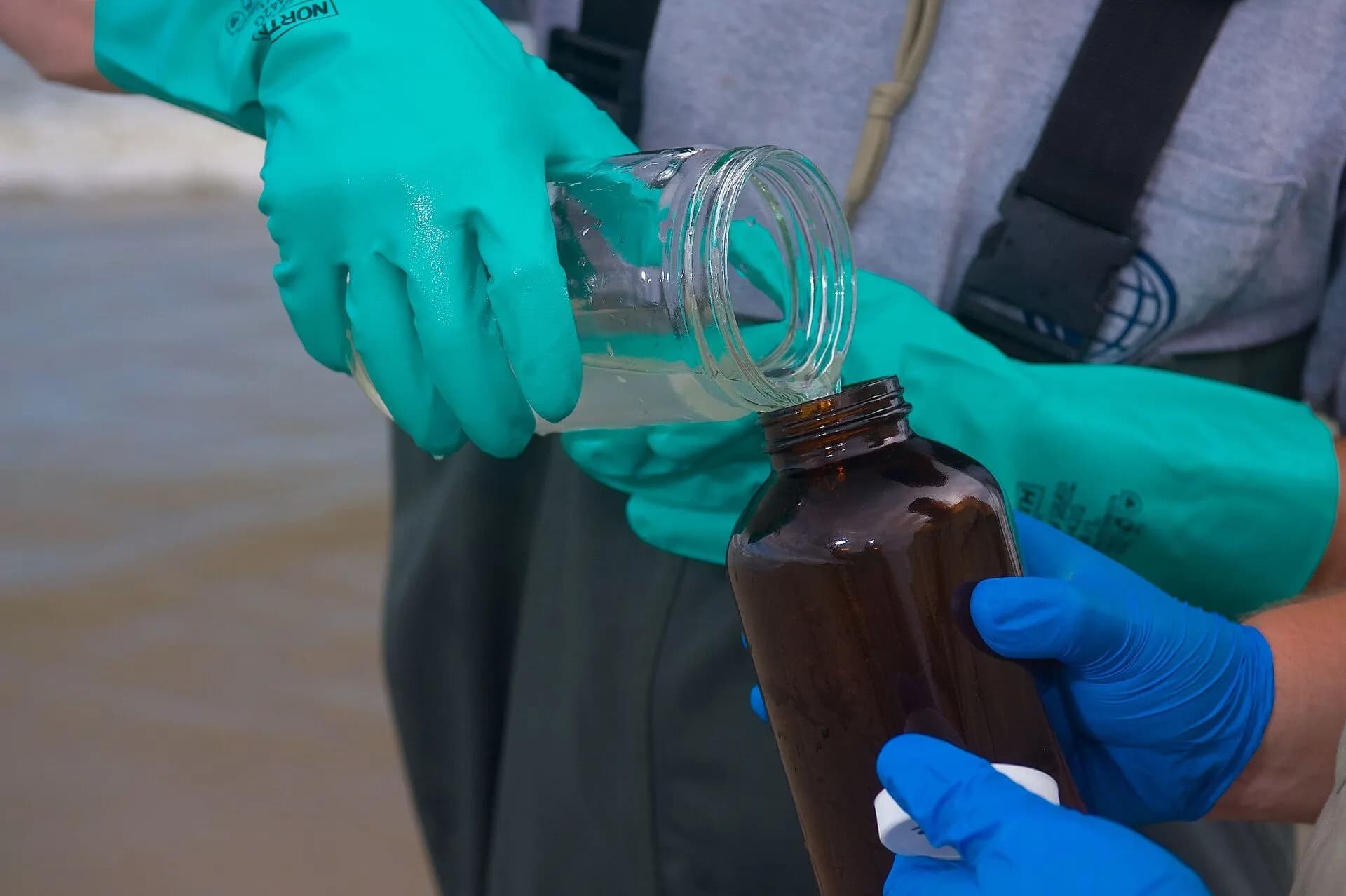
Oil carries traces of what happens inside a machine: wear metal, dirt that passed the air filter, coolant, fuel. Analysing used oil is like a blood test for engines, gearboxes and hydraulics - a way for fleets and plants to set drain intervals on data and to catch faults early. Methods below follow ASTM; interpretation follows ALS, Chevron, Machinery Lubrication and STLE.
01
Sampling first
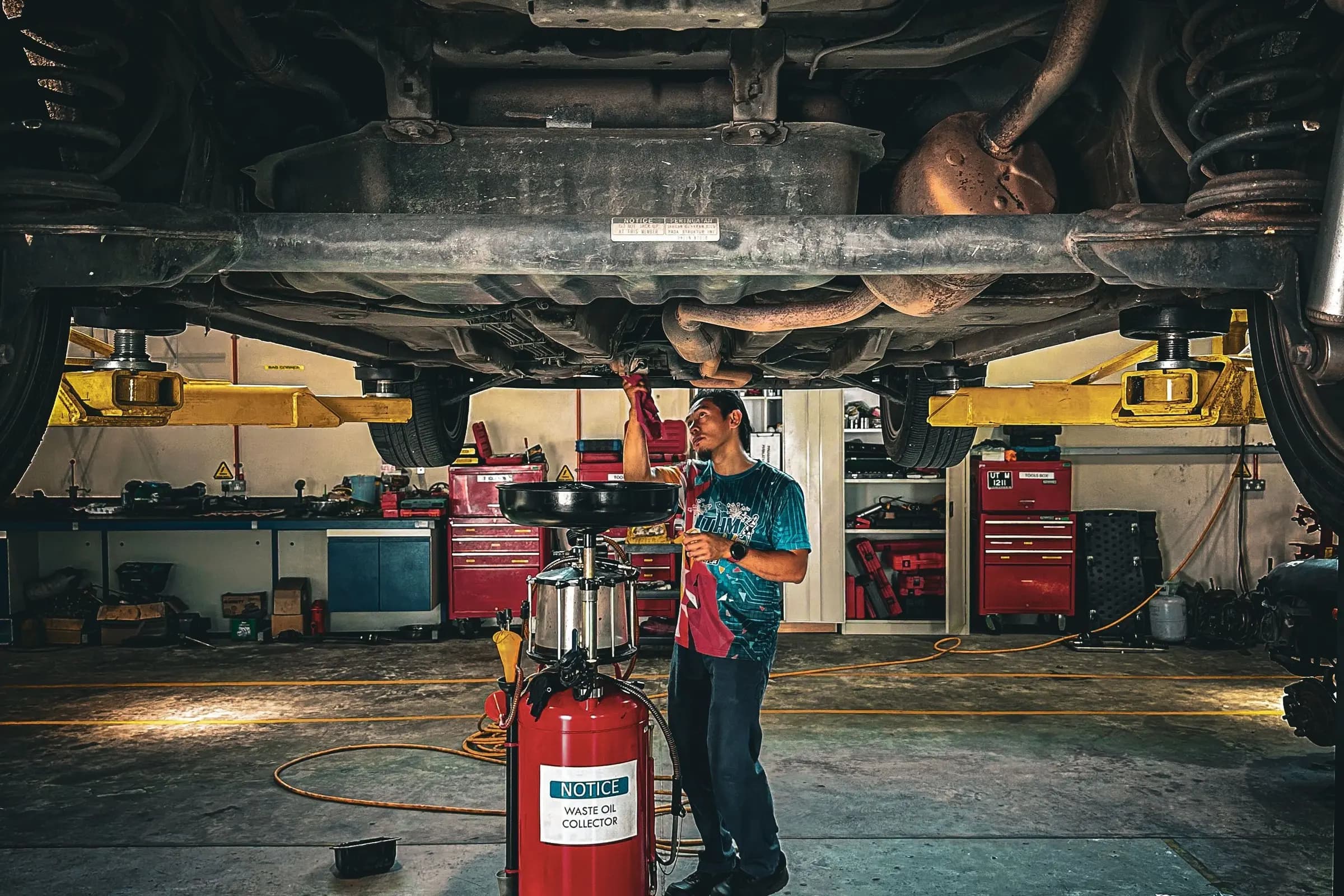
- Sample from a live, turbulent zone with the machine running.
- Same point every time; upstream of filters.
- Flush about 10 times the dead volume first.
- Use certified clean bottles (Machinery Lubrication, 2013).
02
Wear metals by ICP
ASTM D5185 measures 22 elements but under-reports particles larger than a few micrometres; Chevron notes particles above 10 µm are not detected at all. Trends matter more than absolute values.
| Element | Typical sources (ALS) |
|---|---|
| Fe | Cylinders, gears, shafts, rings, rust |
| Cu | Bushings, oil cooler, pumps |
| Al | Pistons, blocks, oil cooler |
| Si | Dirt (also anti-foam additive) |
Trends matter more than any single number.
03
Contaminants
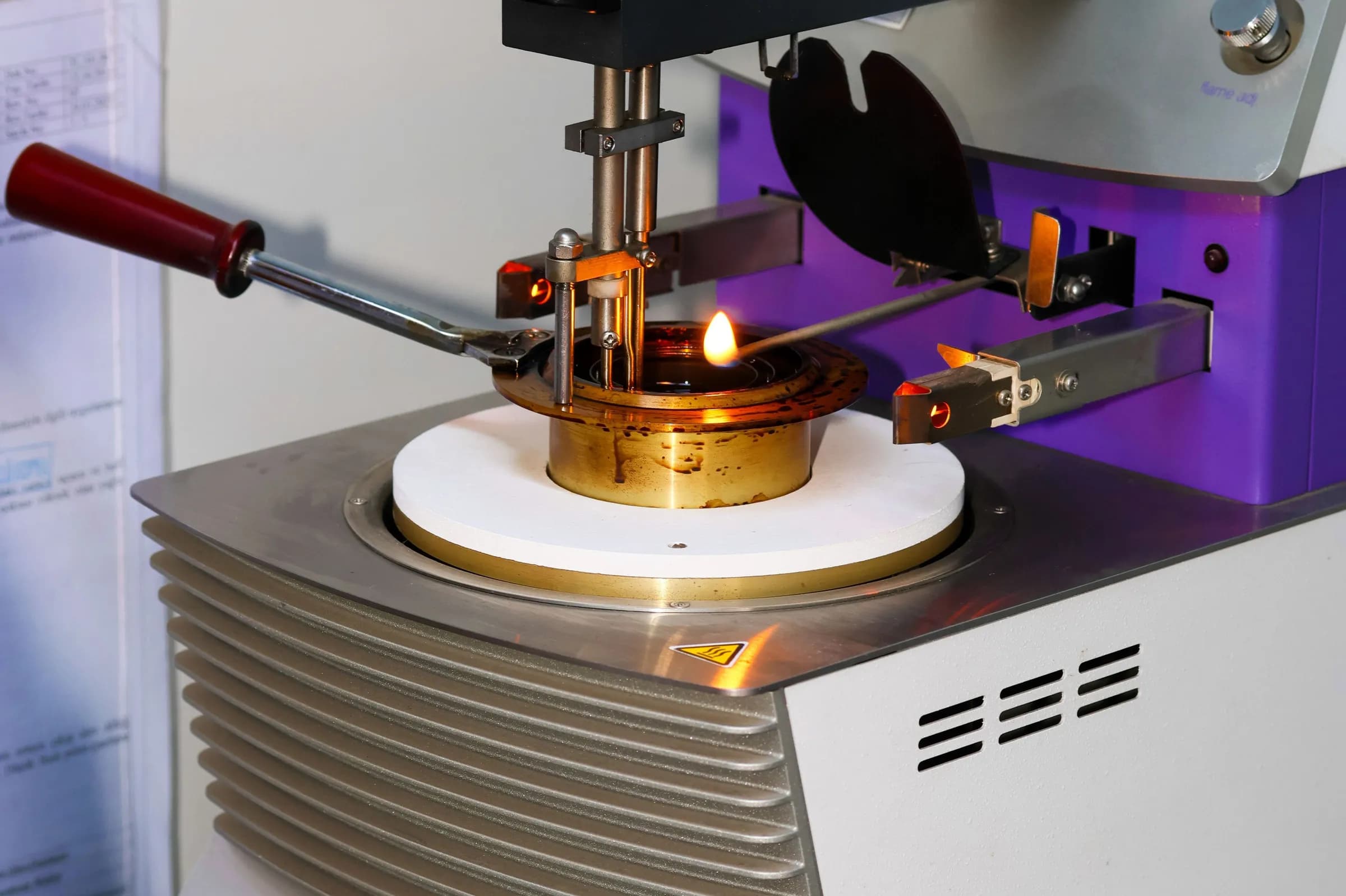
Na and K can indicate coolant; water is measured by coulometric Karl Fischer (ASTM D6304); FTIR (ASTM E2412) tracks oxidation, nitration, soot and glycol.
04
Oil condition
| Test | Method | Meaning |
|---|---|---|
| Viscosity | ASTM D445 | Down: fuel; up: oxidation, soot |
| TBN | ASTM D4739 | Falls as additives deplete |
| TAN | ASTM D664 | Rises with oxidation |
05
ISO 4406 cleanliness
Three numbers for particles above 4, 6 and 14 µm per mL; each step roughly doubles the count.
06
When to change
ASTM D7720 helps build statistical alarm limits from your own data. Company guidance cited by STLE (05/2012) - e.g. viscosity change of 10-12 %, fuel 3 %, water 1-2 % - is not a standard; OEM limits come first and at least three samples make a trend.
Reading rules
- samples for a trend
- ≥ 3samples for a trend
- limits priority
- OEM firstlimits priority
Source: STLE TLT (05/2012); ALS
07
Getting started
- Start with critical equipment.
- Send a new-oil reference sample.
- Fix the sampling point and record hours and top-ups.
- Adjust intervals within the maker's recommendations.
- Produced by
- Ung Vuong editorial team
- Content
- Ung Vuong editorial team
- Design
- Ưng Vương Web
Products in this article
- Mobil Delvac Modern 15W‑40 Full ProtectionImage coming soon
 TrucksTDS
Mobil Delvac Modern 15W‑40 Full Protection
- SAE 15W-40
- API CK-4/CJ-4
- +2
- +3
 Trucks
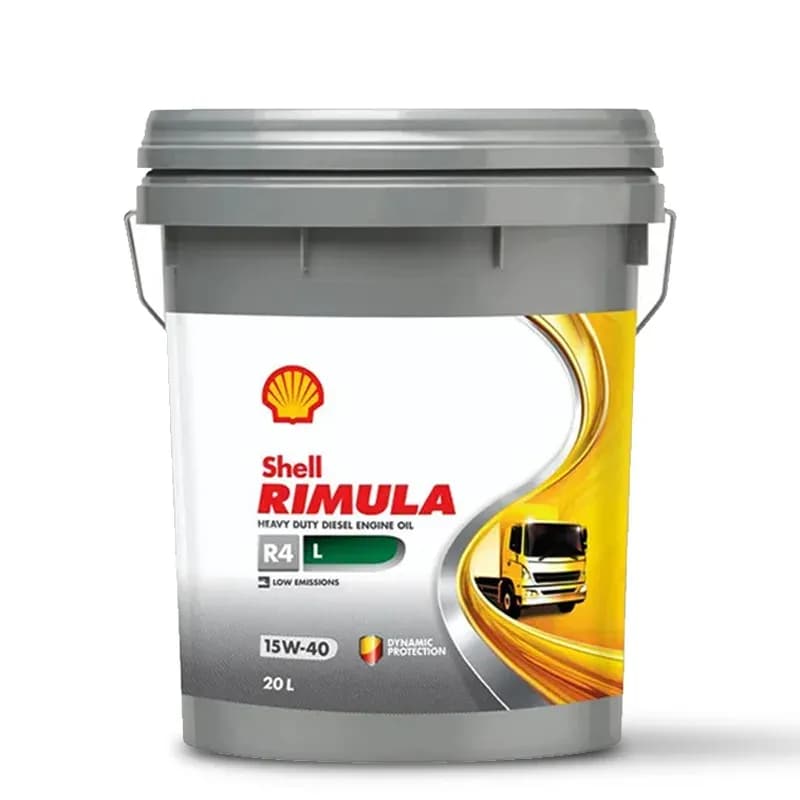
SHELL RIMULA R4 L 15W‑40
- SAE 15W-40
- API CK-4
- +1
- +2