
Maintenance guides · technical report
Engine coolant: why you shouldn't top up with tap water
What coolant is made of, the ASTM D3306 standard, why hot climates still need the right concentration, and how to top up safely.
Ung Vuong editorial teamPublished 2 Oct 2026Updated 13 Nov 20264 min read
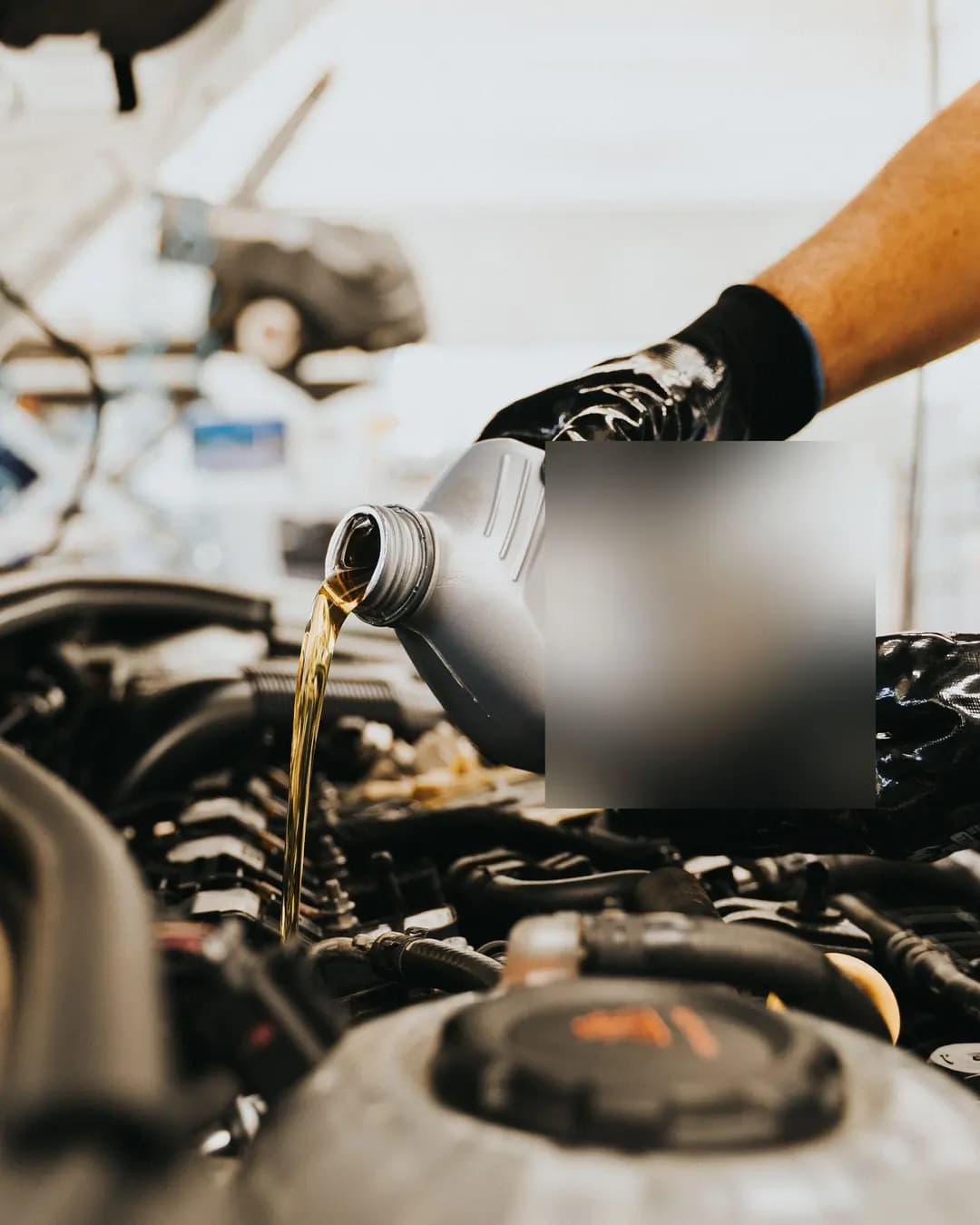
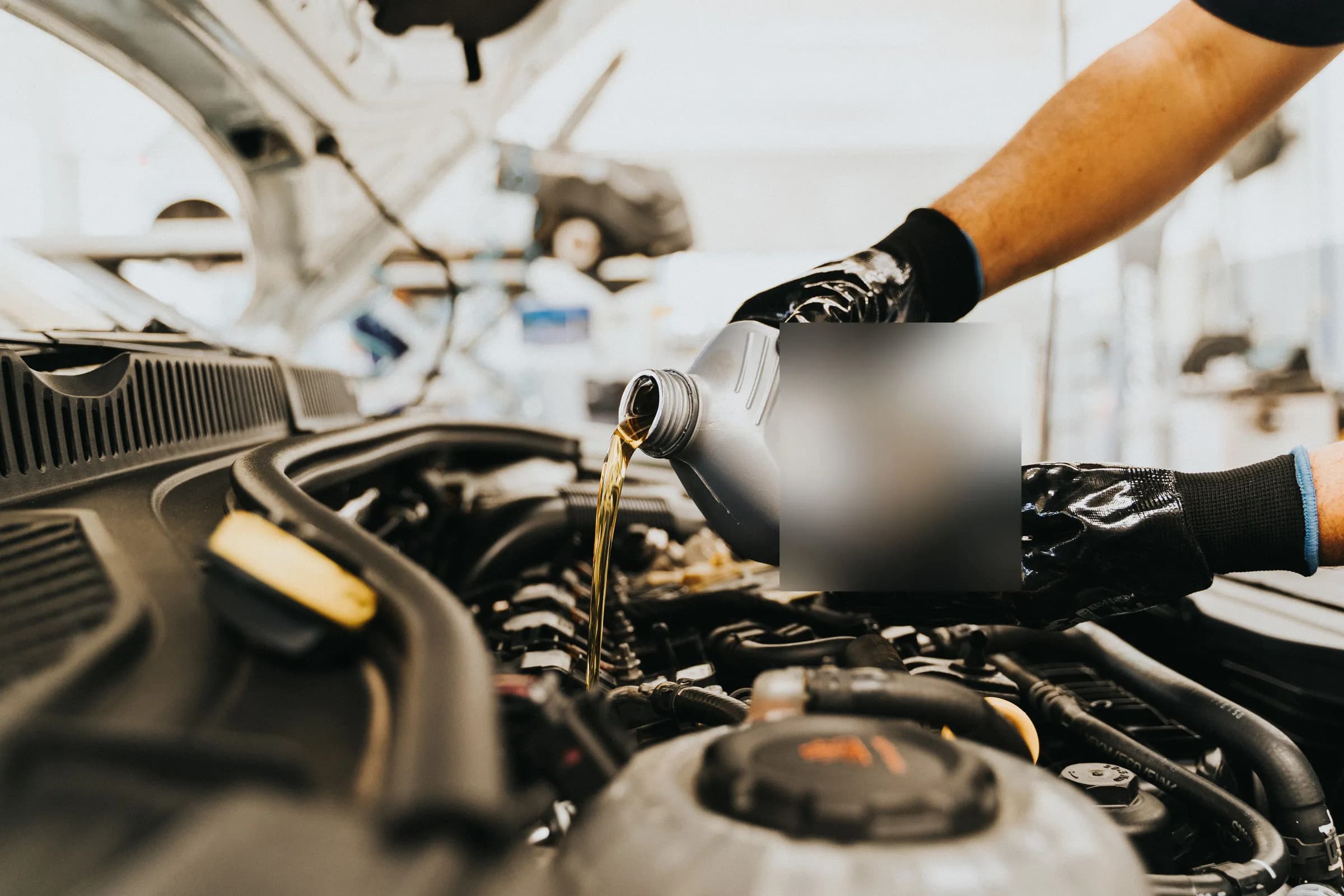
When the radiator runs low, many people simply pour in tap or well water. That solves the immediate problem, but in the long run it can damage the radiator, water pump and cylinder head. This article explains what coolant contains and how to top it up correctly.
What is coolant made of?
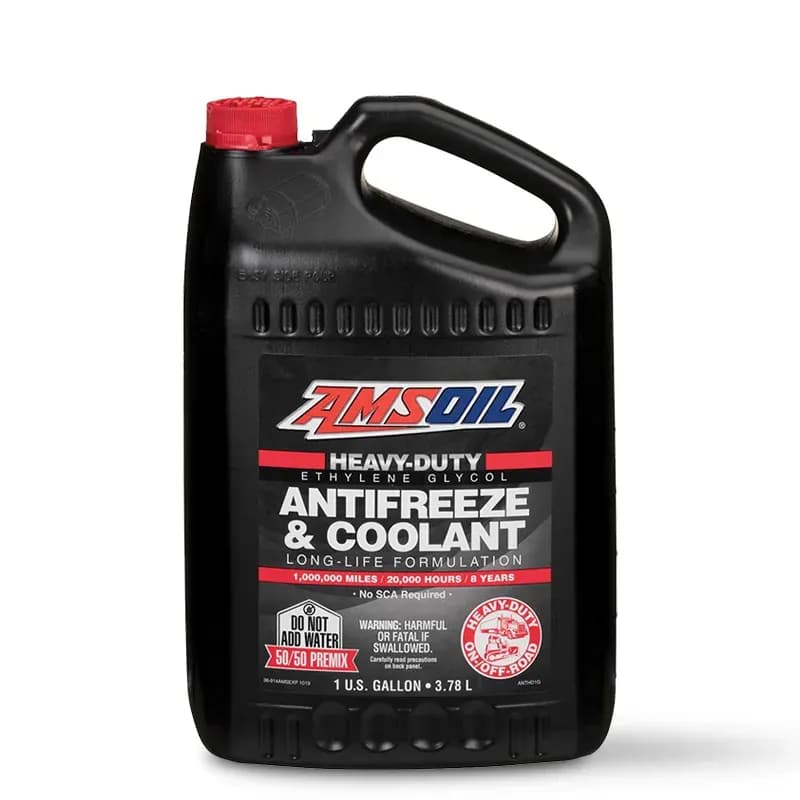
Coolant is a mixture of water, glycol and a corrosion-inhibitor package. ASTM D3306 covers glycol-based coolants for cars and light-duty vehicles, including ethylene glycol, propylene glycol and ethylene glycol with glycerin types. A coolant meeting the standard protects the engine against three risks: freezing, boiling and corrosion. Heavy-duty trucks have their own standards, ASTM D4985 and D6210.
- Concentrate: under ASTM D3306, used at 40-60% by volume in water; up to 70% only by agreement between manufacturer and user.
- Pre-mix: contains 50% or more concentrate and is poured in as is, without further dilution.
- The product label tells you which type it is; read it before pouring.
Why not plain tap water?
- Tap and well water contain minerals that form scale in the radiator and hoses. Kia's owner's manual says to use only deionised or soft water and never hard water.
- Plain water has no corrosion inhibitors, while a cooling system contains aluminium, cast iron, copper and rubber.
- Every top-up with plain water dilutes the mixture, reducing its protection against boiling and corrosion.
- Coolant at the correct concentration has a higher boiling point than plain water, helping the engine cope with heat in traffic jams or on long climbs.
No frost here - do we still need antifreeze?
Yes. In Vietnam, the main job of glycol and inhibitors is to prevent boiling and corrosion, not freezing. Kia's mixing table shows the manufacturer does not recommend less than 35% or more than 60% antifreeze, even in warm regions. In other words, diluting with plain water removes the protection the coolant is designed to provide.
Tips for topping up
- Only open the radiator cap when the engine is cool. When hot, the pressurised coolant can spray out and cause serious burns.
- Use the coolant type specified in your owner's manual. Toyota's manual warns that improper coolant may damage the cooling system.
- If you don't know which type is in the car, drain and refill completely rather than mixing different types.
- If you must dilute a concentrate, use distilled or deionised water at the ratio on the label.
- Needing frequent top-ups is a sign of a leak: check the hoses, radiator, water pump and head gasket.
Liquid-cooled motorcycles too
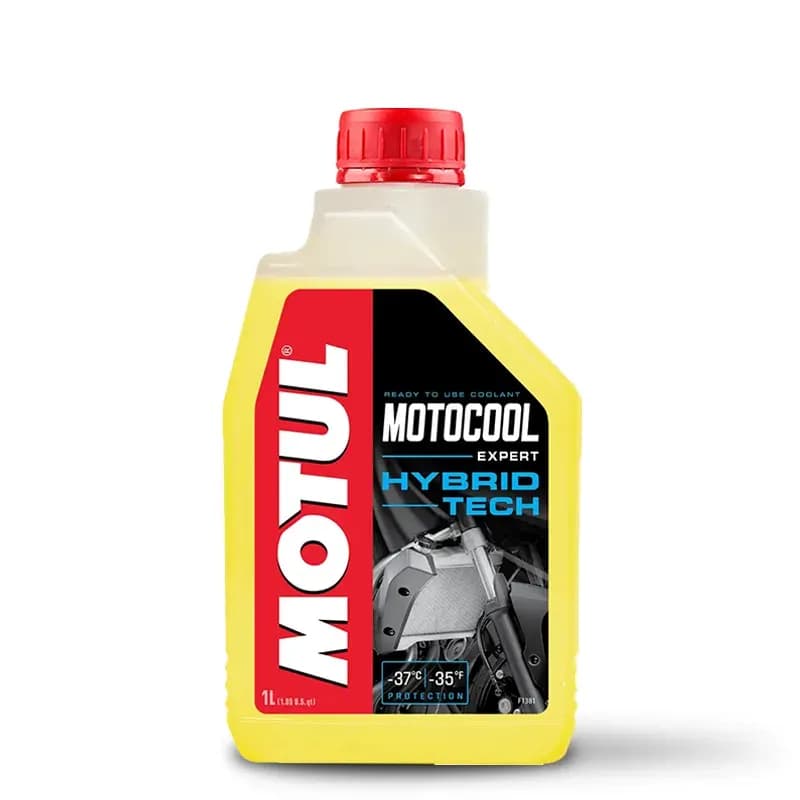
Many scooters and motorcycles are now liquid-cooled, with a small reservoir on the body. The same rules apply as for cars: use the right type, check the level in the reservoir with the engine cool, and never top up with plain water.
References
Author
The content team of Ung Vuong Lubricants. Articles are compiled from brands' technical data sheets (TDS) and the SAE, API, ACEA and JASO standards; every article lists its references at the end.
For reference only - always check your vehicle manufacturer's handbook.
Products in this article
 Scooters
 ScootersTDS
Read next
More articles
LONGFORMMaintenance guides
Scooter care: final drive oil, drive belt and clutch, by the manual
9 min read

Try it
Open the SAE J300 bench
Pick a grade and see what each number means.