E-MAGAZINE
E-commerce Law: how online buyers are protected
Since 1 July 2026, platform sellers must verify identity and platforms must remove violating goods. What should online oil buyers know?
By: Ung Vuong editorial teamPublished 13 Nov 202611 min read
Scroll to read
I
A law for the online market
On 10 December 2025 the National Assembly passed Law on E-commerce No. 122/2025/QH15, in force from 1 July 2026 (LuatVietnam). Per Bao Cong Thuong it has 7 chapters and 41 articles and replaces a framework that mostly sat in Decrees 52/2013/NĐ-CP and 80/2021/NĐ-CP. It applies to domestic and foreign parties doing e-commerce in Vietnam.
For people buying oil and parts online this matters: for the first time the duties of platforms, sellers, livestreamers and affiliates are set at the level of law. Article 5 sets the principle that e-commerce participants must also comply with laws on product quality, advertising, consumer protection, tax and competition.
The law also names platform models. Per Bao Cong Thuong, Article 3(2)-(6) defines four: direct-sales platforms, intermediary platforms, social networks with e-commerce activity and integrated platforms, with Articles 16-19 assigning duties to each. For buyers this settles a familiar question: buying through a social-network post with an ordering function is still e-commerce, not a free-for-all outside the law.

For the first time, the duties of platforms, sellers and livestreamers are set in law.
II
Sellers must be identified
Per Bao Cong Thuong, Article 15(1) requires platforms to verify seller identity via electronic ID. VTV8 (24/6/2026) lists seller duties: provide identity information on request; declare business details matching their registration; disclose quality, labelling and other required information; use their own payment account on intermediary platforms or social networks with ordering; and prove eligibility before selling in conditional business lines.
One point directly relevant to technical goods: a seller who finds a defective product must notify the platform so it can be publicised, recalled, handled and compensated if there is damage (VTV8).
VTV8 notes that item-specific details - manufacture date, expiry, batch, chassis or engine numbers - follow separate rules. For a bottle of oil, a listing should show: full brand and product name, SAE grade, quality category (API, ACEA, JASO), volume, origin and real photos of the label. A shop that posts only generic images and no oil grade deserves questions before you order.

III
What platforms must do
Article 6 lists banned acts including fraud on platforms and trading prohibited, counterfeit, IP-infringing, smuggled or untraceable goods (Bao Cong Thuong). Per VTV8 the list of goods that may not be sold or facilitated also covers expired and substandard goods.
Platforms must publish operating and transaction conditions, monitor regularly and act promptly on violations they find or are told about, remove violating content, file periodic online reports and cooperate with authorities on disputes, complaints and investigations (Bao Cong Thuong; VTV8). If algorithms prioritise or limit product visibility, the main criteria must be published.
Transaction data must be kept: per Bao Cong Thuong, Article 16(2)(b) requires contract data to be kept at least three years, even after a shop closes; start-ups, micro-enterprises and household businesses keep it one year during their first five years.
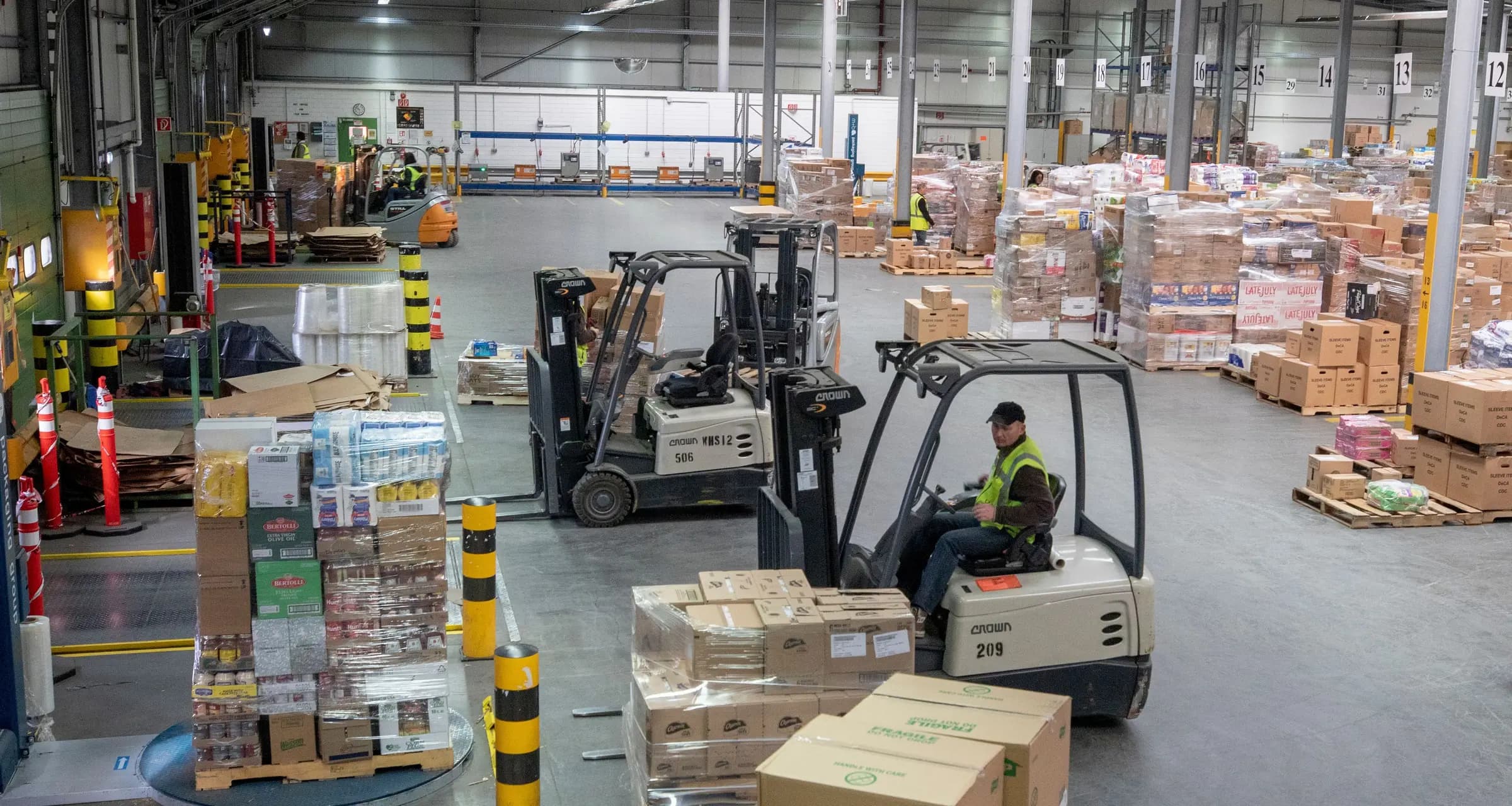
Sanctions are in Article 39: administrative fines, access blocking, suspension of transaction functions, content removal, account suspension or termination, and possible criminal referral (Bao Cong Thuong). VTV8 adds remedial measures, restoration of lawful rights and compensation.
Counterfeit, untraceable or expired goods: the law bans both selling and facilitating them.
IV
Livestreams, influencers and affiliates
Section 3 of Chapter III covers livestream selling. Per Bao Cong Thuong, Article 22 requires platforms to verify livestreamer identity before broadcast, require sellers to provide advertising confirmations for regulated goods, stop broadcasts and remove content on detecting violations, and keep audiovisual data at least one year. Article 23 requires sellers to give livestreamers legal documents.
Article 24 bars livestreamers, KOLs and KOCs from false claims on use, origin or price. Articles 25 and 26 set duties for affiliate service providers and those who create referral links and codes.
For engine oil this is concrete: claims such as “approved by the carmaker” or “fits every vehicle” are claims about use. Buyers can ask to see the technical data sheet (TDS) - and an official approval exists only when the TDS or the carmaker says so.


V
Foreign platforms
Article 27 brings foreign platforms into scope if they have a Vietnamese interface, a “.vn” domain or reach a transaction threshold with domestic buyers. Depending on the model, owners must appoint an authorised representative or set up a legal entity in Vietnam to handle complaints and financial duties. Where a treaty bars requiring an entity, the platform must deposit security at a bank in Vietnam to guarantee consumer compensation (Bao Cong Thuong).
Transition: under Article 41(1), sites and apps notified or registered before 1/7/2026 may keep operating under their registration until 30/6/2027.

VI
How buyers can protect themselves
Alongside the E-commerce Law, Consumer Protection Law No. 19/2023/QH15 - issued 20/6/2023, in force from 1/7/2024 - treats remote transactions (including online sales) as a special category with specific duties for businesses (KPMG Vietnam). The two laws complement each other: one sets platform and seller duties, the other protects consumers in every transaction.
For oil bought online, five habits. One, check that the shop shows clear business details matching the invoice. Two, save screenshots of the listing, messages and invoice - evidence for any complaint. Three, film the unboxing and check the seal, batch number and date before pouring. Four, if in doubt, don't use it - contact the seller, the brand's official distributor or market surveillance. Five, an unusually low price deserves a closer look.
Five questions to ask an online oil seller
- Which importer or distributor does the product come from?
- Can you send a photo of the batch number and production date on this lot?
- Where can I see the technical data sheet (TDS) for the grade you list?
- If you claim a carmaker approval, where does the TDS say “approved”?
- What is the return process if the seal is broken on delivery?
A reputable seller can usually answer all five. If the goods don't match the description, complain through the platform's channel first - the law requires platforms to cooperate on disputes and complaints (VTV8) - and keep the product, packaging and photos as evidence. For “flash deal” oil livestreams, remember the stream is kept for at least a year: what the seller says on air is evidence too.
Numbers in the law
- 0101/7/2026E-commerce Law takes effect
- 023 yearsminimum contract data retention (Article 16)
- 031 yearminimum livestream data retention (Article 22)
- 0430/6/2027end of transition for registered sites (Article 41)
Source: Bao Cong Thuong 1/7/2026; LuatVietnam
Our article Genuine or fake oil explains in-shop checks. Ung Vuong publishes its inspection policy and authenticity commitment; send us a label photo for help.
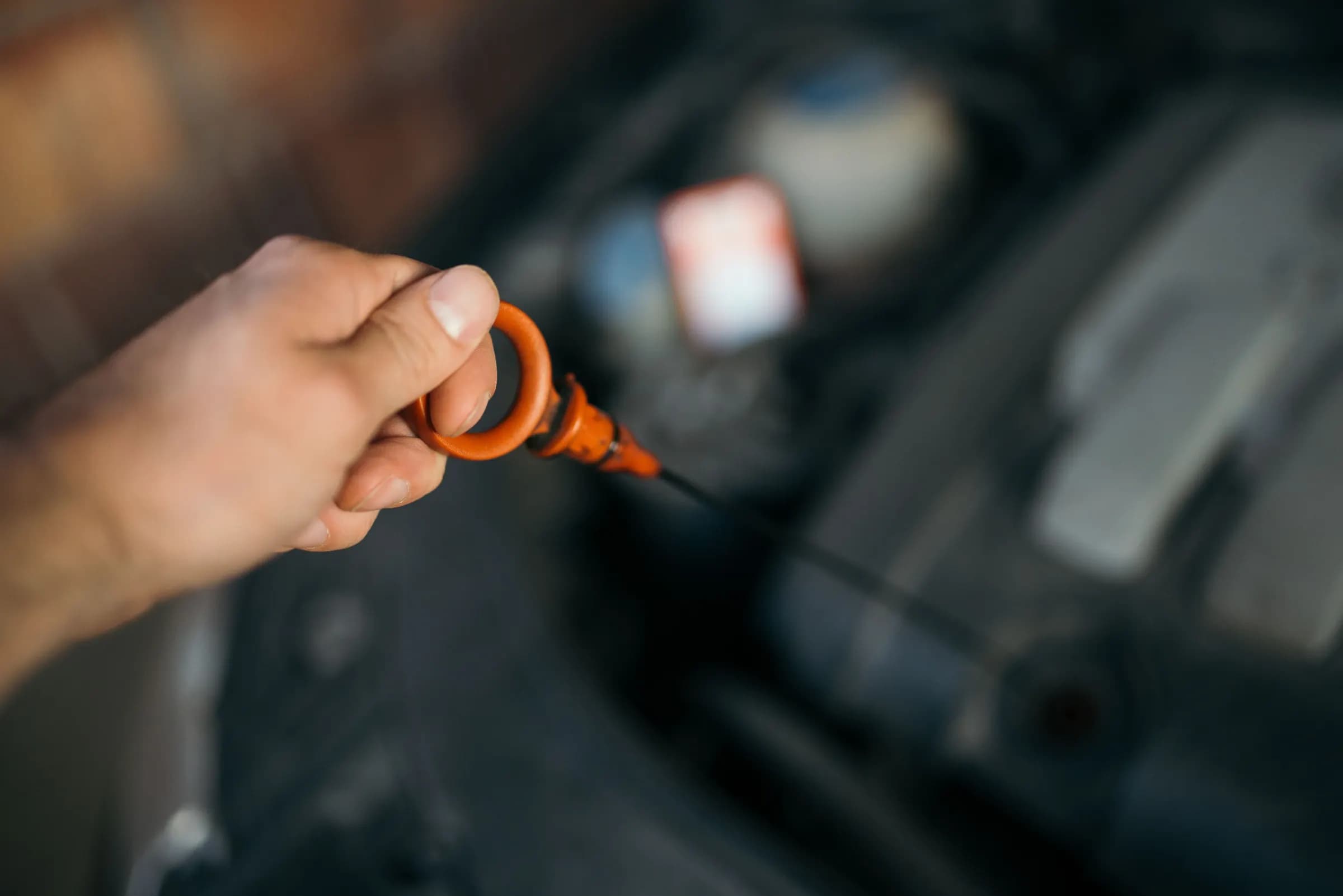
Save screenshots, keep the invoice, film the unboxing: three small habits that give buyers evidence.
The new law adds duties for sellers and platforms but does not replace buyer care. For a product poured straight into your engine, a few minutes of checking is the cheapest investment.
- Produced by
- Ung Vuong editorial team
- Design
- Ưng Vương Web
Products in this article
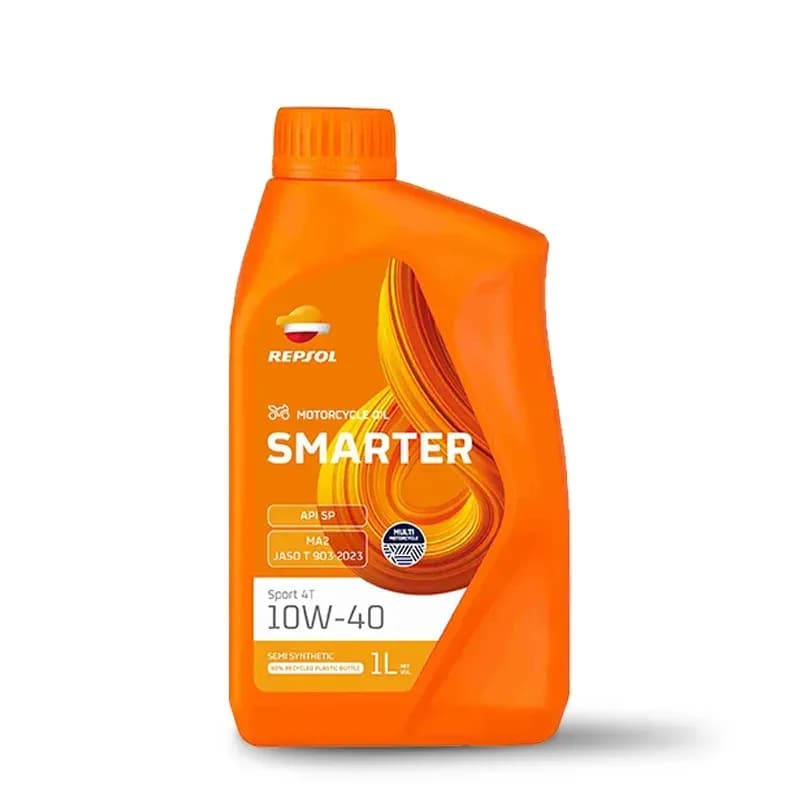
 Manual motorcyclesTDS
More in this format
E-MAGAZINE →E-MAGAZINETrade & wholesale
Ung Vuong: one lubricant supplier for workshops, fleets, dealers and plants
4 min read
E-MAGAZINETrade & wholesale
Buying Castrol, Shell, Repsol, Motul wholesale: 7 questions to ask
4 min read
E-MAGAZINETrade & wholesale
Car washes selling oil: what to prepare to sell right and safely
4 min read