LONGFORM
Motorbike emission roadmap: dates, levels, to-dos
From 1 July 2027, Hanoi and HCMC start emission testing for motorbikes. The dates, the levels and what owners should prepare.
By: Ung Vuong editorial teamPublished 13 Nov 202614 min read
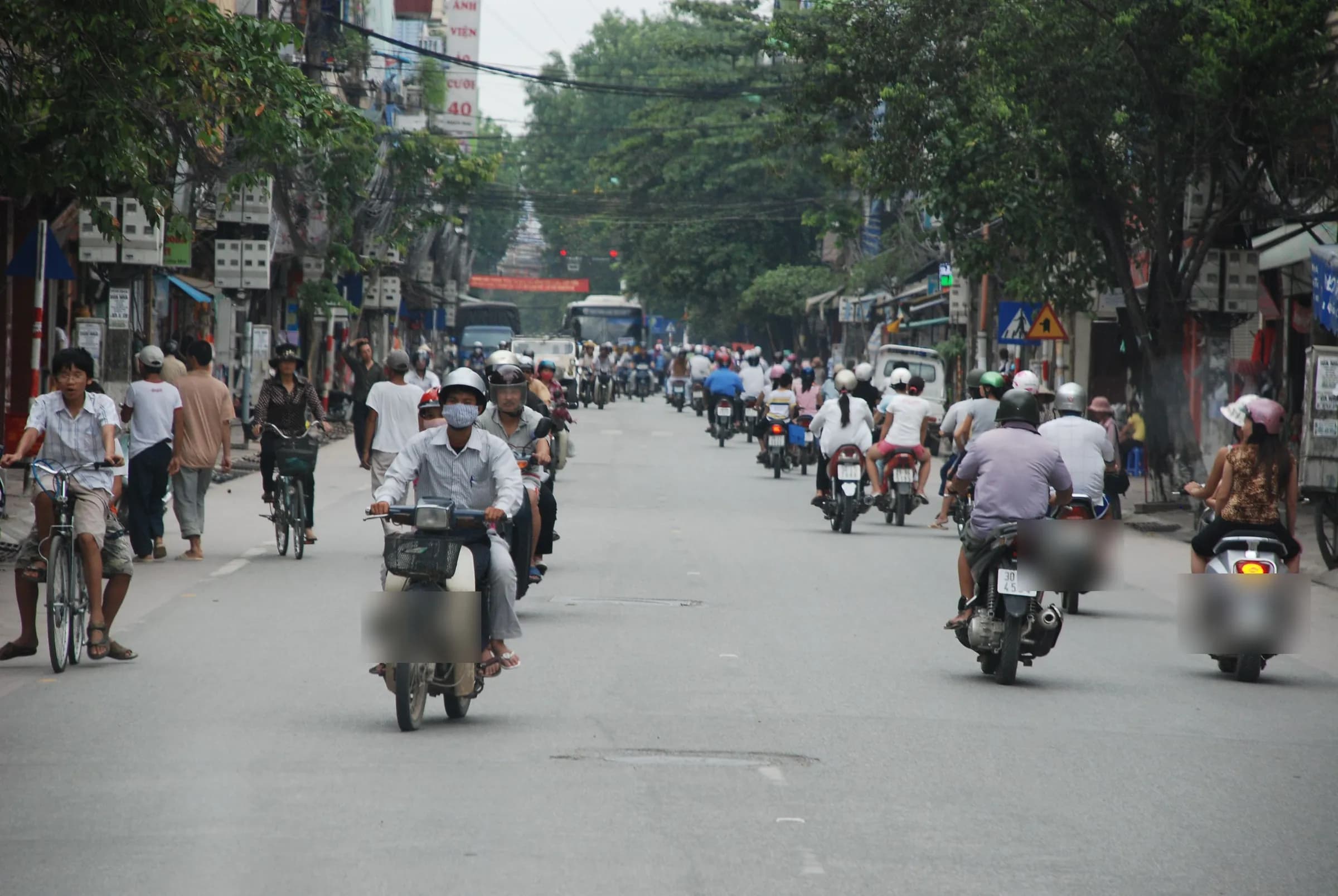
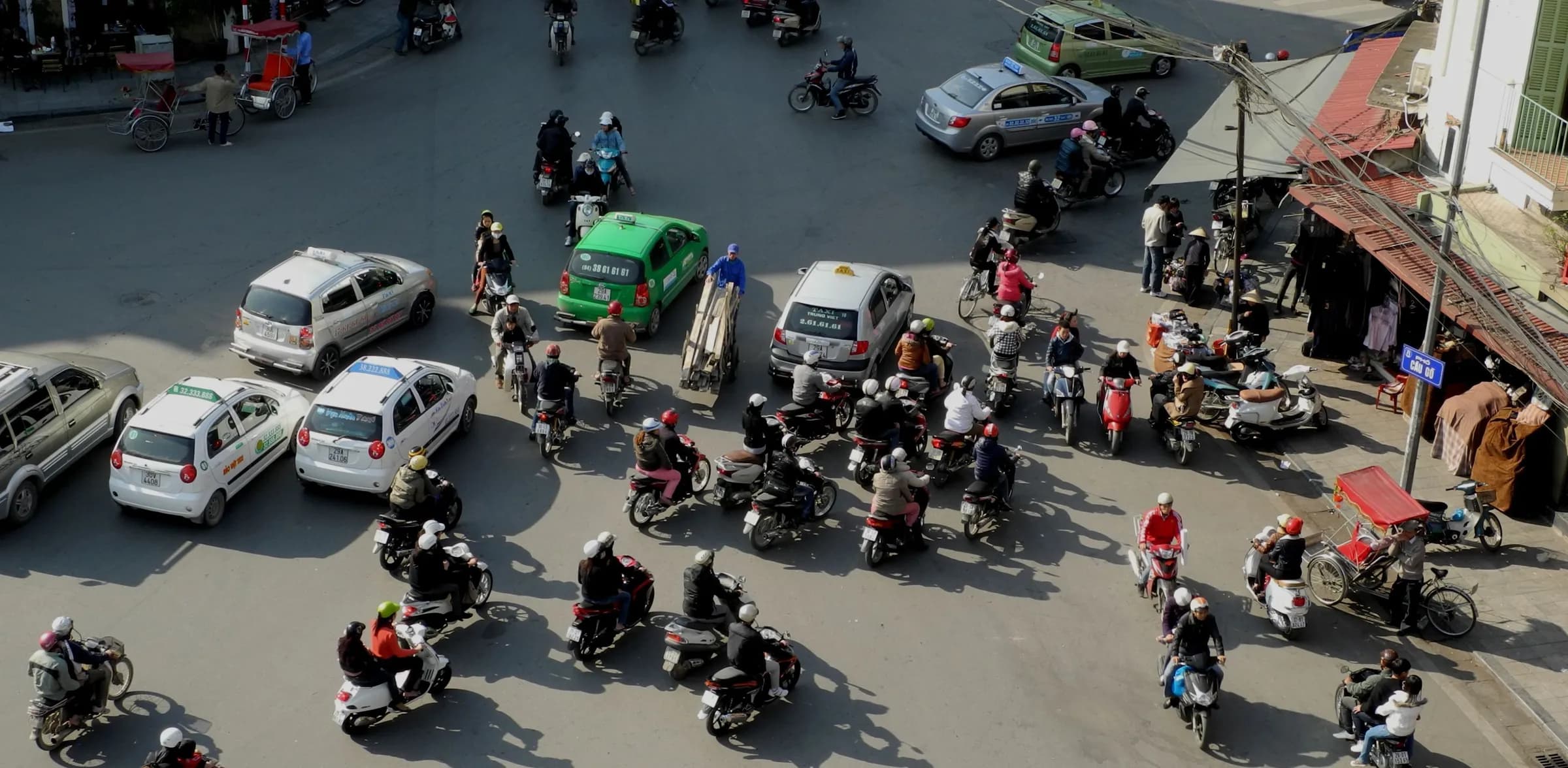
According to Traffic Police data reported by Dien dan Doanh nghiep, Vietnam had 84,003,180 motorbikes under management at the end of June 2026, and 3,234,189 new motorbikes were registered in the 12 months to 14 December 2025. On 2 April 2026 the Prime Minister signed Decision 13/2026/QD-TTg - the first roadmap for emission testing of motorbikes already on the road.
01
Two kinds of rules
Type-approval standards apply to new vehicles; in-use rules apply to bikes already on the road, measured against the level of their own production year. The 2024 Road Traffic Order and Safety Law (in force 1/1/2025) requires motorbikes to undergo emission testing, with start dates set by a government roadmap.
02
New vehicles: from Euro 2 to Level 4
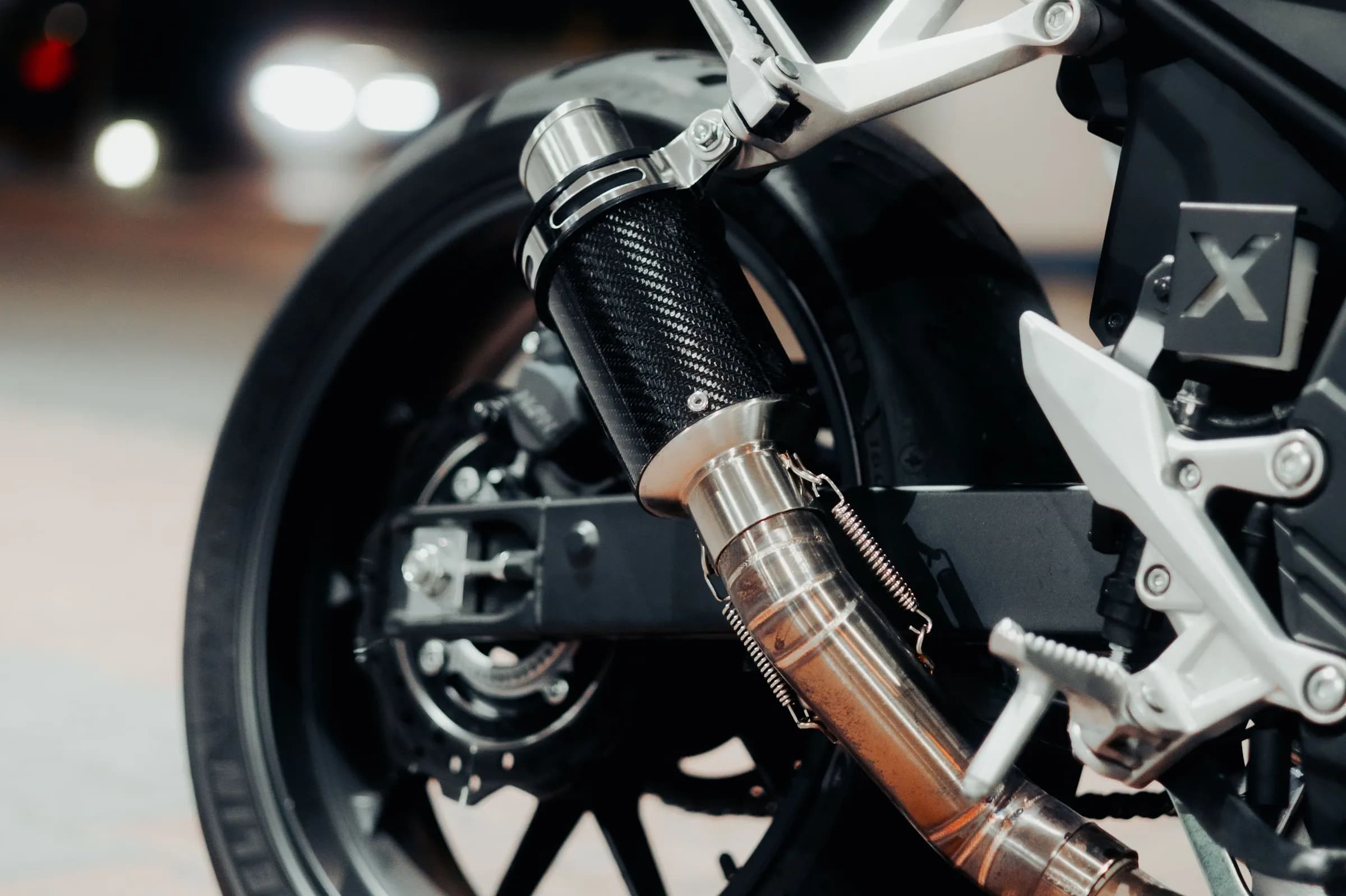
Decision 249/2005 brought Euro 2-equivalent limits for new cars and motorbikes from 2007. Decision 49/2011 set Level 3 for new motorbikes and Level 4 for new cars from 1/1/2017, and Level 5 (≈ Euro 5) for new cars from 1/1/2022. Decision 19/2024 (in force 1/1/2025) now applies: new two-wheel motorcycles move to Level 4 from 1/7/2026; new mopeds from 1/7/2027.
- 2005
Decision 249/2005: Euro 2-equivalent for new vehicles from 2007.
- 2011
Decision 49/2011: motorbikes Level 3 and cars Level 4 from 1/1/2017; cars Level 5 from 1/1/2022.
- 2024
Decision 19/2024 (in force 1/1/2025) replaces both.
- 2026
New motorcycles Level 4 from 1/7/2026; Decision 13/2026 sets the in-use roadmap.
- 2027
New mopeds Level 4 from 1/7/2027; Hanoi and HCMC start testing.
A newer standard for new bikes does not ban older bikes - each is measured against its own level.
03
In-use bikes: city by city
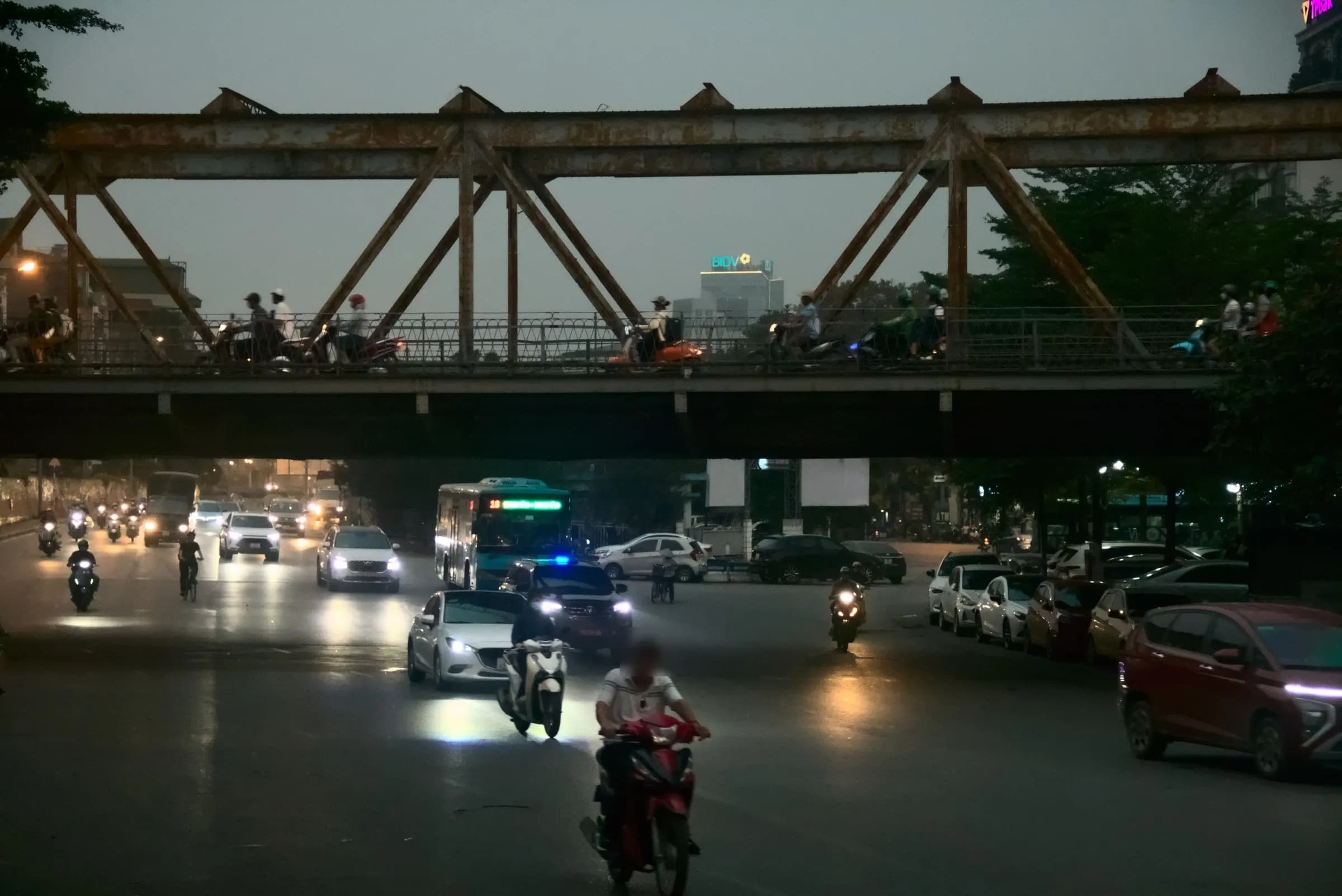
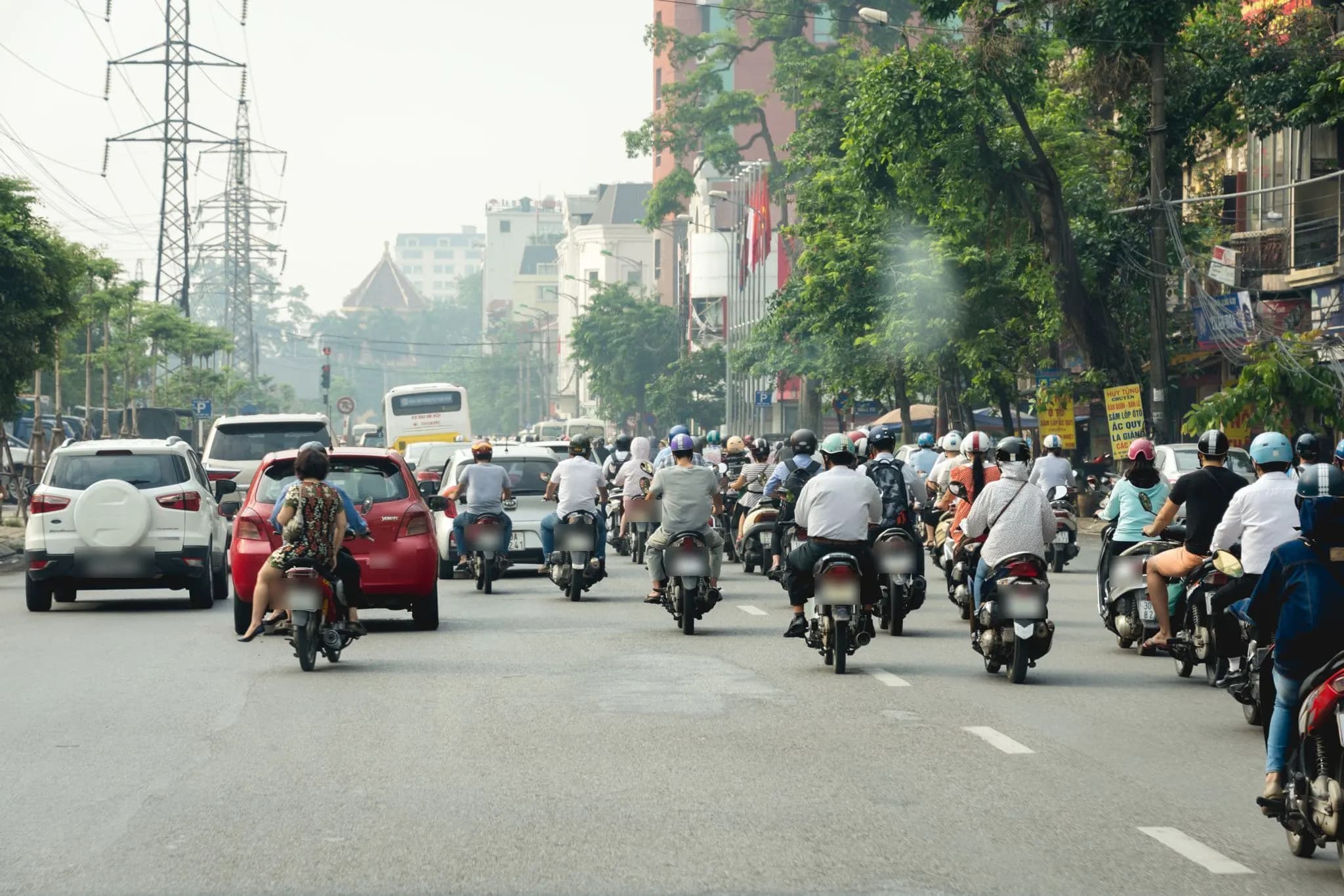
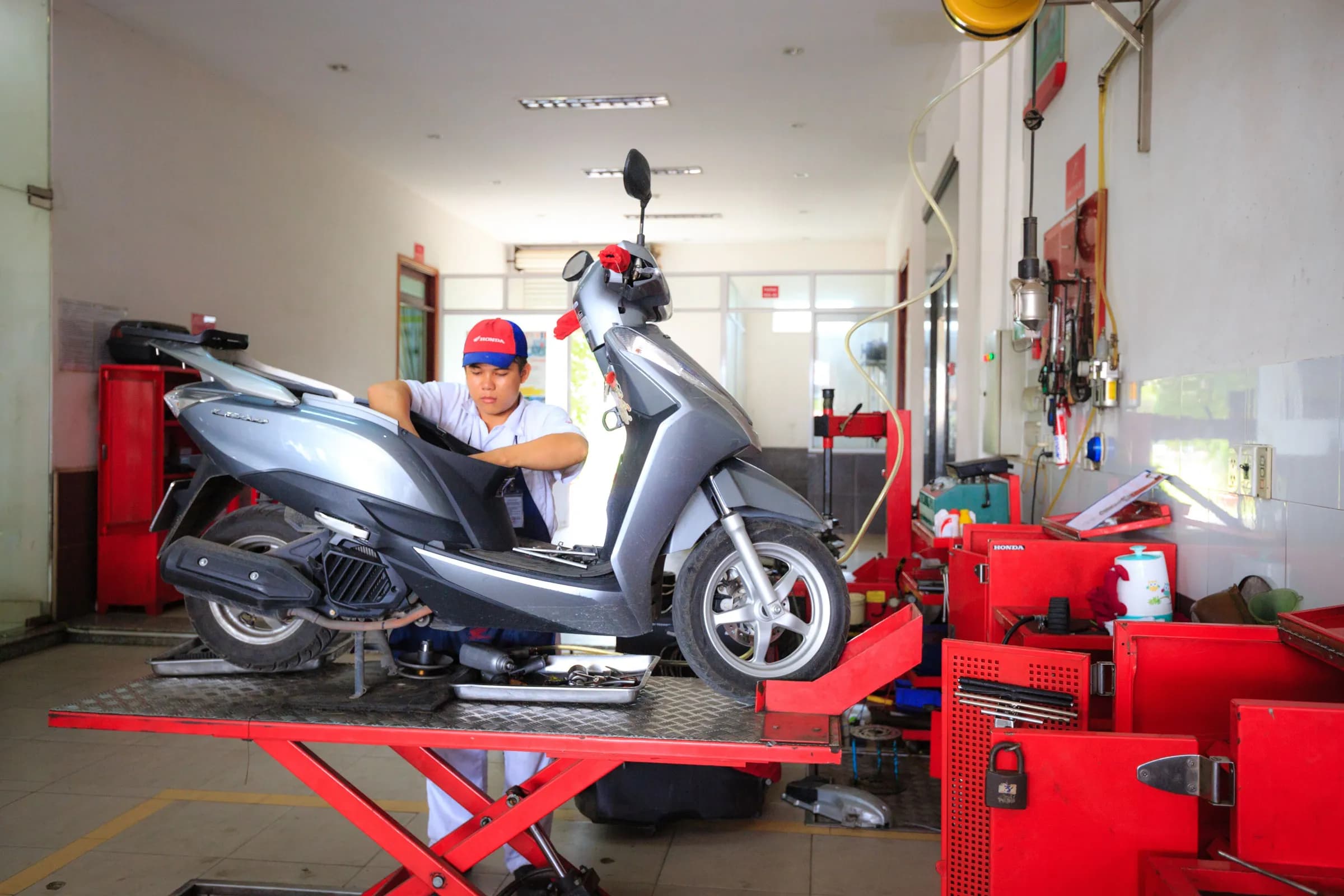
Testing starts on 1/7/2027 in Hanoi and Ho Chi Minh City, on 1/7/2028 in other centrally-run cities and on 1/7/2030 in all remaining provinces; localities may start earlier. From 1/1/2028, motorbikes in Hanoi and HCMC must meet Level 2 or higher. In Lang Son, for example, the provincial Department of Construction leads the plan for testing centres, while police enforce on the road.
Key dates
- 012/4/2026Decision 13/2026/QD-TTg signed
- 021/7/2027testing starts in Hanoi and HCMC
- 031/1/2028Level 2+ required in Hanoi and HCMC
- 041/7/2030testing starts in remaining provinces
Source: Decision 13/2026/QD-TTg as reported by SGGP (7/4/2026), Dai bieu Nhan dan (15/5/2026), Ministry of Construction (1/6/2026)
04
Which level is your bike?
Motorcycles: before 2008 Level 1; 2008-2016 Level 2; 2017 to 30/6/2026 Level 3; from 1/7/2026 Level 4. Mopeds: before 2016 Level 1; 2017 to 30/6/2027 Level 2; from 1/7/2027 Level 4. Reported petrol limits: CO 4.5 % (Levels 1-2), 3.5 % (Level 3), 2.0 % (Level 4); four-stroke HC 1,500 / 1,200 / 1,100 / 1,000 ppm.
| Year | Motorcycle | Moped |
|---|---|---|
| Before 2008 | Level 1 | Level 1 |
| 2008-2016 | Level 2 | Level 1 (before 2016) |
| 2017 - 30/6/2026 | Level 3 | Level 2 |
| 1/7/2026 - 30/6/2027 | Level 4 | Level 2 |
| From 1/7/2027 | Level 4 | Level 4 |
Limits for in-use four-stroke petrol bikes
- max CO, Levels 1 and 2
- 4.5 %max CO, Levels 1 and 2
- max CO, Level 4
- 2.0 %max CO, Level 4
- max HC, Level 1
- 1,500 ppmmax HC, Level 1
- max HC, Level 4
- 1,000 ppmmax HC, Level 4
Source: Regulation under Circular 92/2025/TT-BNNMT, as reported by SGGP (7/4/2026)
A bike is measured against the level it was built to meet.
05
Hanoi's low-emission zone
Since 1/7/2026 Hanoi has piloted a low-emission zone inside Ring Road 1, starting with two areas of Hoan Kiem ward. Restrictions on older petrol bikes are encouraged rather than imposed for now and will tighten in 2027-2028 under the approved plan.
06
Where engine oil fits in
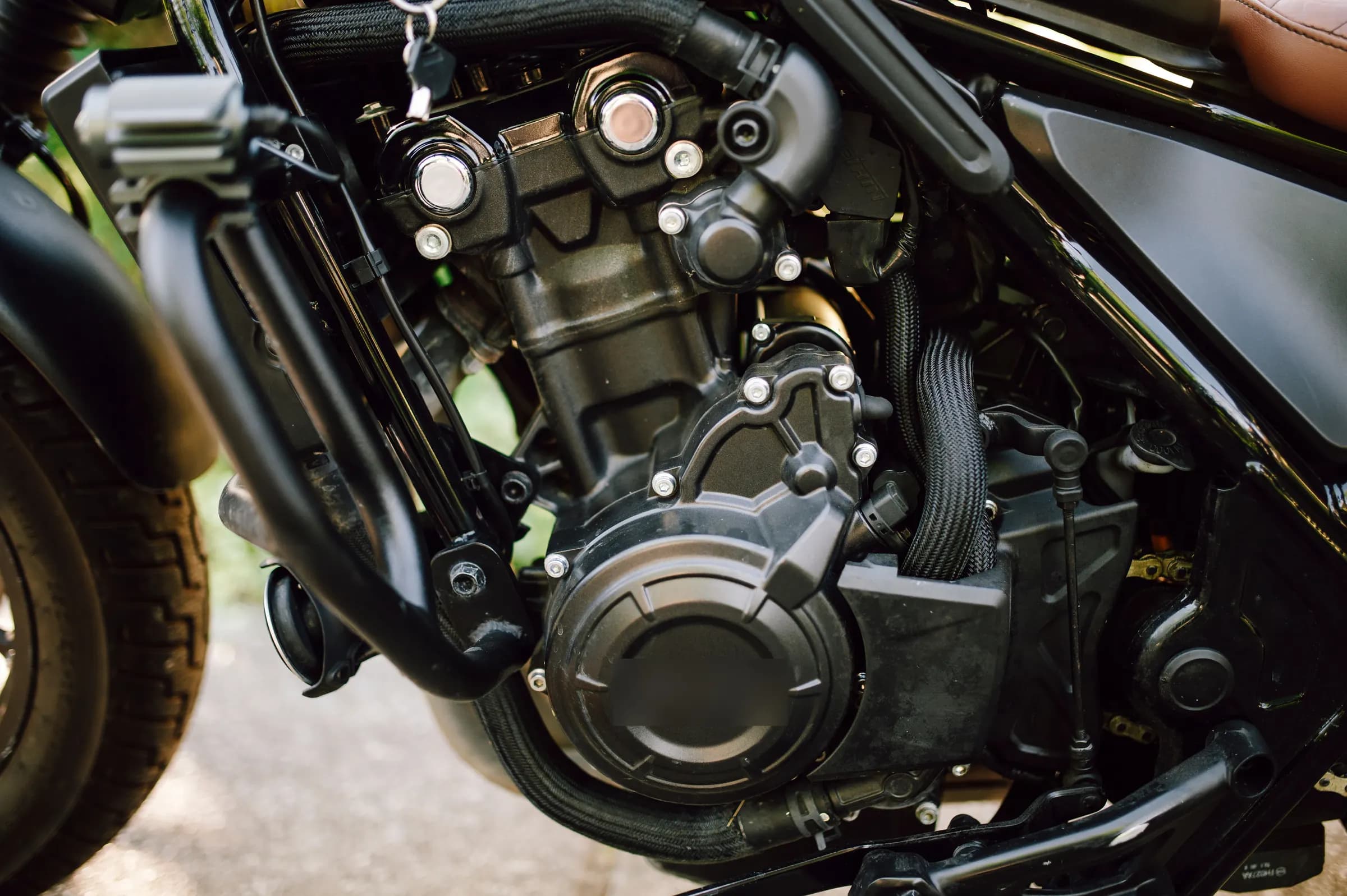
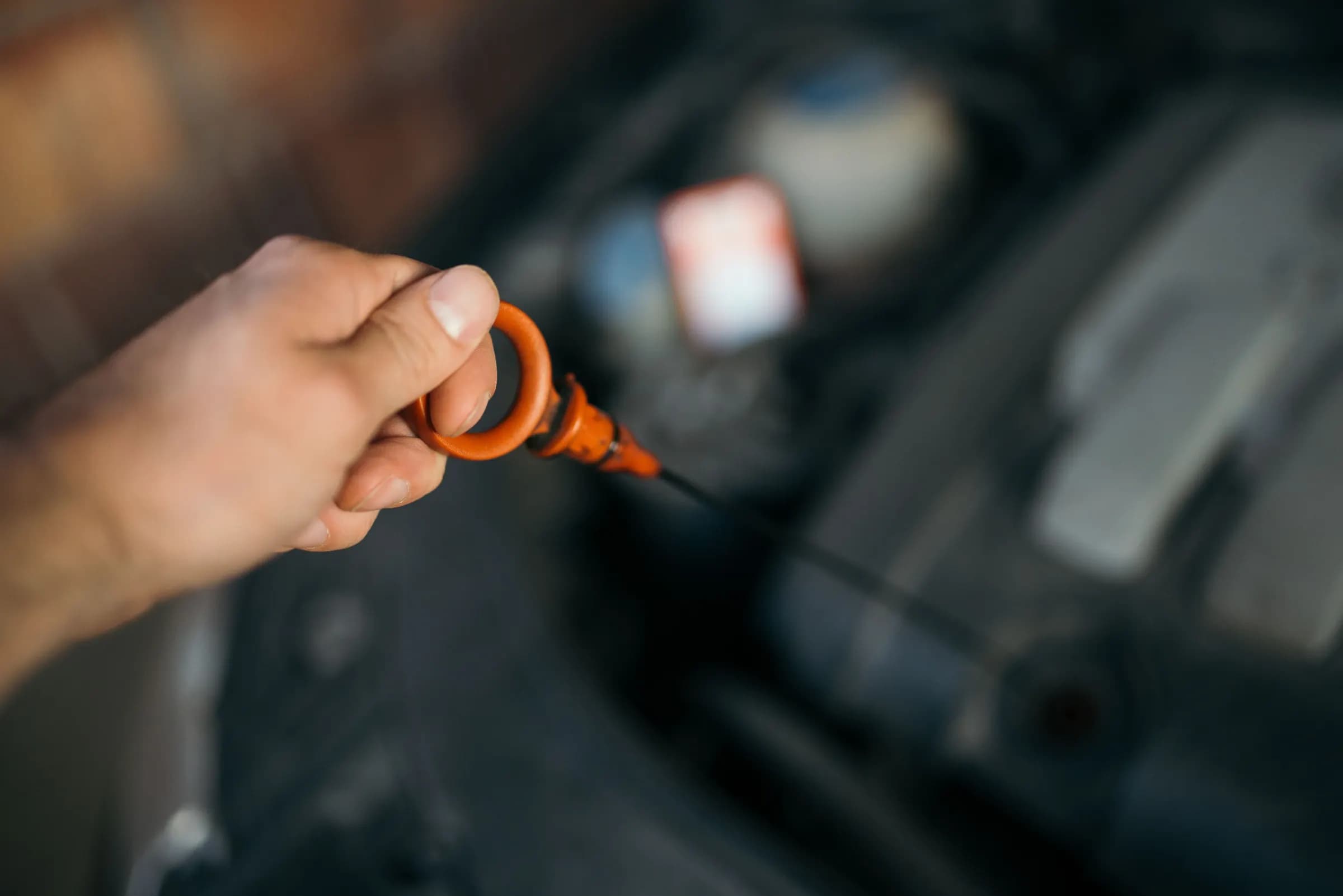
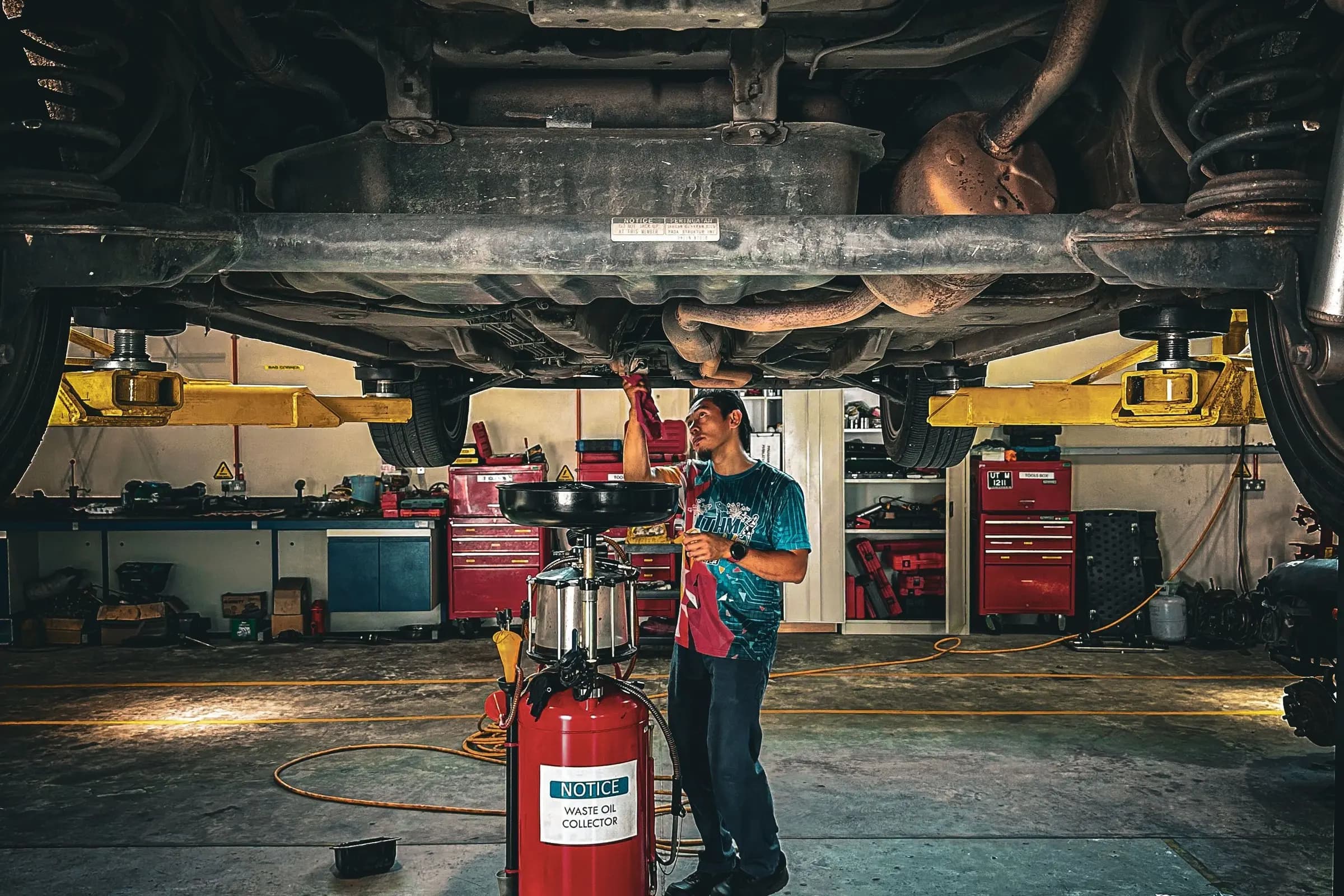
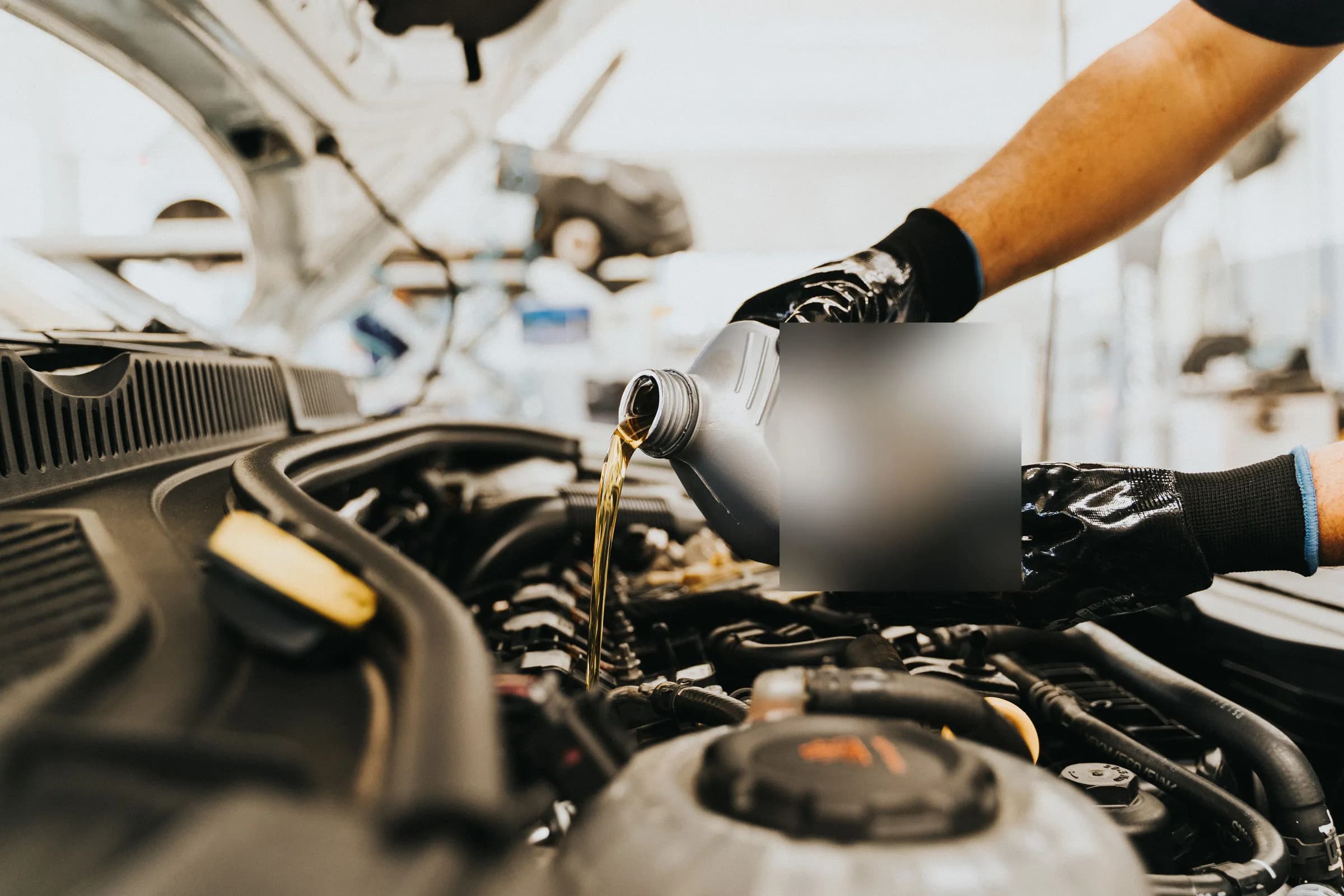
Oil that slips past worn rings or valve seals burns with the fuel and raises HC. Some oil components, such as phosphorus from , can affect catalysts - which is why modern specifications cap phosphorus. Honda's Wave 110 manual lists API SJ or higher (not “Energy/Resource Conserving”), JASO T 903 MA, SAE 10W-30 and 0.8 L at an oil change. Check your own manual or use the label reading tool.
07
Getting ready
- Find your bike's production year.
- Service it on the manual's schedule.
- Change oil on time with the grade, API and JASO class required - set a [reminder](/en/tools/oil-change-reminder).
- Watch for blue smoke or fast oil consumption and have it checked.
- Follow your local Department of Construction's announcements on testing centres.
No oil or additive can replace repairing a worn engine.
- Produced by
- Ung Vuong editorial team
- Content
- Ung Vuong editorial team
- Design
- Ưng Vương Web
Products in this article
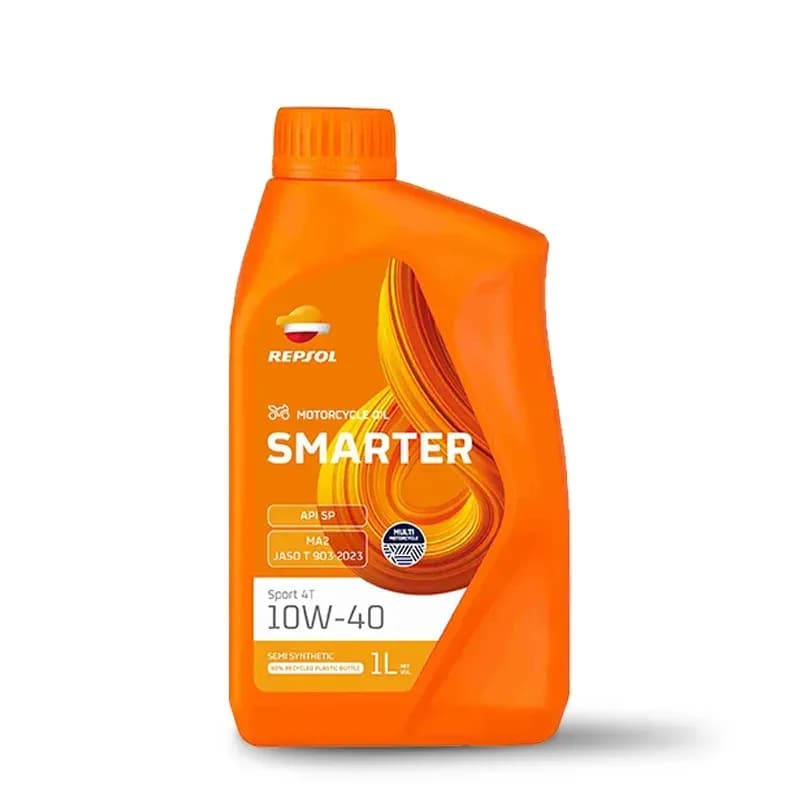
 Manual motorcyclesTDS
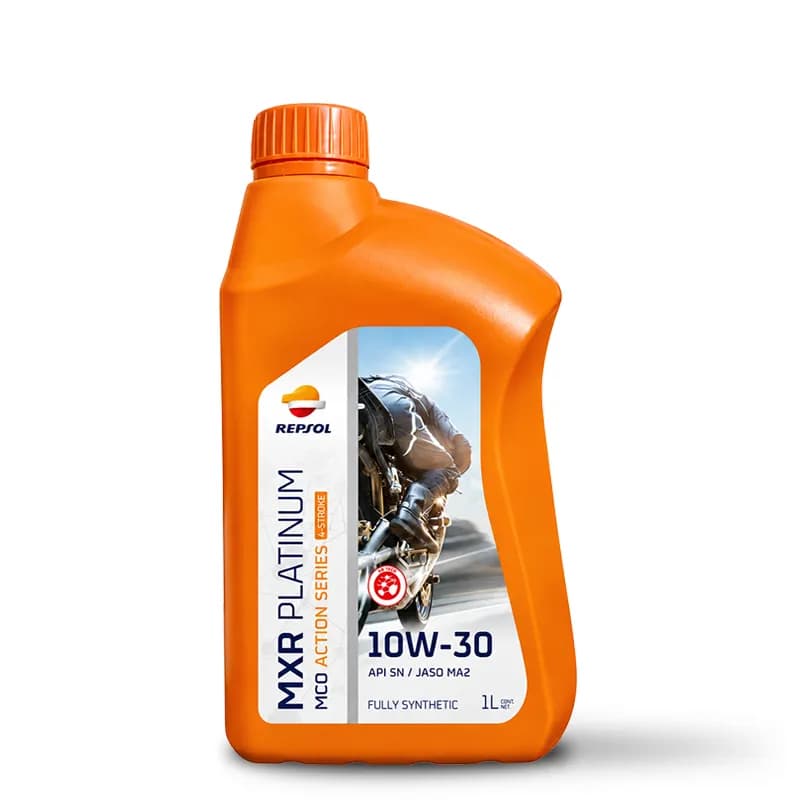 Manual motorcycles
REPSOL MXR PLATINUM 10W‑30
- SAE 10W-30
- API SN
- +1
- +2
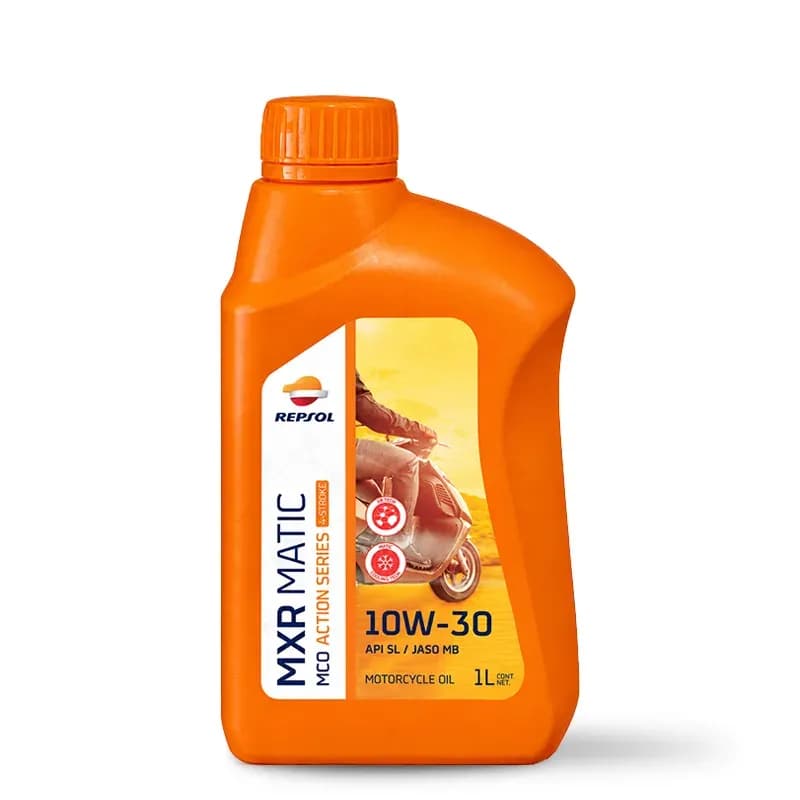 ScootersTDS