LONGFORM
A history of motor oil: from mineral oil to PAO
Over 150 years from the Drake well to 0W-16: how SAE grades, ZDDP, API categories and synthetic base oils came about.
By: Ung Vuong editorial teamPublished 13 Nov 202614 min read

Every code on today's oil label - 10W-40, API SQ, JASO MA2, ACEA C3 - comes from a moment in history when a technical problem appeared and the industry learned to measure it. Dates below come from STLE's TLT magazine, API's category list, the Lubes'n'Greases Factbook and other public sources.
01
Before modern motor oil
Before the 1920s, lubricants were mostly straight mineral oils with few or no additives; animal fats and vegetable oils were used to improve lubricity.
02
Oil wells and mineral oil
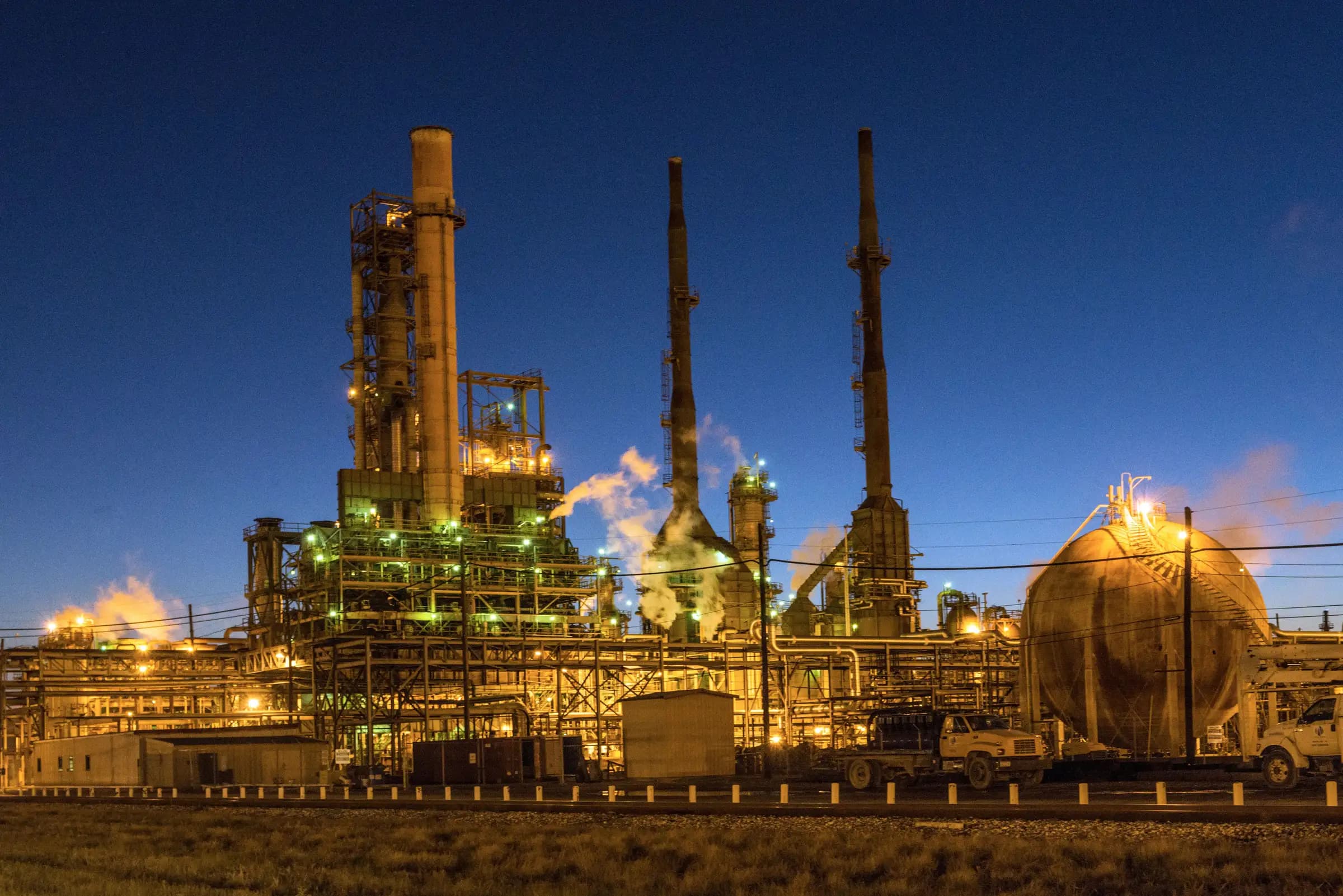
In 1859 Edwin Drake struck oil at about 69 feet in Titusville, Pennsylvania - an ASME engineering landmark. In 1866 Vacuum Oil Company was founded in Rochester, New York; trying to distil kerosene under vacuum, its founders found the heavy residue made a fine lubricant. Vacuum Oil later became part of Socony-Vacuum (1931), forerunner of Mobil.


03
Naming viscosity
SAE adopted Specification No. 26 in 1911. Winter grades 10W and 20W appeared in 1933 (W means winter, not weight); 1955 guidance defined multigrades such as 10W-30; the standard became SAE J300 in 1962; J300d moved hot grades to 100 °C in 1977; 0W was added in 1980; today J300 includes SAE 8, 12 and 16.
- 1911
SAE Specification No. 26.
- 1933
Tentative 10W and 20W grades.
- 1955
Multigrade numbering guidance.
- 1962
Renamed SAE J300.
- 1977
Hot grades measured at 100 °C.
- 1980
0W added.
The W in 10W-40 stands for winter, not weight.
04
Additives
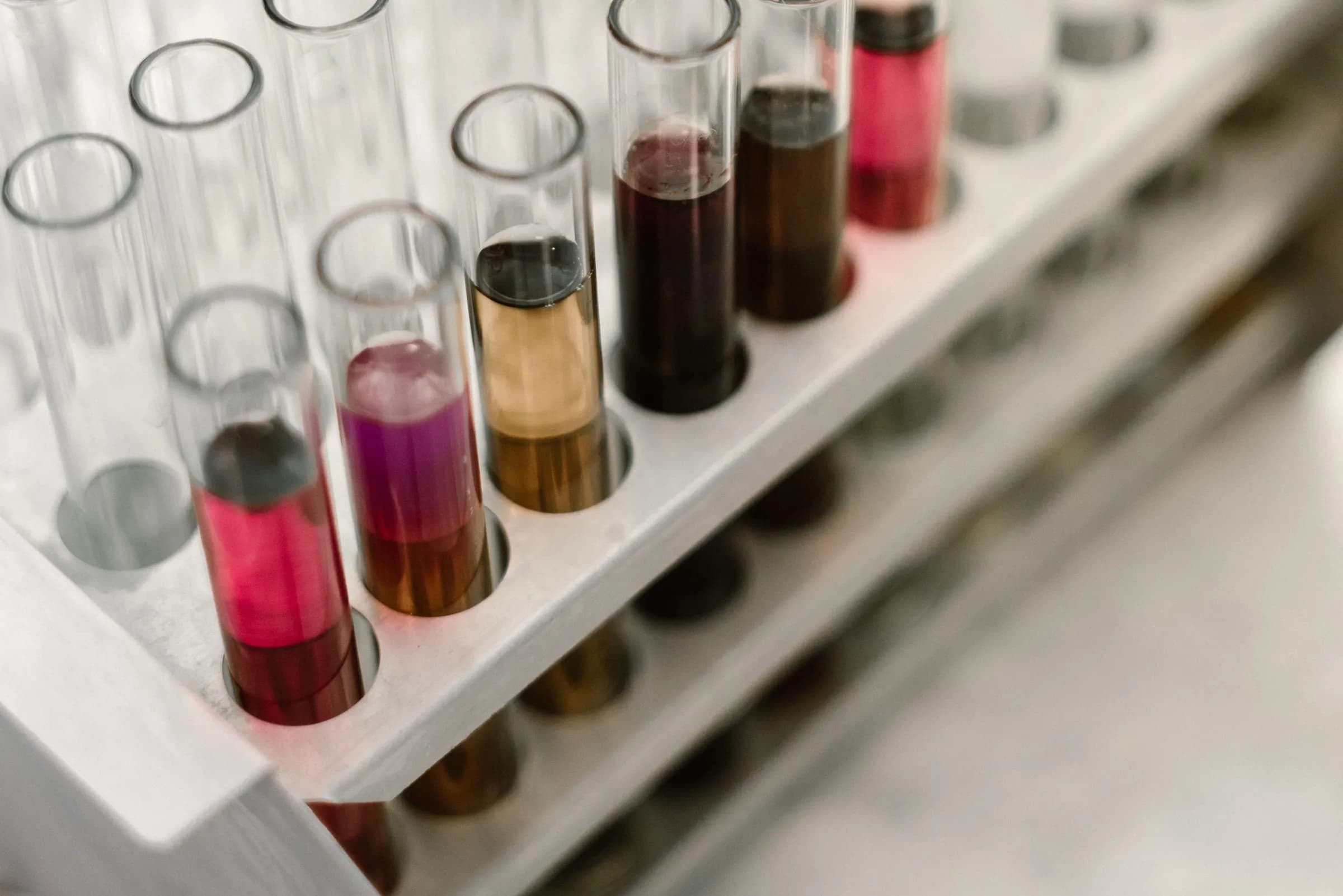
The 1930s brought depressants and early antioxidants; wartime needs in the 1940s drove anti-wear and anti-rust chemistry. In 1941 Lubri-Zol, American Cyanamid and Union Oil filed the first patents for in engine oil; its anti-wear role was first claimed in an Exxon patent filed in 1954. Low- systems followed in the 1990s to protect exhaust aftertreatment.
Additives through the decades
- first pour point depressants, antioxidants
- 1930sfirst pour point depressants, antioxidants
- first ZDDP engine-oil patents
- 1941first ZDDP engine-oil patents
- first anti-wear ZDDP patent filed
- 1954first anti-wear ZDDP patent filed
- low-SAPS additive systems
- 1990slow-SAPS additive systems
Source: STLE TLT 01/2022; Lubes'n'Greases Factbook
05
Quality categories: SA to SQ
API's list describes SA as unsuitable for most petrol engines built after 1930, then SB (1951), SC (1967), SD (1971), SE (1979), SF (1988), SG (1993) and SH (1996). SP arrived in May 2020; API SQ has been licensed since 31 March 2025 with ILSAC GF-7. ACEA's light-duty sequences ran through 2004, 2007, 2008, 2010, 2012, 2016, 2021 and 2023; JASO T903:2023 covers motorcycle MA, MA1, MA2 and MB.
| API (petrol) | Per API's list |
|---|---|
| SA | Not for most engines built after 1930 |
| SB · SC · SD | … after 1951 · 1967 · 1971 |
| SE · SF · SG · SH | … after 1979 · 1988 · 1993 · 1996 |
| SP | Introduced May 2020 |
| SQ | Licensed from 31/3/2025 |
06
Synthetics: PAO and esters
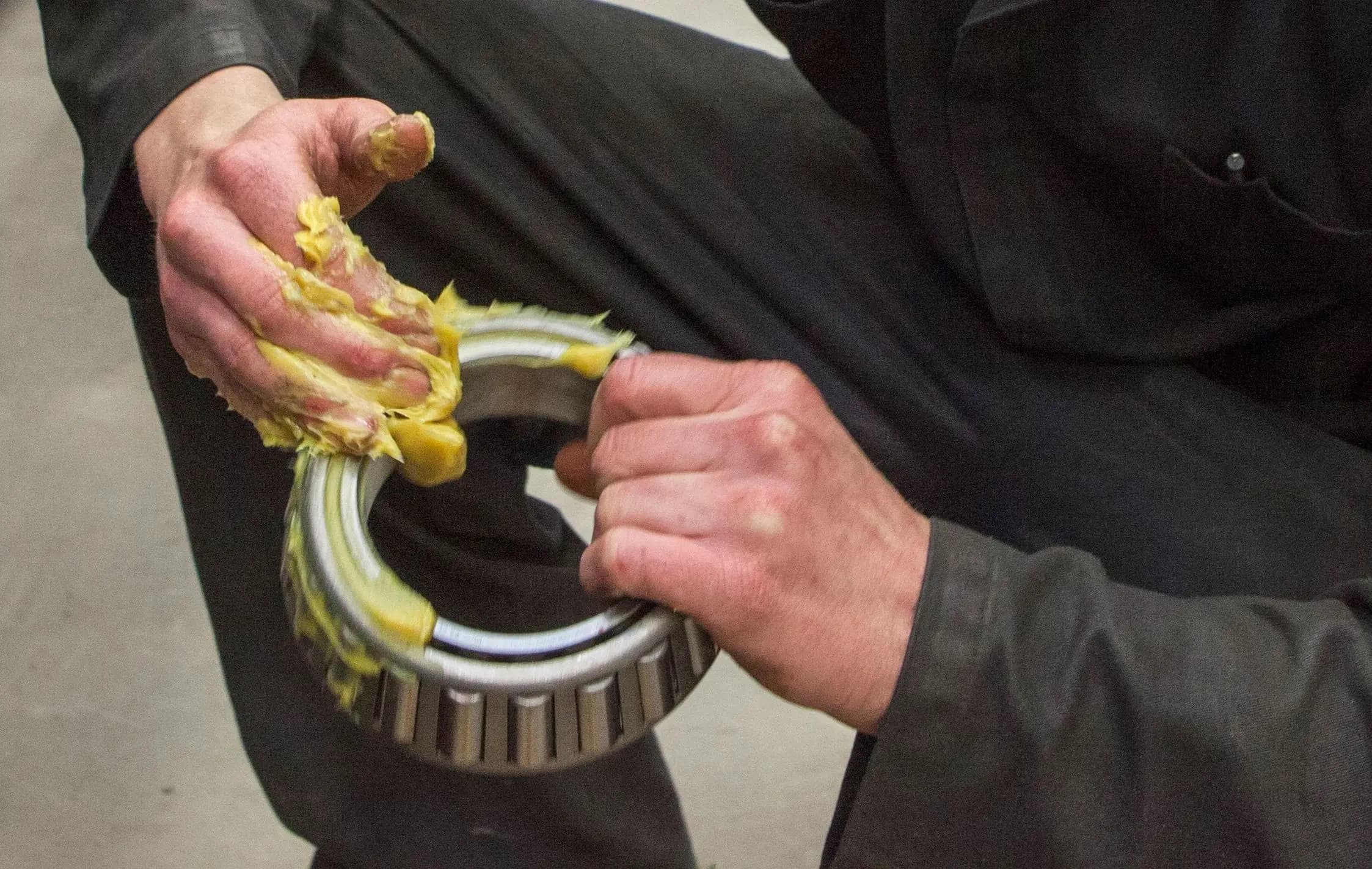
Standard Oil of Indiana's 1929 synthetic and National Carbon's 1945 PAG-based oil failed commercially. Mobil researchers are credited with inventing on 18 May 1949 (patent granted 1960); Esso filed a diester patent in 1956. In 1972 AMZOIL (now AMSOIL) claimed the first API-certified synthetic; in 1974 Mobil claimed the first PAO-based synthetic engine oil on the market.
- 1929
First synthetic attempt fails on price.
- 1949
PAO invented at Mobil.
- 1956
Esso diester patent filed.
- 1974
PAO-based synthetic engine oil on sale.
07
Five base oil groups
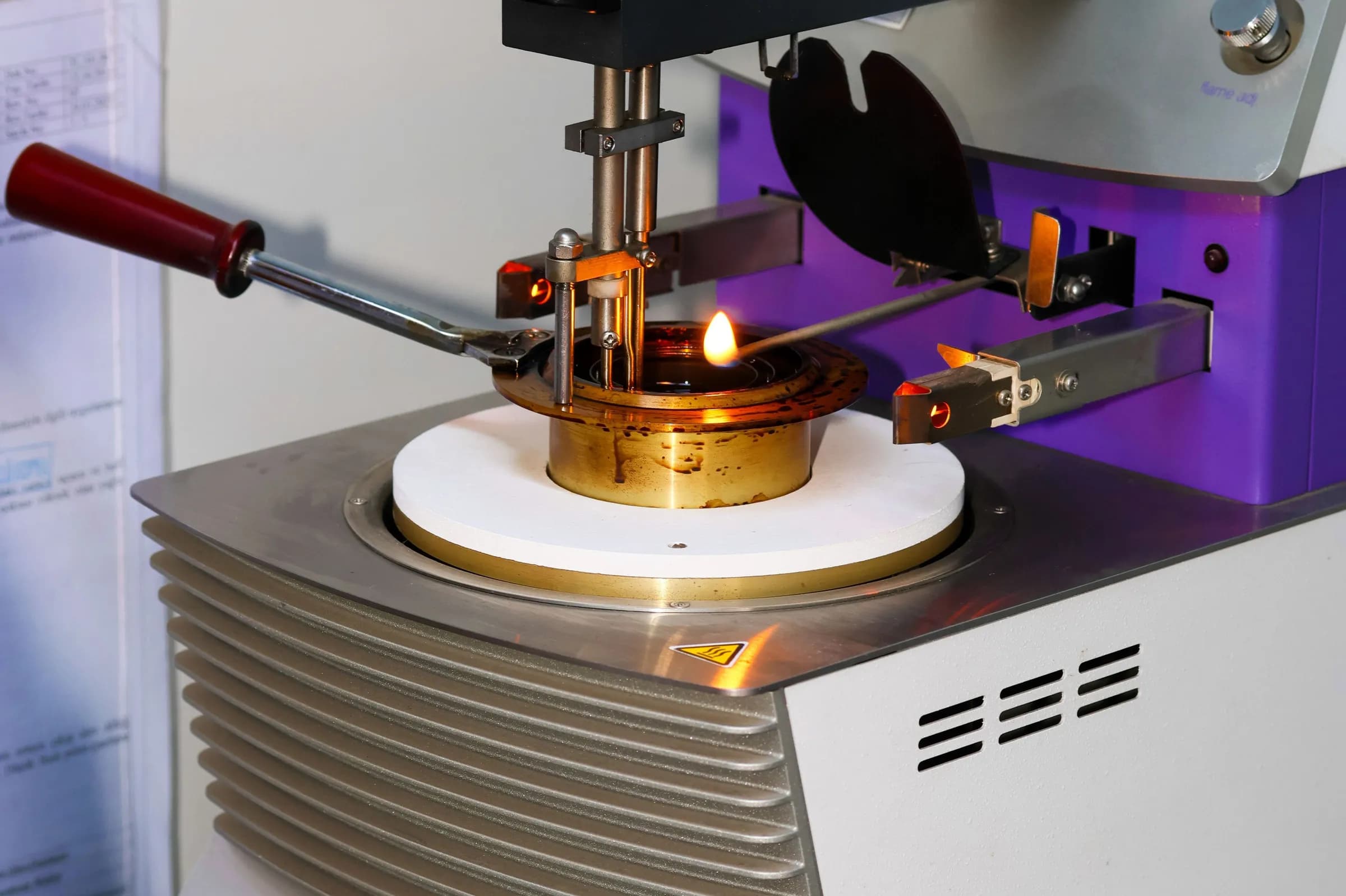
API 1509 Annex E: Group I < 90 % saturates and/or > 0.03 % sulphur; Groups II and III ≥ 90 % saturates and ≤ 0.03 % sulphur, Group III with ≥ 120; Group IV is PAO; Group V is everything else, including . “Synthetic” on a label does not tell you which group is inside.
Base oil groups (API 1509)
- < 90 % saturates and/or > 0.03 % S
- I< 90 % saturates and/or > 0.03 % S
- ≥ 90 % saturates, ≤ 0.03 % S; III: VI ≥ 120
- II · III≥ 90 % saturates, ≤ 0.03 % S; III: VI ≥ 120
- PAO
- IVPAO
- all others, incl. esters
- Vall others, incl. esters
Source: API 1509, Annex E
“Synthetic” on a label does not say which base oil group is inside.
08
Motor oil today
The 2010s brought downsized turbo engines and 0W-20 and 0W-16 oils; the 2020s bring fluids for hybrids and electric drivetrains. Each step in oil history answers a question the engine asked. Try the label reading tool.

- Produced by
- Ung Vuong editorial team
- Content
- Ung Vuong editorial team
- Design
- Ưng Vương Web
Products in this article
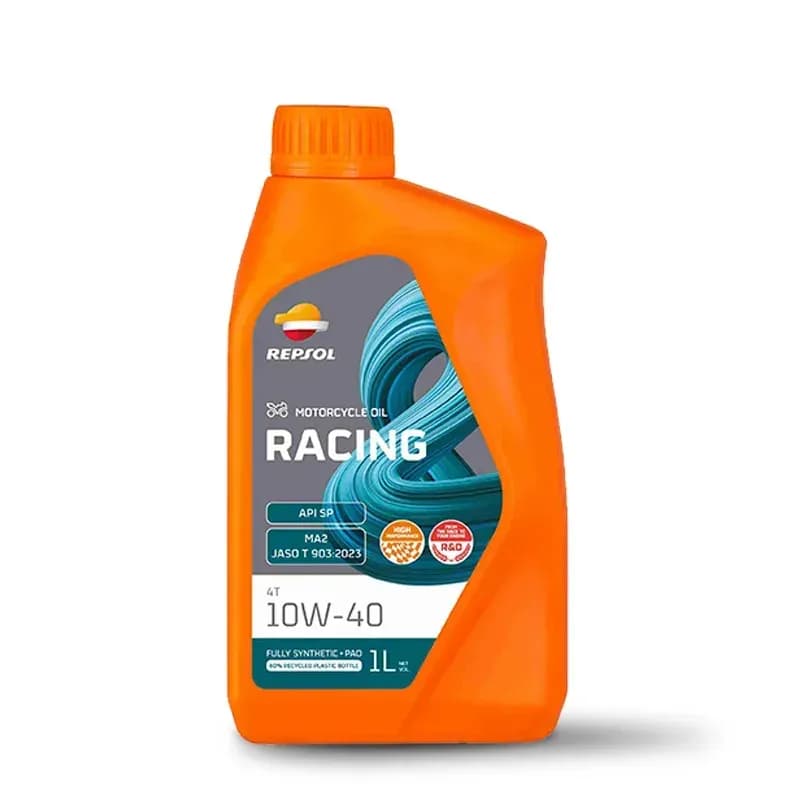
 Manual motorcyclesTDS
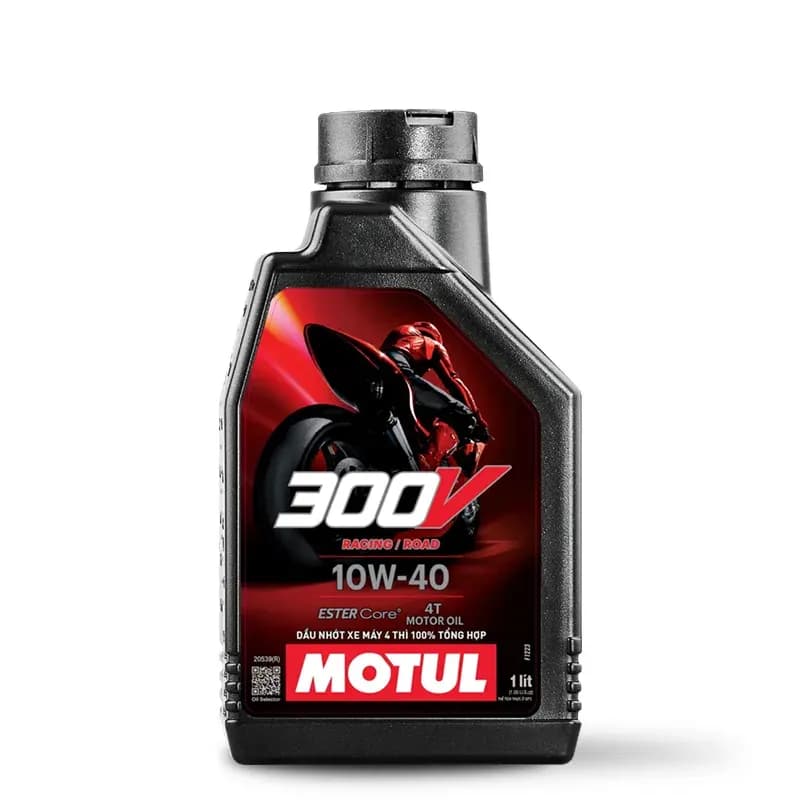
 Manual motorcyclesTDS
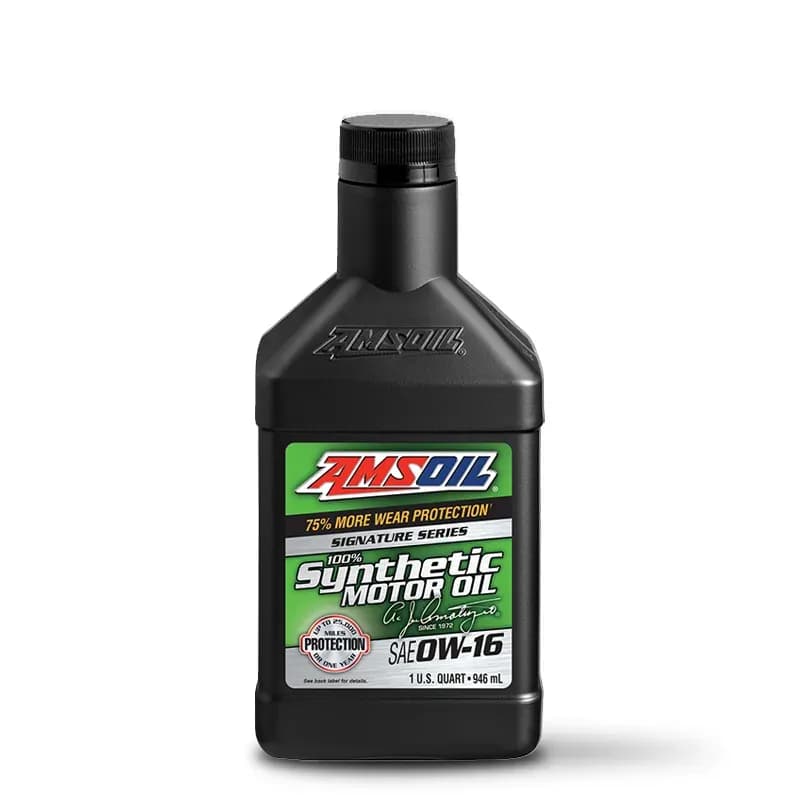
 Cars