Ung Vuong

INFOGRAPHIC

SAE J300 viscosity grades in one chart

Six cold grades, eight hot grades and how they combine into 10W-40: every SAE J300 limit on one long chart.

By: Ung Vuong editorial teamPublished 13 Nov 20264 min read
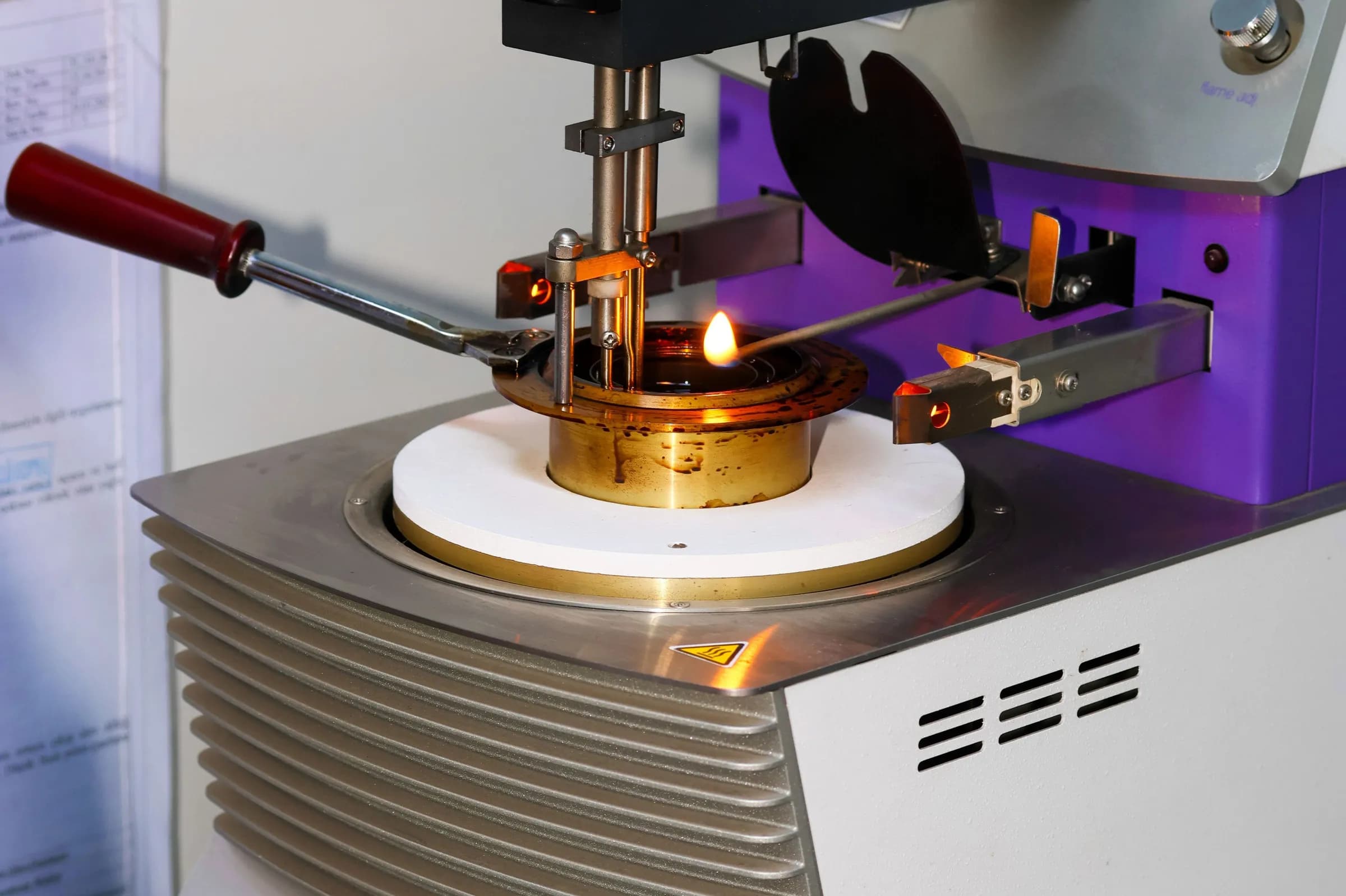
A flash point tester for oil in a laboratory

The grade on an oil bottle - 0W-20, 10W-40, 20W-50 - comes from SAE J300. The chart below puts all of J300's limits on one page: the top half covers cold tests for W grades, the bottom half the hot tests behind the number after the dash, and the end decodes one real grade.

SAE J300 in one chart: cold grades and hot gradesCold grades: 0W cranking ≤ 6,200 mPa·s at -35 °C, pumping ≤ 60,000 mPa·s at -40 °C, KV100 ≥ 3.8; 5W cranking ≤ 6,600 mPa·s at -30 °C, pumping ≤ 60,000 mPa·s at -35 °C, KV100 ≥ 3.8; 10W cranking ≤ 7,000 mPa·s at -25 °C, pumping ≤ 60,000 mPa·s at -30 °C, KV100 ≥ 4.1; 15W cranking ≤ 7,000 mPa·s at -20 °C, pumping ≤ 60,000 mPa·s at -25 °C, KV100 ≥ 5.6; 20W cranking ≤ 9,500 mPa·s at -15 °C, pumping ≤ 60,000 mPa·s at -20 °C, KV100 ≥ 5.6; 25W cranking ≤ 13,000 mPa·s at -10 °C, pumping ≤ 60,000 mPa·s at -15 °C, KV100 ≥ 9.3. Hot grades: SAE 8 KV100 4.0 to below 6.1 mm²/s, HTHS ≥ 1.7 mPa·s; SAE 12 KV100 5.0 to below 7.1 mm²/s, HTHS ≥ 2 mPa·s; SAE 16 KV100 6.1 to below 8.2 mm²/s, HTHS ≥ 2.3 mPa·s; SAE 20 KV100 6.9 to below 9.3 mm²/s, HTHS ≥ 2.6 mPa·s; SAE 30 KV100 9.3 to below 12.5 mm²/s, HTHS ≥ 2.9 mPa·s; SAE 40 KV100 12.5 to below 16.3 mm²/s, HTHS ≥ 3.5 or 3.7 mPa·s; SAE 50 KV100 16.3 to below 21.9 mm²/s, HTHS ≥ 3.7 mPa·s; SAE 60 KV100 21.9 to below 26.1 mm²/s, HTHS ≥ 3.7 mPa·s.SAE J300 in one chartA grade such as 10W-40 is two promises:one for a cold start, one for a hot engine.① Before the W: cold testscranking (CCS)pumping (MRV)0W: cranking ≤ 6,200 mPa·s at -35 °C; pumping ≤ 60,000 mPa·s at -40 °C; KV100 ≥ 3.8 mm²/s0Wcrank ≤ 6,200 at −35 °Cpump ≤ 60,000 at −40 °C · KV100 ≥ 3.85W: cranking ≤ 6,600 mPa·s at -30 °C; pumping ≤ 60,000 mPa·s at -35 °C; KV100 ≥ 3.8 mm²/s5Wcrank ≤ 6,600 at −30 °Cpump ≤ 60,000 at −35 °C · KV100 ≥ 3.810W: cranking ≤ 7,000 mPa·s at -25 °C; pumping ≤ 60,000 mPa·s at -30 °C; KV100 ≥ 4.1 mm²/s10Wcrank ≤ 7,000 at −25 °Cpump ≤ 60,000 at −30 °C · KV100 ≥ 4.115W: cranking ≤ 7,000 mPa·s at -20 °C; pumping ≤ 60,000 mPa·s at -25 °C; KV100 ≥ 5.6 mm²/s15Wcrank ≤ 7,000 at −20 °Cpump ≤ 60,000 at −25 °C · KV100 ≥ 5.620W: cranking ≤ 9,500 mPa·s at -15 °C; pumping ≤ 60,000 mPa·s at -20 °C; KV100 ≥ 5.6 mm²/s20Wcrank ≤ 9,500 at −15 °Cpump ≤ 60,000 at −20 °C · KV100 ≥ 5.625W: cranking ≤ 13,000 mPa·s at -10 °C; pumping ≤ 60,000 mPa·s at -15 °C; KV100 ≥ 9.3 mm²/s25Wcrank ≤ 13,000 at −10 °Cpump ≤ 60,000 at −15 °C · KV100 ≥ 9.3−40 °C−30 °C−20 °C−10 °CSmaller W number = must flow at a colder temperature.Unit: mPa·s. Vietnam rarely goes below 0 °C.② After the dash: hot testsBar = minimum HTHS at 150 °C (mPa·s)Text = KV100 range at 100 °C (mm²/s)SAE 8: KV100 4.0 to below 6.1 mm²/s; HTHS ≥ 1.7 mPa·s8KV100 4.0 - <6.1 · HTHS ≥ 1.7SAE 12: KV100 5.0 to below 7.1 mm²/s; HTHS ≥ 2 mPa·s12KV100 5.0 - <7.1 · HTHS ≥ 2.0SAE 16: KV100 6.1 to below 8.2 mm²/s; HTHS ≥ 2.3 mPa·s16KV100 6.1 - <8.2 · HTHS ≥ 2.3SAE 20: KV100 6.9 to below 9.3 mm²/s; HTHS ≥ 2.6 mPa·s20KV100 6.9 - <9.3 · HTHS ≥ 2.6SAE 30: KV100 9.3 to below 12.5 mm²/s; HTHS ≥ 2.9 mPa·s30KV100 9.3 - <12.5 · HTHS ≥ 2.9SAE 40: KV100 12.5 to below 16.3 mm²/s; HTHS ≥ 3.5 (0W/5W/10W-40) or 3.7 (15W/20W/25W-40, SAE 40) mPa·s40KV100 12.5 - <16.3 · HTHS ≥ 3.5 / 3.7SAE 50: KV100 16.3 to below 21.9 mm²/s; HTHS ≥ 3.7 mPa·s50KV100 16.3 - <21.9 · HTHS ≥ 3.7SAE 60: KV100 21.9 to below 26.1 mm²/s; HTHS ≥ 3.7 mPa·s60KV100 21.9 - <26.1 · HTHS ≥ 3.7SAE 40: 3.5 for 0W/5W/10W-40,3.7 for 15W/20W/25W-40 and SAE 40.③ Put together: 10W-4010Wcrank ≤ 7,000at −25 °Cpump ≤ 60,000at −30 °C40KV100 12.5to below 16.3HTHS ≥ 3.5at 150 °C0W-40 and 15W-40 share the same hot range;they differ only when cold.Source: SAE J300 (current edition), checked 14/11/2026.Limits only - read real values in each TDS.

Cold grades: 0W cranking ≤ 6,200 mPa·s at −35 °C, pumping ≤ 60,000 at −40 °C, KV100 ≥ 3.8; 5W 6,600 at −30 °C, pumping at −35 °C, KV100 ≥ 3.8; 10W 7,000 at −25 °C, pumping at −30 °C, KV100 ≥ 4.1; 15W 7,000 at −20 °C, pumping at −25 °C, KV100 ≥ 5.6; 20W 9,500 at −15 °C, pumping at −20 °C, KV100 ≥ 5.6; 25W 13,000 at −10 °C, pumping at −15 °C, KV100 ≥ 9.3. Hot grades (KV100 mm²/s; minimum HTHS mPa·s): 8: 4.0-<6.1; 1.7. 12: 5.0-<7.1; 2.0. 16: 6.1-<8.2; 2.3. 20: 6.9-<9.3; 2.6. 30: 9.3-<12.5; 2.9. 40: 12.5-<16.3; 3.5 (0W/5W/10W-40) or 3.7. 50: 16.3-<21.9; 3.7. 60: 21.9-<26.1; 3.7.

Source: SAE J300 (current edition) - checked 14/11/2026

How to read the chart

Panel ① has two marks per W grade. The solid dot is cold cranking (): a maximum dynamic viscosity at a set temperature, simulating starting. The ring is pumping (): a common 60,000 mPa·s limit, but 5 °C colder than CCS - simulating the pump pushing oil to the bearings. Each W step moves 5 °C: 0W must pass at −35 and −40 °C, 25W only at −10 and −15 °C.

Each W grade also has a minimum kinematic viscosity at 100 °C (), so a 0W oil cannot be arbitrarily thin when hot.

Panel ② is the hot side. The bar shows minimum viscosity at 150 °C - viscosity under high shear, close to a working bearing. The text beneath gives the grade's KV100 range. Higher grades have higher KV100 ranges and higher HTHS minimums, up to 3.7 mPa·s for 50 and 60.

Grade 40 has two HTHS levels: 3.5 mPa·s for 0W/5W/10W-40 and 3.7 for 15W/20W/25W-40 and straight SAE 40 - the pale tip of the bar shows the difference. Older documents still cite 2.9 for xW-40; that pre-dates 2007.

Putting a grade together

Panel ③ joins the halves: 10W-40 means passing both 10W's cold limits and 40's hot limits. 0W-40 and 15W-40 share the same hot KV100 range and differ only when cold. In a climate that rarely drops below 0 °C, the number after the dash usually shapes how the engine feels - but the right grade is still the one in the manual.

ShareFBINX

References

  1. SAE International - J300: Engine Oil Viscosity Classification
  2. Vehicle maker owner's and service manuals (fuel, engine oil and severe-service sections)

Author

The content team of Ung Vuong Lubricants. Articles are compiled from brands' technical data sheets (TDS) and the SAE, API, ACEA and JASO standards; every article lists its references at the end.

For reference only - always check your vehicle manufacturer's handbook.

Products in this article

More in this format

INFOGRAPHIC →