INFOGRAPHIC
JASO T903:2023: how MA, MA1, MA2 and MB differ
Three clutch-friction indices decide four labels on motorcycle oil. The 2023 thresholds, chemistry limits and transition dates.
By: Ung Vuong editorial teamPublished 13 Nov 20264 min read
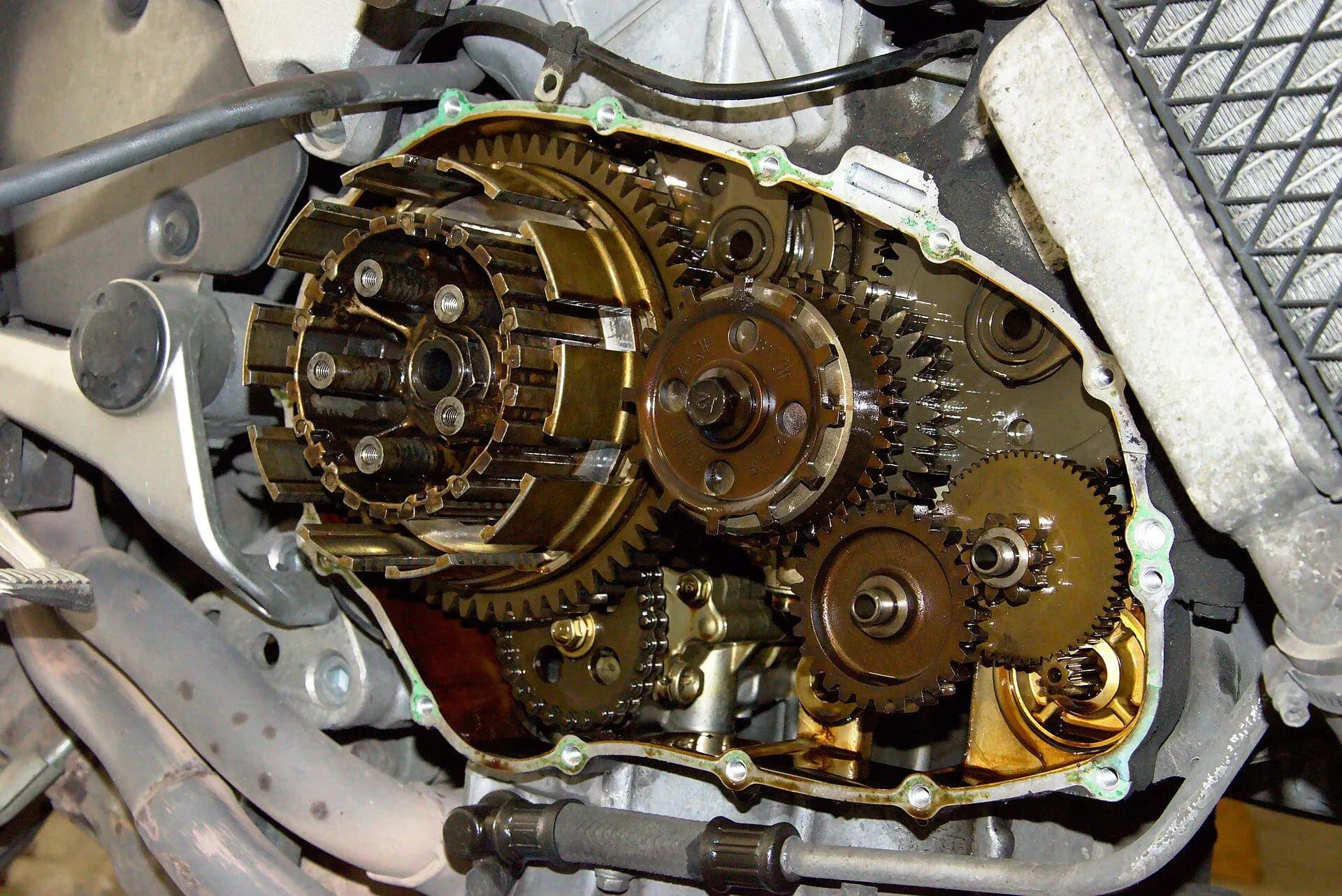
In underbones and manual motorcycles one oil lubricates the engine, gearbox and wet clutch. An oil that is too “slippery” can make the clutch slip. JASO T903 measures exactly that with a clutch friction test that yields three indices: DFI (dynamic friction), SFI (static friction) and STI (stop time).
Three index bars on a 0-2.8 scale. DFI: MB 0.20-<1.30; MA1 1.30-<1.45; MA2 1.45-<2.60. SFI: MB 0.25-<1.40; MA1 1.40-<1.60; MA2 1.60-<2.55. STI: MB 0.00-<1.25; MA1 1.25-<1.50; MA2 1.50-<2.65. Rule: all three in MA2 band = MA2, all three in MA1 band = MA1, mixed = MA, any index in MB band = MB. Chemistry: sulfated ash ≤ 1.2 %, phosphorus 0.08-0.10 %, evaporation ≤ 15 %, HTHS ≥ 2.9 mPa·s, viscosity after shear xW-30 ≥ 9.0 and xW-40 ≥ 12.0 mm²/s, foam 10/0, 50/0, 10/0 mL. Dates: 1998, 2006, 2011, 2023, logo from 1 Oct 2023, 2016 data expires 30 Apr 2028.
Reading the chart
Each bar is one index. The MA band (MA1 plus MA2) is on the high-friction side; MB is on the low-friction side. MA1 is a narrow middle band - DFI only 1.30 to under 1.45 - while MA2 runs to 2.60. An oil can be labelled MA2 only if all three indices fall in the MA2 band; two in MA2 and one in MA1 makes it plain MA.
Conversely, a single index in the MB band makes the oil MB - a low-friction oil for dry-clutch scooters where the maker specifies it. That's why MB oil must not go into a bike that requires MA, MA1 or MA2: the wet clutch may slip.
Before friction is even considered, the oil must meet API SJ to SP (excluding the energy-saving RC/EC versions) and chemistry limits: 1.2 % max, phosphorus 0.08-0.10 % to protect catalysts, evaporation 15 % max, 2.9 mPa·s min.
Products in this article
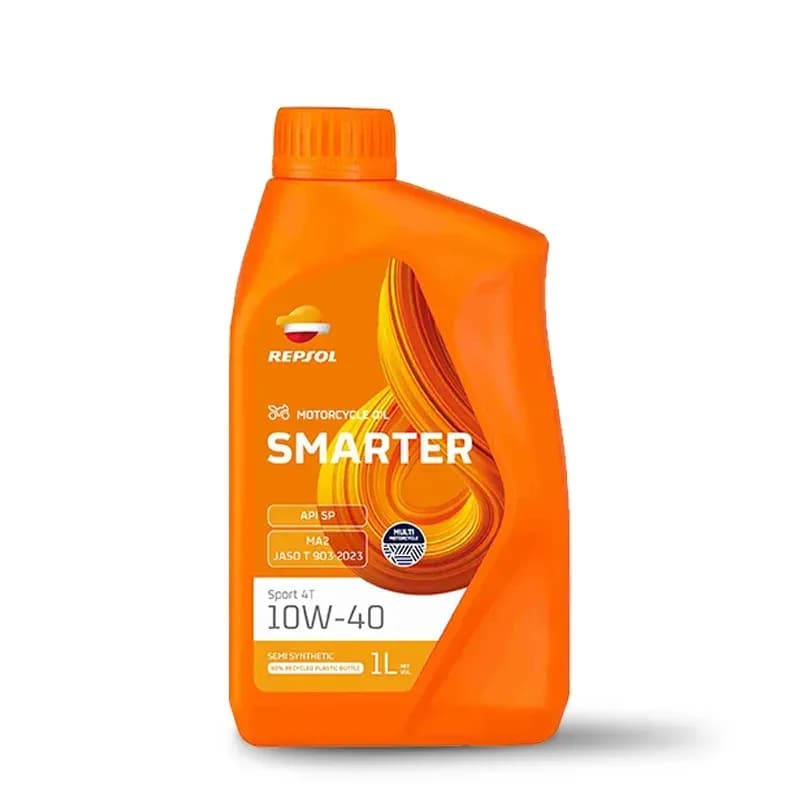
 Manual motorcyclesTDS
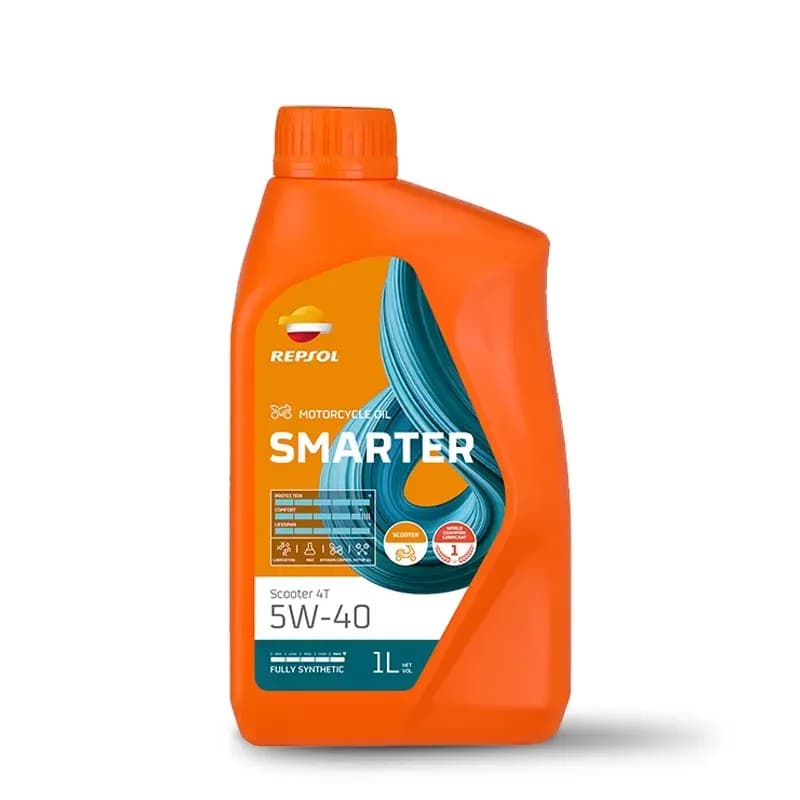 ScootersTDS
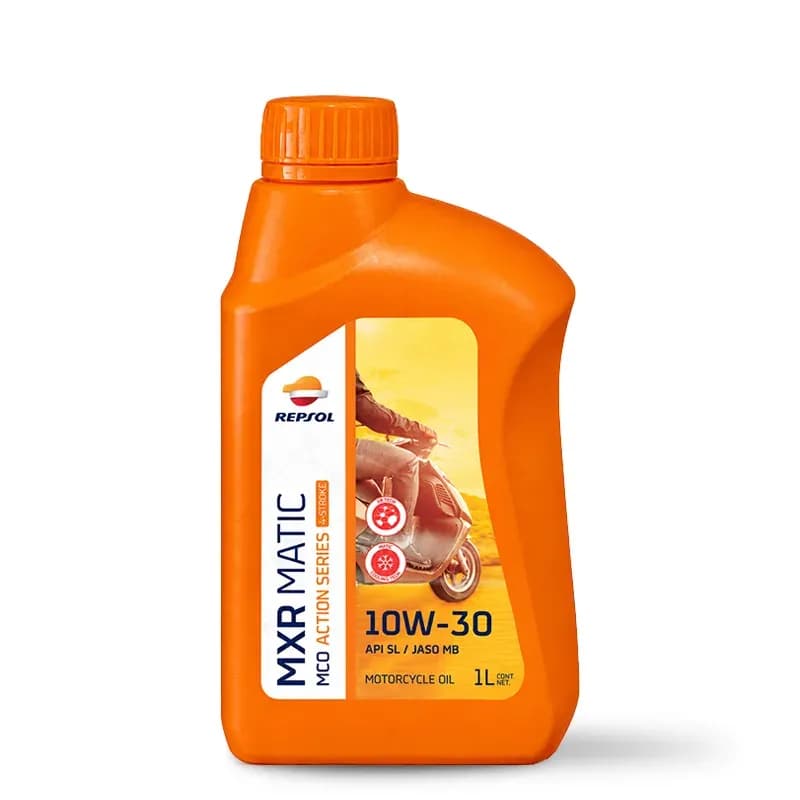 ScootersTDS
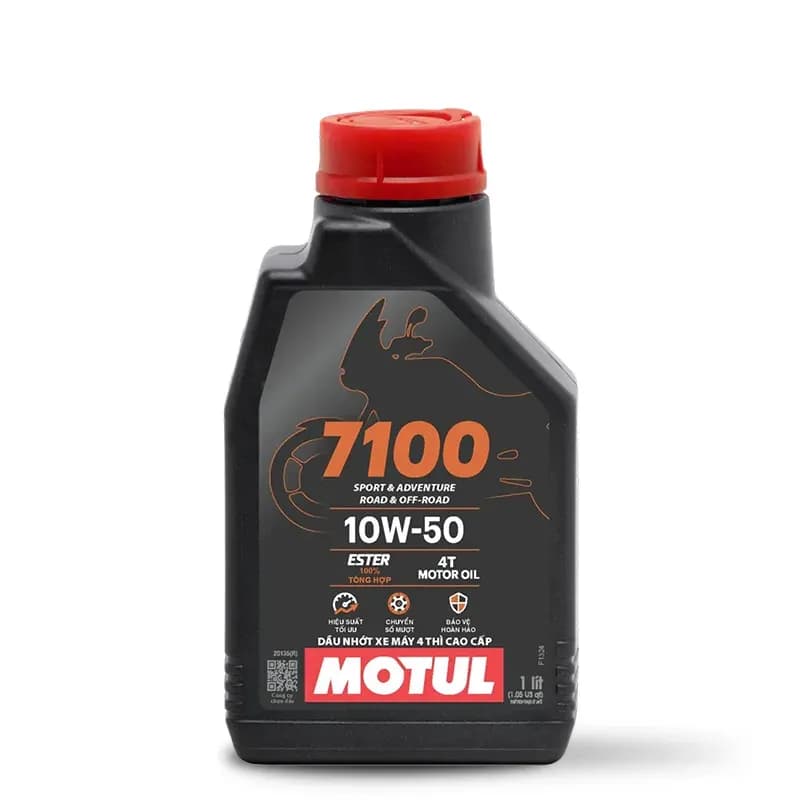
 Manual motorcycles