LONGFORM
From oil well to engine: the journey of a bottle of motor oil
Base oil, additives, blending, testing, standards, distribution - six stages that take a bottle of oil from the refinery to your engine, and where the numbers on the label come from.
By: Ung Vuong editorial teamPublished 12 Nov 202612 min read

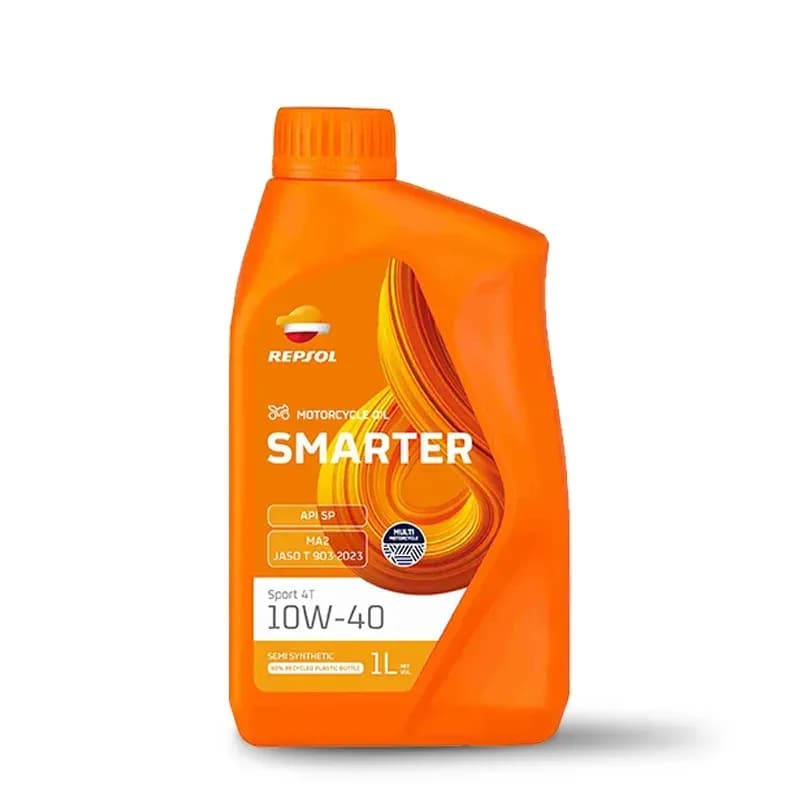
A bottle of motor oil looks simple: an amber liquid in a plastic bottle. Yet every code on the label - 10W-40, API SP, JASO MA2 - is the result of a whole chain of work: choosing base oils, adding additives, measuring in the lab, registering with standards bodies, then shipping and storing correctly until it reaches the user.
This article walks through those six stages using only information found in standards documents and public technical literature.
01
Base oil - most of the bottle
Base oil makes up most of an engine oil's volume. API 1509 (Annex E) sorts base oils into five groups: Group I has under 90 % saturates and/or over 0.03 % sulphur; Groups II and III have at least 90 % saturates and no more than 0.03 % sulphur, differing in viscosity index (Group III has a of 120 or more); Group IV is ; Group V is everything else, such as .

The viscosity index (VI) shows how much viscosity changes with temperature. The higher the VI, the less the oil thickens when cold and thins when hot - one reason Group III and IV base oils are widely used in modern multigrades.
Every code on the label is a measured result, not an advertising claim.
02
Additives - the small part that does a lot
Additives let oil do what base oil cannot do alone: detergents and dispersants keep deposits in suspension, anti-wear additives (such as ) form a protective layer on metal surfaces, antioxidants make the oil last longer, and viscosity index improver () polymers help a multigrade hold its film when hot.

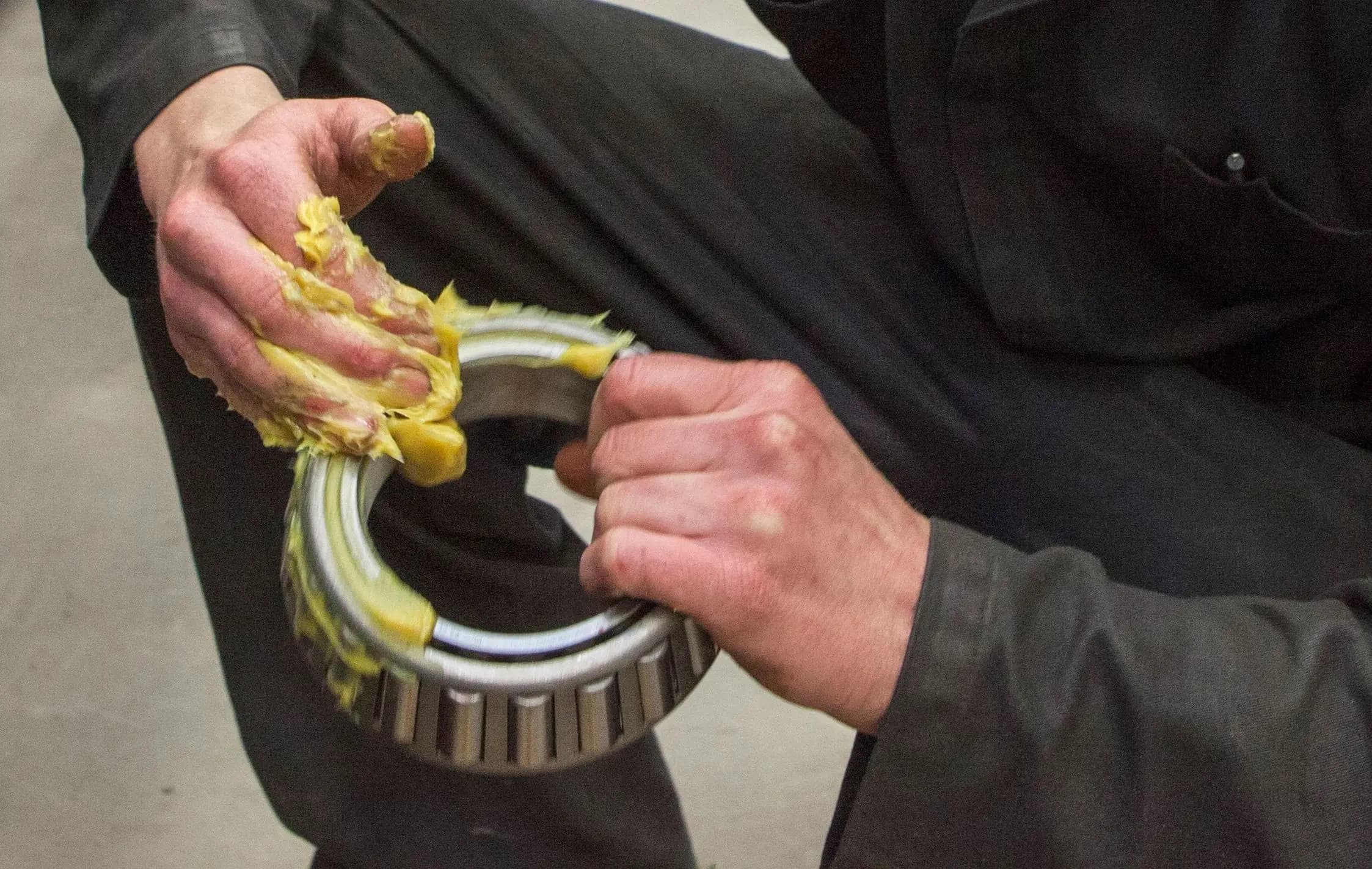
Additives have limits too. VII polymers can be sheared under high stress, lowering viscosity - which is why standards set limits and stay-in-grade requirements. Some additives, such as phosphorus, can affect catalysts, so newer standards cap their content.
03
Blending and testing
At the blending plant, base oils and additives are mixed to a formula and sampled. The numbers in a technical data sheet (TDS) come from standard tests: kinematic viscosity at 40 °C and 100 °C under ASTM D445, viscosity index under ASTM D2270, under ASTM D92, under ASTM D2896, under ASTM D5800.
The big picture
- base oil groups under API 1509
- 5base oil groups under API 1509
- SAE winter grades: 0W-25W
- 6SAE winter grades: 0W-25W
- SAE high-temperature grades: 8-60
- 8SAE high-temperature grades: 8-60
- viscosity index of Group III base oil
- ≥ 120viscosity index of Group III base oil
Source: API 1509 Annex E; SAE J300 (checked 13/11/2026)

04
Standards - the common language on the label
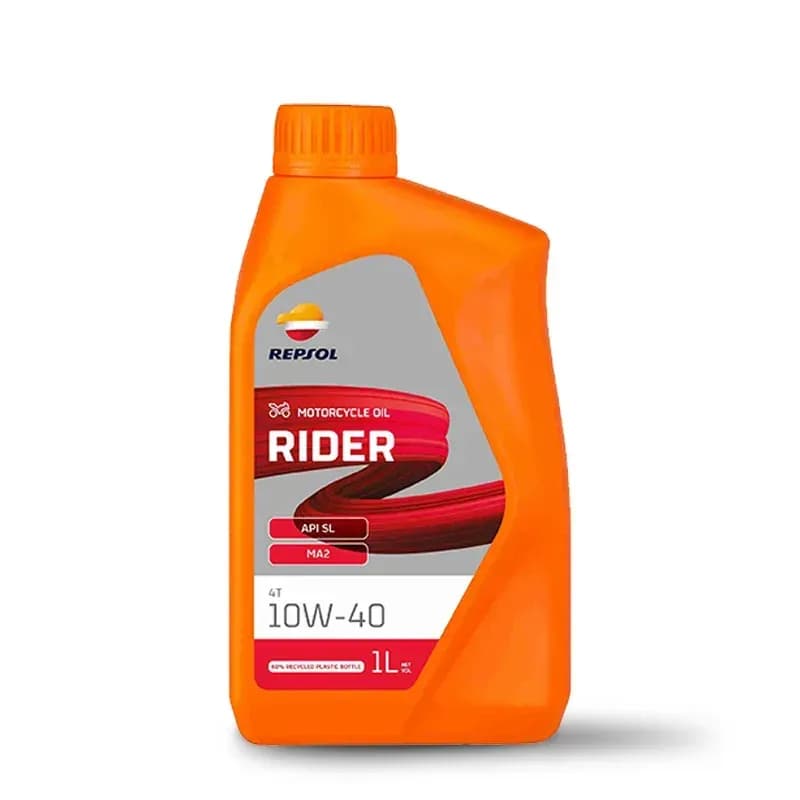
SAE J300 covers viscosity only. Quality is described by other standards: API (US), whose latest petrol category is API SQ, licensed from 31 March 2025; ACEA (Europe), with its 2023 edition for cars; and JASO for motorcycles, currently T903:2023 with grades MA, MA1, MA2 and MB.
A multigrade such as 10W-40 must meet both grades: the winter grade and the high-temperature grade.
Certification differs too: API licenses each product and allows its marks; ACEA lets oil companies self-certify under the ATIEL code; JASO registers products with the oil company's test results. A vehicle maker's (OEM) approval is yet another layer, granted only after the carmaker has reviewed the test results.



05
Distribution, storage and use
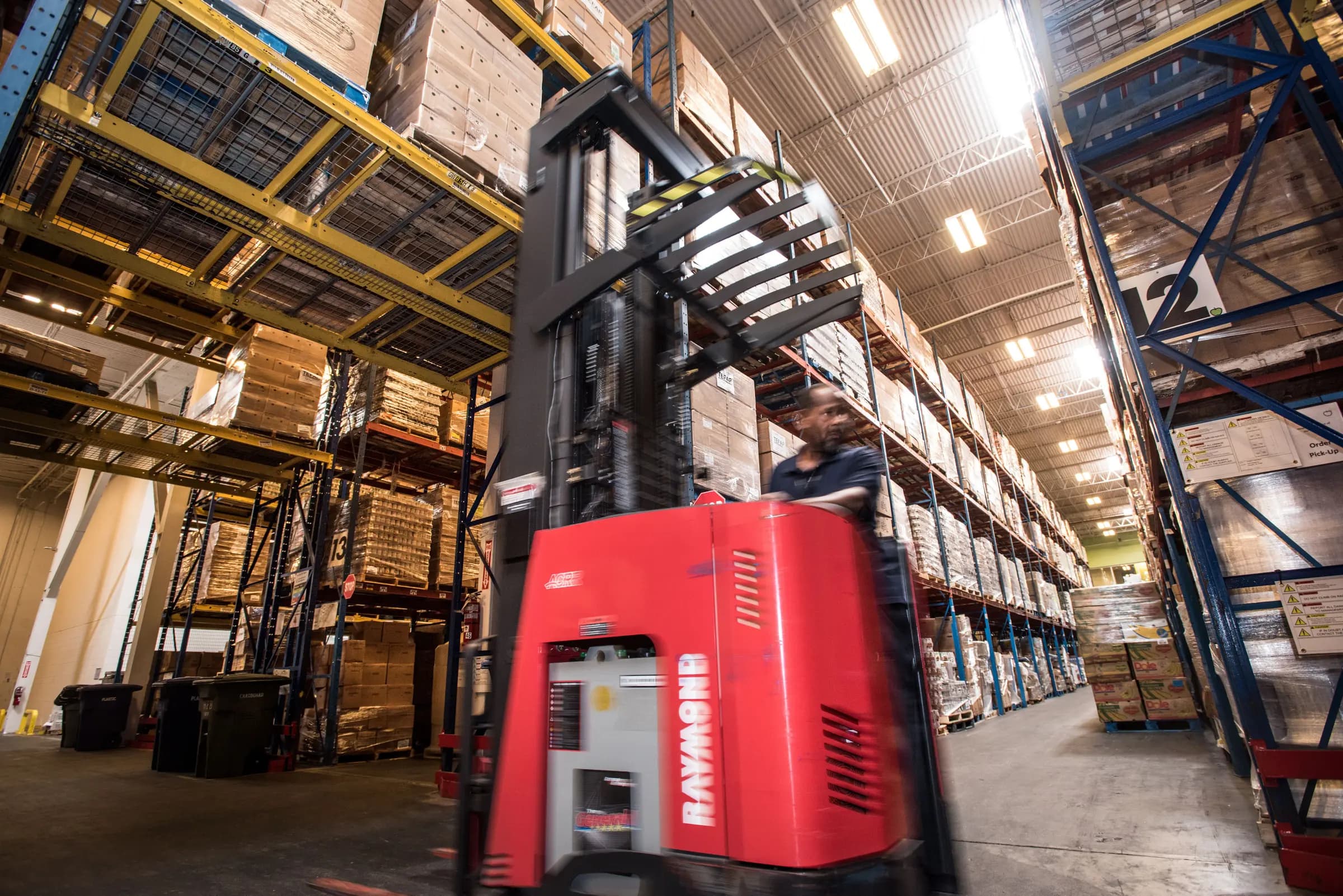
From the plant, oil passes through official distributors to shops and workshops. Lubricants carry a shelf life on the pack and should be kept dry, cool and tightly closed. An intact seal and a clear batch number are the first signs of transparent sourcing.
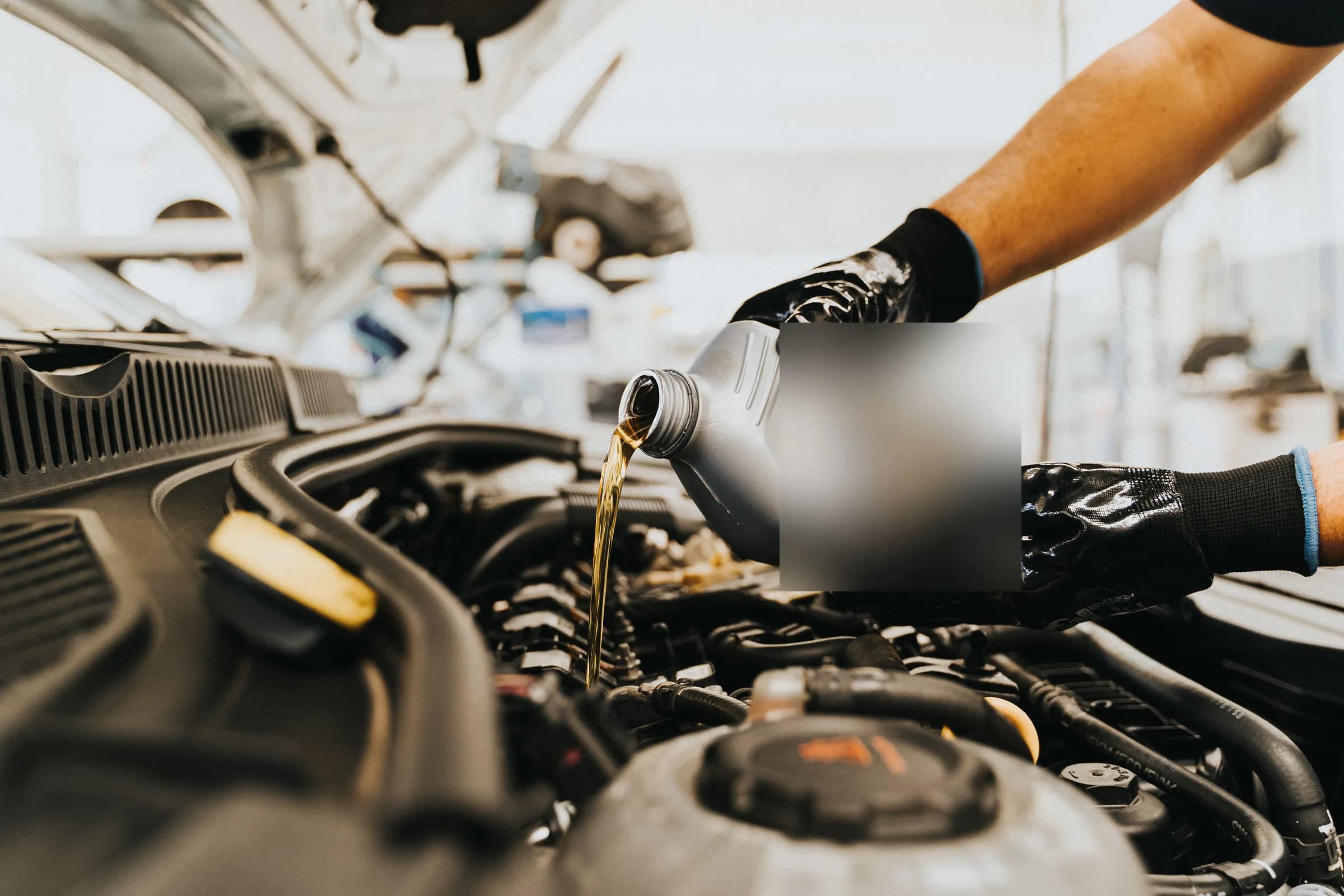
The final stage depends on the user: choose the viscosity grade and specification in the owner's manual, and change at the maker's interval - by distance or by time, whichever comes first.
A hot climate is no reason to switch to a thicker oil on your own - the owner's manual is the reference.
Knowing how a bottle of oil is made helps you read the label with a clearer eye: look for the right numbers, the right standards and the right level of claim - rather than vague promises.
Official approval, meets requirements and recommended are three different levels.
- Produced by
- Ung Vuong editorial team
- Content
- Ung Vuong editorial team
- Design
- Ưng Vương Web
Products in this article
 Manual motorcyclesTDS
 Manual motorcyclesTDS