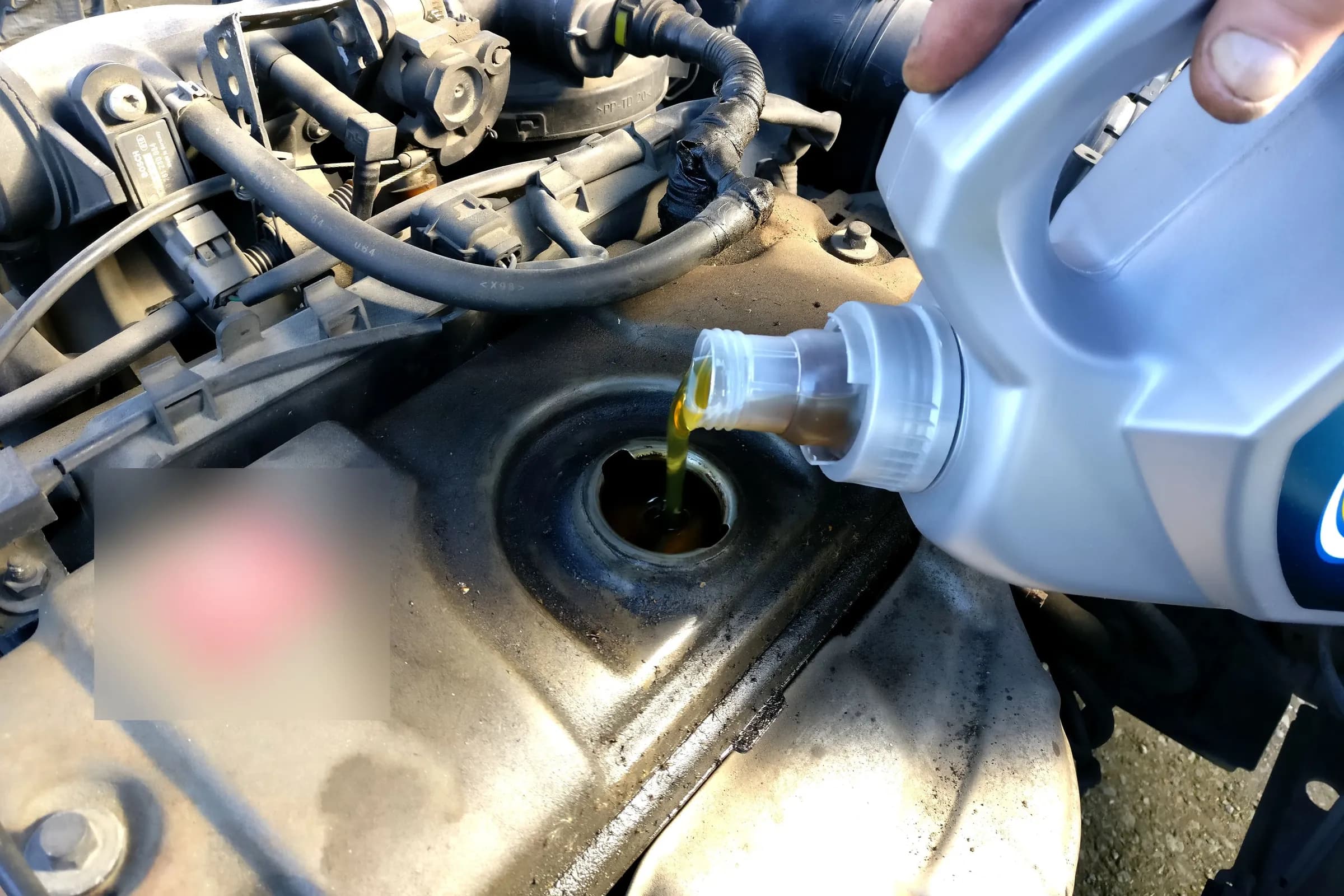
E-MAGAZINE
Keeping engines healthy in a tropical climate
Heat, traffic, floods, dust and new fuels - five daily challenges for engines in Vietnam, and how to choose and change oil correctly.
By: Ung Vuong editorial teamPublished 12 Nov 20268 min read
Scroll to read
I
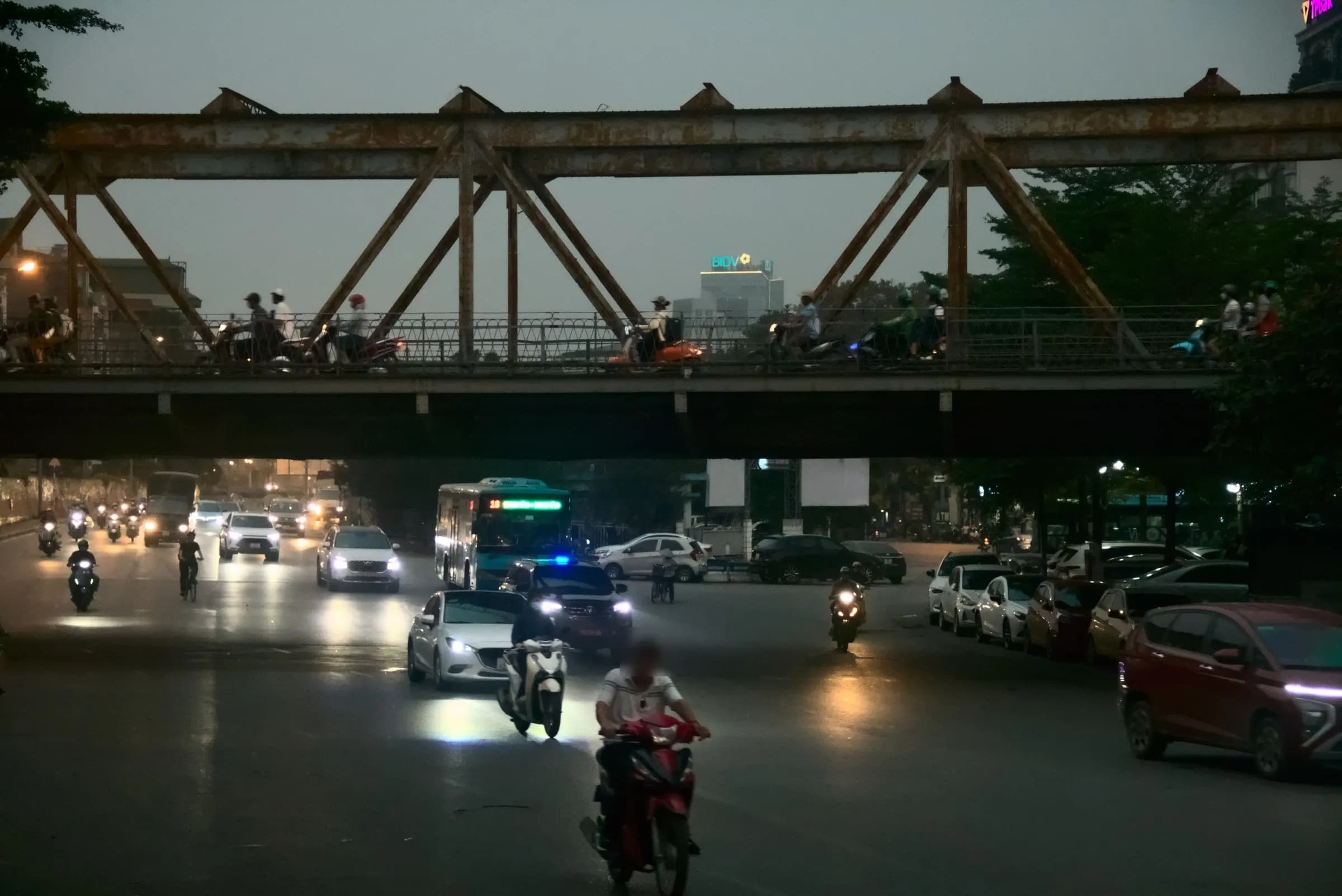
Heat
In most of Vietnam, temperatures almost never fall below 0 °C. For everyday vehicles, the part of the label that matters is the high-temperature grade - the number after the dash - and viscosity, not the W number.
But heat does not mean you need a thicker oil. The right grade is the one in the owner's manual.
II
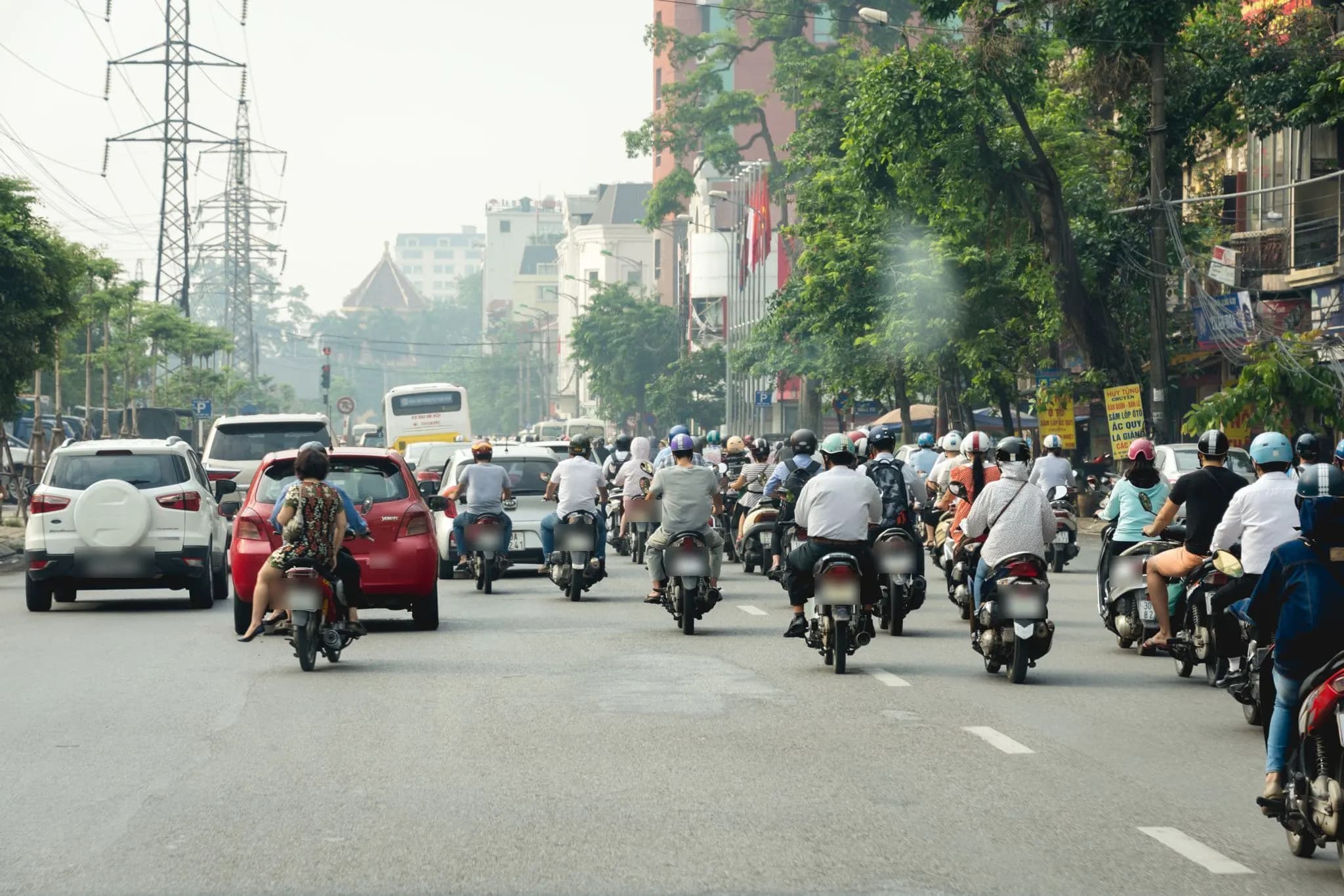
Traffic
Constant stop-and-go, short trips and long idling: many owner's manuals classify these as “severe service”, with an earlier oil change schedule.
III
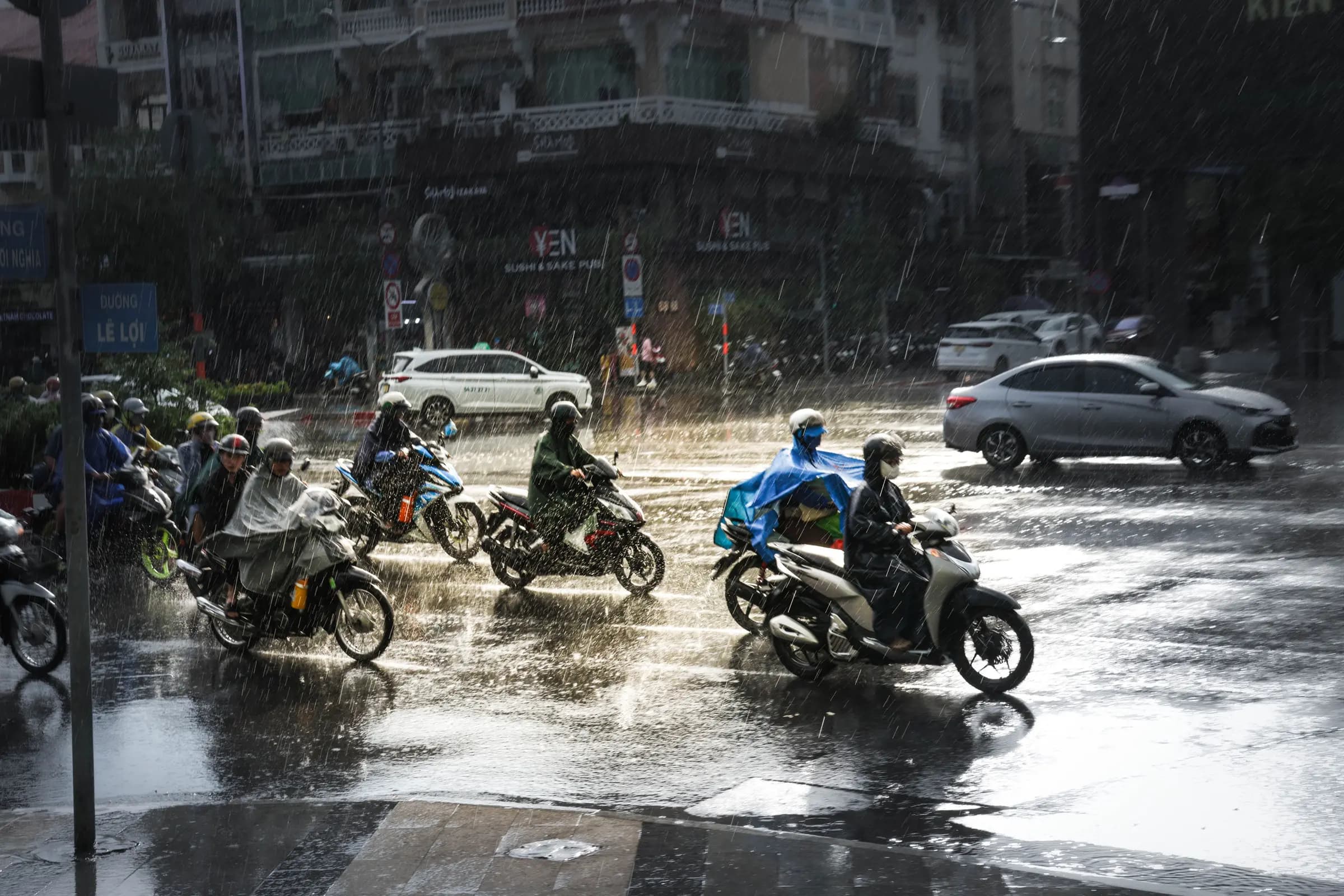
Floods and dust
Water and dust are an engine's enemies. A dirty or wet air filter chokes intake; water in the oil reduces lubrication. Check the air filter per the manual, sooner on dusty roads.
IV
Fuel
Under Ministry of Industry and Trade Circular 50/2025/TT-BCT, from 1 June 2026 unleaded petrol is blended into E10 for petrol engines nationwide (per Tap chi Cong Thuong); E5 petrol remains on sale (per VOH). For engine oil, keep using the grade and specification in your manual; if the vehicle maker issues specific guidance for biofuels, follow it.
Numbers worth remembering
- 0101/6/2026E10 petrol nationwide
- 02100 °Cthe temperature at which kinematic viscosity sets the hot grade (number after the dash)
- 03150 °Cthe temperature for HTHS viscosity - simulating a working bearing
Source: Circular 50/2025/TT-BCT (per Tap chi Cong Thuong); SAE J300
V
Choosing and changing oil correctly
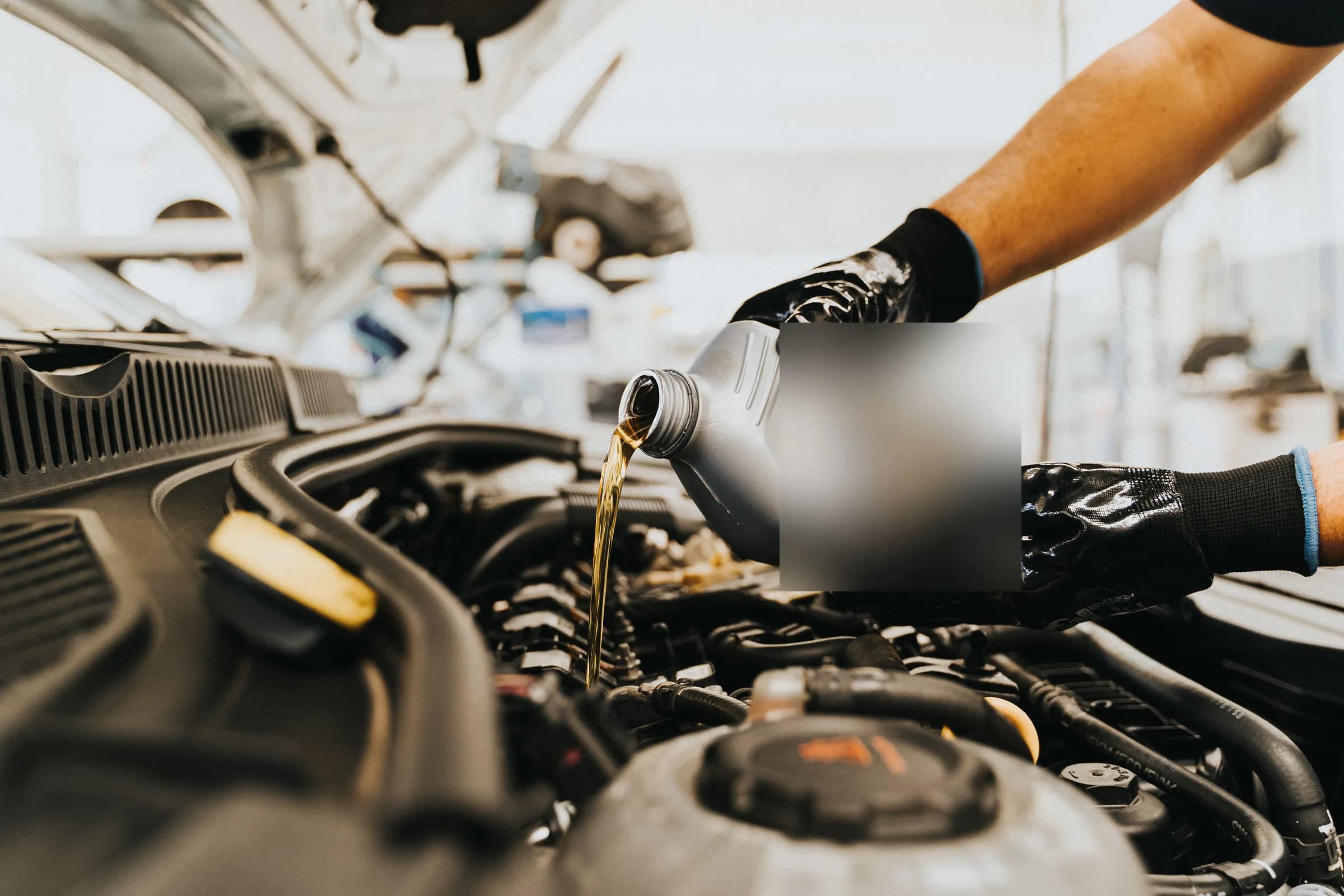
Three simple habits: choose the grade and specification in the manual; change at the distance or time limit, whichever comes first; use the “severe service” schedule if you often ride in traffic, on short trips or through floods and dust.
- Produced by
- Ung Vuong editorial team
- Content
- Ung Vuong editorial team
- Design
- Ưng Vương Web
Products in this article
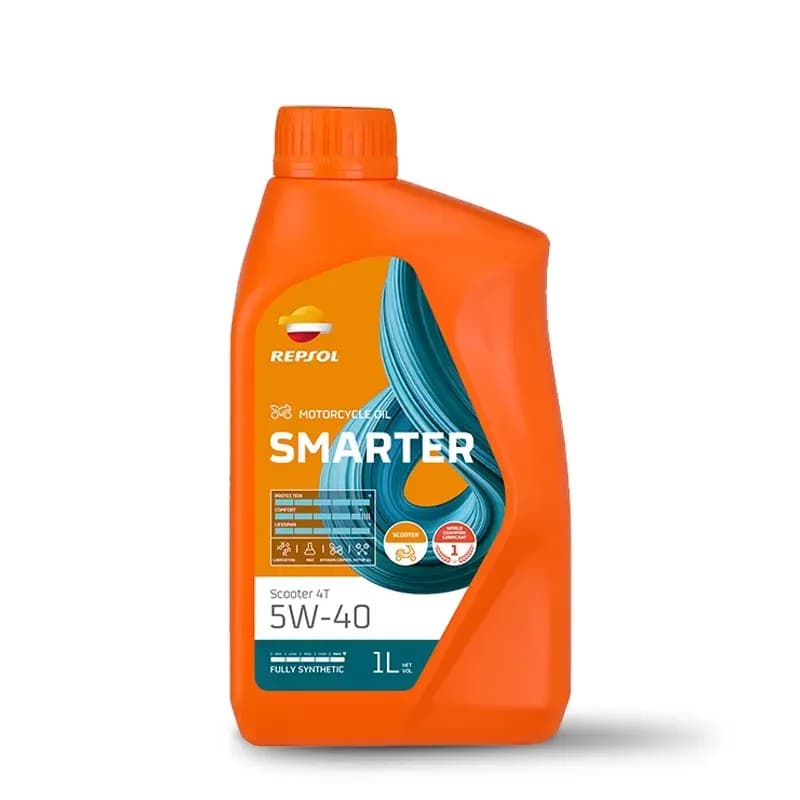
 ScootersTDS
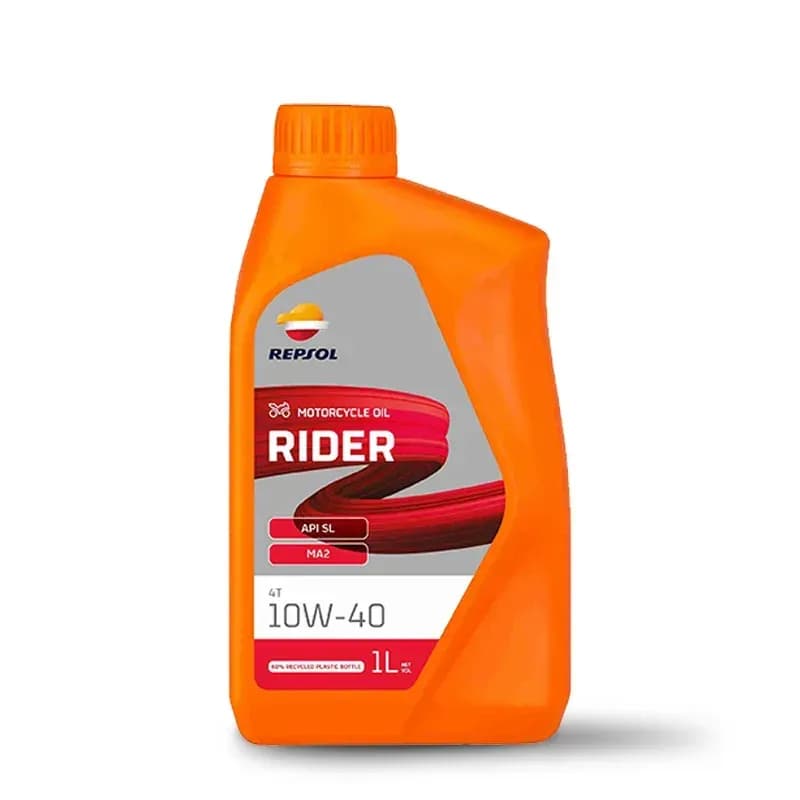 Manual motorcyclesTDS
More in this format
E-MAGAZINE →E-MAGAZINETrade & wholesale
Ung Vuong: one lubricant supplier for workshops, fleets, dealers and plants
4 min read
E-MAGAZINETrade & wholesale
Buying Castrol, Shell, Repsol, Motul wholesale: 7 questions to ask
4 min read
E-MAGAZINETrade & wholesale
Car washes selling oil: what to prepare to sell right and safely
4 min read