


Oil standards · technical report
Reading SAE viscosity grades: what does 10W-40 really mean?
The W, the numbers before and after the dash under SAE J300, and why a hot climate is no reason to “go thicker” on your own.
Ung Vuong editorial teamPublished 8 Nov 2026Updated 13 Nov 20264 min read
Every bottle of engine oil carries a code such as 5W-30, 10W-40 or 15W-40. This is the viscosity grade defined by SAE J300, a standard published by SAE International. The code describes viscosity only - it says nothing about whether an oil is good or bad. Quality is shown by other standards such as API, ACEA, JASO or a vehicle manufacturer's approval.
What is viscosity and why does it matter?
Viscosity is how “thick” or “thin” an oil is - its resistance to flow. Oil must be thin enough to be pumped quickly right after start-up, yet thick enough to keep a film between metal parts once the engine is hot and loaded. Every oil gets thinner as temperature rises, so SAE J300 measures oil at both low and high temperatures.
The number before the W: cold-start behaviour
The W marks a “winter” grade. The number in front of it shows that the oil meets low-temperature viscosity limits: the smaller the number, the more easily the oil flows at a cold start. To earn a W grade, an oil must pass two measurements at sub-zero temperatures set for each grade.
- Winter grades in SAE J300: 0W, 5W, 10W, 15W, 20W, 25W.
- The cold-cranking test () checks whether the engine can still turn over with cold oil.
- The pumpability test () checks whether the oil pump can still draw cold oil.
- Sub-zero temperatures are rare in Vietnam, but at every start the oil is still far cooler than in operation, so a lower W grade still reaches the parts faster in the first seconds.
The number after the dash: viscosity when hot
The second number (20, 30, 40, 50…) is the high-temperature grade. SAE J300 sets a kinematic viscosity range at 100 °C for each grade, plus a minimum high-temperature high-shear viscosity (, measured at 150 °C) - a value that reflects film thickness in bearings and piston rings when the engine works hard.
| High-temperature grade | Kinematic viscosity at 100 °C (cSt) | Typically found in |
|---|---|---|
| 20 | 6.9 to below 9.3 | Modern petrol engines (0W-20, 5W-20) |
| 30 | 9.3 to below 12.5 | Passenger cars, modern motorcycles (5W-30, 10W-30) |
| 40 | 12.5 to below 16.3 | Motorcycles, diesel engines (10W-40, 15W-40) |
| 50 | 16.3 to below 21.9 | Motorcycles, sports bikes, older engines (10W-50, 20W-50) |
The table follows the 2021 edition of SAE J300. The standard also has very thin grades 8, 12 and 16 for certain purpose-designed petrol engines; for these, HTHS is the deciding value because their 100 °C ranges overlap.
Should you use thicker oil in a hot climate?
Many people believe hot weather calls for “one grade up, just to be safe”. In reality, the manufacturer chooses the viscosity grade to suit internal clearances, oil-pump pressure and the engine's control systems. Oil thicker than designed increases friction at start-up and can affect components that use oil pressure for control. Many owner's manuals include a chart of viscosity grades by ambient temperature; if your manual allows several grades, choose within that range.
Monograde and multigrade oils
A monograde oil carries a single number, such as SAE 40 or SAE 10W. A multigrade oil such as 10W-40 meets both a winter grade (10W) and a high-temperature grade (40), so it works across a wide temperature range. Most motorcycles, cars and trucks today use multigrade oil. When reading a label, look at the viscosity together with the quality level (API, ACEA or JASO) to choose the right oil.
References
- SAE International - SAE J300 Engine Oil Viscosity Classification (04/2021 edition)
- SAE International - J300 (viscosity limits table, 2021 edition)
- Lubes'n'Greases - SAE Adds Light Engine Oil Categories (grades 8 and 12)
- FUCHS - Viscosity charts
- ACEA Oil Sequences 2023 - Light-duty engines (HTHS explained)
Author
The content team of Ung Vuong Lubricants. Articles are compiled from brands' technical data sheets (TDS) and the SAE, API, ACEA and JASO standards; every article lists its references at the end.
For reference only - always check your vehicle manufacturer's handbook.
Products in this article
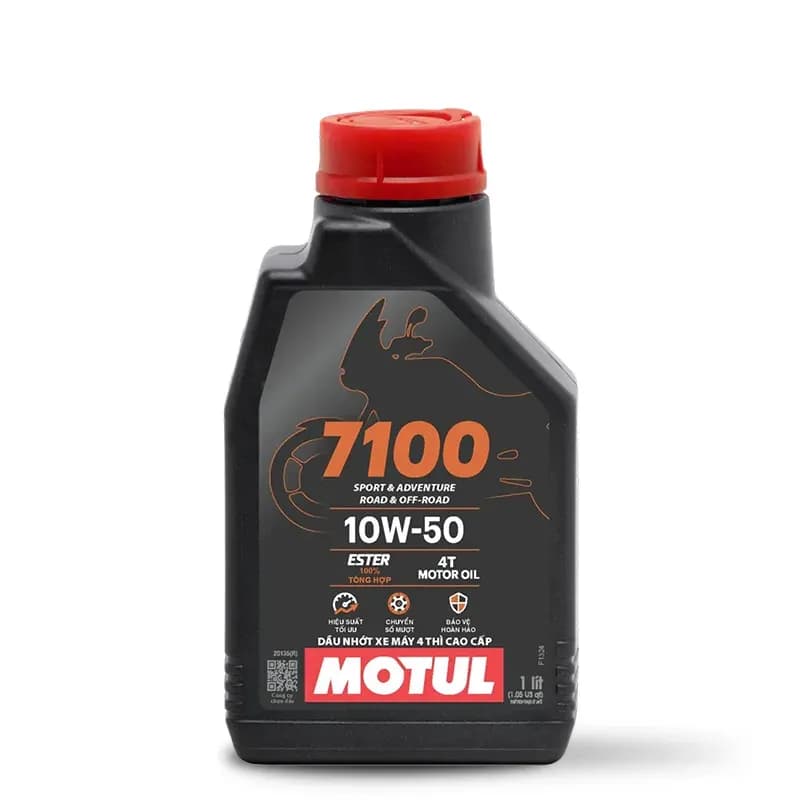
 Manual motorcycles
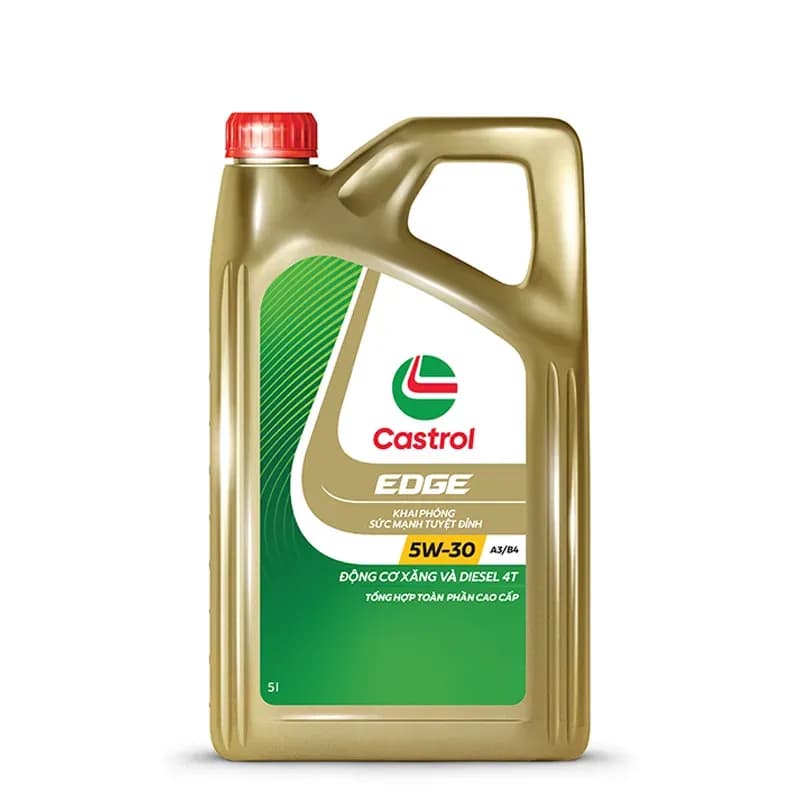
 CarsTDS
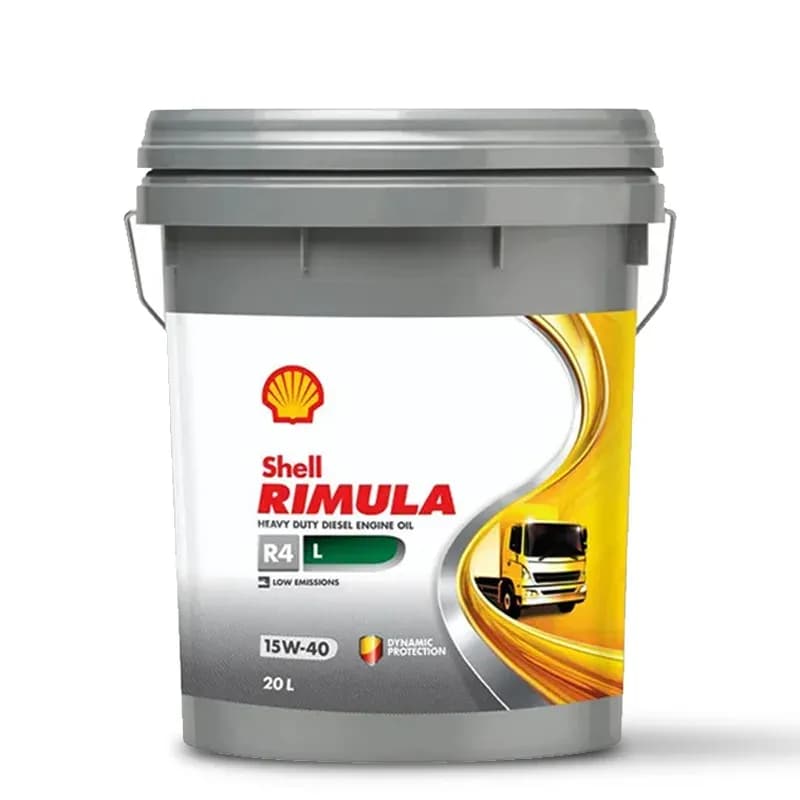
 Trucks
SHELL RIMULA R4 L 15W‑40
- SAE 15W-40
- API CK-4
- +1
- +2
Read next
More articles
LONGFORMOil standards
JASO M355: DH-2, DL-1 and why Japanese diesels have their own standard
10 min read



Try it
Open the SAE J300 bench
Pick a grade and see what each number means.