LONGFORM
Group III and GTL base oils: from refinery to bottle
Hydrocracking, wax isomerisation and Fischer-Tropsch turn crude oil or natural gas into Group III base oil. How it works, and what “synthetic” means.
By: Ung Vuong editorial teamPublished 14 Nov 202613 min read
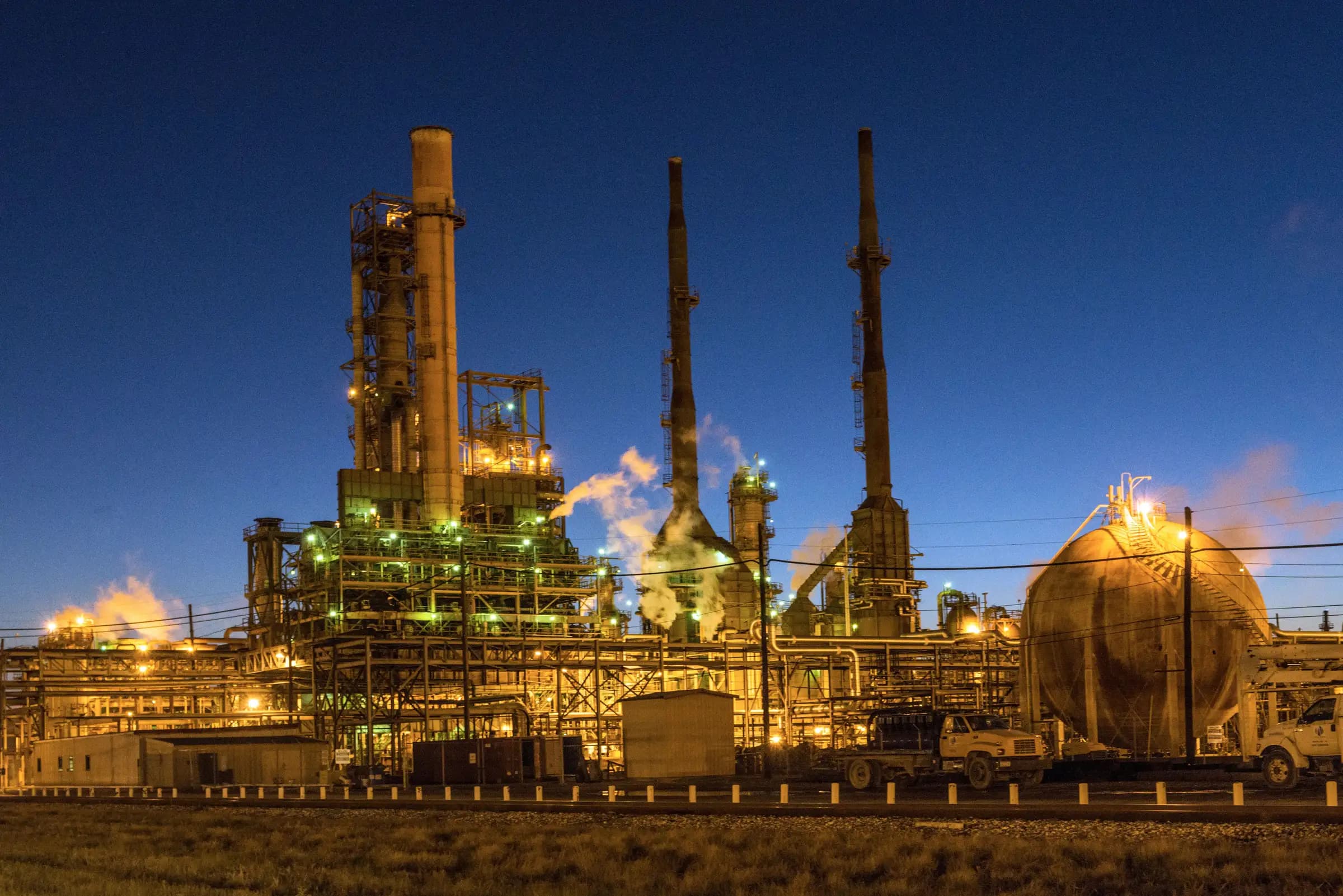
Base oil makes up most of a motor oil: a 2014 technical article by Shell Global Solutions engineers puts it at about 75-90 %, with 10-25 % additives. Our article on base oil groups I-V explains the groups; this one looks at how Group III is made.
01
Standards measure results, not processes
API 1509 (23rd edition, 02/2025), Annex E, defines Group III as ≥ 90 % saturates, ≤ 0.03 % sulfur and a viscosity index of 120 or more. The feedstock and process are not specified, and there is no “Group III+” in the standard - that label is commercial.
| Group | Saturates | Sulfur | VI |
|---|---|---|---|
| I | < 90 % and/or | > 0.03 % | 80 to < 120 |
| II | ≥ 90 % | ≤ 0.03 % | 80 to < 120 |
| III | ≥ 90 % | ≤ 0.03 % | ≥ 120 |
| IV | PAO | - | - |
| V | All others (e.g. esters) | - | - |
02
From crude: three hydroprocessing steps
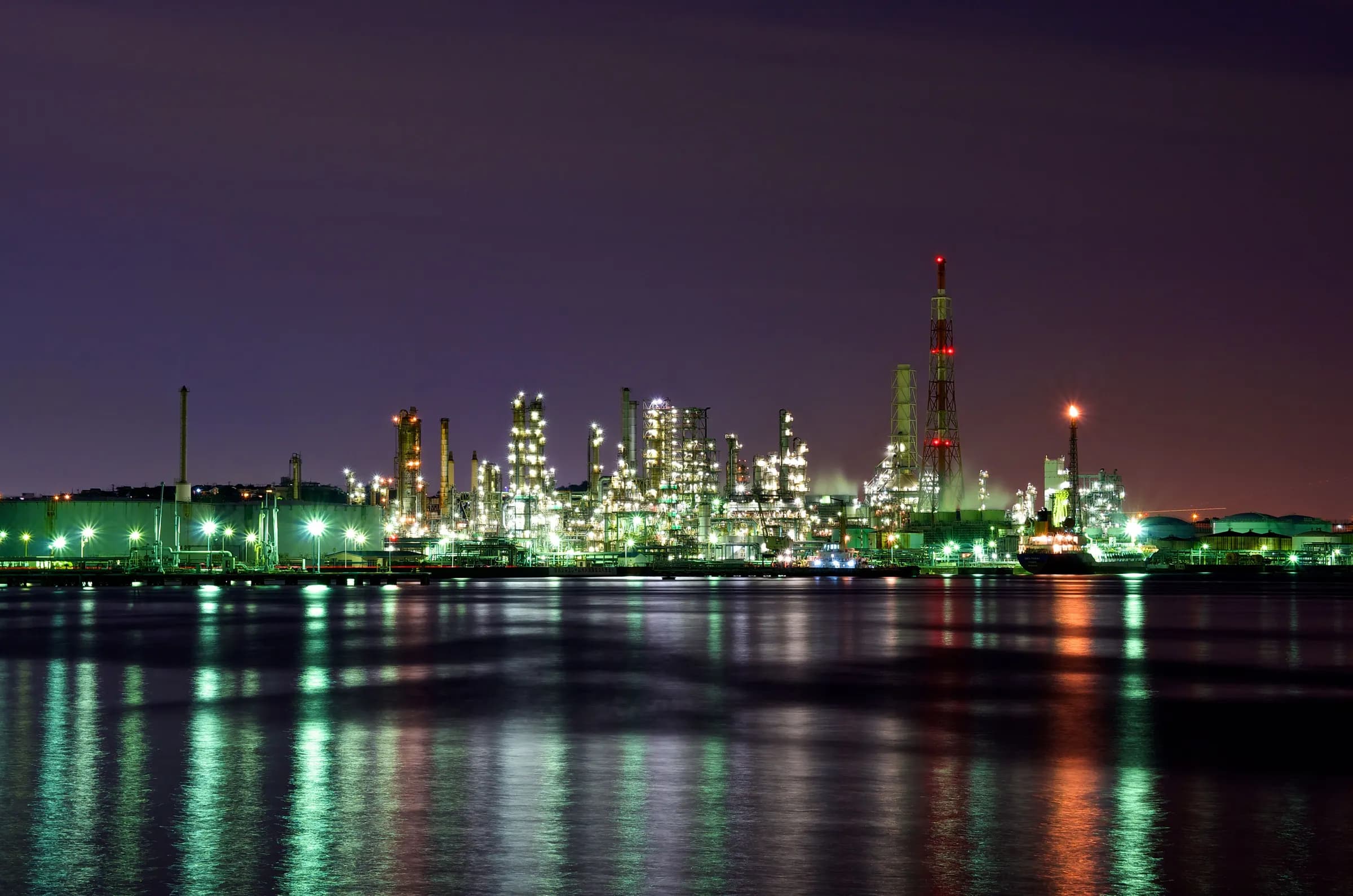
Hydrocracking breaks and saturates heavy molecules and removes most sulfur and nitrogen; dewaxing deals with the straight-chain paraffins that thicken oil in the cold; hydrofinishing improves colour and oxidation stability. Chevron's ISODEWAXING (commercialised 1993) isomerises wax into isoparaffins instead of removing it, giving base oils of 95 to 140 and higher; Chevron introduced noble-metal hydrofinishing in 1984.
03
1999: Group III becomes “synthetic”
STLE's TLT (01/2010) recounts how Mobil objected to Castrol calling its hydroprocessed Syntec “synthetic”. The US National Advertising Division found Castrol had a reasonable basis for the claim, though not for superiority. Lubes'n'Greases (24/10/2017) notes that no test of a finished oil can conclusively prove its Group III content without auditing blending records.
“Synthetic” on a label tells you what may be claimed; performance is in the API, ACEA, OEM approvals and datasheet.
04
From gas: Fischer-Tropsch and GTL
At Pearl GTL in Ras Laffan, Qatar, gas is cleaned to about 10 ppbv sulfur, partially oxidised at 1,250-1,400 °C into syngas, converted on a cobalt catalyst at 200-260 °C into long paraffin chains, then hydrocracked and distilled; the 370-540 °C cut goes to the base oil plant.
Pearl GTL at a glance
- GTL products (plus 120,000 b/d NGL and ethane)
- 140,000 b/dGTL products (plus 120,000 b/d NGL and ethane)
- start-up; first GTL base oil reached Houston in November
- 2011start-up; first GTL base oil reached Houston in November
- base oil capacity (2016): 4 and 8 cSt Group III, 3 cSt Group II
- 28,000 b/dbase oil capacity (2016): 4 and 8 cSt Group III, 3 cSt Group II
- Noack achievable in an SAE 5W-20 from GTL base oil
- ≤ 10 %Noack achievable in an SAE 5W-20 from GTL base oil
Source: Gas Processing News (1/10/2014); Hydrocarbon Processing (28/11/2011); Lubes'n'Greases (28/12/2016)
05
Reading the datasheet
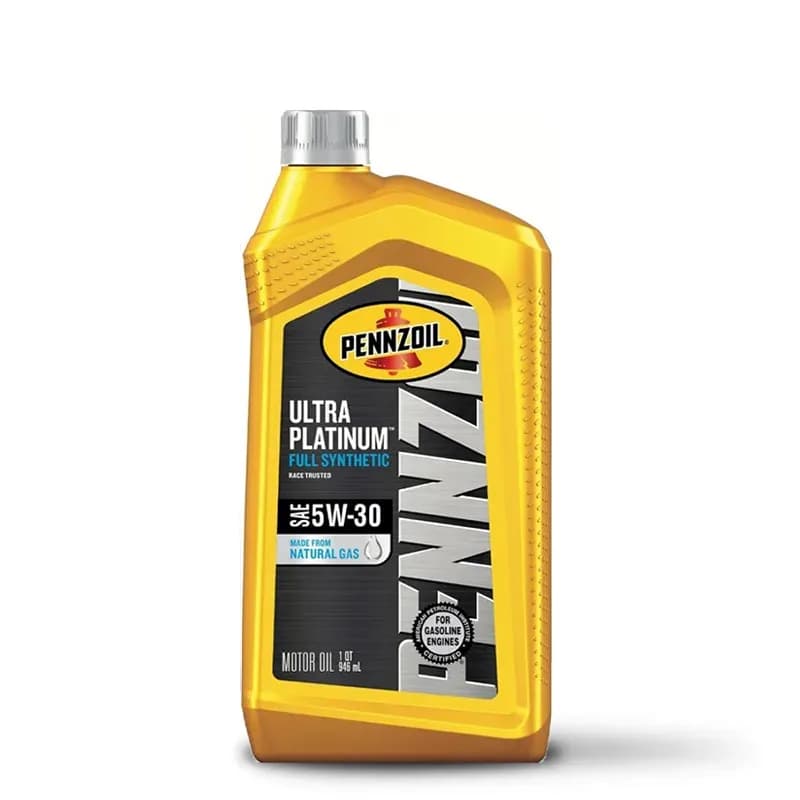
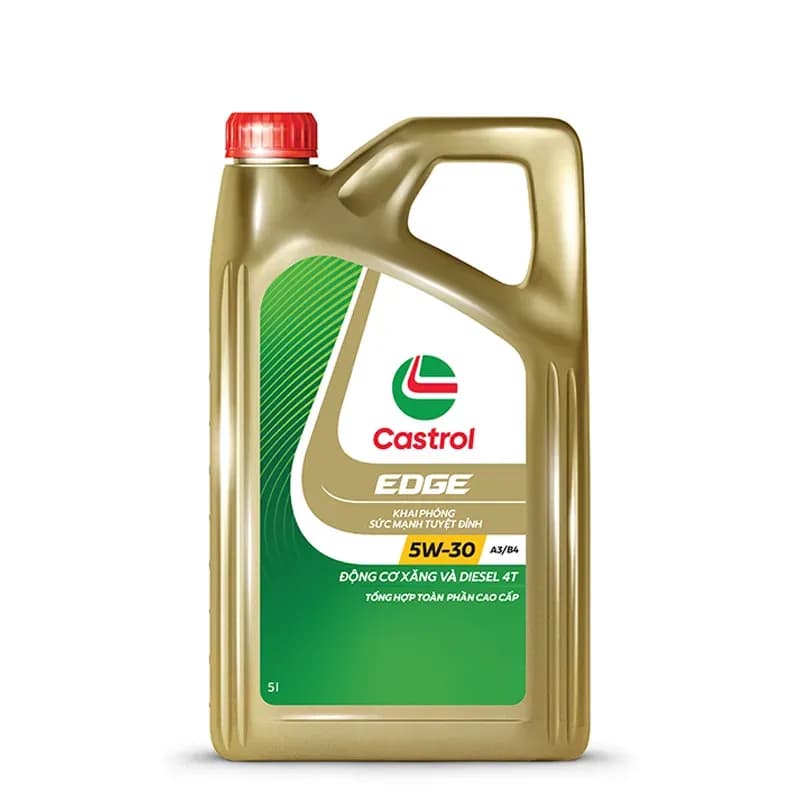
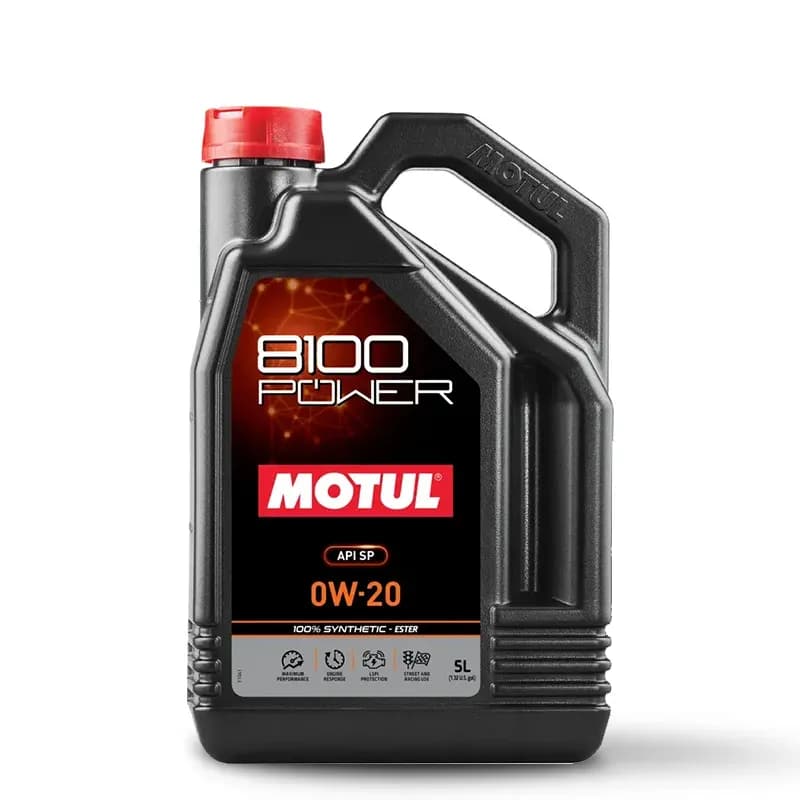
Pennzoil Ultra Platinum 5W-30 (TDS v2.7, 8/10/2026) is titled “Made With Natural Gas”, VI 173, API SQ Resource Conserving and ILSAC GF-7A. The Castrol EDGE 5W-30 A3/B4 sheet (26/6/2025) gives VI 183 but no base oil type. Motul 8100 Power 0W-20 states “100% Synthetic - ”. Finished-oil VI reflects base oil and additives together. See Pennzoil Ultra Platinum 5W-30 and OEM approvals.
- Produced by
- Ung Vuong editorial team
- Content
- Ung Vuong editorial team
- Design
- Ưng Vương Web
Products in this article
 CarsTDS
 CarsTDS
 CarsTDS