LONGFORM
From CK-4 to CL-4 and FB-4: diesel oil for 2027 fleets
API CL-4 and FB-4 are licensed from 1 January 2027. What changes from CK-4 and FA-4, and how fleets should prepare.
By: Ung Vuong editorial teamPublished 13 Nov 202612 min read

For a decade, heavy-duty diesel oil labels have carried one familiar name: API CK-4. From 1 January 2027 two new names join it - CL-4 and FB-4. They bring tighter chemical limits, a different engine test set and an important rule about backward compatibility. This article reads the source document, API 1509 (24th edition), directly.
01
Why new categories
API describes CL-4 as oil for high-speed four-stroke diesel engines designed to meet 2027 model year on-highway emission standards. The letter C marks conventional diesel categories; the F branch is for lower- oils aimed at fuel economy (FA-4 in 2016, now FB-4). The PC-12 specification was formally approved in April 2026; the licensing portal opened on 1 June 2026.
02
CK-4 and FA-4 in brief
CK-4 xW-30 oils need an HTHS of at least 3.5 mPa·s; FA-4 xW-30 oils sit in a 2.9-3.2 cP band and are for on-highway use with fuel up to 15 ppm sulphur. Both are capped at 1.0 % , 0.12 % phosphorus and 0.4 % sulphur by mass.
03
CL-4: tighter chemistry, new tests
| Chemical limit (max, % mass) | CK-4 / FA-4 | CL-4 / FB-4 |
|---|---|---|
| Sulphated ash | 1.0 | 0.9 |
| Phosphorus | 0.12 | 0.08 |
| Sulphur | 0.4 | 0.3 |
Lower ash, phosphorus and sulphur are friendlier to particulate filters and catalysts. The CL-4 engine tests include T-13 oxidation, the Cummins ISB soot-viscosity test, COAT aeration, ISB and ISM wear, C13 deposits and the DD13 scuffing test (minimum 31 hours to scuff). Seal compatibility adds hydrogenated nitrile (HNBR). HTHS for CL-4 xW-30 stays at a 3.5 mPa·s minimum.
Lower ash, phosphorus and sulphur make oil friendlier to exhaust aftertreatment.
04
Backward compatibility: CL-4 yes, FB-4 no
API 1509 says CL-4 oils are designed to meet or exceed CK-4, CJ-4, CI-4 and CH-4, and may be licensed as those categories too. FB-4 covers certain xW-30 and xW-20 oils with an HTHS of 2.6-3.2 cP for select 2027 engines; API states FB-4 oils are not interchangeable or backward compatible with CK-4, CJ-4, CI-4 and CH-4 oils.
Four numbers for 2027 diesel oils
- first licensing of CL-4 and FB-4
- 01/01/2027first licensing of CL-4 and FB-4
- max phosphorus, CL-4 and FB-4 (CK-4: 0.12 %)
- 0.08 %max phosphorus, CL-4 and FB-4 (CK-4: 0.12 %)
- max sulphated ash, CL-4 and FB-4 (CK-4: 1.0 %)
- 0.9 %max sulphated ash, CL-4 and FB-4 (CK-4: 1.0 %)
- cP - FB-4 HTHS band (xW-20 and xW-30)
- 2.6-3.2cP - FB-4 HTHS band (xW-20 and xW-30)
Source: API 1509 24th edition (07/2026), section 5.3 and Annex I; MOTOR 13/04/2026
05
What fleets in Vietnam should do
- Follow the engine maker's manual for API/ACEA category and viscosity grade.
- New 2027-on vehicles: use CL-4 or FB-4 only as specified; never use FB-4 in an engine that does not call for it.
- Vehicles on CK-4: CL-4 is backward compatible under API, but still check the vehicle maker and the product TDS.
- Know your fuel's sulphur content; ask the engine maker about drain intervals on higher-sulphur fuel.
- Mixed fleets: label stock by vehicle group so F-branch oil never goes into older engines.
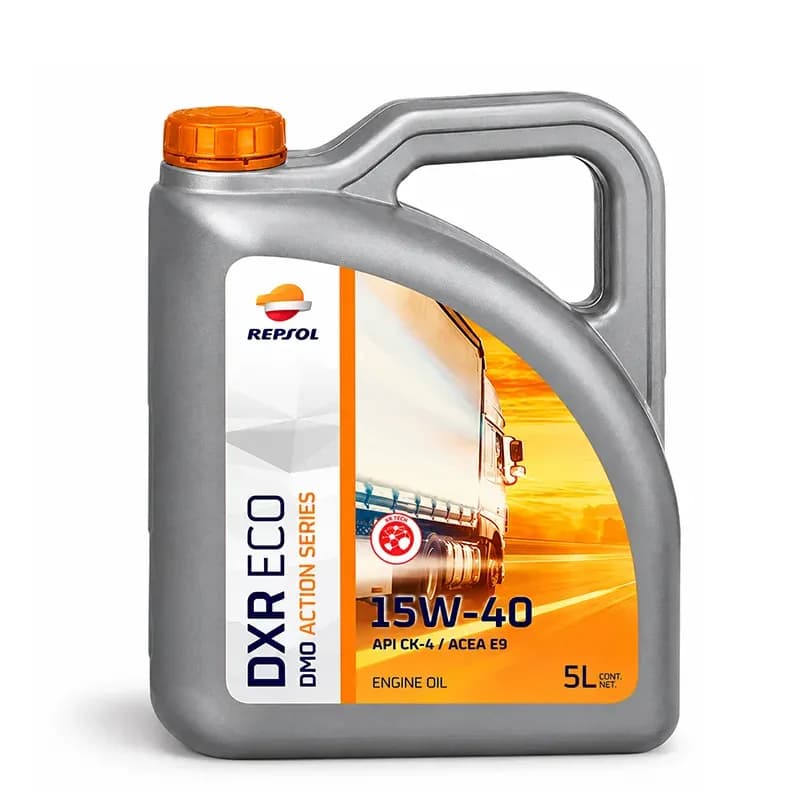
In our catalogue today, diesel lines such as Repsol DXR ECO 15W-40 declare API CK-4 per the maker's documents; none declares CL-4 or FB-4 yet because licensing has not started. See also our fleet solutions.
- 12/2016
CK-4 and FA-4 licensing begins.
- 04/2026
API formally approves PC-12; CL-4 and FB-4 marks released.
- 07/2026
API 1509 24th edition adds CL-4 and FB-4.
- 01/01/2027
First licensing date for CL-4 and FB-4.
A new category does not make today's oil obsolete; choose correctly at the next change.
- Produced by
- Ung Vuong editorial team
- Content
- Ung Vuong editorial team
- Design
- Ưng Vương Web
Products in this article
 TrucksTDS
REPSOL DXR ECO SAE 15W‑40
- SAE 15W-40
- API CK-4
- +1
- +2
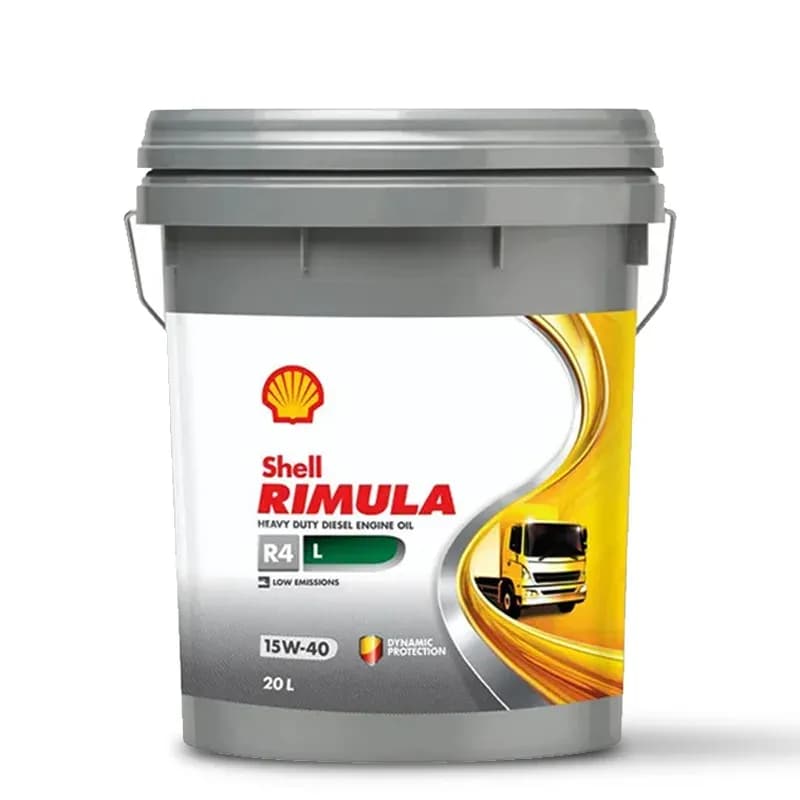
 Trucks
SHELL RIMULA R4 L 15W‑40
- SAE 15W-40
- API CK-4
- +1
- +2
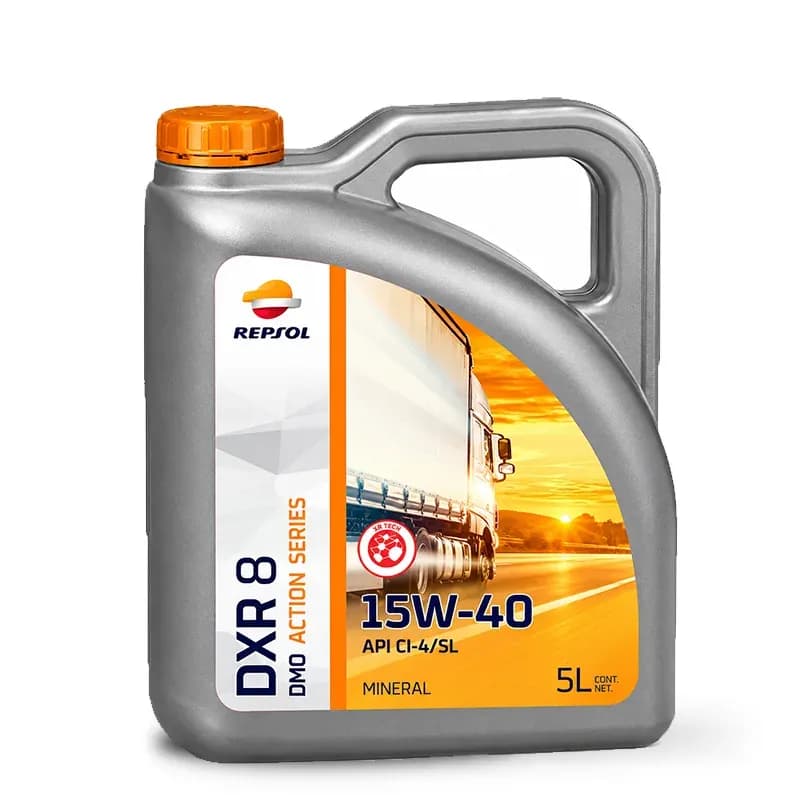 TrucksTDS
REPSOL DXR 8 SAE 15W‑40
- SAE 15W-40
- API CI-4/SL
- +2
- +3