
E-MAGAZINE
Inside a plant: hydraulics, gears, compressors
Three systems, three oils, three sets of codes. Reading ISO VG, HLP, CLP and DAJ on a TDS - and matching oil to machine.
By: Ung Vuong editorial teamPublished 13 Nov 202611 min read
Scroll to read

I
The number on the drum
Walk into a plant's oil store and you'll see drums marked 32, 46, 68, 150, 220, 320. That is the ISO VG grade under ISO 3448: nominal kinematic viscosity at 40 °C in mm²/s. Unlike SAE J300 for engine oil, measured at 100 °C and when cold, ISO VG uses one reference point - most industrial machines run at fairly steady indoor temperatures.
But the number is only half the story. At the same VG 46, hydraulic oil, screw compressor oil and turbine oil have very different additives, base oils and test requirements. So each system has its own code set - and reading it correctly on the technical data sheet (TDS) is the first step. This piece covers the three most common: hydraulics, gears and air compressors.

Each ISO VG grade allows actual viscosity within ±10 % of its midpoint. ISO VG 46 is therefore 41.4-50.6 mm²/s at 40 °C; ISO VG 68 is 61.2-74.8 mm²/s. Adjacent grades are about 50 % apart, so VG 32 in a machine that needs VG 68 is not a small error - the oil is roughly half as thick. See choosing ISO VG.
II
Hydraulics: oil as muscle
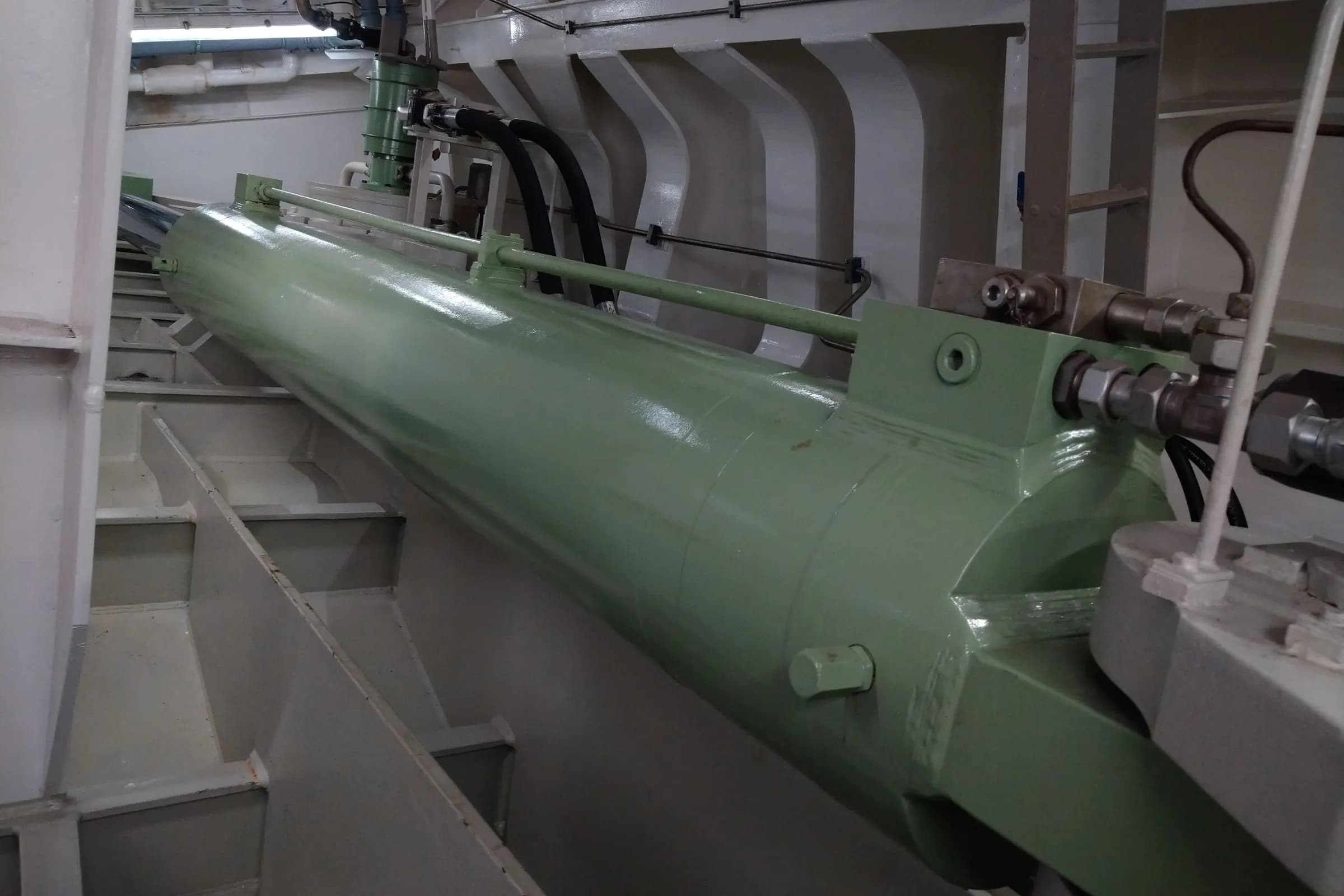
In presses, injection-moulding machines or excavator arms, hydraulic oil does more than lubricate - it carries force from pump to cylinder. ISO 6743-4 puts hydraulic oils in family H; the most common are HM (anti-wear) and HV (adding a high viscosity index). In Germany, DIN 51524 part 2 calls the equivalent HLP and part 3 HVLP, with a minimum of 140 in DIN 51524-3.

The HLP/HVLP difference shows on the TDS. Shell Tellus S2 VX 32 - an HV/HVLP oil - lists a typical VI of 143, viscosity of 1,430 cSt at −20 °C and 10 % shear loss under CEC L45-A-99. That is why its TDS points it at mobile hydraulics and outdoor machines, where oil temperature swings. For machines in a steady indoor climate, HM/HLP is usually enough.
A common confusion on hydraulic TDSs is the list of pump and valve makers such as Bosch Rexroth, Parker Denison and Eaton. Some TDSs put them under “Approvals”, others say “meets”. On this website we list an approval only when the TDS states it clearly; otherwise it is a meets-requirements claim by the oil maker. See hydraulic oils, e.g. Shell Tellus S2 VX.
The same 46 on a drum can mean two completely different oils for hydraulics and compressors.

III
Gears: heavy loads on a tiny line
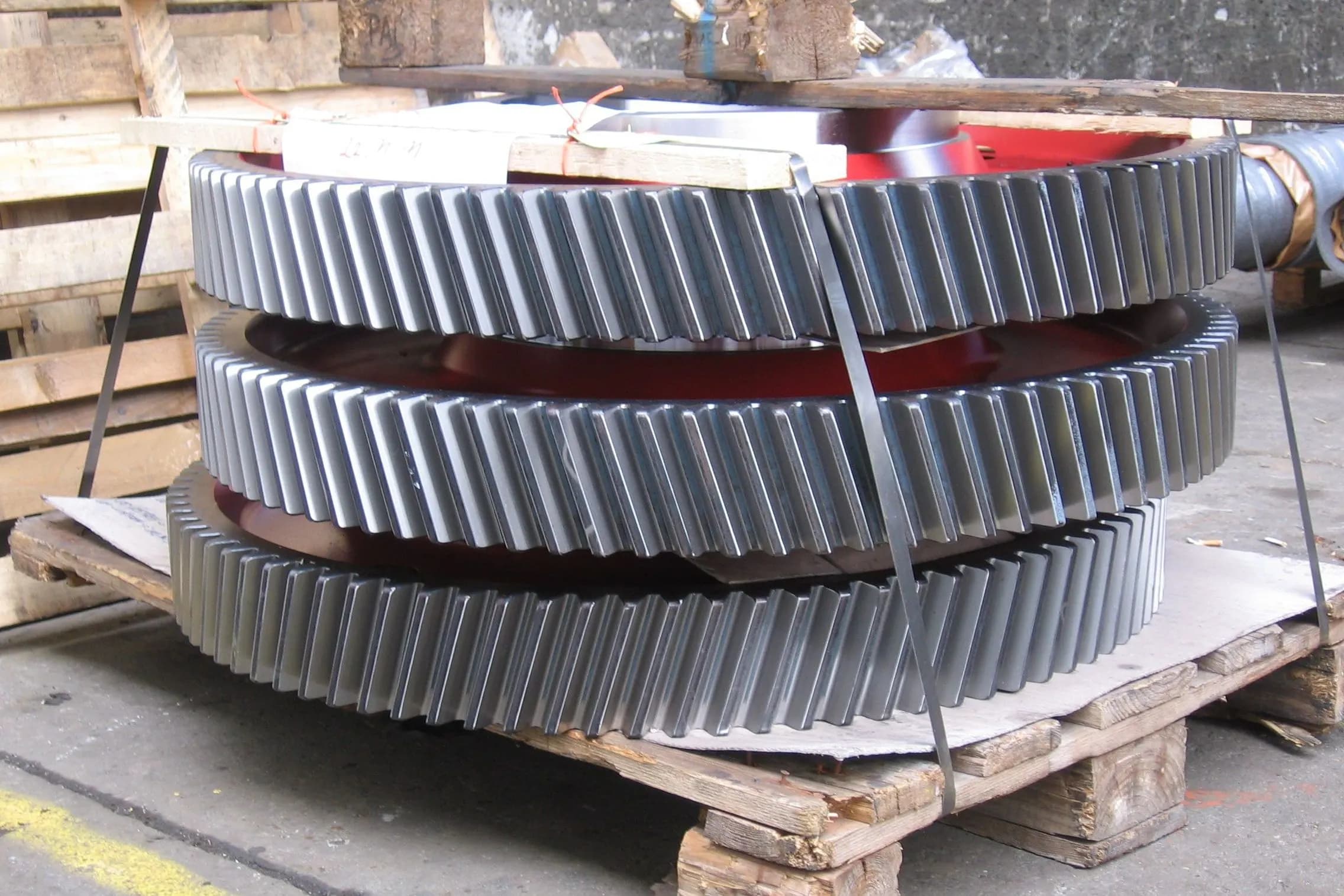
In the reducers of conveyors, crushers or mixers, two gear teeth meet on a tiny contact line under very high pressure. Industrial gear oil therefore needs extreme-pressure (EP) additives and much higher viscosity than hydraulic oil - VG 150, 220, 320, 460 are common. Codes on the TDS include ISO 12925-1 (CKC, CKD), DIN 51517-3 (CLP) and the US gear makers' AGMA 9005. Shell Omala S2 GX's TDS, for example, lists ISO 12925-1 CKC/CKD, DIN 51517-3 CLP and ANSI/AGMA 9005-F16.
Base oil matters too. TotalEnergies Carter SH - a synthetic gear oil - lists a typical VI of 150 and of −45 °C at grade 150, while the mineral Carter EP 100 lists VI 98. Both TDSs carry an important warning: not compatible with PAG-based oils. Mixing incompatible base-oil families can ruin the oil - flush per the maker's guidance when switching.
Many gearbox makers such as Flender keep their own approved lists. Shell Omala S2 GX's TDS lists Flender under “The product has been approved by” - an official approval. See industrial gear oils, e.g. TotalEnergies Carter SH.
Don't mix PAO with PAG: the TDS says so, and it is worth reading before you pour.
IV
Compressors: oil meets hot air
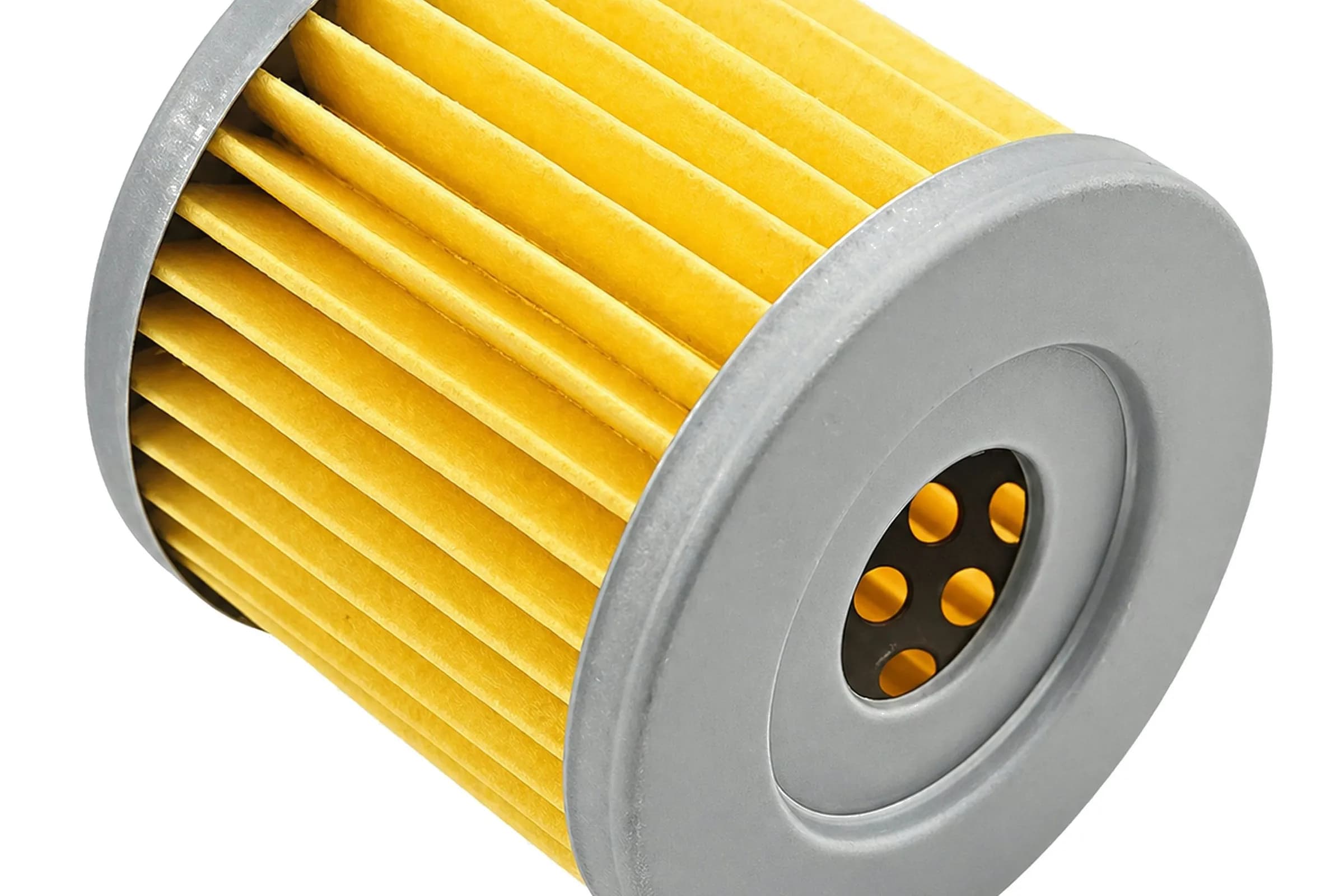
In an oil-flooded screw compressor, oil is injected into the compression chamber, mixes with air heating up under compression, then is separated, cooled and recirculated. It lubricates, seals and carries heat - in the presence of oxygen and moisture. ISO 6743-3 puts compressor oils in family D: DAA and DAB for reciprocating machines; DAG, DAH, DAJ for oil-flooded rotary (screw, vane) machines in rising severity. DIN 51506 VDL covers additive oils for compressors with high discharge temperatures.
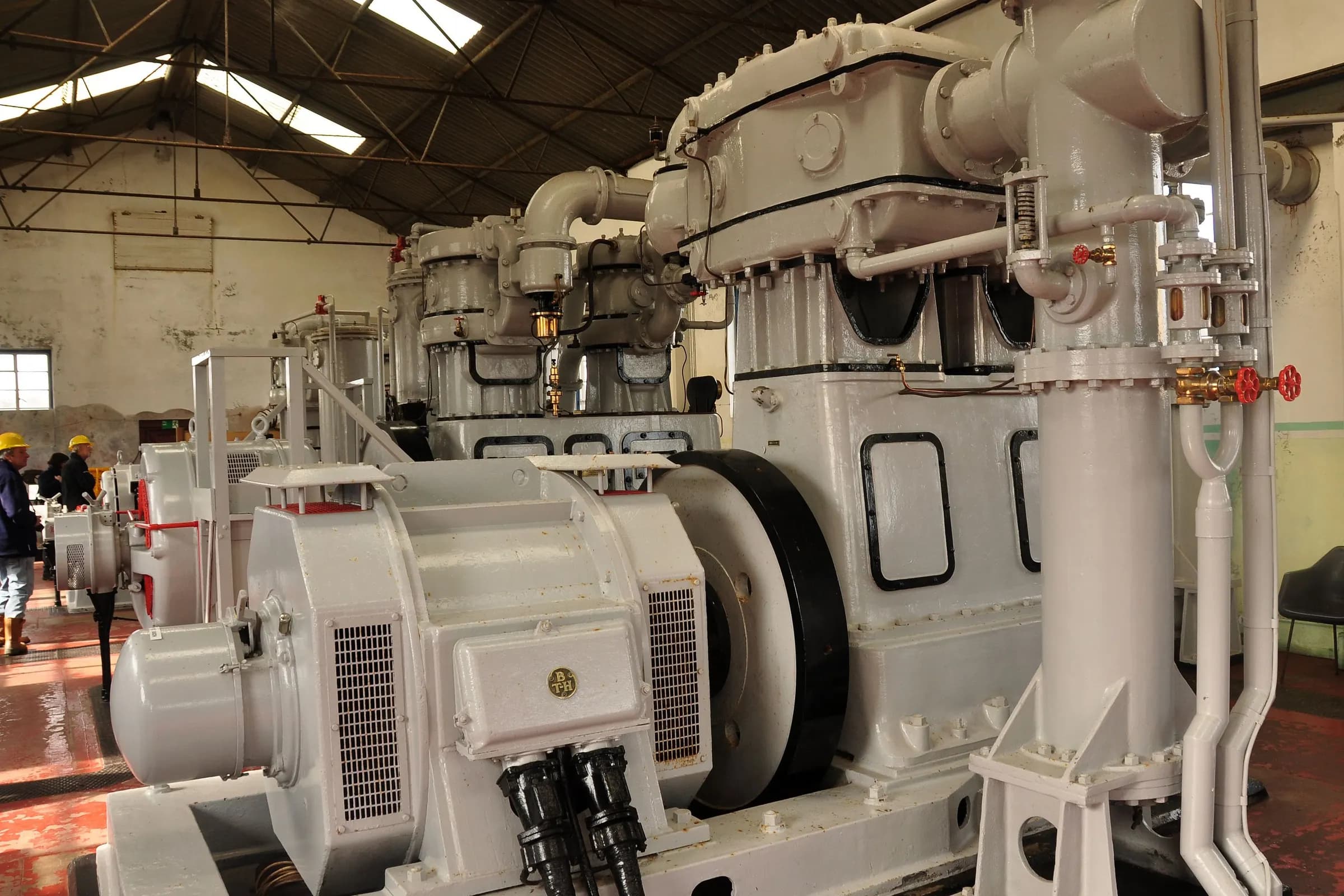
TDSs show the limits of mineral oil. TotalEnergies Dacnis, a mineral screw compressor oil, states that synthetic oil should be used when discharge temperature exceeds 100 °C. Repsol Maker Merak VDL, another mineral oil, cites compressors with discharge temperatures up to 220 °C. Different wording, same message: read the operating conditions on the TDS, not just the VG.
Hot, humid climates are named directly. The Shell Corena S4 R TDS (synthetic, ISO 6743-3 L-DAJ) recommends 10,000 hours for hot, humid climates such as Asia-Pacific, with reference to the machine maker's advice. The Repsol Maker Synthetic Compressor TDS (PAO) recommends 4,000 hours for humid tropical climates, extendable by oil analysis. The figures differ because the products and conditions differ - don't compare them directly. Each machine's real interval is set by the compressor maker and oil analysis.
Figures from TDSs
- discharge above this: Dacnis advises synthetic oil
- 100 °Cdischarge above this: Dacnis advises synthetic oil
- Corena S4 R - hot, humid Asia-Pacific climates
- 10,000 hCorena S4 R - hot, humid Asia-Pacific climates
- Maker Synthetic Compressor - humid tropics, extendable by analysis
- 4,000 hMaker Synthetic Compressor - humid tropics, extendable by analysis
- minimum VI of HVLP under DIN 51524-3
- 140minimum VI of HVLP under DIN 51524-3
Source: TDS TotalEnergies Dacnis (V.07/2023), Shell Corena S4 R (2025), Repsol Maker Synthetic Compressor (10/2026); DIN 51524-3
Safety cannot be skipped: oil deposits in compressor discharge lines are a fire risk. Don't mix base oils; flush per the machine maker when changing oil type. See compressor oils, e.g. Shell Corena S4 R and Repsol Maker Synthetic Compressor.
Read the operating conditions on the TDS - discharge temperature, climate, interval - not just the VG.
V
Reading an industrial TDS
The three systems differ, but their TDSs share a layout: description and applications, specifications and approvals, and a table of typical values. The table is the part most people skim, though it holds useful information.
| TDS line | Test method | What it tells you |
|---|---|---|
| Viscosity at 40 / 100 °C | ASTM D445, ISO 3104 | 40 °C sets the ISO VG; 100 °C shows how much it thins when hot |
| Viscosity index (VI) | ASTM D2270, ISO 2909 | High VI: viscosity changes less with temperature - suits outdoor machines |
| Flash point | ASTM D92, ISO 2592 | temperature at which vapour ignites with a flame - a safety value |
| Pour point | ASTM D97, ISO 3016 | lowest temperature at which the oil still flows |
| Air release / water separability | ASTM D3427 / ASTM D1401 | how quickly the oil releases air and sheds water |
| FZG load stage | ISO 14635 | load-carrying capacity on test gears |
Some examples from TDSs on this website: Shell Corena S4 R 32 lists an air release time of 2 minutes (ASTM D3427) and water separability of 10 minutes at 54 °C (ASTM D1401) - both key for a compressor oil in constant contact with humid air. Shell Tellus S2 MX lists a minimum TOST oxidation life of 5,000 hours (ASTM D943). Repsol Maker Telex HVLP 15 lists FZG load stage 11 (ISO 14635). All are typical values, not guarantees - but they allow a reasoned comparison.
When comparing, compare like with like. Some TDSs give by ASTM D92, others by ISO 2592; some US editions print temperatures in °F. Convert units and check methods before calling one product “better”. Our compare tool shows values exactly as in the original TDS.
VI
A tidy oil store
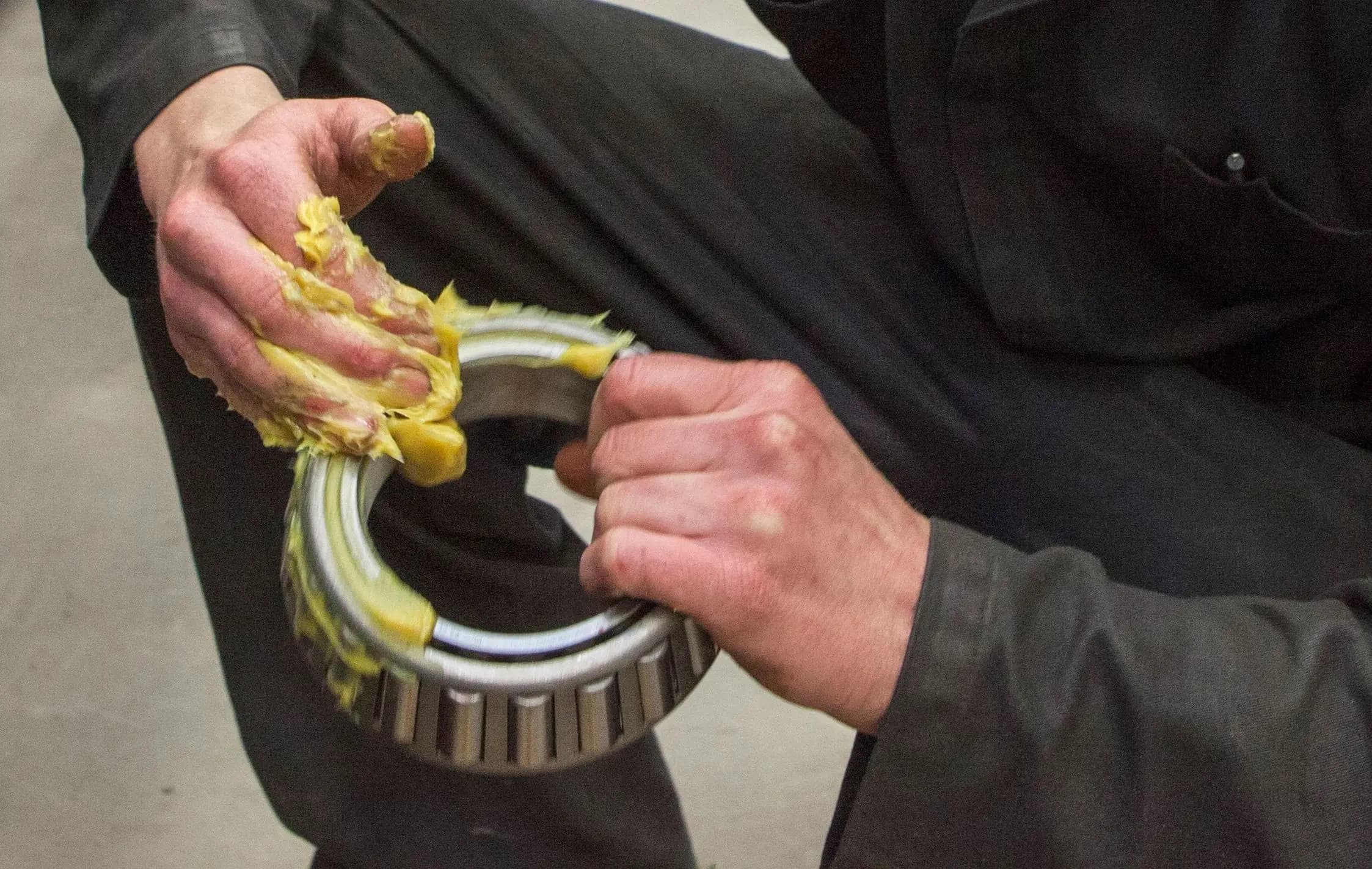
Three systems, three oils, many grades: an oil store gets messy fast. A simple routine helps. Tabulate every machine - oil type, VG, required standard, capacity, interval - from the maker's manual. Label drums and fill points clearly. Use separate dispensing tools per oil to avoid cross-contamination. Keep each product's TDS and safety data sheet. And consider routine oil analysis on critical machines to set intervals from real data.

None of this needs complex technology, but it prevents the most common industrial lubrication mistake: the wrong oil in the wrong machine. For help building a lubrication chart, see solutions or the full industrial range.


Figures come from public standards and official TDSs and are typical values, not guaranteed specifications. The suggested routine is the editorial team's view.
- Produced by
- Ung Vuong editorial team
- Design
- Ưng Vương Web
More in this format
E-MAGAZINE →E-MAGAZINETrade & wholesale
Ung Vuong: one lubricant supplier for workshops, fleets, dealers and plants
4 min read
E-MAGAZINETrade & wholesale
Buying Castrol, Shell, Repsol, Motul wholesale: 7 questions to ask
4 min read
E-MAGAZINETrade & wholesale
Car washes selling oil: what to prepare to sell right and safely
4 min read