LONGFORM
API SQ and ILSAC GF-7: the new petrol oil standards
Licensed since 31 March 2025: aged-oil LSPI protection, cleaner pistons, chain wear. How to read the label, and who needs it?
By: Ung Vuong editorial teamPublished 13 Nov 202612 min read
Every few years the US petrol engine oil standards are upgraded to keep up with new engines. The latest came in January 2025: the American Petroleum Institute (API) announced ILSAC GF-7A, GF-7B and API SQ, licensable from 31 March 2025 (MOTOR, 14/01/2025). These codes already appear on car oil bottles sold in Vietnam - including some on this website.
This piece explains why the new standards exist, how to read the label symbols, which tests changed, backward compatibility, and what the new standards do not change. Test figures come from an additive company's public material; for engineering use, check the current API 1509.
01
Why new standards
MOTOR says GF-7 is designed to help carmakers meet fuel economy and emissions targets for model year 2026 onwards. Lubrizol's presentation at ILMA (11/4/2024) is more specific: the main priority is helping OEMs meet CAFE fuel economy rules from model year 2026, and most meaningful changes come from three points - a new aged-oil low-speed pre-ignition () test and tighter Sequence IIIH and VIE limits.
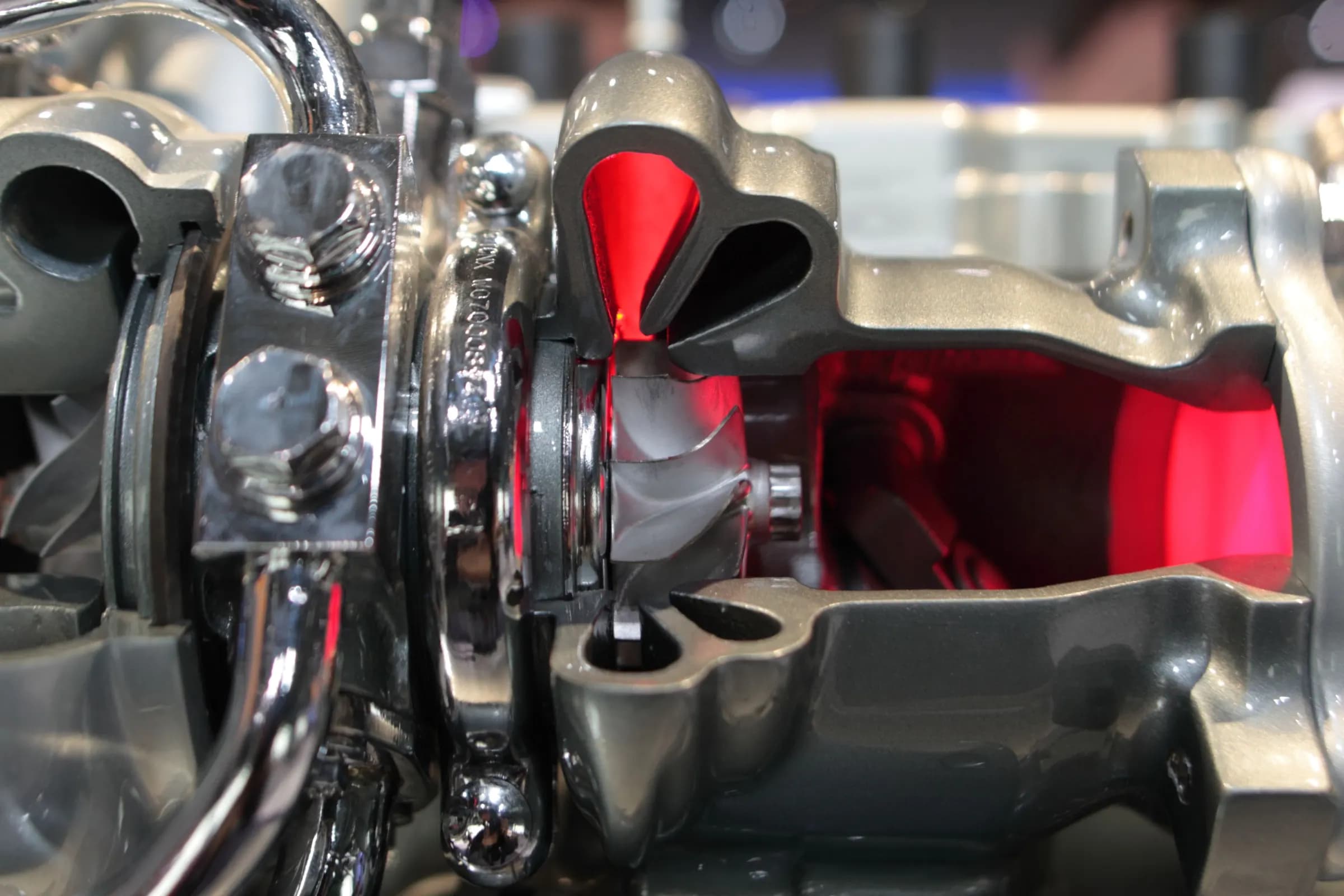
The technical background is the spread of small, turbocharged, direct-injection petrol engines. LSPI is when the charge ignites before the spark at low engine speed and high load - it can cause severe damage. The previous generation's Sequence IX test assessed LSPI with fresh oil; GF-7 adds an aged-oil version because, per Lubrizol, field issues had led to warranty claims.
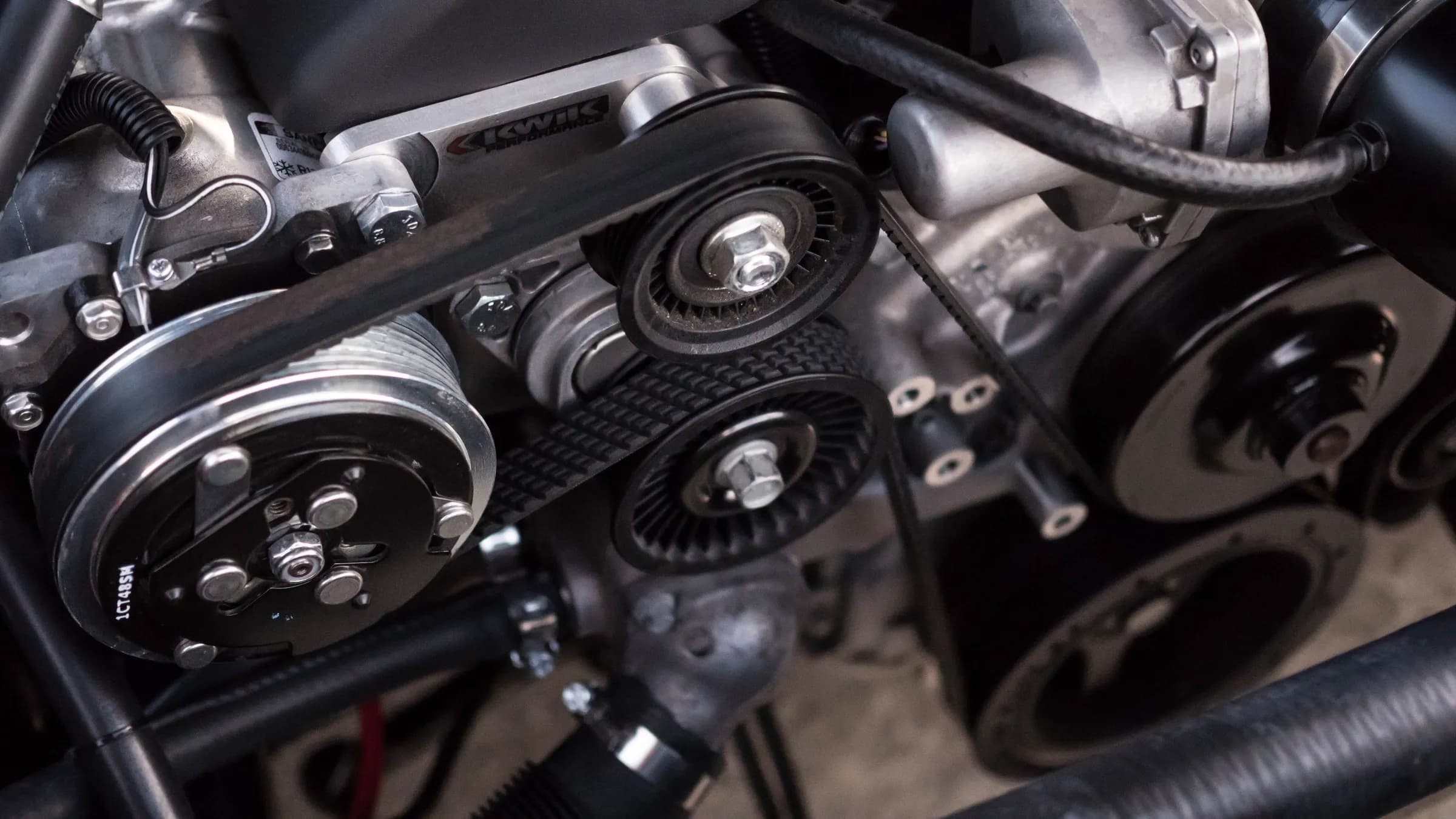
The second goal is fuel economy: Sequence VIE measures improvement against a reference oil, and GF-7 asks for more than GF-6. The third is durability: keeping pistons clean at high temperature (Sequence IIIH) and protecting timing chains from wear-induced stretch (Sequence X).
A new oil standard usually follows a new generation of engines - not the other way round.
More broadly, API SQ is the latest letter in a long chain. API petrol service categories follow the alphabet after S: SJ in 1996, SL in 2001, SM in 2004, SN in 2010, SP in 2020 and SQ in 2025. Each new letter rewrites the test set, usually alongside an ILSAC generation: GF-5 with SN, GF-6 with SP, GF-7 with SQ.
The gaps show the pace of engine change. The SN-to-SP era saw turbo direct-injection engines spread, bringing the first LSPI and chain-wear requirements. SP-to-SQ added few new tests but raised limits, plus aged-oil LSPI - reflecting that problems occur not only with fresh oil but late in the drain interval.
02
Three symbols on the label
On car oil bottles, the API licensing system uses three symbols. The round “donut” shows the service category in the top half - e.g. SQ - and the SAE viscosity grade in the centre. If the oil also meets resource-conserving requirements, “Resource Conserving” appears in the bottom half. Per Infineum, API SN PLUS is not a licensing option for SQ oils.
The starburst is for oils meeting ILSAC GF-7A; per Infineum it cannot be applied to SAE 0W-16 oils. The shield is for GF-7B and applies only to 0W-16 - so that this very thin oil is used only where the carmaker recommends it (MOTOR, 14/01/2025).
API SQ is broader than ILSAC. MOTOR notes it includes ultra-low grades such as SAE 0W-8 and 0W-12; API SQ with Resource Conserving matches all ILSAC requirements, while plain API SQ covers oils outside the carmakers' ILSAC recommendations. So an oil can meet API SQ without being GF-7A - if your manual asks for GF-7A, look for the starburst.
| Symbol | Meaning | Viscosity |
|---|---|---|
| Donut - SQ | API SQ service category | as labelled, incl. 0W-8, 0W-12 |
| Donut - SQ + Resource Conserving | Matches ILSAC requirements | as labelled |
| Starburst | ILSAC GF-7A | not for 0W-16 |
| Shield | ILSAC GF-7B | 0W-16 only |
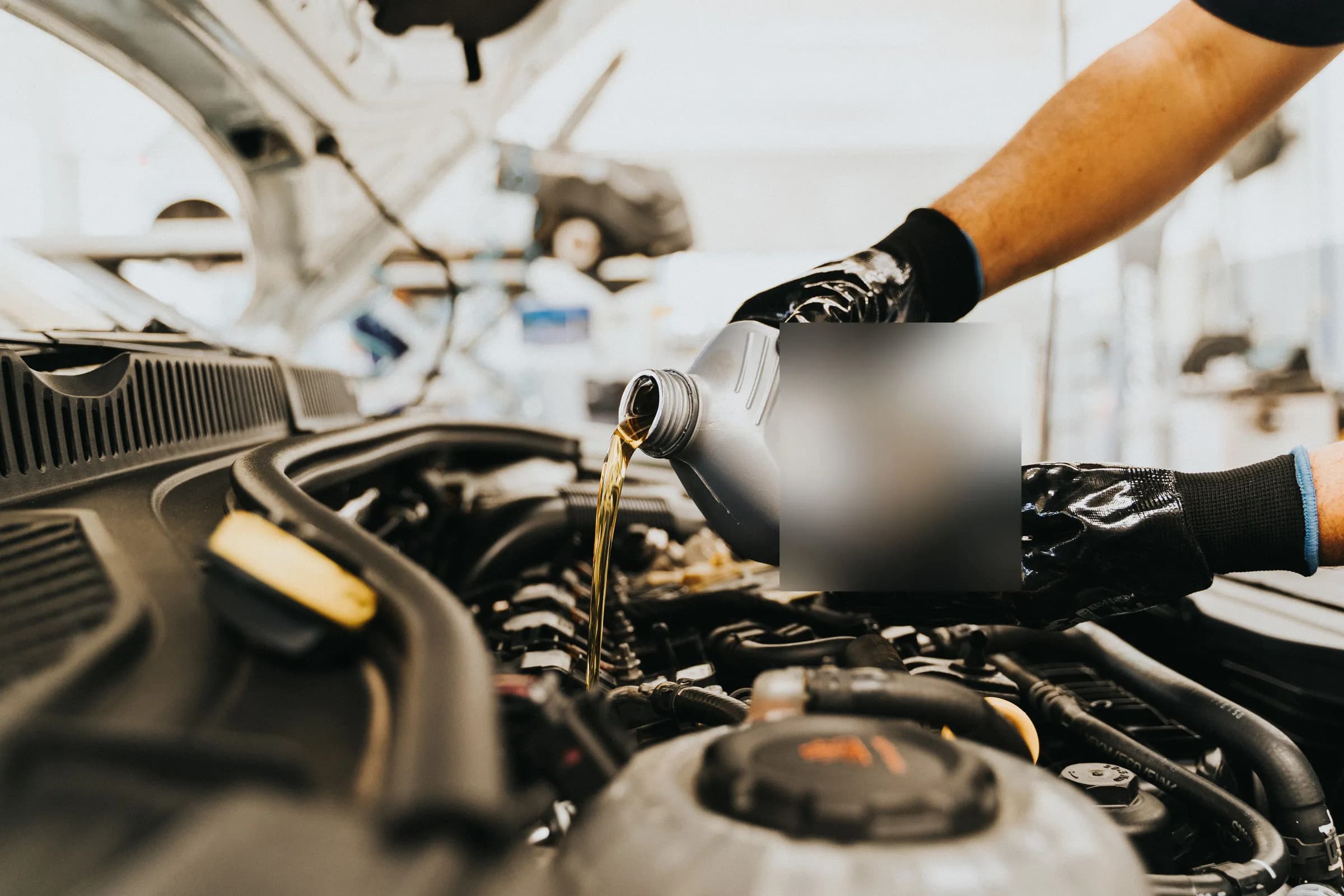
An oil can meet API SQ without being ILSAC GF-7A - look for the symbol your manual asks for.
03
Inside the tests
A category is defined by a list of engine and bench tests, each with pass/fail limits. The table compares GF-6 and GF-7 limits from Lubrizol's April 2024 material - when GF-7 had taken shape but was not yet licensed; some limits were still marked as proposed.
| Test | Measures | GF-6 | GF-7 |
|---|---|---|---|
| Sequence IIIH | piston cleanliness (WPD, min) | 4.2 | 4.6 |
| Sequence VIE xW-20 | fuel economy (FEI sum, min) | 3.8 | 4.3 |
| Sequence VIE xW-30 | fuel economy (FEI sum, min) | 3.1 | 3.6 |
| Sequence X | timing chain stretch (%, max) | 0.085 | 0.080 |
| Aged Sequence IX | LSPI with aged oil (events, max) | none | 5 average; 8 per iteration |
| MRV (ASTM D4684) | cold pumpability (mPa·s, max) | 60,000 | 40,000 |
| Sulfated ash (ASTM D874) | % mass, max | no limit | 0.9 |
| Phosphorus (ASTM D4951) | % mass, max | 0.08 | 0.08 |
| Noack (ASTM D5800) | % max | 15 | 15 |
Three directions stand out. First, turbo engine protection: a new aged-oil LSPI test with limits equivalent to the fresh-oil Sequence IX. Second, durability: cleaner pistons in Sequence IIIH and less chain stretch in Sequence X. Third, fuel economy: higher minimum FEI for every listed viscosity group.
Two less-discussed changes matter. A 0.9 % maximum was added because, per Lubrizol, gasoline particulate filters (GPFs) will be used to meet emissions rules - ash from oil can build up in them. The fresh-oil limit drops from 60,000 to 40,000 mPa·s to address field cold-pumping issues, expected to apply to ILSAC grades only. In Vietnam's climate MRV matters less, but it shows how a standard responds to field data.
GF-7 versus GF-6
- 014.2 → 4.6minimum piston cleanliness, Sequence IIIH
- 020.085 → 0.080 %maximum timing chain stretch, Sequence X
- 0360,000 → 40,000maximum fresh-oil MRV (mPa·s)
- 040.9 %maximum sulfated ash - new limit
Source: Lubrizol - PCMO update, ILMA 11/4/2024 (some limits then proposed)
Unchanged items matter too. Phosphorus 0.08 % and 15 % stay; Sequence IVB valvetrain wear and Sequence VH sludge keep their limits. The water tests - ASTM D7563 emulsion retention and ASTM D6794 filterability - remain. Four new elastomers join the seal test as rate-and-report, without limits yet.
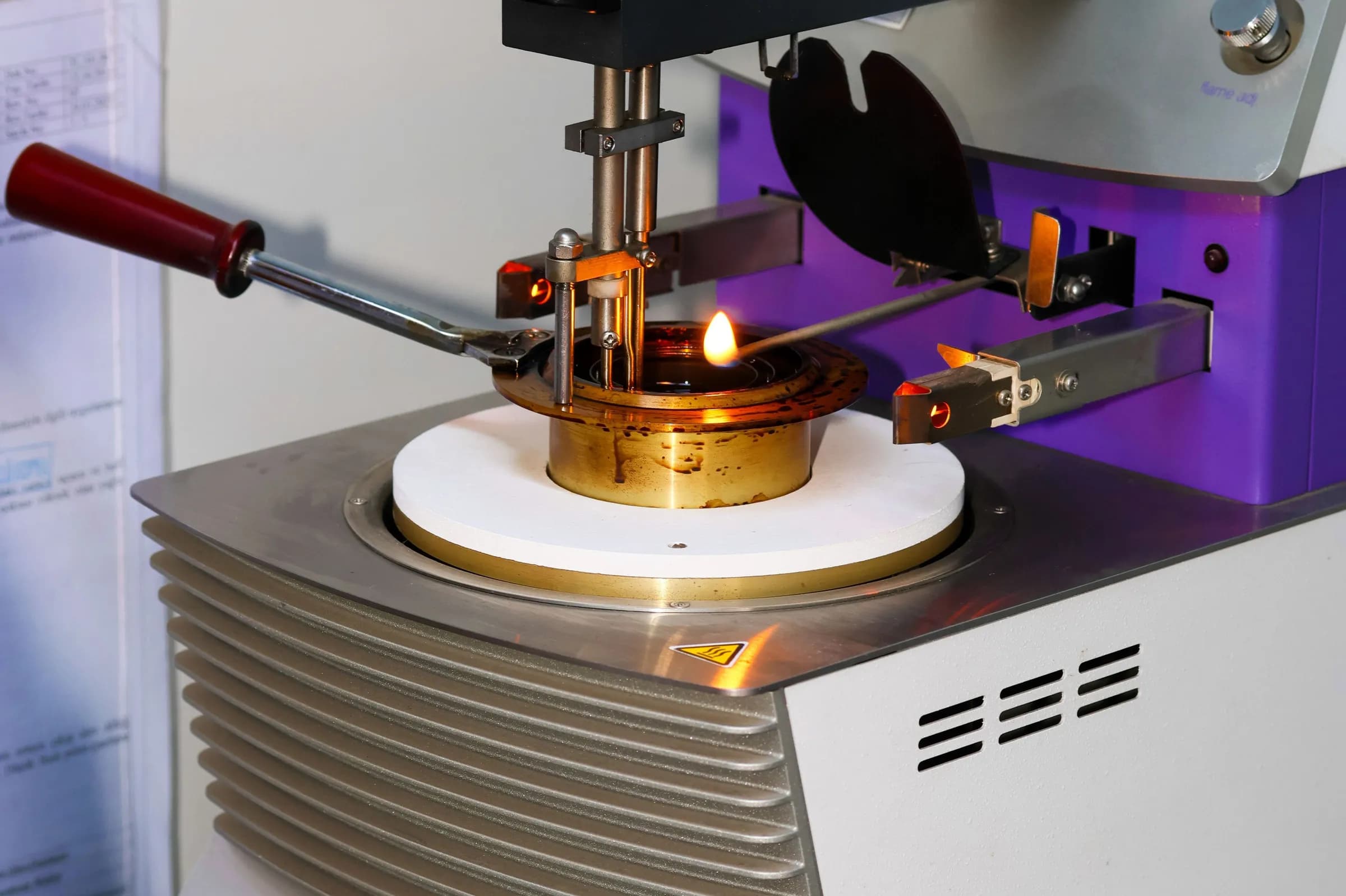

The new standard raises the bar where modern engines struggle: pre-ignition, piston deposits and chains.
04
Backward compatibility and transition
As oilspecifications.org summarises API guidance, where GF-6A or earlier GF grades were specified GF-7A is appropriate, and where GF-6B was specified GF-7B is. MOTOR also says GF-7A oils may be used where GF-6A or earlier petrol standards were recommended. API's Motor Oil Guide (06/2025) describes API SQ without Resource Conserving as backward compatible with previous “S” categories.
On timing, Infineum lists: GF-7A and API SQ licensable from 31 March 2025; from 31 March 2026 GF-6A and GF-6B oils can no longer carry the starburst or shield or appear in the EOLCS directory - GF-7A and GF-7B become the only basis for those marks. GF-8 could replace GF-7 in Q3 2028 at the earliest.
In shops, bottles made before the transition may still carry SP/GF-6A. That is not fake or inferior - just the previous generation. If your car calls for SP or GF-6A, an oil meeting it still complies; SQ/GF-7A is the backward-compatible option.
- 14/01/2025
API announces GF-7A, GF-7B and API SQ.
- 31/3/2025
GF-7A and API SQ licensing begins.
- 05/6/2025
API releases its updated Motor Oil Guide.
- 31/3/2026
GF-6A/GF-6B lose the starburst/shield.
- Q3 2028 (earliest)
GF-8 could replace GF-7.
05
In Vietnam: who should care
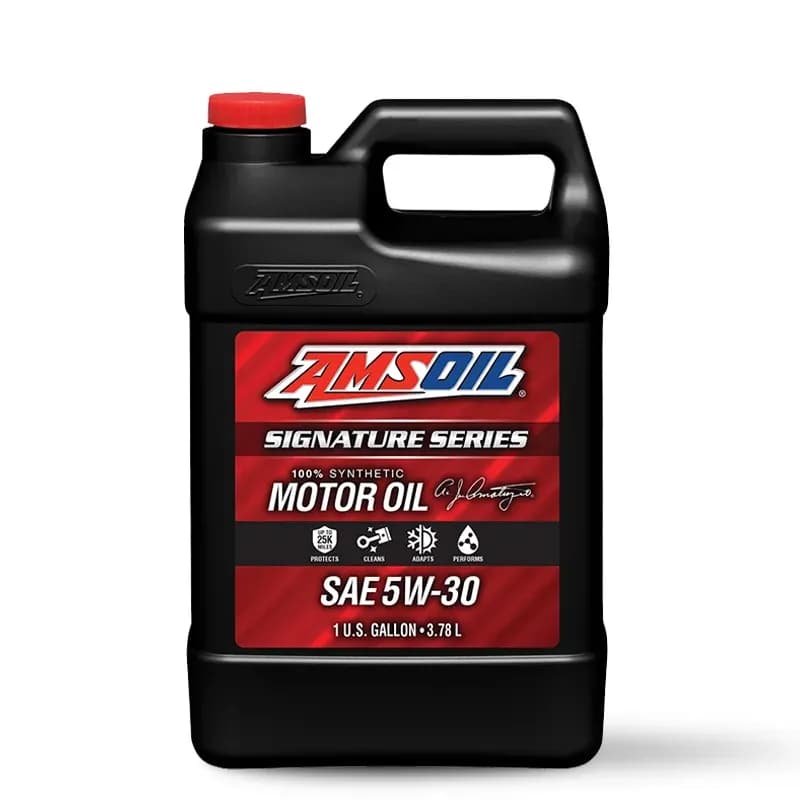
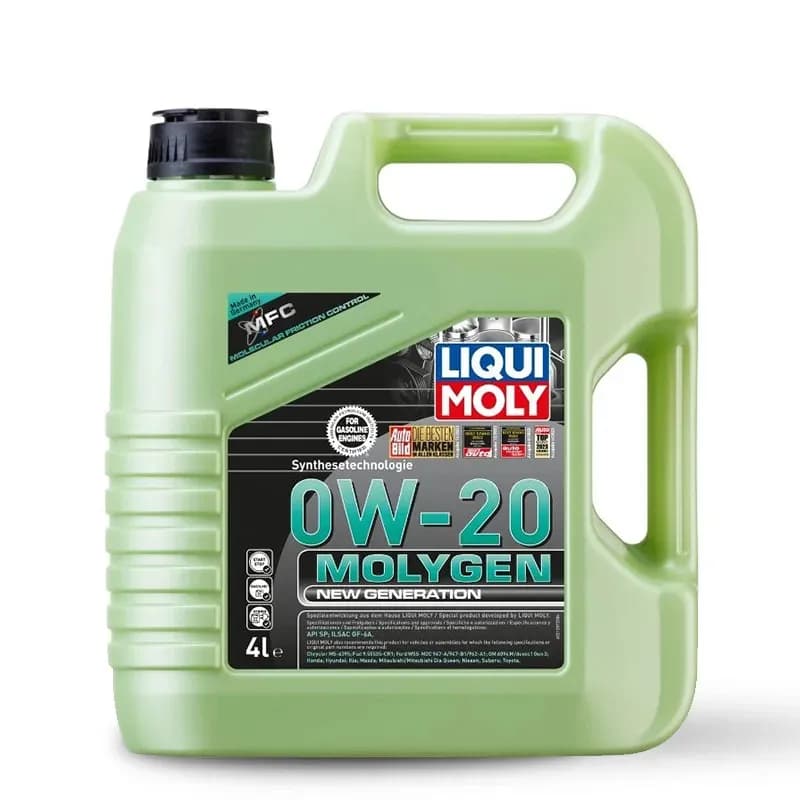
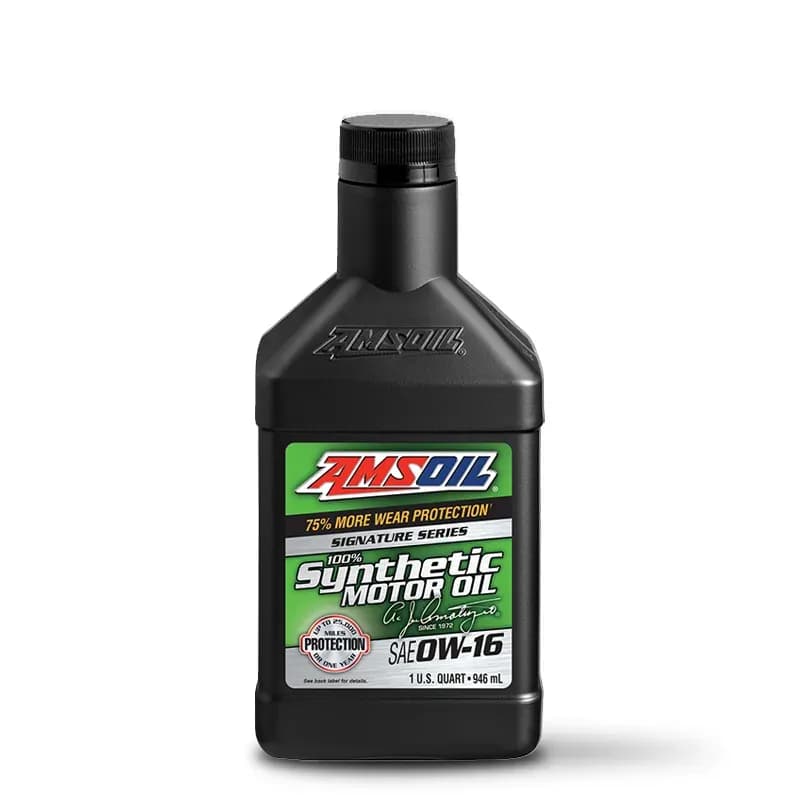
Owners of recent petrol cars - especially Japanese, Korean and American models whose manuals cite ILSAC or API - are directly affected. On this website, some products list API SQ, e.g. AMSOIL Signature Series 5W-30, Liqui Moly New Generation 0W-20 (with GF-7A) and AMSOIL Signature Series 0W-16 (with GF-7B). Check each product's technical data for the exact claims, and use compare.
For motorcycles, API SQ is not the whole answer. As oilspecifications.org notes, SQ and GF-7 are not wet-clutch motorcycle categories. Manual bikes need JASO MA, MA1 or MA2 under JASO T903:2023; dry-clutch scooters often use JASO MB where allowed. Some motorcycle oils list an API S grade such as SP for engine quality, but the JASO grade decides clutch suitability.


European cars often require a maker approval or an ACEA sequence (e.g. C3, C5). API SQ and GF-7 do not replace these. For diesels the relevant API categories are C - currently CK-4, FA-4, with CL-4 and FB-4 first licensable on 1 January 2027.
Hybrids and some recent Japanese models may list 0W-16 or lower. That is where the shield matters: GF-7B is reserved for 0W-16 so this very thin oil is not used by mistake in engines not designed for it. Conversely, if your car needs 0W-20 or 5W-30, don't drop to 0W-16 just because the bottle carries a newer category.
A common question: is an oil that “meets API SQ” the same as one licensed for API SQ? Under the API 1509 licensing system, the donut, starburst and shield may only appear on licensed products. A line in a data sheet saying an oil “meets” a category is the oil maker's own claim - useful, but not a licence. When comparing, check whether the label carries the symbol or only the words.
06
What the new standards don't change
New standards do not change the viscosity your car needs. If the manual says 0W-20, a 5W-30 API SQ oil is not the right choice just because it is newer. Viscosity and quality are separate questions: SAE J300 answers the first, API/ILSAC/ACEA/JASO the second. See viscosity explained.
Nor do they replace carmaker approvals. Per oilspecifications.org, SQ and GF-7 do not override a named OEM approval such as dexos or a European maker approval. On this website we separate official approval (granted by the carmaker), meets requirements (the oil company's own claim) and recommended - see OEM approvals.
Finally, they do not change drain intervals. The carmaker sets those according to operating conditions; a newer category does not by itself allow longer drains.

Viscosity grade, quality category and carmaker approval are three different questions.
In short: with a recent petrol car, find the symbol your manual asks for - starburst for GF-7A, shield for 0W-16 GF-7B, or the SQ donut. On a motorcycle, look at the JASO grade first. For every vehicle, the right viscosity and change schedule matter as much as ever.
- Produced by
- Ung Vuong editorial team
- Design
- Ưng Vương Web
Products in this article
 Cars
 Cars
 Cars